Lead Quality vs. Lead Quantity: Why B2B Teams Are Rethinking Their Funnel in 2026
Bigger buying committees and tighter budgets are forcing B2B teams to rethink lead quality vs. quantity. Here's how top teams rebalance the tradeoff in 2026.
Updated June 23, 2026

Videos typically receive the most engagement across social media channels compared to other types of content and can enable businesses to reach a wider audience and show different sides of their brand.
Video is the most engaging content format on social media — and today that means short, vertical, sound-aware clips built for how people actually scroll. Across platforms, video consistently earns more reach, shares, and comments than static posts, but the brands that win engagement aren't just posting videos; they're tailoring each one to the platform, hooking viewers in the first three seconds, and giving people a reason to interact. This guide breaks down how to create social media videos that drive real engagement.
People are more likely to engage with your video if its content and style evoke a sense of empathy. Your video should speak to a need they have and offer a solution to a problem they relate to. If your video doesn't echo the experiences or desires of your audience, you won't get the engagement that drives them to act — and the last thing you want is for viewers to feel your brand doesn't represent them.
Looking for a Digital Marketing agency?
Compare our list of top Digital Marketing companies near you
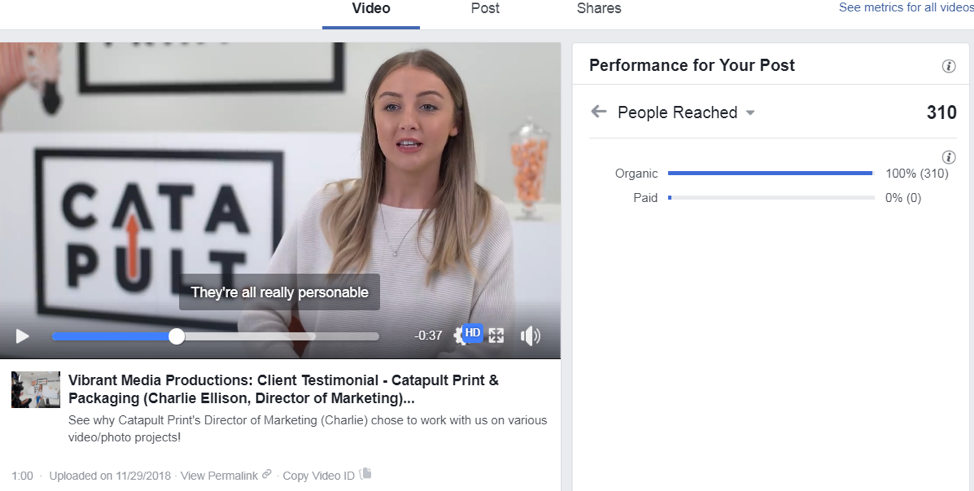
For example, a brand can build a video around real customer reactions and personal interviews, letting authentic voices describe an experience in their own words. When prospective customers see people like them reacting genuinely, they can picture themselves in the same situation — which is what moves them from watching to engaging.
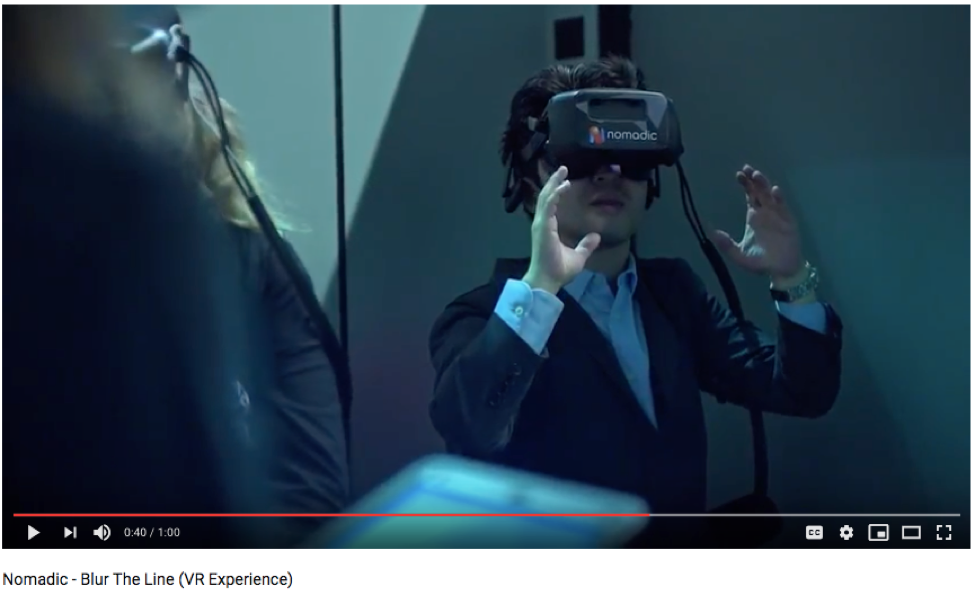
Before creating a social media video, you should have a keen understanding of your target demographics and ensure that every element of the video is carefully engineered to cater to their interests and values.
This is also where audience segmentation pays off: younger viewers may respond to quick, punchy, creator-style clips, while a professional audience may prefer a clear, informative walkthrough. When you work with video production companies, start from the message you want to deliver and what your audience will actually respond to.
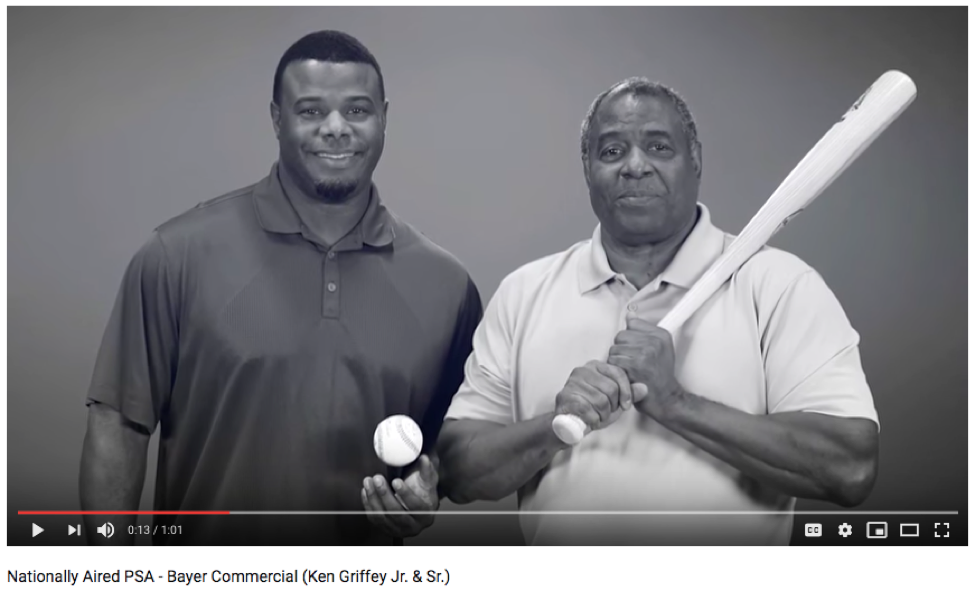
With millions of videos competing for attention, the first three seconds decide whether someone keeps watching or scrolls past. Lead with your strongest hook — a surprising visual, a relatable problem, or a bold statement — before anything that looks like branding.
For most social platforms, shorter wins: aim for roughly 30–60 seconds, and shoot vertically (9:16) so the video fills the screen the way TikTok, Instagram Reels, and YouTube Shorts viewers expect. If a topic genuinely needs more room, you can go longer — but front-load the most important information, because a large share of viewers won't reach the end.
"Social media" isn't one place — TikTok, Instagram, LinkedIn, Facebook, and YouTube each reward different things, and the same clip shouldn't be posted identically everywhere. Two habits make a measurable difference:
Because algorithms use engagement signals to decide what to amplify, content that earns early comments, shares, and saves gets shown to more people — making the tactics in the rest of this guide compound.
Many people still watch with the sound off, especially while scrolling in public, so your video should make sense on mute: use clear captions and on-screen text so viewers can follow along and decide to keep watching. Captions also help accessibility and give the algorithm (and search) more to read.
But "design for mute" no longer means "ignore audio." On short-form platforms, sound is a major engagement driver — a large share of Reels are watched with sound on, and trending audio can meaningfully boost reach on TikTok and Instagram. The move is to do both: caption everything so it works silently, and use trending or original audio to reward the viewers who do have sound on.
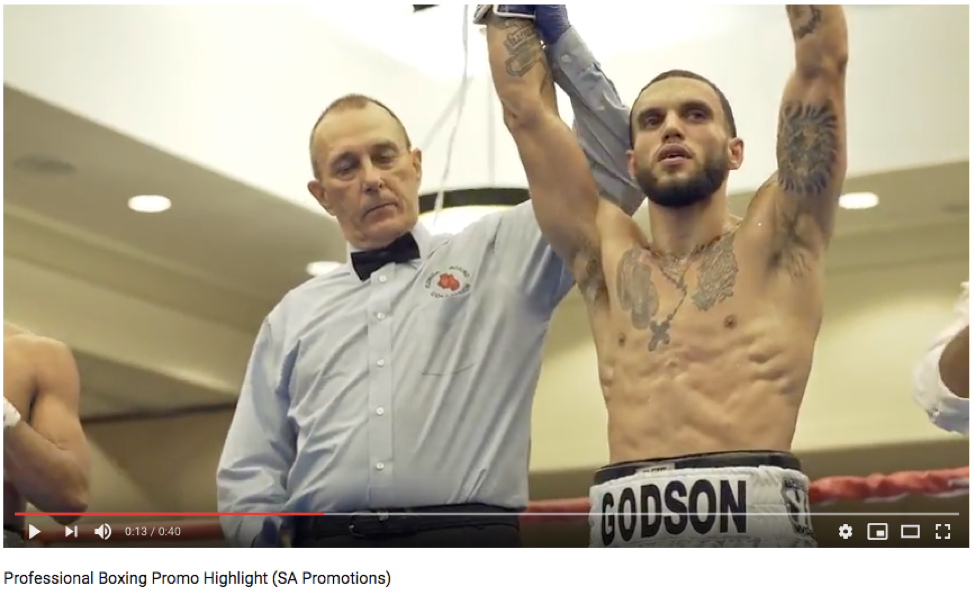
In a crowded feed, your video needs an edge while staying consistent with your brand. Strong writing, a dramatic or humorous tone, music, color, and pacing can all trigger the emotional reaction that makes people stop and engage. A high-energy promo, for instance, can use upbeat music, quick cuts, and real footage to capture the feeling of its subject.
One important update to old advice, though: on social, polish isn't always the goal. Authentic, lo-fi, creator- and UGC-style video frequently outperforms highly produced brand content because it feels native to the feed rather than like an ad. Sometimes the most engaging choice is a single honest take shot on a phone. Professional production still matters for the right projects — but match the level of polish to the platform and the audience, not the other way around.
Engagement isn't just something a video earns — it's something you build. The brands with the strongest video engagement actively invite and return it:
Don't save your call-to-action for the end — on social, a significant portion of viewers leave before they get there. Weave the CTA throughout the video, using both a spoken prompt and on-screen text, and place it early or mid-way so more people see it. Match it to your goal, whether that's a follow, a visit to your site, or a comment. Even those who drop off halfway should come away knowing what you want them to do next.
Demand for video keeps growing, and the brands that earn engagement are the ones that meet viewers where they already are: short, vertical, sound-aware video, tailored to each platform, hooked in the first three seconds, and built to invite a response. Get those fundamentals right and your social videos won't just be watched — they'll be shared, saved, and commented on, expanding your reach and your brand's visibility.
Short-form vertical video — TikTok, Instagram Reels, and YouTube Shorts — is currently the most engaging format. Authentic, creator- or UGC-style clips that feel native to the feed tend to outperform highly polished brand videos.
For most platforms, aim for about 30–60 seconds and hook viewers in the first three seconds. Go longer only when the topic truly warrants it, and front-load the key message either way.
Common culprits: a weak first three seconds, posting the same clip across platforms instead of optimizing natively, horizontal video on vertical-first feeds, no captions for sound-off viewing, and no clear reason to interact. Fixing the hook and posting natively usually moves the needle fastest.
Yes. Many viewers watch on mute, so captions keep your message clear and improve accessibility and discoverability — while trending audio rewards the viewers who watch with sound on.
 Alex Cascio is the founder of Vibrant Media Productions and is passionate about helping businesses succeed through producing visually stunning imagery that tells their unique stories. He has produced various video content for organizations such as Microsoft, National Geographic, LYFT, Mariott, and American Express.