Why Searching for a Specialized Dev Agency Takes Longer Than It Should — And What to Do About It
Looking for a niche software development agency? Learn how to define your requirements, find specialized providers, and vet their experience.
Updated June 15, 2026

Product scope is the complete set of features, functions, and characteristics that define what a product will deliver — how it will look, what it will do, and what users will experience. Defining it clearly before development begins is how teams avoid scope creep, wasted resources, and products that miss the mark.
At Bixlabs, we follow a 3-step process to define product scope on every project: lay the foundations, define and prioritize features, and define the MVP. Here's how each step works.
Oftentimes, companies fail to create successful products not because their ideas are bad, but because they don't invest the time to define their product scope. They end up building products based on gut feelings instead of data and user research — boasting an overwhelming number of features users don't need or understand.
Looking for a Software Development agency?
Compare our list of top Software Development companies near you
In short, time and money are wasted and businesses experience scope creep.
Scope creep: when unforeseen project requirements build up after the effort begins, causing teams to spend more time and resources on the project than expected.
Building a product that users care about requires a plan, a methodology, and a process. When you work on a complex, costly project such as the development of an app, establishing a product scope is crucial.
Before diving into the steps, it helps to understand how product scope differs from project scope — a distinction that frequently causes confusion during planning.
| Product Scope | Project Scope | |
| Defines | What the product will do | The work required to build it |
| Includes | Features, functions, characteristics | Tasks, timelines, deliverables, resources |
| Owned by | Product owner or business analyst | Project manager |
| Comes first? | Yes | Follows product scope |
For example, for a fitness app: the product scope covers step tracking, heart rate monitoring, and GPS functionality. The project scope covers development sprints, QA testing timelines, and launch milestones.
You define product scope first — it drives every decision in the project scope.
A complete product scope statement typically covers five areas:
With those components mapped, you're ready to define your product scope step by step.
The scope of a project informs both project managers and teams responsible for the execution of what requirements and tasks will populate the project timeline. This ensures that all parties are on the same page throughout development.
Before you start defining the functionalities of your app, you need to gather the information that will lay the foundation for your digital product.
Here are two topic areas to focus on in order to gather the correct info:
The first big thing you need to do is identify who your users are and what they need.
A fundamental part of creating a successful product is to realize that you are not the user of your product. To solve your users' problems, you have to step away from yourself and try to understand their feelings, goals, and key behaviors that will guide your product.
One great tool to do that is to create user personas. Personas are fictional characters you create to represent the different types of users that will use your product or service. It's an excellent resource to understand your customers' needs and expectations.
When developing user personas, get specific with the information you use to envision your audience. User personas typically include:
Additionally, remember to construct negative user persona info — traits you're looking to avoid in your target audience. Especially when defining scope, negative info can help you discover which users may be too expensive or challenging to reach effectively.
User personas are useful throughout the entire product development process: from deciding which features to include in a prototype, to evaluating the end product.
To create a persona, you will need to gather information about your users. One of the best ways to do so is to run user interviews.
A value proposition is your product's promise to customers — your company's elevator pitch.
A value proposition is a clear statement that captures 3 components:
Establishing your product's value proposition at the early stages will help guide critical design and development decisions, such as feature prioritization and product roadmap.
Uber's value proposition conveys simplicity, benefits, and differentiation in three points:
This tells users upfront what type of experience they'll get and why Uber beats other transportation options.
Now it's time to define and prioritize the features for your product. Consider your user personas and your product's value proposition in the following 2 steps:
Recognizing what features your product should have means defining what problems it will solve and what benefits it will bring to users.
One great way to identify key features is through brainstorming sessions. In his book Solving Product Design Exercises, Artiom Dashinsky describes an excellent framework called the 5W1H method:
Listing product features this way helps determine which should be prioritized.
A product shouldn't try to solve all the user's problems. Focus only on features that serve the mission of satisfying core user needs — functionalities your product must have to fulfill its fundamental purpose.
Features that don't meet that bar should be cut from the first version (though not necessarily forever).
It's better to have an app with a few polished, functional features than an overly complicated product that does things nobody asked for.
One of the most effective ways to prioritize features is using a lean prioritization matrix. Categorize brainstormed features based on the value they'll add and the effort they'll require:
This tool lets you compare features based on user impact and team effort — keeping development focused and on budget.
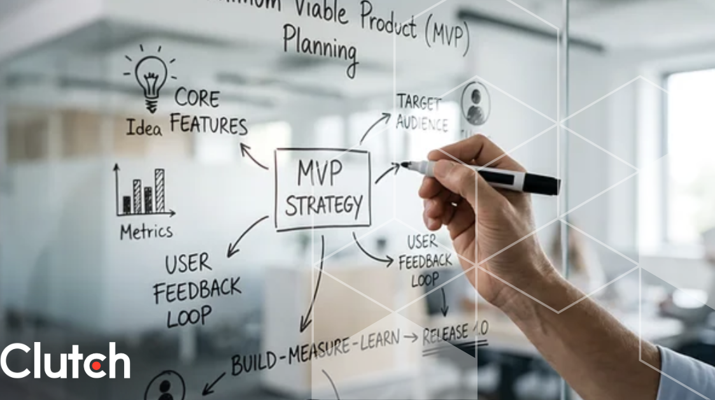
After laying the foundations, brainstorming features, and prioritizing them, you're ready to define a minimum viable product (MVP) and the functionalities it will include.
What is an MVP?
An MVP is a product with enough features to attract early-adopter customers and validate a product idea early in the development cycle. It also generates user feedback to iterate and improve the product in subsequent versions.
The MVP shouldn't include everything you intend for the full product. Leave out features you categorized as big bets or maybes in the lean prioritization matrix — high effort or low value features that belong in later releases.
That's also why you'll want to create a product roadmap alongside the MVP definition.
A product roadmap is a long-term development plan that gives all stakeholders the information they need to coordinate development tasks. It represents the evolution of a product across versions — providing predictability to the process and allowing teams to allocate resources and coordinate efforts effectively.
Even a well-defined product scope can drift if you don't actively manage it. Scope creep — when unplanned features get added without reassessing time and budget — is one of the leading causes of product failure.
Three practices that consistently prevent it:
Defining a product scope is setting clear rules on how to face the development of your app to meet users' needs.
Establishing the right scope from the beginning is critical to ensure your product goes in the right direction — fulfilling your business goals and your users' expectations. It's also a necessary step if you want to keep a straightforward process with efficient cost and time management.
At Bixlabs, we help top-tier startups build successful digital products for mobile and web. We work with an integrated, resource-efficient process that ranges from validating hypotheses, all the way through launching.
Product scope defines what the product will do — its features and functions. Project scope defines the work required to build it — tasks, timelines, and team responsibilities. Product scope is defined first; project scope is built around it.
A product scope statement is a written document that formally captures all product features, user requirements, technical specs, constraints, and success criteria. It serves as the reference point for the development team and is signed off by stakeholders before work begins.
Scope creep happens when new features or requirements are added after the product scope is defined, without a formal review of their impact on timeline and budget. It's most often caused by unclear initial requirements or the absence of a change control process.
Common tools include user persona templates, the 5W1H brainstorming framework, lean prioritization matrices, product roadmaps, and product scope statement documents. Project management platforms like Jira, Notion, and Productboard can help document and track scope throughout development.
Content Creator at Bixlabs, specialized in SEO content and Inbound Marketing. Passionate for new technologies, product design, and the startup ecosystem.
See full profile