
How to Define Brand Values That Guide Every Business Decision
Brand values are the principles that guide company decisions, define what a brand stands for, and shape how it treats customers, employees, and partners.
Updated May 29, 2026

There’s no denying that getting more customers walking through your physical or digital doors isn’t a walk in the park. But even if your marketing strategies are top-notch and leads are pouring in, the hard work is just beginning.
Acquiring new business is great, but keeping your customers continuously coming back is even more important. Gaining new business is ten times more costly than developing recurring revenue sources. This is why shifting your focus to finding new ways to engage and incentivize your current customers can be so impactful.
But how can you achieve this? One of the most effective methods is by creating a customer loyalty program that rewards customers for regularly purchasing from your company and encourages others to do the same.
Looking for a Public Relations agency?
Compare our list of top Public Relations companies near you
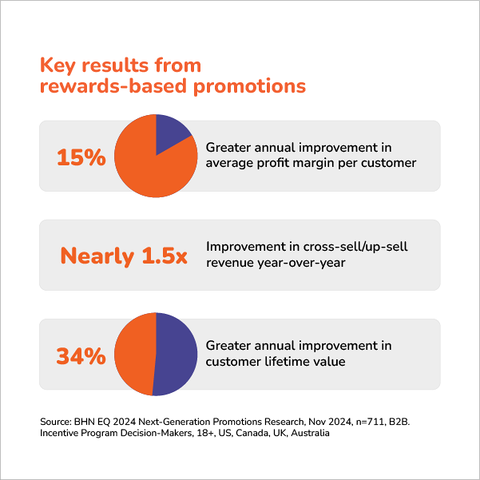
There are several reasons why so many brands today are creating purchasing incentive programs for their customer base. Below are some of the main reasons why these initiatives prove so successful:
Think of the last time something gave you a thoughtful gift. How did you react? Well, depending on the source, you may have given them a card to say thank you or even returned the favor in kind by sending them their own gift. This natural feeling of reciprocity is what makes us human.
Smart businesses know how to leverage this feeling to provide win-win situations for customers and their organizations. By providing small but meaningful gifts or rewards, they spark feelings of wanting to return that same favor to the source. This can be incredibly powerful in marketing and can help businesses achieve a number of helpful objectives, whether that be repeat purchases, additional product reviews, or helpful customer testimonials.
Behavioral modification is commonly used in clinical settings to help encourage individuals to make healthier life choices. However, the concept behind “positive reinforcement” is also highly effective in a variety of situations.
The principle is simple to understand: If you want to encourage a behavior or routine, you should associate it with some type of reward. This reprograms the brain to understand that some decisions are better than others simply because of the results they provide.
For businesses, offering a small company perk after a customer makes a purchase or provides you with helpful feedback encourages them to repeat that behavior.
Modern consumers expect more from the brands they engage with. The last thing they want is to feel like a business is only out to make a profit and only treats them as a line item on a transaction sheet.
When you take the time to surprise them with different forms of gratitude for their business, it shows that they’re not just an afterthought. Sending personal thank you notes and various monetary rewards helps show your customers that you’re worth the time, effort, and resources to keep them satisfied with their brand experiences.
These additional efforts help develop a deeper connection with customers and keep them loyal to the business.
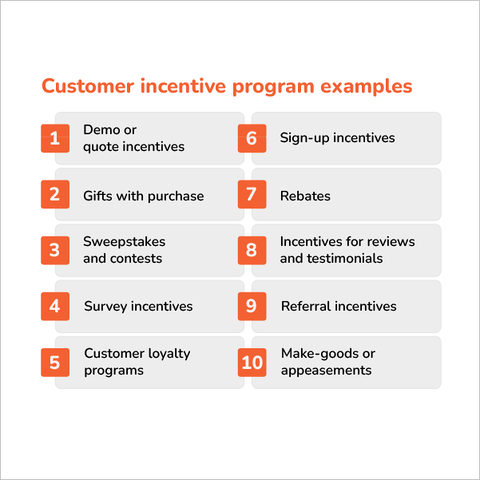
The great thing about customer incentives is that your business can get creative when incorporating them into your business. Some common examples you could try include:
After you’ve decided on the different ways you want to show your customer appreciation, there are certain strategies you should follow to create an impactful loyalty program:
The first step is getting organized. Try to avoid implementing anything formal until you have a clear picture of your company's overall objectives for your program.
Depending on your goals, the type of program you choose may target specific customer actions. For example, you may want to focus on repeat purchases or increasing total purchase amounts. If this is the case, you may want to look for website integrations that allow you to track historical purchases and provide recommendations on relevant purchase add-ons while attaching discounts to them.
In any event, deciding on a primary focus will help you incorporate the right metrics to track and ensure your loyalty program aligns with business needs.
Simply having a loyalty program in place isn’t necessarily enough to make it successful. It needs to drive your customers to act. To achieve this, it’s important to learn what really motivates your customers and find ways to incorporate this into the program.
A good place to start looking for this information is in your customer feedback surveys. Make it a point to ask very specific questions regarding ways your business might improve or the type of incentives they’d like to see moving forward. While not all the suggestions you receive might be doable, they can help you put more focus on implementing rewards that matter to them the most.
The great thing about taking this approach is that it helps your customers feel like they’re a bigger part of helping your business grow. This benefits them by giving them access to more meaningful rewards and helps you build a reputation as an organization that truly listens to its customers.
While you might think that you’ve implemented a highly successful customer loyalty program, the only real way to tell is by tracking its performance over time.
The trick is focusing on the metrics that can give you a clearer picture of whether or not there are ways the program can be improved. Some of the metrics that can be good to track include your customer attrition rates, number of new lead referrals, review counts, total transaction values, or the amount of rewards being claimed.
All of the metrics can help show you how engaged your customers are with the program you’ve implemented. This also applies to any internal reward systems you might have in place for employees, such as offering gifts for hitting certain milestones or rewarding departments for a job well done.
Building brand loyalty rarely happens organically. It’s important to invest the time and research necessary to develop new initiatives that keep your customers engaged with your brand while rewarding them for their continuous support. Customer incentive programs are a great way to achieve this. By following the strategies outlined, you’ll ensure that your loyalty program stays effective and continues to give you a positive return on your investments.