
Podcast SEO in 2027: How to Make Business Episodes Findable
Learn how transcripts, question-led titles, structured data, and guest links help business podcasts get found on YouTube, Apple Podcasts, and Google.
Updated May 25, 2026

Studying expert storytellers is one of the best ways to level up your own campaigns. Discover 10 brands knocking it out of the park with incredibly memorable marketing.
Branded content has always been an essential part of marketing. In the 1990s, Mattel published Barbie comic books featuring the charming blonde doll and her friends. You may remember McDonaldland, a bizarre universe created by the fast food chain.
It was filled with strange mascots like Grimace and the Hamburglar, who delighted—or terrified—children. These early examples were incredibly immersive.
Looking for a Content Marketing agency?
Compare our list of top Content Marketing companies near you
Technology has come a long way since then, but the importance of branded content marketing hasn’t faded.
Mathew Wilkins, content strategist at Pen & Mug, explains, “These days, it’s not just about selling a product — it’s about telling a story that aligns with the audience’s values and needs.”

This guide spotlights 10 inspiring brands that have mastered the art of narrative. Adapting their best practices can help your small business truly stand out.
At first, branded content might seem a little… gimmicky. Or maybe over-the-top is the right word. You may wonder, “Don’t customers just want to learn about my products and services?”
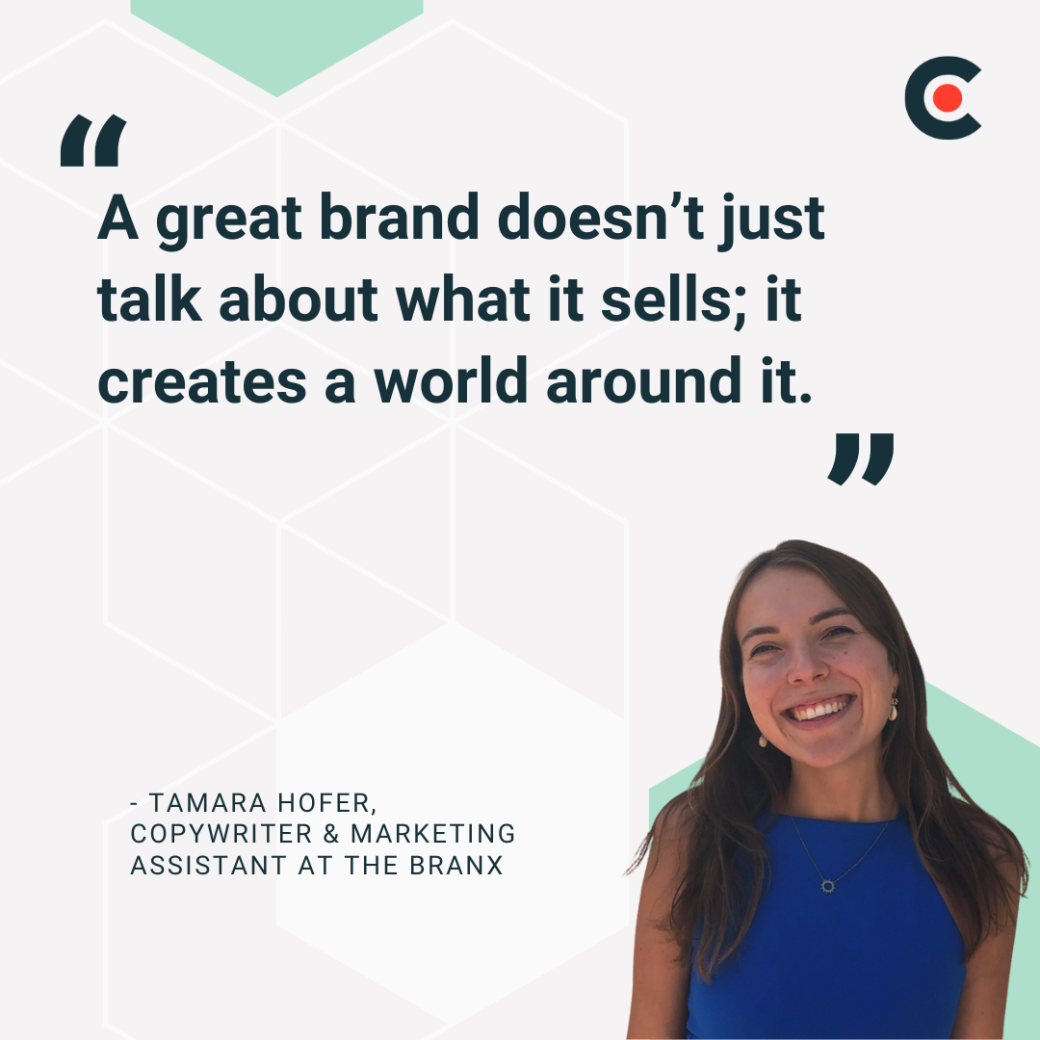
Yes — and no. Tamara Hofer, copywriter and marketing assistant at The Branx, explains, “A great brand doesn’t just talk about what it sells; it creates a world around it.”
Of course, not every attempt at branded content marketing is effective. Just look at Sony’s infamous blog fiasco.
In 2006, the company created a fake blog called “All I Want for Christmas Is a PSP,” complete with a cringe-inducing rap song. Internet sleuths quickly realized that Sony — not a teenager — was behind the blog, leading to backlash.
What separates excellent branded content from the flops? Here are a few factors:
Mastering all three elements will help you create a lasting impression long after customers stop engaging with your content. It’s also the perfect way to stand out from competitors.
Developing fabulous branding isn’t easy — if it were, every company would do it. Here are 10 companies that have perfected their storytelling:
Since 2010, WeWork has offered flexible workspaces for businesses and professionals. However, leadership changes and the rise of remote work made its original branding feel outdated. In 2023, the company decided to redefine its identity to reflect the needs of today’s employees.
The rebrand modernized WeWork’s logo and added a bold new color palette. The business also used hand-drawn illustrations and photos to show off its amenities. These changes might seem small, but they reflect its new people-first approach.
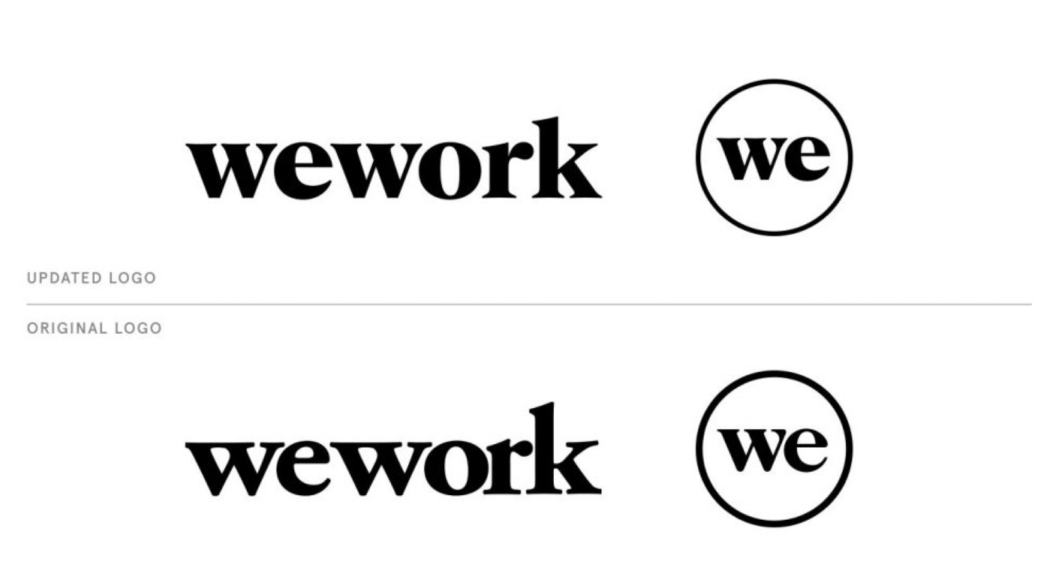
“I love it because it shows how branded content and design can answer community questions and help create a dialogue,” comments Wilkins.
You can follow in WeWork’s footsteps by using art to showcase your products and services. Pick a style that matches your vibe — maybe adorable cartoon animals or dreamy sketches. And don’t forget to show real people interacting with your brand for authenticity.
Dove has never been coy about its commitment to making a difference. It often uses cause-based marketing to spotlight social justice issues.
Take the Project #ShowUs campaign, for example. Dove collected over 10,000 photos of women and non-binary people to “offer a more inclusive vision of beauty.”
This project celebrates diversity and rejects the heavily edited images often used by other beauty companies.
The company also invites customers to submit user-generated content (UGC). Its home page shares videos of women trying Dove products and talking about their beauty routines.
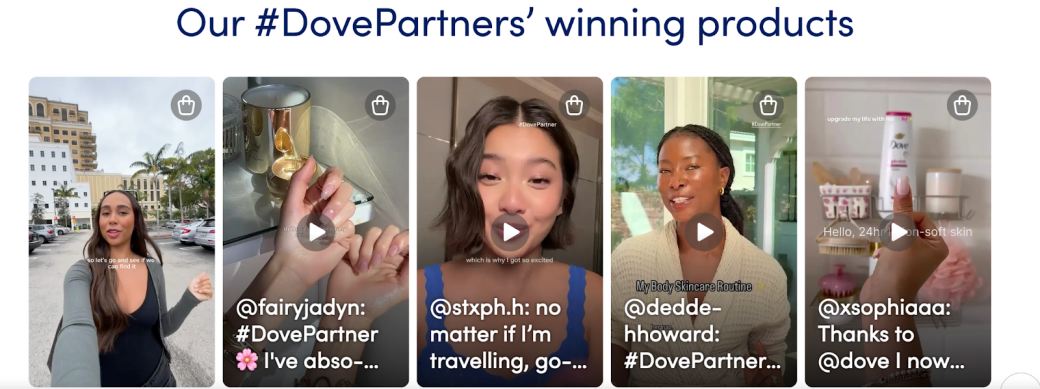
These stories reinforce its positive and relatable brand voice.
You might not have Dove’s massive budget, but that doesn’t mean you can’t model your marketing off of them. Support local nonprofits you care about and showcase the results. Just ensure you’re committed to the cause — no selfish photo ops, please. You can also encourage customers to create UGC with giveaways or fun social media contests.
While Red Bull first made a name for itself with its delicious energy drinks, it offers so much more than a jolt of caffeine and taurine.
“Red Bull’s marketing genius isn’t about selling an energy drink. It’s about selling adrenaline,” Hofer explains. “They focus on experiences over traditional ads. You might not be a taurine junkie, but you’ve probably consumed their content.”
The company supports emerging athletes and high-adrenaline sports that typically don’t get much corporate attention, such as mountain biking and bouldering. Red Bull also frequently showcases these athletes’ talents.
For example, a recent video showed kitesurfer Lasse Walker jumping over a flying plane.
Red Bull is so committed to storytelling that it launched its studio. It creates everything from documentaries to magazines. This action-filled content reinforces Red Bull’s love of adventure and adrenaline-inducing experiences.
You don’t need to film daring stunts to replicate Red Bull’s success. Just prioritize capturing experiences over pushing your products. For instance, you could create short films spotlighting some of your incredible clients.
Hinge helps single people make meaningful connections in a world of hookup apps.
It brands itself as “the dating app meant to be deleted” — a place where anyone can find their happily ever after.
This reputation didn’t happen by chance. Hinge deeply understands modern dating culture, and its honest marketing reflects that.
Its YouTube series, “It’s Funny We Met on Hinge,” spotlights real couples who met on the app and shares their heartwarming—but sometimes awkward—journeys to finding love.
Like Hinge, your business should embrace genuineness and imperfection. Customers want to hear real voices and relatable experiences, not get strong-armed into buying products.
For stunning visuals, look no further than Target. The retailer has a knack for creating inspirational content that immerses the viewer.
“Their seasonal campaigns, home decor showcases, and style guides are all excellent examples of branded content that provides value to their customers,” observes Josh Webber, CEO of Big Red Jelly.
Consider Target's 2024 fashion trend guide. It uses a simple grid format to highlight stylish models and close-ups of products.
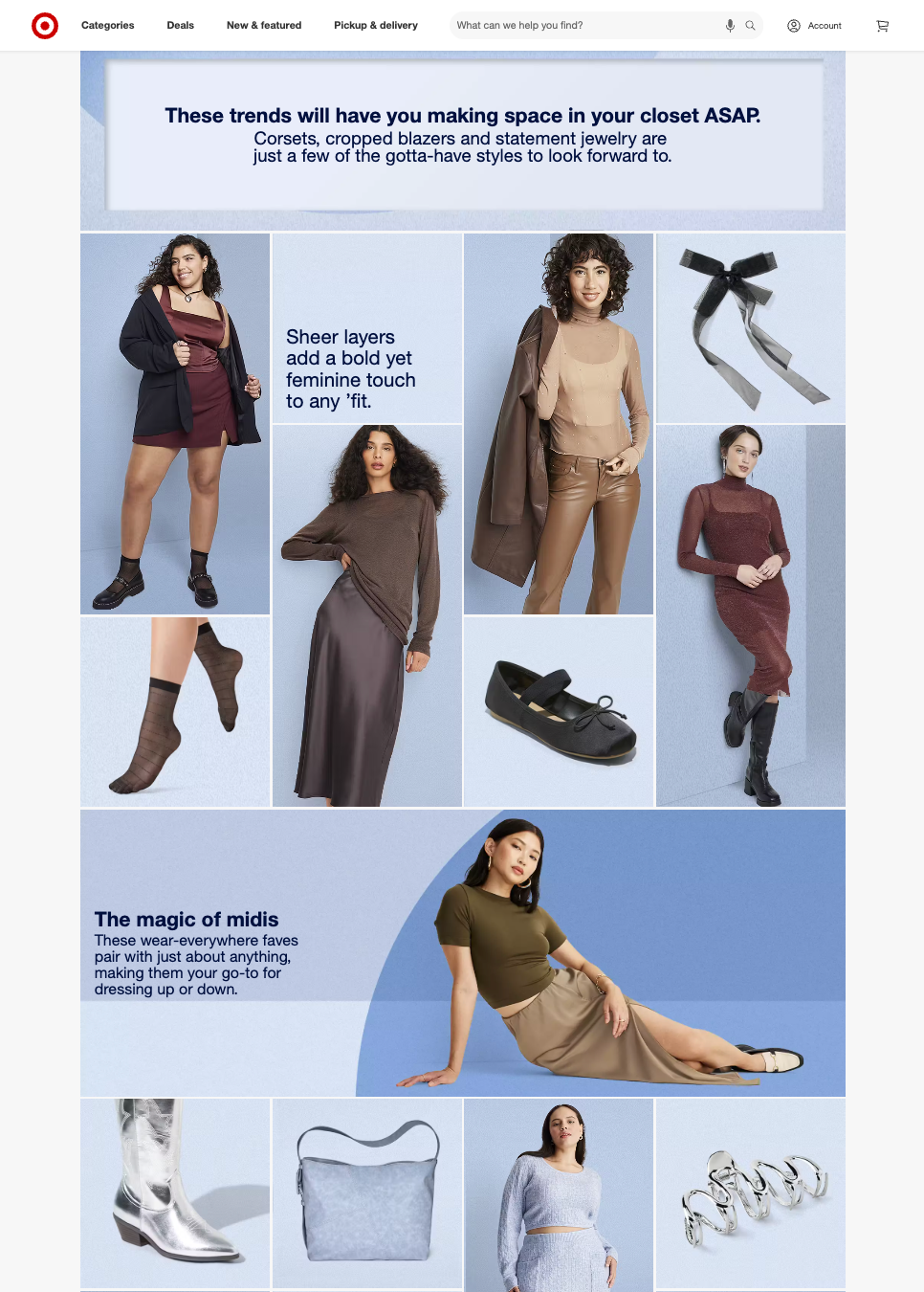
All the items pop thanks to the light blue background, which gives the page a soothing vibe. The guide also includes helpful information about spring fashion trends.
Take a cue from Target by designing attractive content that uplifts your audience. Use these materials to subtly promote your products without getting too sales-y. Note that Target doesn’t include price tags or even product names — just hyperlinks so viewers can explore on their terms.
Peacock’s brand personality is as vibrant as the animal it’s named after. The streaming service’s social media platforms are filled with fun memes and energetic trailers.
This content is part of Peacock’s customer-centric approach. Sure, the brand builds hype for new releases with trailers and posts. But it also gives viewers plenty of opportunities to keep the conversation going.
For example, a recent blog post on "Long Bright River" announces, “You’ve watched the show. Now relive the mind-blowing revelations.”
Enjoy the fun by referencing memes and viral trends in your content. If you’re out of the loop, you might want a Gen Z marketer to handle your content — someone who’s chronically online and always knows what’s in.
Sometimes, you want to see a product before buying it. GoPro hosts photo and video challenges to show off its cameras’ capabilities. Users can submit their content for a shot at winning cash prizes. GoPro also shares the winning snapshots on its social media accounts, helping customers gain new followers.
These contests have helped the company build a loyal following.
Hofer observes, “GoPro’s user-generated content strategy turns customers into brand ambassadors, fueling organic reach.”
Like GoPro, you can turn your audience into your biggest advocates. Offer incentives for UGC, and always engage when customers mention your brand on social media. These simple strategies will help you expand your reach and deepen your relationships. Plus, your brilliant customers can produce content you’d never dream up by yourself — see GoPro’s Instagram for proof.
There’s a reason why Airbnb has become a household name: it's incredibly creative advertising.
One of the company’s first successes was its Belong Anywhere campaign. These videos showed people from different backgrounds exploring destinations worldwide before ending with the slogan “#weaccept.” These simple yet moving ads underscore Airbnb’s commitment to inclusivity.
More recently, the brand has created a series of gorgeous animated films highlighting the benefits of renting an Airbnb.
For example, “Girls Trip” shows women enjoying separate rooms instead of sharing a cramped hotel bathroom.
This content helps viewers envision what their next trip could look like with Airbnb.
Take a page out of Airbnb’s book by orienting your marketing around your brand values. This could involve showing how you’re helping the environment or encouraging users to shop local. Your content should also clearly illustrate the benefits of your products and services.
Funny, playful, weird — those probably aren’t the first words that spring to mind when you think about fast food. But these traits are a core part of Taco Bell’s brand personality.
The chain appeals to youthful audiences with irreverent content that often pokes fun at corporate life.
Its Facebook account is filled with one-liners, such as “Your co-workers think your mug is filled with coffee, but it’s really Baja Blast” and “Mentally at Taco Bell, physically in a meeting that could’ve been an email.”
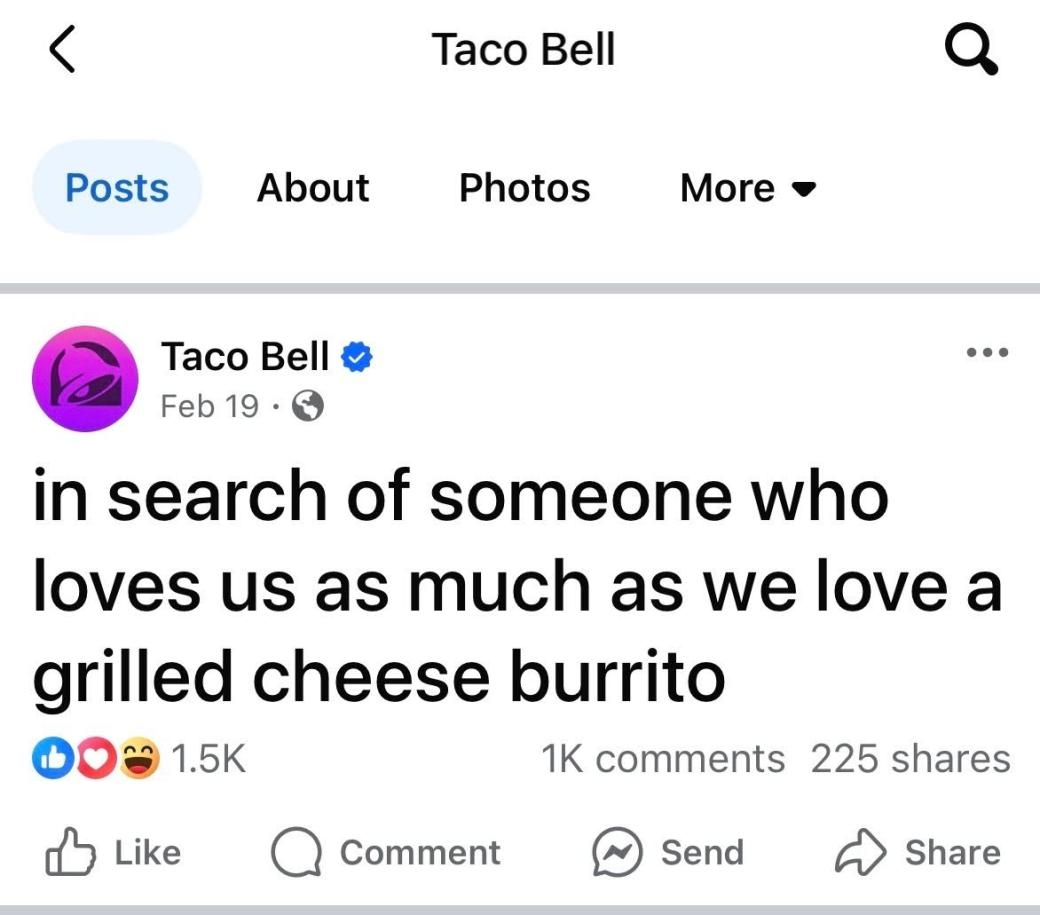
These posts appeal to young professionals who are already fed up with their 9-to-5s and eager to drown their sorrows in enchiladas.
Take inspiration from Taco Bell with funny content related to your audience’s everyday lives. Gen Z and Millennials often love quirky humor — both of the above posts have 1,800 likes each — so don’t be afraid to get weird. It’s all in good fun.
The best way to describe Liquid Death’s marketing approach is “aggressively funny.” The canned water company has shaken up the beverage industry with its dark humor.
This attitude is apparent the second you open its home page, which invites you to “MURDER YOUR THIRST” — a slogan you’d never see on Dasani’s website.
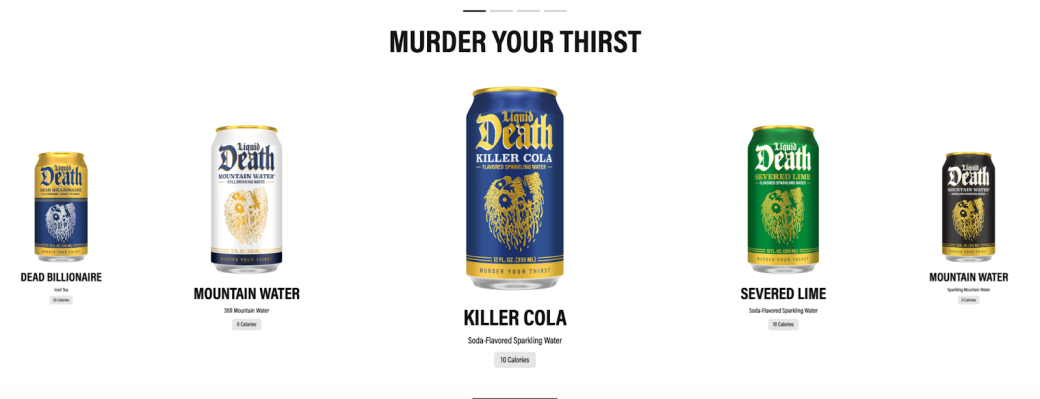
On social media, Liquid Death captivates users with its strange and incredibly shareable content.
One bizarre Instagram post shows a woman yanking out her partner’s eyeball, using his body as a boat, rescuing someone from an alligator, and then offering the reptile a can of Liquid Death.
Another post shows a man putting 6,523 rubber bands around a can and exploding it.
Webber observes, “This is a great example of knowing your target audience, and speaking directly to them in a way that is unique to the industry that the company resides in.”
Don’t be afraid to experiment with innovative and even dark content. Many customers are eager for something new, as Liquid Death’s 6 million Instagram followers demonstrate.
These 10 brands take radically different approaches, but they share a deep understanding of their audiences. Learning about your customers’ interests and sense of humor is the key to creating unique content.
Start with a few experimental social media posts and see how your audience responds. If you hit the right chords, your engagement could skyrocket. This branded content marketing will also help you build stronger and longer-lasting connections.