Have you ever noticed how some brands stand out by doing the opposite of what everyone else in their industry is doing?
Instead of adding more features, expanding their product lines, or competing on the same selling points as their competitors, some companies take a different approach. They remove expected features, simplify their offerings, or shift the focus to a completely different kind of value.
This strategy is known as reverse positioning. Rather than competing within the existing rules of an industry, reverse positioning challenges those norms and introduces a new way for customers to think about value.
When executed well, reverse positioning can help brands stand out in crowded markets, build strong brand identities, and create loyal customer bases.
In this article, we’ll explain what reverse positioning is, how the strategy works, and look at examples of brands that have successfully used it to differentiate themselves.
What Is Reverse Positioning?
Reverse positioning is a marketing strategy where a company deliberately removes or reduces common features that competitors emphasize, then introduces new benefits or experiences that redefine what customers value.
Instead of competing on the same attributes as everyone else in the market, reverse positioning challenges industry norms. By simplifying certain aspects of a product or service and focusing on different forms of value, companies can stand out and attract customers in new ways.
This approach helps brands differentiate themselves in crowded markets and create a distinct identity that competitors cannot easily replicate.
| Traditional Positioning |
Reverse Positioning |
| Competes on the same features and attributes as competitors |
Removes or reduces some industry-standard features |
| Focuses on improving existing attributes like price, speed, or convenience |
Introduces new or unexpected benefits customers did not previously expect |
| Attempts to be better than competitors on familiar factors |
Attempts to be different by changing what customers value |
| Expands or adds features to match market expectations |
Simplifies certain features while emphasizing a new value proposition |
| Differentiation happens within existing industry rules |
Differentiation comes from challenging industry norms |
4 Benefits of Reverse Positioning
There are 4 core benefits of reverse positioning as a marketing tool.
1. Build Long-Term Success
While traditional marketing methods focus on instant sales and clicks, reverse positioning is more about building brand awareness that can last for years. These strategies help people recognize and recall a business, so when they’re finally ready to make a purchase, they’re already familiar and comfortable with the brand.
This is particularly powerful for businesses with long sales cycles, such as those in the B2B or automotive industries. By focusing on how their products help customers, they stay top of mind until customers are ready to buy.
2. Cultivate Lasting Brand Loyalty
By developing the brand's image and personifying values such as trust, integrity, and honesty, companies can cultivate brand loyalty among customers. Rather than making a single purchase, customers are more likely to become repeat buyers.
On top of that, loyal customers become brand ambassadors. Through word of mouth, companies earn more recommendations, referrals, and sales over time.
This can have a huge impact on a company’s bottom line; in fact, a 5% increase in customer retention can lead to a 25% increase in profits.
Reverse positioning is particularly effective at building brand loyalty because it focuses on how the business operates as a whole. Compared to a traditional sales-oriented approach, reverse positioning relies more on company values to promote its business.
Studies have shown that consumers are 4–6 times more likely to purchase or protect products from companies with a purpose or mission. Consequently, companies can increase sales by focusing on their core values in reverse positioning campaigns.
3. Stand Out From Competitors
Reverse positioning also helps brands stand out in their industry. Reverse positioning campaigns offer an opportunity to showcase what makes their business unique. This also gives customers more power over how they engage with different brands.
4. Social Media Attention
Modern marketing is fueled by the power and potential of social media. If you can generate marketing hype about your company on platforms like Twitter and Instagram, you can enjoy a lot of success. Reverse positioning marketing is a great way to build social media buzz.
4 Examples of Reverse Positioning
To get a clearer picture of what reverse positioning is and how it works in practice, let's take a look at four examples of reverse positioning campaigns from some of the most famous and successful brands in the world.
1. Patagonia
In 2011, the outdoor clothing company Patagonia launched a successful reverse positioning campaign with eye-catching ads and messages like "Don't Buy This Jacket.”
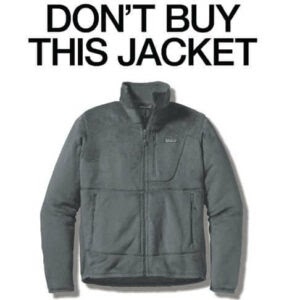
While shocking, the campaign aimed to inform customers about the environmental costs of manufacturing and to encourage them to think more critically about their consumption.
The clothing industry is responsible for 10% of human-caused greenhouse gas emissions and 20% of global wastewater, making it one of the biggest contributors to climate change.
At the time of the campaign, Patagonia’s European marketing director explained, “Our customers expect very high quality, and that’s why they always come back to us. At the same time, we help consumers change their behaviour for the better by encouraging them to make more considered purchases.”
According to a 2021 article published by the Columbia Climate School, the average consumer buys 60% more than they did in 2000 and keeps it half as long. To be more sustainable, people need to purchase high-quality materials that last, rather than buying several jackets or one jacket every year because they wear out.
The reverse positioning campaign enhanced Patagonia’s mission statement, which emphasizes the importance of protecting nature, causing no harm, and building the best product. As a result, that campaign also cemented Patagonia’s branding as a company that cares about the natural world.
2. Dove
In 2004, Dove launched their “Real Beauty" campaign. Rather than focusing on lotions or cosmetics, the campaign celebrated beauty in women of all ages, sizes, and races.

Source
Around the same time, Dove committed to featuring “real women” rather than models and portraying them without editing. In doing so, Dove aimed to inspire self-confidence and build its brand identity around caring for its customers' well-being.
In the past, beauty industry advertisements focused on how their products could help consumers meet often unattainable beauty standards. However, Dove’s campaign reflected changing ideals and the rising body positivity movement.
As a result, their brand stood out in the market and appealed to customers. More than a decade later, Dove’s campaigns continue to focus on building self-esteem. However, this strategy has become more common in the beauty industry since a 2019 study revealed that people are more likely to make a purchase after seeing a more diverse or inclusive ad.
3. In-N-Out Burger
In-N-Out Burger went in the complete opposite direction from most big fast-food chains by creating a simple, straightforward menu: no kids’ meals, no salads, and no sides except fries. In fact, it has one of the shortest menus in the fast-food industry, helping it stand out in an overcrowded market.
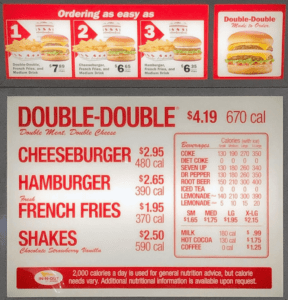
Source
By focusing on just a few items, In-N-Out Burger highlights the quality and the taste of its products.
However, they do have a “secret menu” of special ingredients that customers only learn about via word-of-mouth. This encourages customers to talk about In-N-Out Burger’s products. Because these testimonials come from friends and family, they’re more valuable and trustworthy than advertisements.
As a result, In-N-Out Burger’s customers have become advocates for the brand and often go out of their way to visit their restaurants and try new menu items.
4. Zappos
Zappos, a shoe retailer, got creative with reverse positioning in its “ImNotABox” campaign. This campaign showed how customers could transform a shoe box into something else.
As part of the campaign, they redesigned their packaging to demonstrate new ways to use their box, encouraging customers to “Explore, create, think, and share!” Some boxes included templates to build a smartphone holder, a children’s shoe organizer, a planter, and a 3D Llama.
According to Businesswire, the brand strategy and marketing manager at Zappos, Kelly Smith, explained the campaign, “The Zappos box is our way of being there for our customers, wherever they are in life, as we provide them with the things they need and love. Every box has a unique story and purpose.”
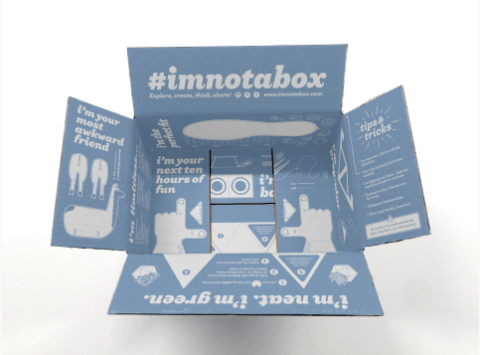
Source: Businesswire
Then Zappos released a 90-second video showing how a young boy used shoe boxes to build a shelter for a homeless man he saw every day.
The video broadened Zappos' image beyond just selling shoes, positioning it as a brand that encourages creativity and sustainability while also helping others.
According to their website, Zappos strives to be community-focused and do the right thing. This campaign highlighted their brand values and conveyed that Zappos is different from other shoe retailers.
How to Create a Reverse Positioning Marketing Strategy
- Evaluate your target audience to understand their needs, desires, and expectations.
- Align your business’s image with your ideal audience's goals and needs.
- Commit to brand values and ideas. Let them drive business decisions and marketing strategies.
- Develop a campaign that demonstrates how your company meets customer needs and distinguishes itself from competitors in your industry.
Reverse Positioning Is an Effective Marketing Strategy
Reverse positioning allows companies to eschew traditional calls to action and pushy sales messages in favor of innovative campaigns that highlight their brand values and enhance their appeal.
By focusing on how their business delivers greater value to customers, companies can cultivate customer loyalty and stand out from competitors. Over time, a reverse marketing strategy helps brands stay top-of-mind and encourages customers to seek them out when they need them.
Need Help Selecting a Digital Marketing Agency?
We’ve created a directory of digital marketing firms to help you compare and connect with the right companies. Use client review ratings, services offered, and client focus to create a shortlist of digital marketing firms. If you want personalized recommendations, share your project details with us.