Lead Quality vs. Lead Quantity: Why B2B Teams Are Rethinking Their Funnel in 2026
Bigger buying committees and tighter budgets are forcing B2B teams to rethink lead quality vs. quantity. Here's how top teams rebalance the tradeoff in 2026.
Updated April 23, 2026

There’s considerable hype around digital assets, and being an NFT owner is part of it.
NFTs, or non-fungible tokens, are assets backed by blockchain technology that certify ownership, which can’t be overwritten unless sold or traded.
Revenue in the global NFT market is expected to reach $504.3 million USD in 2025, but growth has cooled. According to recent projections, the space is set to contract slightly by 2026, with an anticipated CAGR of –5%. Still, engagement remains strong, with over 11.6 million global users expected by next year and the U.S. leading the market at $87.5 million USD in estimated revenue.
Looking for a Digital Marketing agency?
Compare our list of top Digital Marketing companies near you
Generally, NFT projects take the form of digital artwork, entertainment, or exclusive access to coveted content.
You can buy your own NFT by engaging with NFT marketplaces like Opensea and purchasing an asset using cryptocurrencies like Bitcoin or Ethereum.
NFT creators, investors, and NFT influencers aspire to profit from assets they acquire and play a role in the growth of emerging technologies.
The NFT community is fiercely passionate about web3, fintech, the metaverse, and the world of NFTs, so it’s smart for entrepreneurs to consider involving themselves in the NFT space. However, given the freshness and dynamism of the space, a run-of-the-mill social media marketing campaign may not work on its own.
To attract attention with your NFT campaign, you will have to think outside the box. Take note of how top NFT marketing initiatives have made waves in the community, so you can apply your learnings to your own efforts.
NFTs — or non-fungible tokens — are digital items that prove ownership using blockchain technology. “Non-fungible” means the item is one-of-a-kind and can’t be swapped for something identical, unlike cash or crypto, which are interchangeable.
Each NFT is stored on a blockchain, which is a decentralized, public ledger that records who owns what and prevents duplication or tampering.
Each one is unique, which makes them different from cryptocurrencies like Bitcoin or Ethereum that can be swapped one for one. When someone buys an NFT, what they’re really getting is a digital proof of ownership, often tied to an image, video, audio file, or a specific perk like event access or a limited-edition product.
In marketing, NFTs open up new ways to connect with fans and customers. Brands use them to build loyalty, offer perks like early access or limited-edition rewards, or simply create something memorable. NFTs can also generate revenue, either through the initial sale or through resale royalties if the token changes hands again. This kind of approach works especially well in fashion, music, and gaming — spaces where people value originality, status, and a good story.
To better understand the potential of NFTs, here are five examples of businesses and artists who’ve successfully leveraged the space.
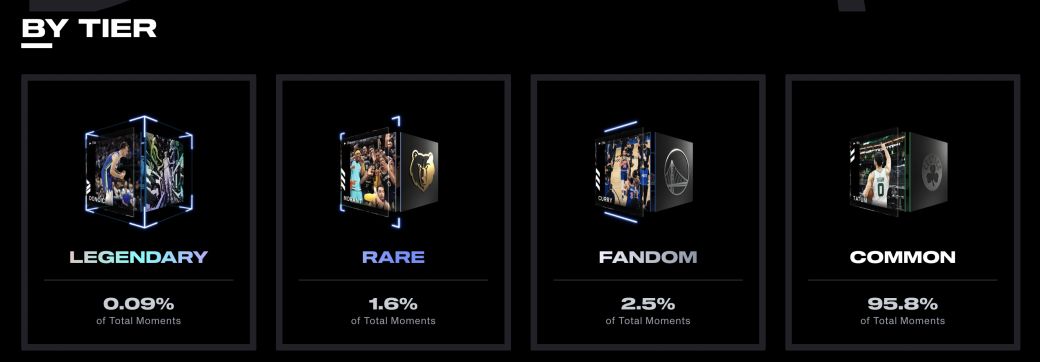
The NBA took NFTs a step further than most brands or individuals doing NFT drops by creating its own licensed NFT platform. Called NBA Top Shot, the platform facilitates the buying, selling, and trading of licensed NBA highlights. These collectibles are digital NFTs.
The marketing effort turned iconic moments in NBA history into NFTs, which created a sense of exclusivity around ownership of the clips. Investors can acquire and trade basketball moments by rarity, player, year, and more.
Source: NBA Top Shot
The NBA was able to leverage the existing popularity of basketball and the devoted fandoms dedicated to the sport in its Top Shot marketing effort. These NFTs appealed to collectors and typical sports fans without knowledge of web3.
The platform's association with a well-established and respected sports league helped build trust and credibility. But that credibility was furthered by an easy-to-understand, accessible model reminiscent of trading baseball cards.
Companies looking to get into NFT marketing should know their audiences and offer unique and exclusive digital collectibles to build a sense of urgency and demand among fans.
Since NFTs grew in popularity, people have also used them to market music and events, providing exclusive experiences through digital tokens.
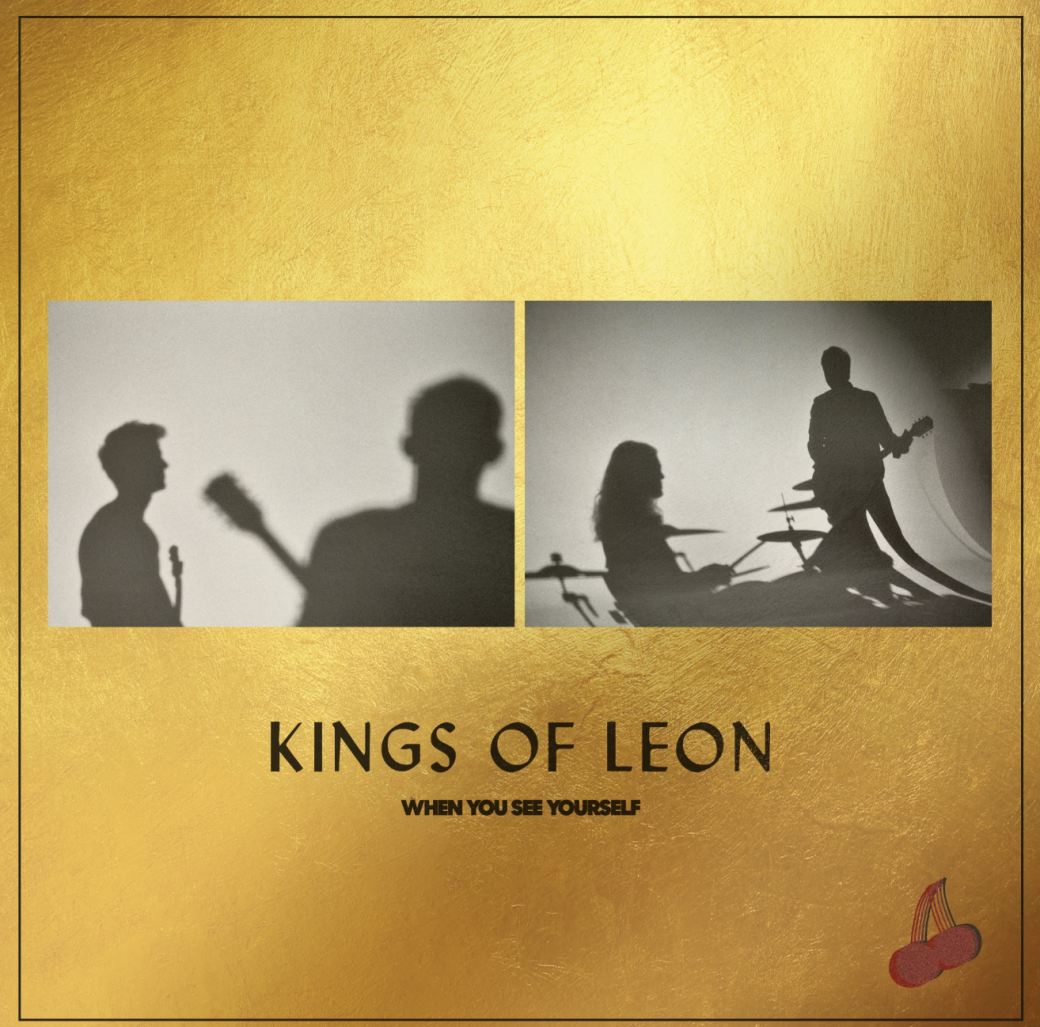
For instance, Kings of Leon released their "When You See Yourself" album as an NFT. The NFT offering also offered fans the option to buy exclusive versions of the album specific to the NFTs. These versions had extras like limited-edition artwork and concert tickets.
Source: Opensea
The effort began to make people rethink the ways people could use NFTs. Kings of Leon was the first band to release an album as an NFT, and it paid off. The album generated $2 million in its first week of release, during the COVID pandemic when people weren’t spending a lot on extras.
NFT albums paved the way for new approaches to artist-to-fan interaction. Fans could now support bands while receiving unique rewards unavailable to just anyone.
Companies looking to emulate the success of this effort should consider offering exclusive content or experiences through NFTs to incentivize customer participation and engagement.
Especially in the digital art world, it can be nearly impossible to stand out and create brand awareness for oneself. NFTs really changed the status quo, centering artists early on for their ability to create tradeable NFT collections that stored value.
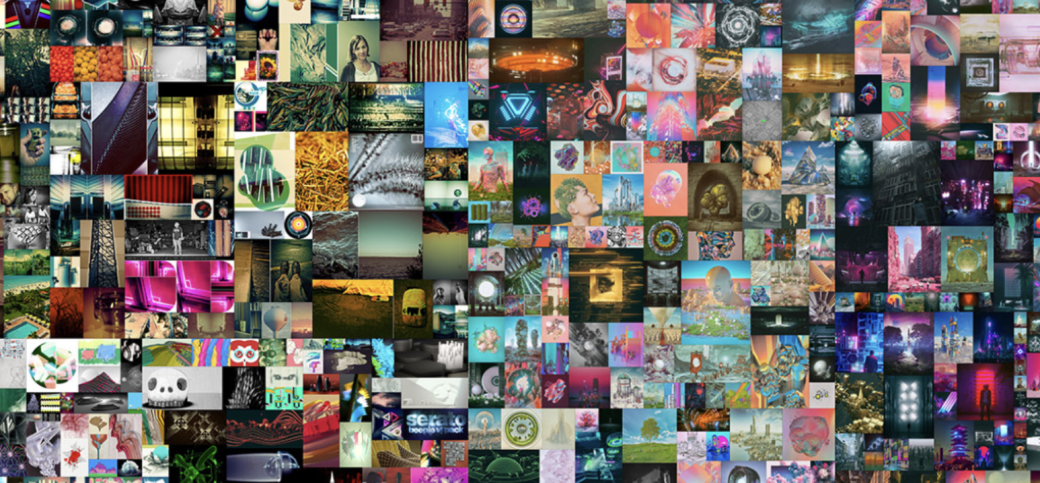
One example of an artist touted for creating some of the best NFT digital artwork is Mike Winkelmann, who goes by Beeple. This artist sold a collection of his artwork titled "Everydays: The First 5000 Days" as an NFT for a record-breaking price at auction.
Source: Play to Earn
The final price was 42,329.453 Eth, which was worth over $69 million when sold. However, in July 2025, it would be worth around $126.7 million if sold for the same amount as Ethereum.
It’s true that Beeple was already an established digital artist before his breakout sale. But Everydays: The First 5000 Days — a collage of 5,000 daily works made over 13 years — sparked a wave of attention that helped put NFTs on the map. The piece sold for over $69 million in 2021, marking a high point in the NFT art boom.
Since then, Beeple has continued to innovate with pieces like Human One and, more recently, a generative sculpture unveiled in 2025 called The Tree of Knowledge. While he remains one of the few artists to maintain relevance in the space, the overall art NFT market has sharply declined. Trading volume dropped from $2.9 billion in 2021 to just $23.8 million by early 2025, and many casual collectors have exited the space.
That said, art NFTs aren’t gone, they’ve just become more niche. For companies considering NFTs as a brand tool, the lesson is clear: mass appeal is no longer guaranteed. Campaigns need to offer real value, whether that’s access, ongoing perks, or a strong story that connects with the right audience.
Axie Infinity is a blockchain-based game where players can collect, breed, and battle creatures called Axies. Players can earn and trade NFTs within the game, so the gaming experience contains an NFT platform of its own.
Gaming is a huge industry, and gaming enthusiasts also tend to be on the cutting edge of new technologies. The interest in crypto and jumping into the metaverse already existed, and Axie Infinity took an opportunity to cater to its target audience.
The game succeeded due to this existing interest and how Axie Infinity gamified the experience of owning NFTs, making it more appealing to a wider audience.
The game uses a play-to-earn model to get players involved in earning their own NFT characters and learning more about blockchain without getting too technical.
P2E helped Axie Infinity take off in the early days, but the team has since sharpened its focus on sustainability. In 2025, they’re keeping players engaged with recurring competitive seasons — Origins Season 13 offers a 90,000 AXS prize pool and an Elite 8 postseason bracket, while Classic Season 10 features over 36,000 AXS in rewards through ranked matches, guild events, and daily minis. Behind the scenes, the game’s economy has been rebalanced via staking programs and a stability fund to reduce inflation pressure. While P2E’s long-term future is still debated, Axie shows that regular content, competitive play, and balanced tokenomics help keep an NFT-gamified experience meaningful. For brands experimenting with gamification, remember that people need reasons to stay, not just to join.
Companies should remember within their marketing efforts that gamification makes for more enjoyable experiences. Users are more incentivized to try new things and learn about tech when the experience is fun and entertaining.
Further, play-to-earn can be of service to brands fearing that complicated blockchain processes could hurt acquisition, engagement, and retention. By treating crypto activity as milestones (ex., wallet setup, first asset trade, etc.), brands can keep users engaged without burdening them with technical jargon.
While most fashion brands stepped back from NFTs after the initial hype wore off, Louis Vuitton kept going, but at its own pace. Its Via program launched in 2023 with a $45,623 digital “Treasure Trunk,” a non-transferable NFT that unlocked access to future product drops. In 2024, the brand followed up with a limited-edition varsity jacket priced at $9,242, available only to trunk holders. Just 200 were produced, each paired with a digital twin: a matching NFT that mirrors the physical item for use in virtual spaces or ownership tracking.
Instead of trying to reach a broad audience, Louis Vuitton designed Via for a small group of loyal, high-spending customers. NFT ownership gives them access to a private platform for exclusive product drops and community perks. That includes experiments like a branded mini-game hosted on Discord.
Via isn’t focused on visibility – it’s built around long-term value for existing customers. For brands exploring NFTs in 2025, the takeaway is this: meaningful adoption isn’t about viral reach. It’s about offering something useful and lasting, connected to the product and the customer.
Behind each of these success stories is a strong marketing foundation. Let’s explore the key strategies driving results in the current NFT landscape. Marketing an NFT isn’t just about minting (the process of creating and publishing a digital token on the blockchain) and sharing a link. It’s about joining communities, adding value, and building trust. Here are seven down-to-earth tactics that are working now:
Jumping into a space where your brand is unknown? Team up. Find creators, moderators, or collectors who have credibility on platforms like Discord, X, or Telegram. A well-regarded collaborator basically lends you trust by association — something that counts in a skeptical space.
NFT conversations happen mostly in Discord, Telegram, and X threads. Make a simple, well-organized chat or join an existing one. Even dropping in early, like announcing a preview or “Ask Me Anything” (AMA), can make a difference.
Limited editions still drive hype. Whether you’re minting 10 items or 10,000, anyone interested cares about how rare it feels. A capped release or short sales window is one of the easiest ways to spark urgency.
You don't have to build a full Play-to-Earn game, but adding simple mechanics — like referral bonuses, tiered unlocks, or member levels — gives people extra reasons to stay engaged after purchase.
Not everyone buying NFTs lives on-chain 24/7. A newsletter, a quick blog post, or an X thread explaining the drop can capture newcomers and drive traffic to the mint page.
NFTs that work best are about more than art or utility — they carry meaning. Whether it’s the inspiration behind the project, the team’s vision, or what the asset represents, weave that into your messaging so people feel like they’re part of something.
Top NFT projects keep giving. Think about access to events, future drops, real-world perks, or evolving artwork. Buyers remember what sticks! And perks that matter help keep them around.
NFT marketing that really works in connecting with target audiences isn’t about stellar content marketing, SEO, or email marketing alone. The most important things in your marketing toolkit are strategies that create exclusivity, leverage brand equity, or offer unique experiences or rewards to customers.
Companies looking to replicate this success should consider how NFTs can add value to their products or services, foster community engagement, and tap into the growing interest in digital collectibles. Considering partnerships with companies already tapped into NFTs may be beneficial early on.
Additionally, connecting with an agency of experts with the know-how and marketing tools you need to ensure success may be advantageous.
Looking ahead, NFT marketing is likely to intersect more with emerging tech – especially AI-driven personalization and smart contracts that offer dynamic rewards. As the space matures, expect to see fewer gimmicks and more focus on lasting brand experiences tied to identity, access, or ownership.
Work with an NFT marketing company on Clutch to execute ideal NFT marketing campaigns.