
How Brands Can Combat and Report Scams
Brand impersonation scams are more convincing than ever. Here’s how to protect your customers’ money and business reputation from long-term damage.
Updated January 3, 2025

Good collaboration is easier said than done. Daily communication, project management, work-life balance, technology, and creating a culture of trust will turn an average marketing team into a great one.
Managing and executing marketing strategies can be like running a sports team. There can be good individual players, but everyone needs to work together to outperform the competition.
Effective communication between team members is essential. However, with so many channels – from SEO to PPC, CRO, analytics, social, and more – collaborating effectively is easier said than done.
Looking for a Digital Marketing agency?
Compare our list of top Digital Marketing companies near you
Here are 5 practical strategies your digital marketing team can implement to improve collaboration with one another.
With so many moving parts in the marketing mix, it’s vital that communication happens on a daily and weekly basis. That’s where Scrum comes in.
Scrum is a project management system that is popular among software developers. While Scrum was originally designed for programmers, its principles and strategies can be applied to almost any team.
Scrum is an easy way to organize and streamline tasks in a specific period of time. To truly understand how it works, we need to know its different roles and stages. There are 4 essential building blocks in any given Scrum system:
No matter how you implement Scrum, the most important thing is to have daily communication and collaboration. This ensures that any roadblocks or issues your marketing team faces will be addressed in a timely and productive manner.
There are many ways to organize a Scrum sprint, but most companies use a project management tool like Trello (there is a simple free version of this that you can demo) or Jira. The software you are using should optimize your creative workflow, so choose carefully.
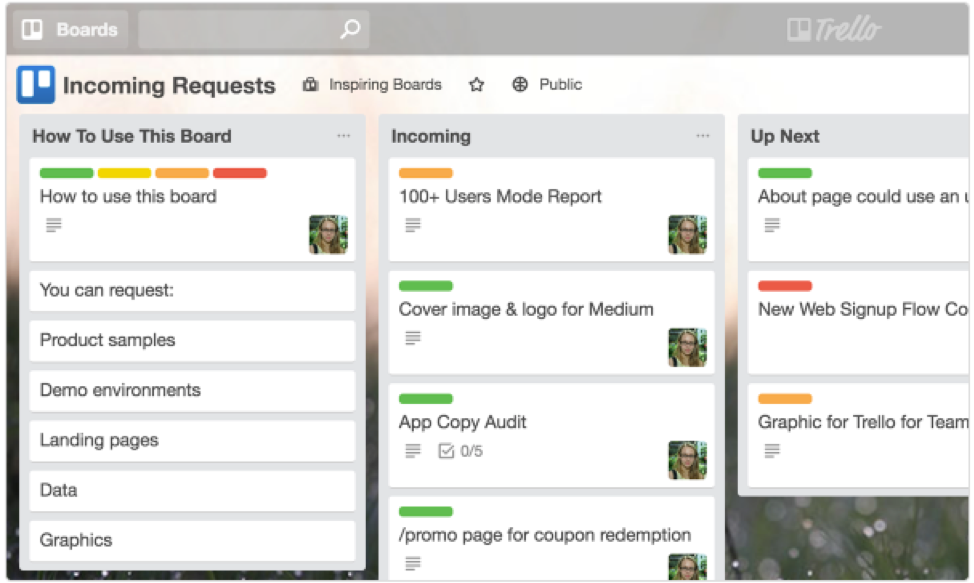
If you’re old school or you work for a lean start-up company, you can simply use a whiteboard with sticky notes. However, that takes a lot of time and it discourages speedy and efficient collaboration.
Using a project management system allows for team members to communicate, organize and complete tasks at the click of a button.
Even if you don’t implement Scrum at your organization, taking advantage of project management software is a bulletproof way to improve collaboration amongst marketing team members.
Just like an Olympic or professional sprinter, marketing “sprinters” need to rest and recharge after a long, intense, and mentally draining sprint. A surefire way to put a damper on collaboration is to try to force a team to work together when they’re maxed out at work themselves.
Make sure your team is taking advantage of their vacation time and truly unplugging. Even the highest level executives of Fortune 500 companies emphasize the need to recharge by stepping away from work to relax, regroup, and renew their energy.
Additionally, studies show that employees perform better when they use their vacation time. According to CNBC, “workers who took 11 or more vacation days were more likely to have received a raise or a bonus in the previous three years than workers who took 10 or fewer days." The same article also reports that utilizing vacation time lowers stress, improves mental health, and decreases the chance of having a heart attack.
According to Kathleen Potempa, a professor at the University of Michigan School of Nursing, “Vacations are important because they not only replenish the mind, they also reduce the physical effects of stress on the body.”
Make sure to reward your employees for all of the hard work they are putting into your marketing efforts. It will probably pay off for both of you in the end.
Trust between management and employees is paramount for effective collaboration. If there’s no trust, toxic behaviors tend to follow.
Paul J. Zak, a professor of economics and management at Claremont Graduate University, wrote an article for Harvard Business Review entitled “The Neuroscience of Trust.”
In it, Zak discusses 8 behaviors that promote trust in the workplace. These behaviors are:
These principles may seem straightforward, but in reality, they require work to implement. Scrum can facilitate these behaviors, but it’s up to management and the rest of the team to practice open, honest, and wholesome communications.
Slack is a software service that is built for collaboration. It’s a digital space where employees can have access to different channels that are organized around ongoing topics of conversation. It's one of many innovative software solutions streamlining creative workflows.
Slack is becoming more common because of its user-friendly interface, which allows easy communication. In fact, Slack cuts internal business email use in half.
But, it’s important to make sure your team is using Slack to its full potential. Integrating your Google Drive, calendar, and hangouts will help streamline your communications through Slack. Hundreds of other applications offer Slack integrations, so check out this complete list of software applications.
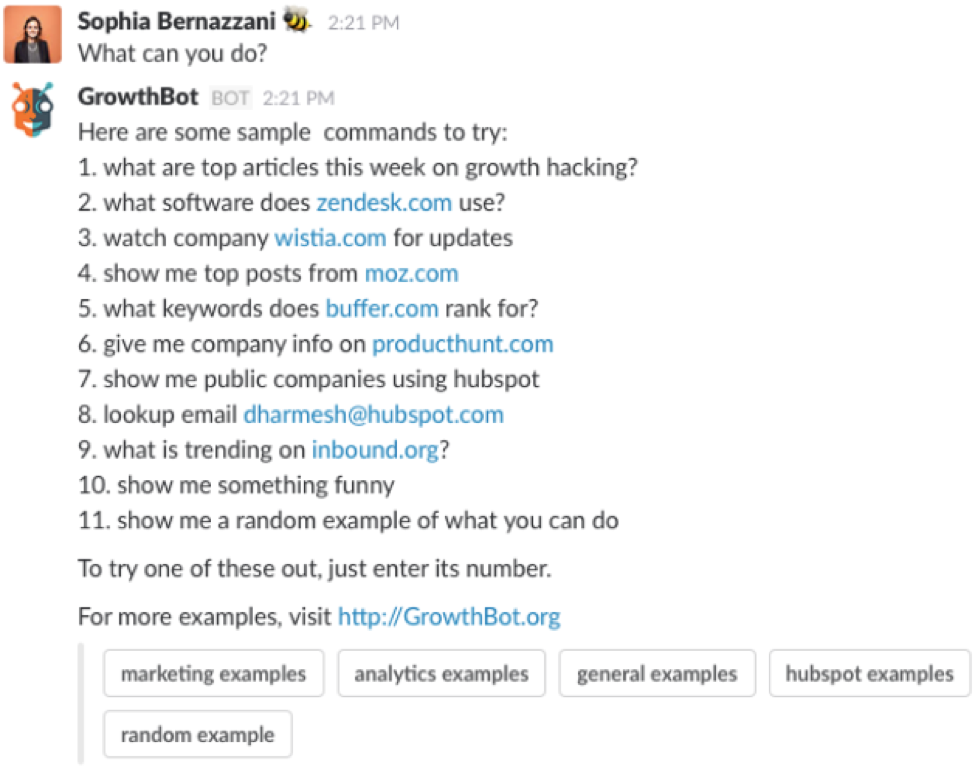
Source: HubSpot
You can even set up different bots within Slack to automate your workflow. The possibilities with Slack are endless.
Knowing the ins and outs can make all the difference in your personal and teamwork workflow.
A current venture capitalist, Reid Hoffman, once said, “No matter how brilliant your mind or strategy, if you're playing a solo game, you'll always lose out to a team.” It’s important that your team is acting, well, like a team.
While Scrum, rest, trust, and slack are amazing tools—it’s ultimately up to individual team members to cultivate a culture of collaboration.
It will require work, but the rewards can be tremendous.

Hilary is a freelance journalist, small business owner, and mother of two. She loves to write about everything from business to parenting, sleep disorders, tech, and stress. Coffee is her friend. You can follow her on Twitter @TypewriterHil.
Hilary is a freelance journalist, small business owner, and mother of two. She loves to write about everything from business to parenting, sleep disorders, tech, and stress. Coffee is her friend. You can follow her on Twitter @TypewriterHil.
See full profile