
How to Choose a 3PL: 5 Mistakes E-Commerce Brands Make
Learn how to choose a 3PL that fits your channel mix, avoids hidden costs, and scales with your brand. Real selection criteria, and top providers compared.
Updated April 24, 2026

One of the biggest mistakes businesses make is neglecting the importance of operational efficiency. At its core, operational efficiency can improve precision, profitability, and productivity — it’s crucial to long-term sustainable success. Don’t commit that error and keep reading this piece to know the best practices to drive operational efficiency.
Operational efficiency refers to an organization or team's ability to maximize its production while minimizing costs and other resources. It is considered one of the most crucial metrics in business, as it determines how effectively they utilize their resources.
At its core, operational efficiency provides a foundation of success — the more efficient your business is, the more competitive, sustainable, and cost-effective the company is.
Looking for a BPO agency?
Compare our list of top BPO companies near you
Operational efficiency remains essential for organizational growth, but new data shows its success increasingly depends on strong cross-team collaboration.
With 36% of marketers citing collaboration as the most important factor in marketing budget planning, businesses must align marketing, operations, finance, and product teams to optimize both processes and resource allocation.
This updated perspective reframes operational efficiency as a shared, strategic effort that drives smarter budgeting, reduced waste, and better business outcomes.
Improving operational efficiency should begin as early as possible. It’s not just for bigger enterprises with more resources; in fact, its great operational efficiency can help position startups and small businesses for better growth.
Essentially, every business or organization must strive to improve its operational efficiency as it can help unlock different benefits such as:
Driving operational efficiency can be an intimidating challenge, but it’s every business’s responsibility to do so. Also, neglecting it can lead to serious headaches — or worse, a disaster.
Achieving operational excellence is a dynamic process that requires consistency, commitment, and constant improvement. If you don’t know where to start, continue reading this piece to learn more about the best practices that can help drive operational efficiency in 2024.
Partner with a top-notch operations consulting firm on Clutch. Their guide and expertise can give you the confidence needed to get the results you’re looking for.
Here are key metrics for operational efficiency:
These metrics help organizations evaluate performance, reduce waste, optimize workflows, and improve outcomes.
The first step to driving operational efficiency is taking a moment to evaluate your team using different key metrics and methods. Assessments will not only give you a better understanding of your team, they will also allow you to make wiser business decisions.
The most common factors considered by business leaders and business owners when evaluating their teams are:
Identifying the strengths and weaknesses of each team member will help distribute work more effectively to better cover gaps and areas needing improvement. This initial step will serve as the cornerstone of your strategy to drive operational excellence effectively.
Effective resource management is also a critical element of improving operational efficiency. Beyond evaluating individual performance, leaders must understand how time, skills, tools, and budgets are currently being allocated.
Assessing resource distribution helps reveal underutilized talent, overloaded roles, and inefficiencies in how work moves across the organization. When teams have the right resources at the right time, productivity increases, bottlenecks shrink, and your organization becomes far more agile.
Artificial intelligence (AI) has significantly changed the current business landscape, despite initial pushback from some groups and professionals.
Technology is fundamental for growth, and among the latest innovations is the rise of AI. While the reason for the hesitation is comprehensible, it’s important to keep an open mind as AI can bring a plethora of benefits to any organization.

Source: Techopedia
Nowadays, countless commercially available and accessible AI-powered applications can enhance performance and productivity. These tools can easily automate repetitive tasks, give detailed business insights, predict trends, and even assist with mundane work.
Around 65% of businesses have embraced AI tools for their operations citing its productivity, and 80% of executives believe the same about AI. The figures are widely projected to steadily grow as more innovation comes, proving that AI is here to stay.
Beyond AI’s analytical capabilities, automation has become a critical driver of operational efficiency across modern organizations. Automated systems can streamline workflows by handling routine processes such as data entry, reporting, customer follow-ups, and more, allowing employees to focus on more strategic, high-value work.
When paired with AI, automation becomes even more powerful, enabling businesses to create end-to-end intelligent workflows that operate with minimal human interaction. As companies continue to adopt automation tools, they are discovering that the combination of AI and automated processes can significantly enhance scalability, agility, and overall performance.
The best tools for operational efficiency are:
Additional Reading: The 20 Best AI Productivity Tools for Every Team
Lowering supply chain costs without sacrificing the quality of raw materials, labor, or service is essential to improving operational efficiency.
The first direct impact of effective supply chain management is better financial performance and profitability. Increased profit margins are essential when planning to expand, grow, and drive strategic shifts.
Additionally, better profit margins and reduced supply chain costs give businesses greater leverage, allowing them to allocate resources without worrying about limitations. Because they have more room, they can also pivot when unforeseen supply chain challenges arise and respond to the ever-shifting business landscape.
Reviewing business processes is important to the overall success, productivity, and sustainability of companies. Having a clear understanding of the processes will give you a better view of areas needing improvement and allow you to identify unseen opportunities.
Operational efficiency requires maximizing time and resources. By reviewing all business processes, it’ll be easier to identify inefficiencies, bottlenecks, and common causes of disruptions. The information gained from the assessment can be used to streamline operations, identify the most suitable automation tools, and reallocate responsibilities as needed.
Additionally, reviewing processes also helps improve flexibility and adaptability. The business world is dynamic, and no one should be complacent with the processes they applied years ago.
Routinely reviewing processes can reduce manual effort and unwanted errors. However, there’s no need to worry about reviewing them on a monthly basis. The best cadence will ultimately depend on the nature of the work done, but it’s highly recommended to hold the reviews every quarter or every other half of the year.
Focusing on process improvement is a natural extension of reviewing business workflows and is essential for achieving operational efficiency. Continuous process improvement not only enhances productivity but also strengthens quality, reduces costs, and improves customer satisfaction.
By embedding a culture of process improvement, organizations can adapt more quickly to evolving business needs while maintaining high levels of operational performance.
Today’s business world is complex and ever-evolving, requiring endless learning and adaptation.
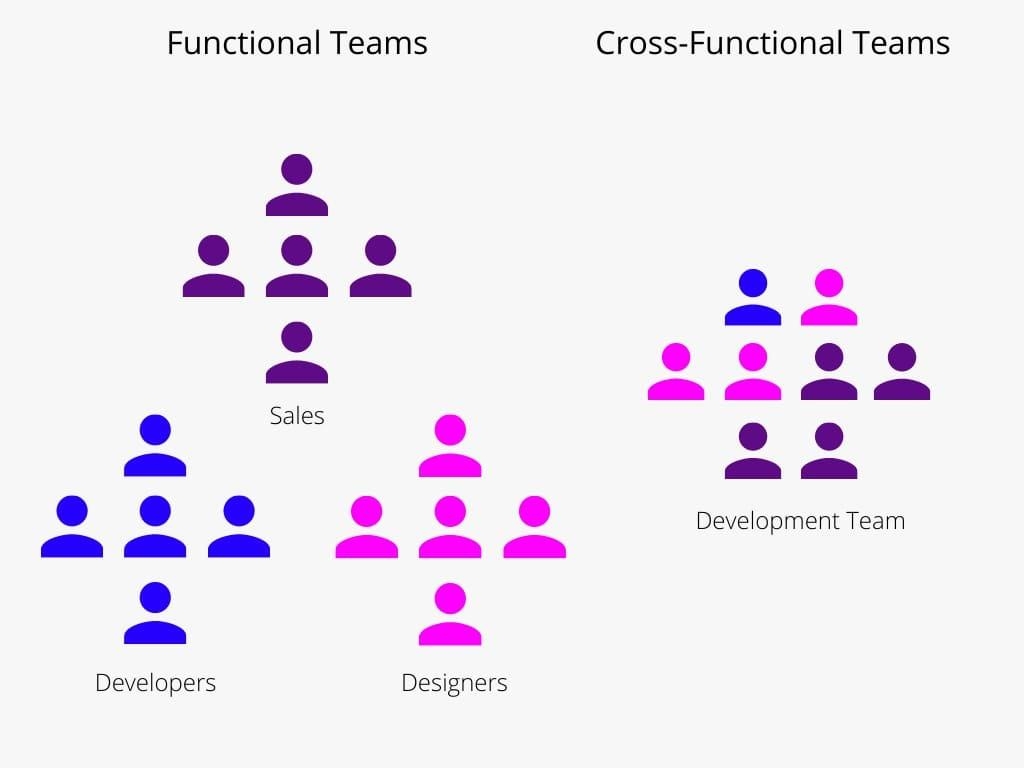
Now more than ever, the word “collaboration” comes up when leaders and stakeholders discuss opportunities. In fact, it’s often associated with project success and establishing company culture. While it may seem overused, cross-team collaboration is indeed essential to achieving synergy and improved operational efficiency, as our data suggests.
Cross-team collaboration is imperative to companies that want to thrive and benefit from interconnected work.
Source: Chisel Labs
Businesses can reap a ton of benefits from cross-functional collaboration including:
Cross-team collaboration also supports efficient resource allocation. An organized system between two or more teams prevents duplication of work and facilitates the sharing of tools and best practices. Additionally, it enables teams to develop or refine their processes for improved operational efficiency.
To put it simply, cross-team collaboration can create a healthy company culture that encourages learning, building relationships, and sharing skills. Be wary, though, it needs a deep understanding of individual teams and meticulous strategizing to work successfully.
Last but not least, planning ahead to drive operational efficiency allows any organization to form a proactive approach for sustained success.
Consider it as market research and planning but for internal use. This last step involves setting clear objectives, conducting thorough team evaluation, outlining key performance indicators (KPIs), and investing in employee development — essentially, all the key steps mentioned above.
The planning phase is as meticulous as the prior steps mentioned above. It involves investing in different tools, organizing real-time business data, and planning for the future.
Planning ahead for the long term is as crucial as focusing on the present operational efficiency. Rather than thinking about how to best maximize business initiatives for the coming quarter, think about your organization’s 5- and 10-year goals. By keeping them in mind, you can create a roadmap for how to get there — one that aligns future investments, expands your team, and sets target milestones.
Operational efficiency isn’t just a fancy term for overspending and being unproductive. Businesses that want to reach their goals one day need to focus on them as early as possible.
Ultimately, driving operational efficiency requires proactiveness and a deep understanding of your business. It’s not as simple as investing in new technologies and tools, as it's a multifaceted concept that balances human capital, streamlined processes, and strategic project management.
To achieve optimal operational efficiency, organizations shouldn’t prioritize one aspect alone. It may be easier said than done, but it’s not impossible.
Work with the leading operations consulting firms on Clutch to accomplish the best results for your business.