
Your Brand Strategy Problem Probably Isn't a Messaging Problem
AI made brand execution cheap, but not brand strategy. Here's why agencies must shift from logos to diagnosing the gap between what companies say and do.
Updated March 25, 2026

Great branding strategies can attract loyal customers, grow brand awareness, increase brand recognition, and even increase sales. Learn more about how these globally-recognized companies built their identity with these branding examples.
A brand is the identity, values, and experiences that shape how people perceive a business. Branding is the process of creating that unique, and distinctive identity. Strong branding builds trust, loyalty, and recognition that directly impact sales and growth.
This article will look at six branding examples from some of the world’s most well-known companies and how they build brand identity, define market position, and help drive long-term success. Then, see how to use these lessons to strengthen your strategy and choose the right partners to refine your brand and move your business forward.
Looking for a Public Relations agency?
Compare our list of top Public Relations companies near you
A successful brand isn’t built on one element alone. It’s the sum of consistent touchpoints that create recognition, trust, and loyalty. These key components form the foundation of a strong brand and should work together to present a unified identity.
Brand name and tagline are often the first things people encounter. A strong name is memorable, relevant, and easy to say, while a tagline communicates your value or promise in just a few words. Together, they set the tone for everything that follows.
Visual identity includes your logo, color palette, and typography. These design elements create a recognizable look and feel that distinguishes your brand from competitors. Consistency across platforms builds familiarity, which strengthens trust and recall.
Every interaction with your business shapes how customers perceive your brand. From purchase to support, a positive and consistent experience reinforces your values and turns customers into advocates. Poor experiences, on the other hand, can undermine even the best design work.
Voice and messaging defines how your brand “sounds” when communicating with your audience. Whether formal, friendly, or authoritative, the tone of your brand voice should reflect your values and resonate with your target market. Clear, consistent messaging ensures your brand story is understood and remembered.
Companies don’t become household names overnight, or by accident. That’s the power of branding. Let’s look at 6 great branding examples and how these brands stand out from the pack.
Apple products are instantly recognizable thanks to the iconic Macintosh Apple logo — but that’s not the only thing that makes their products stand out.
Apple is particularly well-known for their product branding — the process of creating a unique identity for products or lines of products that sets them apart from others in the market.
All of Apple’s products are recognizable because of their minimalist design. Apple's sleek look has become synonymous with the brand. This design aesthetic sets them apart from competitors and reinforces their commitment to simplicity and elegance.
This design aesthetic carries through to the user experience. Apple creates a “seamless UX” through its “walled-garden ecosystem” of integrated hardware, software, and services to create a cohesive user journey across multiple devices. Users can expect the same “Apple experience,” regardless of which Apple device they may be using—Apple watch, iPhone, or Macbook.
By consistently delivering innovative and well-designed products, Apple has created a unique and aspirational brand image that resonates with its target audience. The results? Apple is the world's most valuable brand, according to Brand Finance, with 80% brand recognition among global consumers and 93% of smartphone owners.
The Coca-Cola company has stayed popular since 1892 thanks to their tasty soft drinks, but also because of their strong branding.
While their logo, typography, and bottle designs are instantly recognizable around the world, they’ve reached their iconic status for many other brand assets and clear messaging.
Rather than focusing just on their products, Coca-Cola has created a clear brand message focused on happiness and togetherness. After all, their slogan is, “Open Happiness.”
For instance, consider this ad from their “Share a Coke“ campaign.
While this ad showcased their product, it was more about evoking an emotional connection. They printed common names on many of their plastic bottles so people would feel compelled to share them. The video shows customers picking out drinks to share with their friends to make viewers feel joyful and united, which supports their brand messaging.
The “Share a Coke“ campaign increased engagement with Coca-Cola’s social media platforms, generating over 500,000 #ShareACoke posts and adding 25 million new brand followers on Facebook alone. It also sold a lot of Coke—in Australia, where the campaign started before going global, young adult consumption increased by 7%, making 2011 the company’s most successful summer. After expanding the campaign to the United States, Coca-Cola saw a 2% increase in U.S. sales.
Nike has established a strong brand identity centered around athleticism, performance, and empowerment. Their logo, the iconic Nike Swoosh — representing speed and movement — is so noteworthy, that their ads and products don’t even need to include their brand name.
Yet the reason why the brand is so popular is because they’ve become synonymous with determination and athletic success. They’ve done this through high-profile endorsements and partnerships with top athletes like Michael Jordan, Serena Williams, and Cristiano Ronaldo.
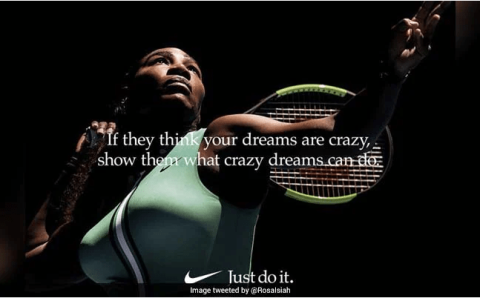
Nike's brand messaging is encapsulated in their popular tagline, "Just Do It." The slogan encourages individuals to overcome obstacles, pursue their goals, and push themselves beyond their limits. The phrase represents a mindset of perseverance and a refusal to let fear or self-doubt hold one back, showing that Nike aims to empower individuals to believe in themselves, embrace their potential, and embark on their own personal journeys of achievement and success.
Nike’s blend of empowering messaging and star-studded athleticism continues to evolve, with their recent "You Can't Stop Us" campaign generating $8.95M in media impact value. Still, “Just Do It” continues to be the Nike identity and the campaign that exploded sales, from $877 million to $9.2 billion within a decade of launch, making the brand and slogan a cultural icon.
Airbnb revolutionized the travel industry by enabling people around the world to host guests in their homes, providing people with unique (and affordable) stays, experiences, and adventures.
Airbnb built their brand around the concept of belonging and fostering a sense of community. They aim to make people feel like they can "belong anywhere" and create a world where anyone can find a sense of home wherever they travel.
They lean heavily on storytelling in much of their collateral. In their advertising and marketing efforts, they do this by emphasizing connections and sharing experiences among hosts and guests from diverse backgrounds. This approach helps build an emotional connection with their audience.
For instance, in this ad they showed pictures of guests staying at a location in Montana.
The video shows pictures of them playing in the snow while the song "What a Diff'rence a Day Made" plays. Then the video shows the Airbnb app and the filters used to book the location.
The ad is emotional because it makes people think about their friends and family — they could play in the snow in Montana too! More importantly, it shows Airbnb’s app and how users could make this snowy Montana vacation a reality for themselves too.
That ad campaign had a positive impact on both potential hosts and guests. Airbnb reported a 20% increase in host sign-ups and an uptick in bookings after the campaign launched. Airbnb’s revenue grew from $914 million in 2015 (the year following the campaign) to reach $5.99 billion by 2022.
McDonald’s is one of the most prolific fast-food restaurants in the world. In fact, their global branding strategy is a big part of the reason for their success. From the logo to the restaurant design, menu items, and packaging, they have created a unified brand experience that customers can expect wherever they go.
Whether you’re in Rome, Cape Town, or New York City, McDonald’s golden arches are instantly identifiable.
However, it’s important to note that they do appeal to local customers by modifying their menu. For instance, McDonalds in India don’t serve beef or pork to follow Hindu and Muslim beliefs and local customs. Instead, they serve items like the Chicken Maharaja Mac and the spicy paneer wrap.
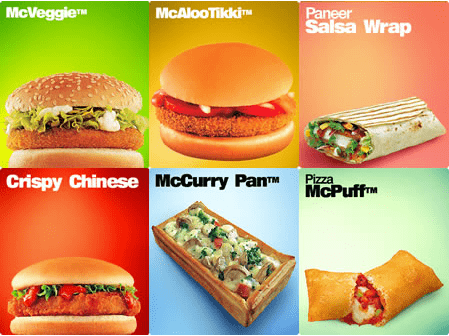
Still, when consumers see a McDonald’s, they can trust that they can find quick and affordable meals regardless of where they are in the world.
Also, McDonald's has continually evolved and adapted to changing consumer preferences and market trends. They have introduced healthier menu options, embraced technology advancements, and explored sustainable practices, demonstrating their commitment to staying relevant.
The dynamic aspect of their brand is a huge part of their brand positioning. They appeal to all types of consumers — for instance, both families looking for a place to grab lunch together, and a businessperson trying to grab something quick at the airport knows they can find something they want to eat at McDonald’s.
Starbucks has created a consistent and recognizable brand image through its logo, store design, and product packaging. The green siren logo is instantly identifiable, and the cozy and inviting atmosphere of their stores helps create a unique brand experience. However, what really makes Starbucks’ brand stand out is the company’s dedication to the customer experience and product innovation.
Many people start their day with a Starbucks coffee. That’s because they’re consistent and regularly deliver a quality drink. Customers can trust that they will be happy with what they order because they get the same thing every time.
Starbucks has gone above and beyond to improve the customer experience too with their app. The Starbucks app is a “must have” for many customers because it’s easy to navigate and use. In just a few clicks, a user can order their favorite drink for pick up at the Starbucks nearest them.
Starbuck’s coffeehouse locations are an important part of both the customer experience and the brand’s identity as a “third place” where guests are welcomed to work, linger, “sit and sip.” However, both the Starbucks app facilitating pick-up orders and the COVID-19 altered the coffeehouse identity and design. Starbucks recently announced it’s investing in “makeovers” at 1,000 locations to bring back that welcoming coffeehouse vibe and reaffirm Starbucks’ status as a “third place” for customers to hang out.
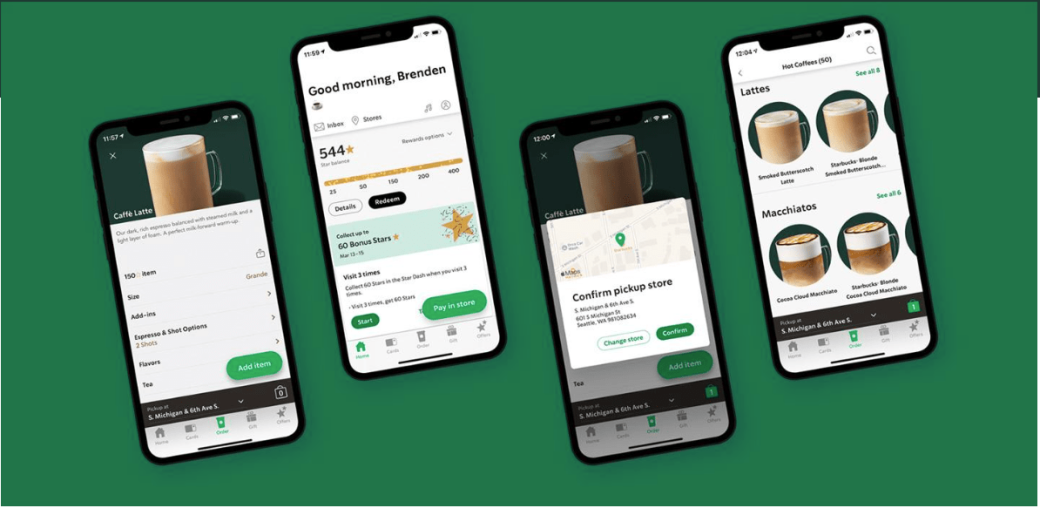
They also encourage users to order from the app by creating a personalized and engaging customer experience. For instance, the app makes it easy for customers to use their loyalty rewards because it’s tracked and used all in the app. As a result, it has become the most regularly used loyalty rewards app, with over 32 million active U.S. users and Rewards members accounting for 57% of Starbucks’ U.S. revenue.
Users also love the app because they can save their favorite drinks and pinpoint their closest cafe, making it super easy to use.
All of this plays into their brand promise: customers come first.
| Brand | Name & Tagline | Logo | Color Palette | Typography | Experience |
| Apple | “Think Different” (historic) | Iconic bitten apple | Minimalist black, white, silver | Clean, sans-serif (SF Pro) | Sleek, intuitive, innovative product ecosystem |
| Coca-Cola | “Open Happiness” | Classic script wordmark | Red and white | Spencerian script | Emotional connection, joy, sharing moments |
| Nike | “Just Do It” | Swoosh | Black and white, with bold accents | Bold sans-serif (Futura-inspired) | Empowering, athletic, aspirational |
| Airbnb | “Belong Anywhere” | Bélo symbol + wordmark | Coral, white, dark gray | Circular, approachable sans-serif | Inclusive, community-driven, storytelling-focused |
| McDonald’s | “I’m Lovin’ It” | Golden arches | Red and yellow | Rounded sans-serif | Consistent global service with local menu variations |
| Starbucks | no tagline | Siren | Green, white, black | Custom sans-serif (Freight-inspired) | Consistent, cozy, premium café experience |
Building a brand is about making smart, measurable choices that shape how the market sees you. These actionable steps can help create a strong brand foundation while leveraging Clutch’s tools for credibility and growth.
Clarify your mission, values, and target audience. A clear identity guides every branding decision, from messaging to design. Use Clutch’s categories and service focus filters to benchmark how competitors position themselves and identify where your firm can stand out.
Develop a visual identity and brand voice that reinforce your positioning across multiple channels, including website, proposals, and social platforms. Verified client reviews on Clutch add another layer of consistency by showing that your promises align with client experiences.
Trust is earned through results and reviews provide that, doubling as marketing assets and helping prospects see proof of your expertise. Actively collect and display verified reviews on Clutch to demonstrate credibility and differentiate your firm in a crowded market.
Track key metrics like awareness, conversions, and review sentiment to understand how your brand is performing. Clutch’s ranking and comparison tools allow you to monitor where your firm stands against competitors, giving you insights to refine your strategy.
Branding is a crucial aspect of any business. Being strategic with your branding means being data-driven in your design, messaging, and customer experience to shape market perception. Monitoring key metrics like awareness, conversions, and engagement allows you to adjust branding decisions quickly and precisely, ensuring brand identity continues to align with business goals and audience expectations.
Verified customer reviews play a critical role in this process. They offer direct insights into how your brand is experienced in the real world, highlighting strengths to reinforce and gaps to address.
By using performance data and verified reviews as a feedback loop, you can continuously refine the brand, build stronger trust, and position your company for long-term growth.
Need help with your branding? Search our top branding companies.
A brand is the identity, values, and perception people have of your business. Branding is the strategic process of shaping that perception through design, messaging, and customer experience. For example, a consulting firm’s brand identity might be “trusted and data-driven,” while its branding tactics (e.g., thought leadership content, polished visuals) reinforce that positioning.
A rebrand is worth considering when the branding no longer reflects the company’s direction, resonates with its target audience, or performs well in the market. Signals include declining engagement, stagnant sales, or customer feedback that shows confusion about company identity, messaging, and/or product offerings. Regularly reviewing brand performance and market trends helps identify when a rebrand could reset perception and strengthen competitive positioning.
Key branding metrics include awareness lift (how many people recognize your company), conversion rate (whether branding drives leads and sales), and review sentiment (customer perceptions expressed publicly). Tracking these indicators shows whether your brand is building recognition, influencing buyer decisions, and sustaining a positive reputation.
Customer reviews provide real-world proof of branding success or failure, indicating what customers really think of you (brand reputation) and whether or not the company is living up to its promises. Verified, positive reviews build credibility and trust, while negative reviews highlight areas for improvement. For B2B buyers, peer feedback carries weight. Strong reviews can position your company as reliable and customer-focused, reinforcing overall brand identity.