
How to Use Claude Code if You're Not a Developer
Learn how to use Claude Code to build your own AI agents without a coding background, including setup, first steps, and safety tips backed by Clutch data.
Updated July 22, 2026

CEOs around the world face considerable pressure to make AI work.
CEOs around the world face considerable pressure to make AI work.
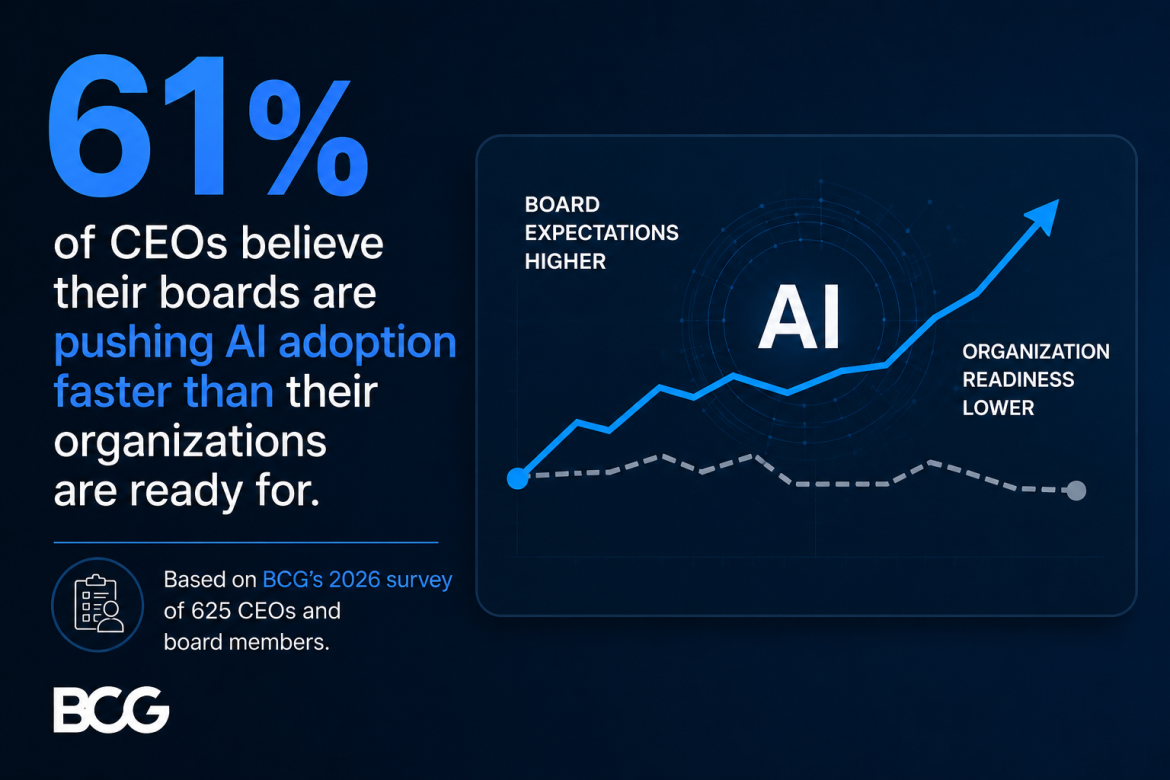
Boards expect companies to adopt AI and show measurable business results. According to the Global AI Confessions Report, 72% of US CEOs say their boards are actively pushing for clear returns from AI investments.
Looking for a Artificial Intelligence agency?
Compare our list of top Artificial Intelligence companies near you
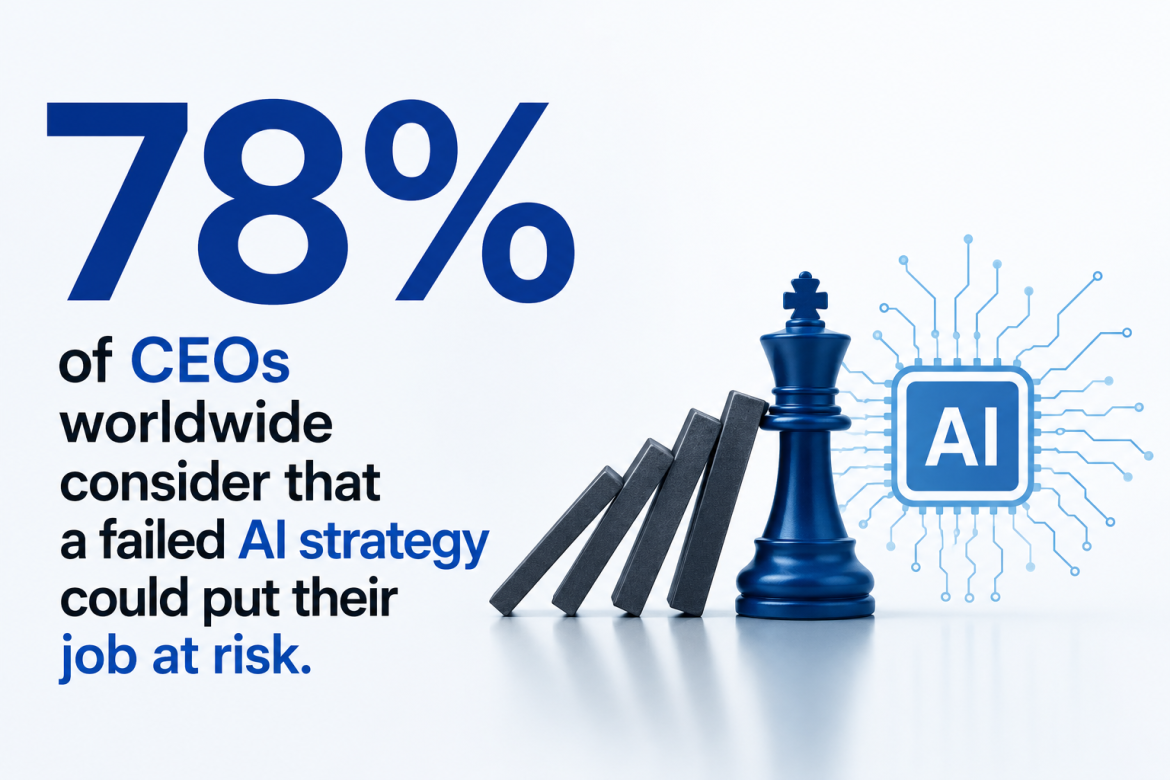
With this level of pressure, it's easy to rush into AI projects just to say the company has an AI strategy. However, having considerable experience in AI development, at Empat, we can see that's often the wrong approach.
AI should be treated like any other major business investment. Leaders need to understand the problem they're trying to solve and the value they expect to create before committing time and budget to AI development.
This guide explains how to evaluate AI opportunities before investing. In this article, we’ll explain how to decide whether to build an AI solution, buy an existing one, or work with a development partner.
Before launching your AI strategy, it's important to understand the risks you may face.
The problem doesn’t address the negative effects of AI. The issue is that many companies invest in AI without a clear business case, the right data, or a workflow for measuring success.
That’s why you may find this data beneficial:
Even though these studies are from different organizations, they all outline the same market pattern. Most AI projects fail because companies don't define success upfront, lack the right data, or lose executive focus once the initial excitement fades.
When CEOs decide whether to build a new factory or expand into a new market, they don't do so just because their competitors do. They analyze the potential ROI and risks. You should evaluate the artificial intelligence launch in the same way.
We recommend asking these three questions before approving any AI investment:
These questions will also help you provide clear and meaningful answers for the boards when their pressure continues to grow.
When it comes to the choice of the AI business model, most CEOs are considering the same list of options:
There’s no universal AI strategy that would fit all enterprises. The right choice depends on the problems and challenges that a business faces, as well as available capabilities.
For many organizations, the best approach is to start step by step. Internal automation can provide small but rather fast results. At the same time, those early successes often provide the confidence and data needed to justify larger AI investments.
If AI is central to your product or you want it to become a competitive advantage for your business, buying off-the-shelf tools will probably not be enough. In those cases, integrating existing AI models or building a custom solution can create greater long-term value. However, you also need to understand that the initial investment is higher.
Once you've decided that an AI investment is worth making, the next question is how to launch it in your organization. There are three main options that you should consider.
Buying an AI solution is definitely the fastest way to get started. The technology is already built, which means you can begin using it sooner and rely on the vendor for updates and maintenance.
However, usually the subscription price is only part of the cost.
Integrating a new AI tool with your existing systems, databases, and internal applications can significantly increase the overall investment. From our experience, integration work often costs 150–200% of the software's purchase price.
Vendor dependency is another issue to consider. Many organizations are concerned about vendor lock-in. Companies without an exit strategy may face switching costs many times higher than expected.
Such an AI strategy also requires ongoing maintenance, even after deployment. You need to monitor models, update, and retrain them as business data changes. As a result, it causes additional expenditures.
Building a custom AI solution gives your business the highest level of control.
You own the technology, the data, and the intellectual property. If AI is a core part of your business or the primary competitive advantage, this can be the right long-term investment.
However, the major concerns deal with time and cost.
Developing an enterprise AI solution typically requires an investment of up to $1.5 million. It definitely poses considerable financial risks for businesses. At the same time, the break-even point usually takes more than two years to reach.
For many companies that are trying to launch AI, partnering with an experienced AI development team is the best and most balanced option.
On one hand, you gain access to specialized expertise and can launch rather fast. On the other hand, you create a solution that meets your business needs instead of adapting your processes to fit a generic product.
The biggest risk isn't that the technology becomes dependent on the partner.
If the external team builds the solution but your employees never learn how it works, your company may struggle to maintain or expand it after the project ends.
That's why knowledge transfer should be part of every engagement. A good AI partner helps your internal team operate the solution and improve it over time.
AI can create huge business value, but only when you treat it as an investment rather than an experiment.
Every AI initiative should have a clear business objective, a realistic financial case, and measurable success criteria. Leaders also should choose the right approach based on the strategic value AI will create for their business.