
The Real Cost of Your MVP in 2027
AI made code cheap, but not software that holds up. See how MVP cost drivers have shifted and why human validation and taste are now what you’re really...
Updated April 23, 2026

Web development plays a crucial role in the success of modern businesses. It allows companies to create profitable websites and online services that offer a seamless user experience. Checking out the latest web development statistics for 2025 can provide valuable insights into the industry's future trends.
A thriving online presence is a necessary operational component for businesses of all sizes and across industries.
According to surveys, about 71% of all businesses had websites in 2021, and 98% of small businesses had them in 2023. This means the competition for consumer attention is considerable in the digital space, making it challenging to establish your brand as a major player.
Looking for a Software Development agency?
Compare our list of top Software Development companies near you
There’s also the difficulty of pleasing the complicated, ever-shifting algorithms that search engines use to match websites to user queries. Once you factor in the technical expertise required to build and maintain sites and the marketing savvy needed to capture the fleeting interest of consumers, the odds quickly start to seem stacked against you.
Fortunately, the top web development stats for 2025 offer valuable clues to where you should focus your energies. View our list of the top eight stats in the web development industry to kickstart your efforts in 2025:
One of the most obvious web development predictions for 2025 is that online users will increase. Consumers have more options for spending their time and money online. It means more competition for businesses that rely on internet traffic for growth and profitability.
So, what's the key to edging out the competition and boosting organic traffic? A solid web development strategy. Web development is crucial for increasing online visibility because it ensures that your site is:
Consumers prefer easy-to-use, aesthetically appealing websites, and search engine optimization (SEO) boosts your site's ranking on results pages. Both are crucial for online success.
Around 98% of consumers search the internet at least once a week for businesses that provide the necessary products and services. For consumers unfamiliar with your brand, your website is where they form their first impression, and it continues to shape consumer perception with every visit. The best way to make a good impression is to make your website user-friendly.
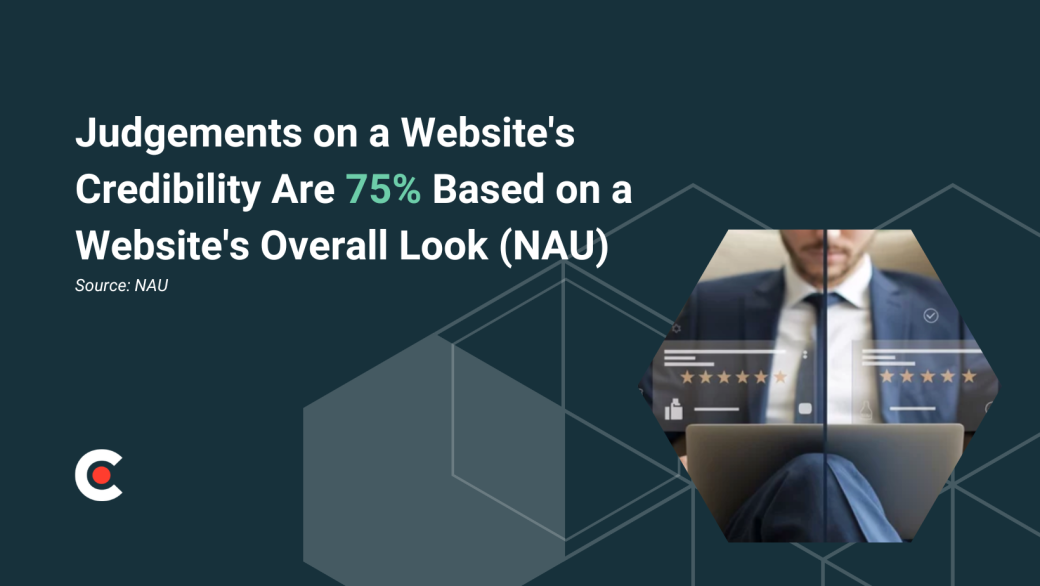
User-friendly websites instill confidence in your customers that your company is reliable, credible, and professional. The hallmarks of a user-friendly site include:
Ensure your team keeps users in mind when building your new website.
Fast-loading websites are an important aspect of user-friendly web design. For consumers, using a website isn’t worth it if they can find an alternate option before the landing page finishes loading. If your load time is longer than three seconds, you risk losing more than half of your audience.
Every second counts when it comes to your site’s loading time. According to one study, conversion rates decrease by as much as 4.42% per each second it takes for a page to load.
Many factors can influence page speed, such as large images with high resolutions, too many elements with external scripts, the number of redirects, and more. Working with a web developer can help ensure your website is designed for optimal page speed.
If you're building a business website for the first time or considering redesigning your current site, be sure to consider the platform you use to host it. With more than 488 million websites built on the platform, WordPress could be the way to go.
WordPress is a popular option for businesses because of the following reasons:
Consider which web system works best for your business model and audience.
More and more consumers are browsing the internet on their smartphones and tablets instead of their personal computers or laptops. The reasons for that are simple: Your smartphone is almost always close at hand, and you can take it with you pretty much anywhere you go.

Additionally, modern cell phones are nothing like their 20th-century predecessors. Almost anything you do online, from browsing and banking to shopping and using social media, can be done on your cellphone.
The combination of accessibility, portability, and capability makes mobile devices an incredibly convenient way to use the Internet. With so much traffic originating on mobile, it's imperative that business sites are optimized for mobile browsing.
Smartphones' convenient access to the Internet has influenced the e-commerce industry. Consumers now have a virtually unlimited catalog of goods and services at their fingertips and aren't afraid to use them.
The benefits of allowing consumers to access your website on their mobile devices include:
In 2024, 2.7 billion people were online shoppers. That number is only expected to grow in 2025, so it is incumbent upon businesses of all types to make their products available to e-commerce shoppers via mobile-friendly websites.
Today's internet users understand the privacy risks of going online, especially when their activities involve personal information like credit card and bank account numbers and other sensitive data. Consumers encounter privacy policies almost every day, yet the majority don't feel that their personal data is under their control. Instead, they believe that companies control their data and are responsible for protecting it.
Businesses in the U.S. are required by law to safeguard their customers' personal information against misuse of information that can substantially impact a person's life. How you handle customer data also impacts:
Privacy might not be top of mind for businesses looking to increase their sales, but sales will rise if consumers feel they can trust businesses with their information.
Consumers are increasingly likely to discover your business online with a Google search. As such, where your site ranks on search result pages is an important success factor. Landing within the top five results is ideal, as those are the links users are most likely to click on. However, getting on the first page is imperative because most consumers don't browse subsequent pages.
The logic behind search engine results page (SERPs) rankings remains a mystery to many businesses. And given the ever-changing algorithms that influence where your website ranks, it essentially is a mystery. The good news? When you have a solid SEO strategy powering your website, you don't have to know exactly how the algorithm works.
Here are some tips for optimizing your website for search engines:
These strategies, coupled with a user- and mobile-friendly design, can improve your SERP ranking and help you attract new customers.
In 2025, web development will only become more important to businesses. It will exert greater control over various business functions, from marketing and lead generation to sales, customer service, and more. Going into 2025, be sure to keep these key takeaways in mind:
Whether you're looking for web developers to help redesign your website or build one from scratch, Clutch can simplify your search and connect you with the right web development partner for your business.