
Why Searching for a Specialized Dev Agency Takes Longer Than It Should — And What to Do About It
Looking for a niche software development agency? Learn how to define your requirements, find specialized providers, and vet their experience.
Updated December 5, 2024

Apple’s new VR headset is making waves in the tech community for the future of what appeared to be dwindling interest in the metaverse and digitally immersive experiences. The cost of the new headset and existing VR hardware may have kept companies from leaning into VR software development in the past. Still, services are available to fit every budget, and interest in the field is only growing.
Apple's new VR headset is a huge milestone in our evolving digital landscape. The first new Apple product in a decade, the Vision Pro signals a shift in the company's focus and investment in Web3 tools.
As a tech giant, Apple's entry into the VR market brings immense credibility in validating the potential of VR/AR technologies in shaping our future digital experiences.
Looking for a Software Development agency?
Compare our list of top Software Development companies near you
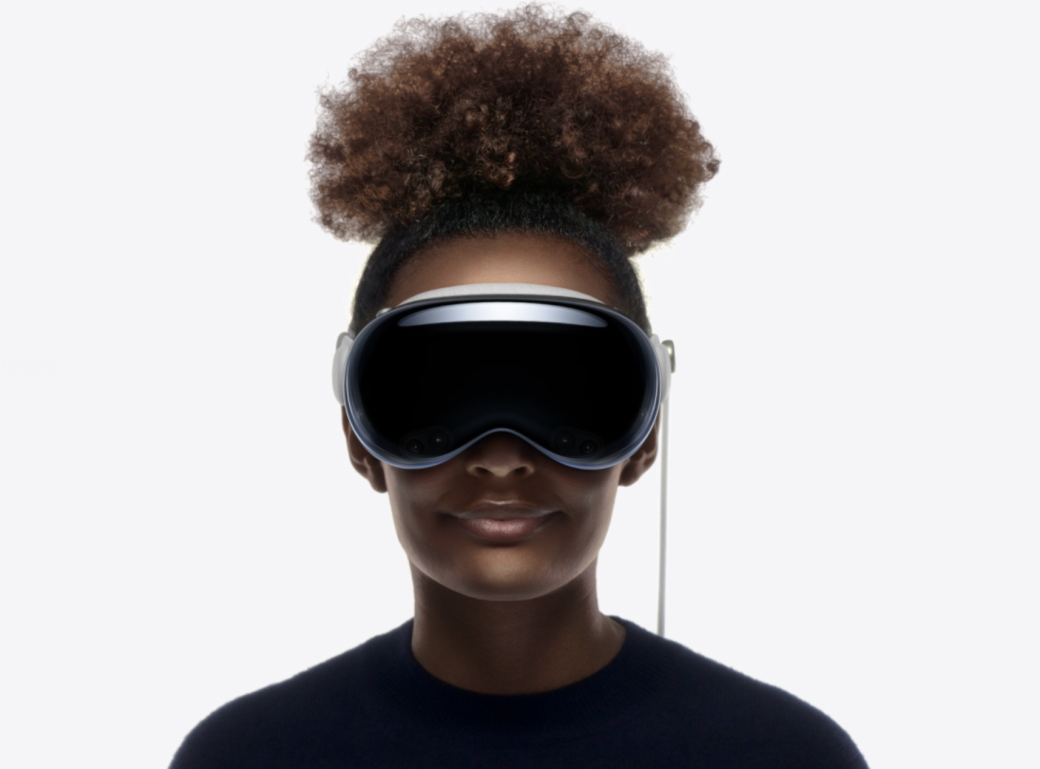
Source: Apple Vision Pro
The emergence of Web3 and the increasing adoption of AI set the stage for a technological revolution transforming how we approach the digital world. With ChatGPT demonstrating the practical applications of AI in our daily lives, interest in new tech is spreading rapidly.
That said, VR still feels expensive. The new headset comes in at a hefty $3,499, making it inaccessible to the average US household. Historically, hardware pricetags and uncertainty have kept small businesses from adoption. After all, if an average buyer can’t afford the headset, how will they access the VR software program you offer?
The cost of high-quality VR/AR products is a misconception and creates a perceived high barrier to entry. VR/AR products don’t have to be grand and complicated — they just need to excite potential buyers. Smaller players can leverage VR/AR tools affordably if they consider the needs of their audience and think a little outside the box.
AR/VR development projects generally cost between $10,000–$49,999 on Clutch, but many projects are done with much less.
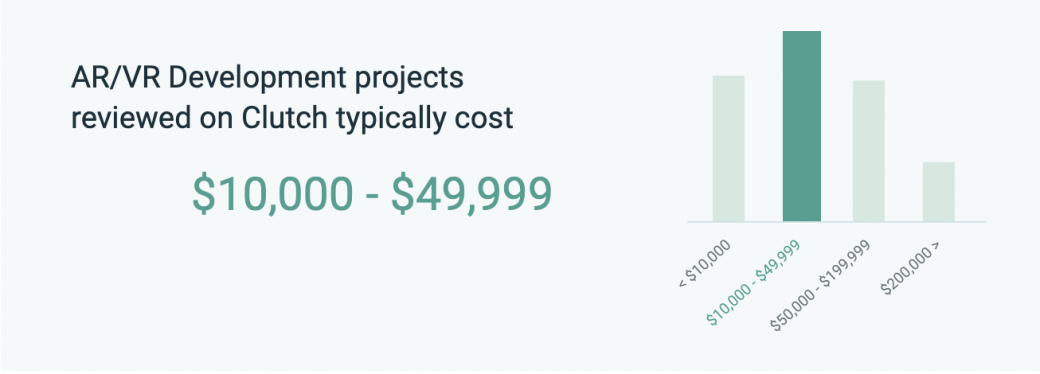
In fact, some AR/VR development companies listed on Clutch charge less than $25 an hour, making smaller-scale VR software products attainable by companies of any size.
One way businesses can avoid high-cost AR/VR engagements is by creating immersive and engaging experiences on-site. Especially for companies with established marketing funnels, these experiences can enhance existing content and captivate audiences at a much more affordable price.
For instance, Brilliant Earth, a jewelry company, offers a virtual try-on experience on its website that helps customers visualize how jewelry pieces would look when worn.

Source: Brilliant Earth
This AR experience allows buyers to envision the excitement of purchasing new jewelry before they do so, which builds delight and confidence in their buying decisions.
Brilliant Earth is far from the only company flexing its AR/VR muscles. In the first half of 2023, traffic to VR/AR developers in the US on Clutch has grown by 118% MoM. Businesses want to jump on emerging technologies to facilitate fun and compelling buying journeys.
By leveraging on-site AR/VR experiences, businesses can provide customers with a unique and interactive path to purchasing and satisfaction. While the cost of developing a fully-fledged VR product may be prohibitive, these more accessible alternatives open up possibilities for a wider range of businesses to tap into the benefits of immersive technologies.
As interest and investment continue to grow in the VR/AR space, we can expect further advancements, increased accessibility, and potentially more cost-effective solutions in the near future.
The democratization of AR/VR technologies will empower businesses of all sizes to create compelling experiences and leverage the full potential of Web3 tools, ushering in a new era of interactive content consumption.
Don’t wait to invest in AR/VR. The last thing you want is to play catch-up with competitors.