7 Tips For Designing Web Forms
Clutch surveyed 502 web users about what they actually want from form design. Here are 7 data-backed UX principles that reduce abandonment and improve...
Updated January 8, 2026

Most brands treat accessibility as a compliance task and stop at minimum standards. The reality is that accessibility drives measurable business outcomes, and brands that dismiss accessibility are losing engagement, trust, and sales.
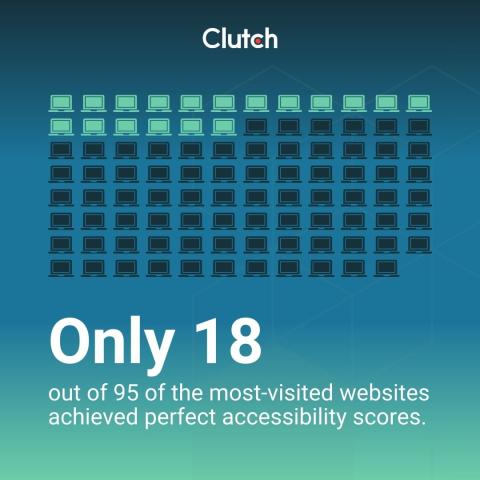
A Clutch audit of the 95 most-visited websites found only 18 achieved a perfect accessibility score, which is proof that even major brands often miss the mark on inclusive design.
Looking for a Web Design agency?
Compare our list of top Web Design companies near you
This article spotlights those top-performing websites and unpacks what they’re doing right. Each example includes a specific, actionable lesson your business can apply to make accessibility not just a compliance task, but a growth strategy that drives trust, engagement, and revenue.
Target’s 2008 settlement with the National Federation of the Blind marked a shift in how large retailers approach accessible web design. This accessibility lawsuit put retail websites on notice and accelerated investment in inclusive ADA-compliant website design.
Target now sits on the perfect-score list and treats accessible web design as an ongoing product quality practice, not a one-off fix. The turnaround shows how companies can implement a build-once, benefit-many approach across web product pages and apps.
Lesson: You can use accessibility to repair brand image and turn it into a brand strength. The same work that reduces legal risk also compounds in trust and conversion for years.
Apple stands out as one of the great web accessibility examples. It bakes accessibility into its product stack and mirrors that commitment across marketing pages and support content. Its public-facing accessibility hub features clear, scannable explanations of assistive tech like VoiceOver and magnification and links to configuration guidance. It reads like product strategy, not legal boilerplate.
That approach pays off. When accessibility becomes a part of a brand’s identity, it leads to higher adoption and repeat customers.
Lesson: If you talk about accessibility with the same clarity as any flagship feature, people feel considered from the first touchpoint. Loyalty naturally follows.
IKEA operates a huge commerce footprint across languages and regions. Despite its size, its accessibility commitment is clear. IKEA publishes a global digital accessibility statement and country pages that align with WCAG guidance and outline conformance targets. That transparency helps local teams implement consistent patterns without guesswork.
Lesson: If your system design prioritizes inclusion from day one, teams can launch new pages and sites faster with fewer fixes because the standards are already set. Clear guidelines make accessibility checks repeatable across countries and devices, which supports steady growth.
Visual platforms often ship fast and add accessibility later. Pinterest flipped that expectation with features like alt text on Pins and guidance that explains how assistive tech interprets that text. This keeps inspiration searchable and understandable for people using screen readers.
Accessibility also supports creators. Clear workflows for adding descriptive text improve discovery for all audiences, which is good for engagement and time on site.
Lesson: A visually rich experience can still be an accessible website. The trick is to make features such as alt text and captions part of the design and publishing workflow, not an afterthought.
Mayo Clinic treats accessibility as part of patient care. The site publishes a detailed accessibility statement and uses features that work with screen readers and keyboard navigation. This shows care for all users and makes it easier to find clinicians and clear guidance.
For high-stakes industries like healthcare, clear language and strong assistive tech support lower the mental effort for patients and caregivers who are trying to understand their options and book care. Less friction can also reduce call volume and help care teams focus on providing care. Ultimately, better accessibility improves outcomes for both patients and healthcare providers.
Lesson: When the product involves critical information, accessibility becomes a credibility multiplier. Every accessible page reduces doubt.
Employment platforms must serve people across abilities and contexts. Indeed treats accessibility as a core part of its ESG program and implements it across its website and apps. The signal is clear that job search and hiring should be barrier-free, too.
That stance benefits both sides of the marketplace. Applicants find roles faster, while employers widen their talent pool.
Lesson: Inclusion drives engagement and fill rates. Accessible website design connects more people to the value you already built.
California sets a high bar for public sector website compliance. The state’s portal publishes an accessibility statement, references a formal certification that must be renewed every two years, and documents the certification timeline and criteria. This creates accountability and raises the quality floor for other government bodies.
Service delivery improves when residents can find forms, read deadlines, and complete tasks with assistive tech. That is a good policy and a good product.
Lesson: Where trust and equal service matter, accessibility is non-negotiable. Build processes that keep teams shipping to the standard.
The NHS website manages enormous volumes of information. Its statement spells out how the site meets WCAG standards and where gaps remain. That level of honesty at a national scale is a useful model for any complex operation.
At the NHS website, strong hierarchy, readable typography, and predictable navigation help people get care guidance fast. That is accessibility in action.
Lesson: Large sites can still feel simple. Commit to structure, and you will make complex content legible for everyone.
Chase outlines a full set of accessibility resources that spans digital and physical touchpoints. The bank lists reader services, sign language support, and a focus on WCAG for the web. That breadth proves accessibility belongs in customer experience design, not only in code.
Financial products are trust-sensitive. Such clear access paths reduce abandonment and increase customer lifetime value.
Lesson: Accessible design becomes retention in trust-sensitive industries. When money is on the line, an accessible website experience helps you win customers and keep them longer by removing barriers during key tasks like login, payments, and support.
Vehicle history reports include a lot of detail, which can be harder to understand for people using screen readers or keyboard navigation. With this in mind, CARFAX sets clear accessibility commitments and a multi-year plan that follows WCAG. It emphasizes easily readable formats and labels that make data easy to scan.
That commitment supports confidence during a high-consideration purchase. If buyers can parse the story of a car quickly, they move forward with the decision.
Lesson: Accessibility simplifies complexity in any data-driven business. When data gets easier to read with assistive tech, friction drops across the conversion funnel.
Airbnb treats digital accessibility as part of the booking experience, not an afterthought. The company publicly commits to WCAG 2.1 Level AA for its website and apps, and documents how it tests with assistive technologies.
Lesson: Accessibility expands markets. When people can reliably find what fits their needs, your total addressable audience grows.
Yelp publishes an accessibility statement and continues to add attributes that help people find businesses with mobility, hearing, and vision accommodations. That product choice gives community contributions more practical value.
Search results get better when filters reflect real access needs. That leads to more qualified visits and stronger local commerce.
Lesson: Community platforms win when every voice gets equal weight. Accessibility features make user content useful to more people.
Disney’s legacy portal routes visitors into a network of Disney experiences across the web, streaming, and parks. While the portal itself is minimal, Disney documents accessibility statements across properties, including Disney Store and Disney Tickets. For media, Disney+ publishes accessibility help that covers text legibility and playback options. The pattern is consistent across touchpoints and reinforces inclusion at scale.
Lesson: Disney is filled with examples of accessible websites across its brand portfolio. The point here is to make accessibility visible across your ecosystem. It boosts engagement and builds confidence when people move between properties.
Car and Driver’s content model favors clean layouts, strong hierarchy, and readable body copy across devices. The team continues to ship research and buying guides with clear headings and structured markup that works well with modern reading tools. By doing so, even the niche content becomes mainstream when it reads well for everyone.
Lesson: Accessible web design makes specialized content approachable, which widens the audience without diluting depth.
The IRS publishes an extensive accessibility hub and a catalog of accessible forms and publications. In a high-stress annual task such as tax filing, that clarity lowers the friction for users and reduces support load.
Lesson: When people are dealing with high-stress tasks, accessible content lowers effort and builds goodwill.
LinkedIn calls accessibility a core principle and continues to test products with assistive technology users. Community guidance also helps creators write accessible posts and profiles, which makes professional content more discoverable.
Features like keyboard navigation and screen reader compatibility increase the reach of thought leadership and job opportunities.
Lesson: When your product touches someone’s career, accessibility turns into long-term loyalty.
Discord documents a clear commitment to WCAG 2.1 Level AA and publishes updates on specific improvements, like keyboard drag and drop and a text-to-speech speed slider. Community platforms are messy by nature. Discord’s approach shows how iterative updates can move the whole product forward without slowing feature work.
Its accessible chat, navigation, and motion controls reduce fatigue and increase participation during long sessions.
Lesson: Accessibility builds belonging. Improve the basics, and people stay longer and contribute more.
CVS positions digital accessibility as a pillar of its product lifecycle. The company cites WCAG conformance and inclusive design principles across its corporate accessibility pages and MinuteClinic information. In healthcare and retail, that pairing creates trust in refills, telehealth visits, and checkout flows.
For brands tied to well-being, predictability and clear communication are everything. Accessibility delivers both.
Lesson: In health and wellness, accessibility is an expectation, not a nice-to-have. People need to book care, refill prescriptions, and read instructions without barriers. If those tasks feel hard, patients may lose confidence and switch providers.
A more accessible website drives broader reach and better outcomes. In fact, the global disability community commands an estimated $13 trillion in annual spending power. Teams that prioritize accessibility capture that demand and improve usability for everyone.
Accessibility also reduces legal risk. The Target case created a lasting precedent that drew a clear line between commercial sites and ADA obligations.
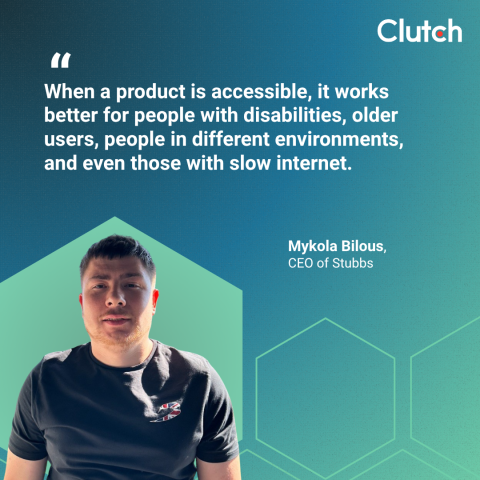
Moreover, trust, reputation, and loyalty follow when interfaces work for everyone. Clarity benefits older users, situational constraints like one-hand use, and those on slow connections, which is why leaders call accessibility a universal performance upgrade. As Mykola Bilous, CEO of Stubbs notes, “When a product is accessible, it works better for people with disabilities, older users, people in different environments, and even those with slow internet.”
That is the universal design effect. Building for more contexts also reduces edge cases that normally require support or rework.
“More brands are realizing that accessibility isn’t just 'nice to have'—it’s essential for growth, customer trust, and long-term success. It’s about creating a seamless shopping experience for everyone, which ultimately leads to better engagement, higher sales, and stronger brand loyalty,” says Heral, Managing Director of a WooCommerce Agency.
That mindset merges accessibility into the brand growth roadmap. By doing so, you convert accessibility from a compliance checkbox into a competitive edge that all the team can stand behind.
These 18 brands show that websites with accessibility features are achievable and valuable when they're approached as a priority, not a one-time project. For most accessible websites, the upside compounds across conversion, customer service, and reputation. Take the practical ideas above, plug them into your design system, and make accessibility part of your growth operating model.
If you want a partner that already builds with these standards, start with a vetted list of top web designers on Clutch. It's where B2B leaders go to find the right services before they commit.