Lead Quality vs. Lead Quantity: Why B2B Teams Are Rethinking Their Funnel in 2026
Bigger buying committees and tighter budgets are forcing B2B teams to rethink lead quality vs. quantity. Here's how top teams rebalance the tradeoff in 2026.
Updated May 29, 2026

Your audience is drowning in marketing messages, and to be honest, most of them are easy to ignore. If your content feels generic, it’ll probably get lost in the noise. The secret to shining through and actually connecting? Personalized marketing.
These days, top brands treat customers like the main characters in their own stories. Spotify, for instance, frequently creates new playlists based on the listener’s current music obsessions. Meanwhile, Netflix recommends niche categories like “Reluctant Adults” and “Deep Sea Horror Movies.” Even BMW offers custom engine sounds to “acoustically enhance your driving experience.”
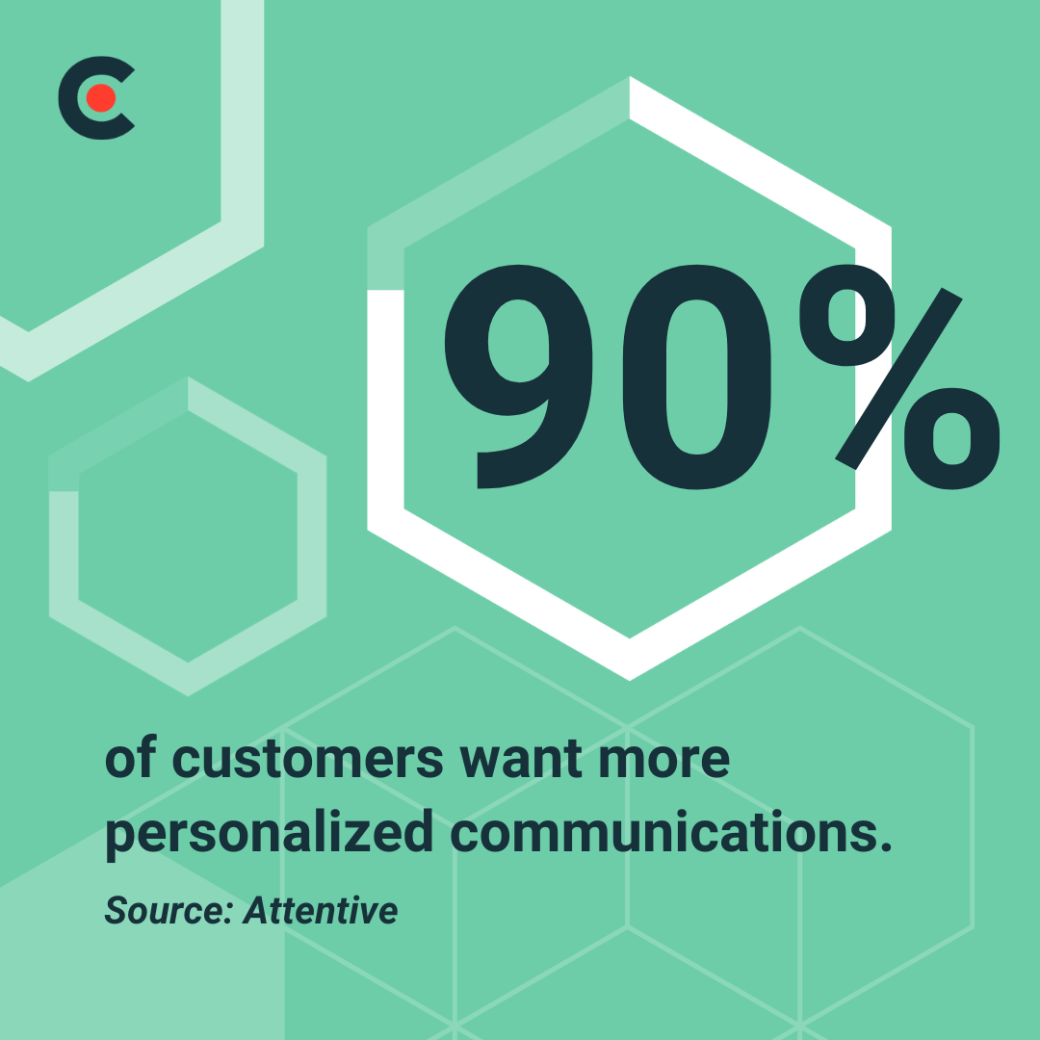
With so much customization already available, it’s no surprise that customers expect more from every brand. A 2025 Attentive survey found that 90% of customers want more personalized communications, and 81% ignore irrelevant promotions.
Looking for a Digital Marketing agency?
Compare our list of top Digital Marketing companies near you
The good news is that artificial intelligence (AI) and automation make personalized marketing more scalable than ever. These tools can help you tailor everything from product recommendations to emails and landing pages. Whether you have 50 customers or 5,000, everyone can get a personalized experience.
This guide explores the benefits of personalization in marketing, from increased loyalty to higher retention. It also shares practical strategies for tailoring your communications — without piling more work on your plate.
Personalized marketing is deeply, well, personal. It involves customizing content to fit each customer’s behavior, preferences, and needs.
This personalization can take many forms, including:
Traditional marketing campaigns take a one-size-fits-all approach. Every customer gets the same discounts, content, and messaging — even when they aren’t relevant. By contrast, marketing personalization focuses on figuring out what each customer values and then giving it to them.
As Iulia Vasciuc, CEO of ScaledOn, puts it, “Personalization matters. Generic content doesn’t move the needle—tailored solutions to real problems do.”
Here are a few reasons why you should invest in personalized marketing:
Above all, personalization shows that you genuinely value your customers as individuals, and that’s the key to long-term success.
Your customer relationships start long before they schedule a sales call or swipe their credit card. It’s all the little interactions with your brand that shape how people feel about it — and whether they decide to buy.
There are five levels of customer relationships:
It’s normal for some customers to fade away at each stage, especially during awareness. But personalization can help you keep their interest and move them through this journey more effectively.
Here are a few personalization ideas to help retain customers during each phase:
Of course, you don’t have to personalize every phase right away. Start by analyzing customer behavior to figure out where to focus. For example, if 50% of your clients disappear after their first purchase, you need to work on increasing your retention rate.
Tailored experiences improve customer relationships in many ways. Personalization can lead to:
Take the viral Spotify Wrapped campaign, for instance. Many customers eagerly anticipate their wrap-up all year and share their top artists and genres on social media. And millions of people buy products featured on their TikTok’s “For You” feed.
Personalized marketing takes careful planning and, most importantly, a willingness to experiment. Set yourself up for success with these steps.
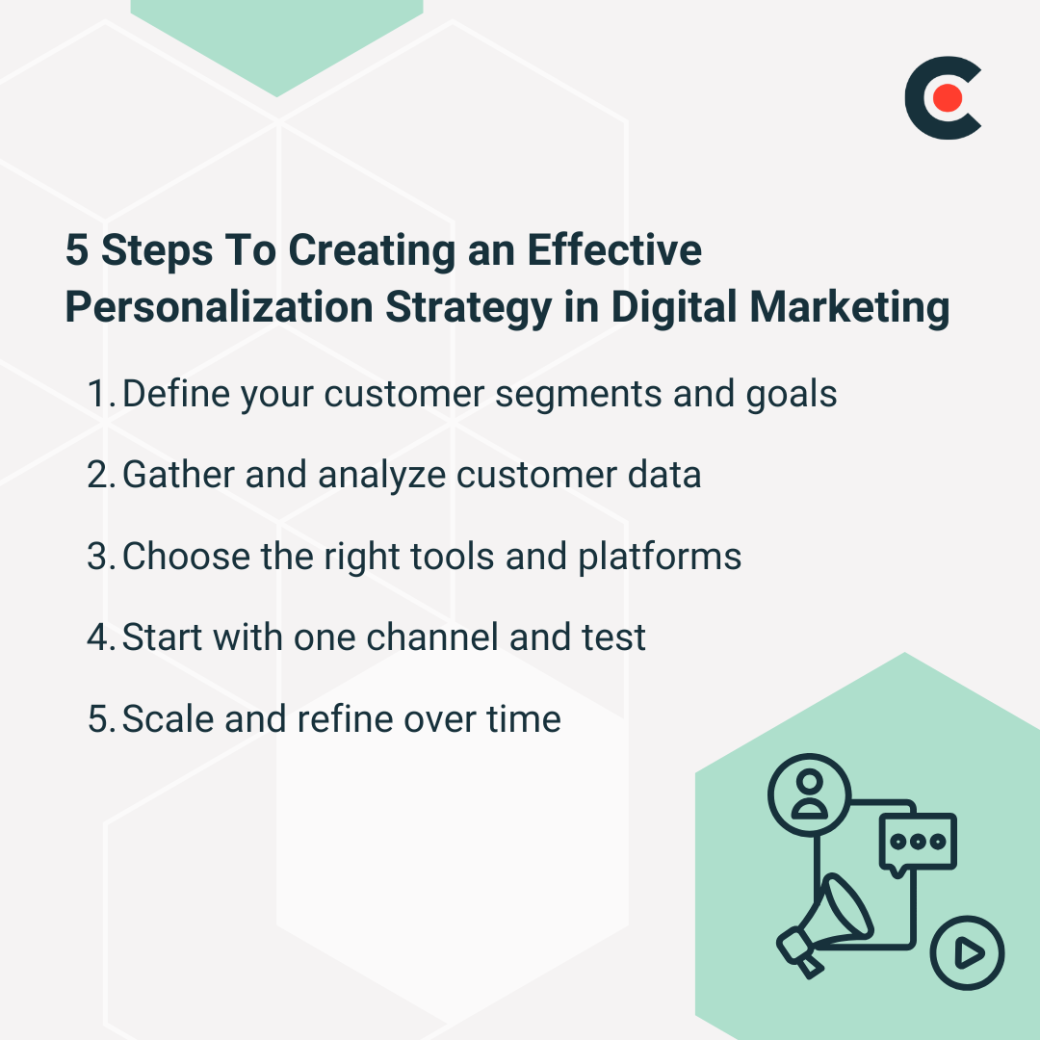
Theoretically, anyone could buy your products or services. But most businesses tend to appeal to specific groups with similar interests or needs. For example, a camping gear company’s audience might include “30-something female hikers with dogs” and “outdoorsy people on the East Coast.”
Take a close look at your customer base, and pick two or three segments to focus on. This strategy will make it easier to choose the right channels and messaging before you get into the nitty-gritty of personalization.
Additionally, be sure to set clear and realistic goals. For example, you might aim to boost sales by 10% this quarter. Based on that, you could decide to focus on personalization strategies in email marketing.
To truly excel at personalization, you need a deep understanding of your audience. After all, you can’t tailor your content if you don’t even know what your customers want.
Get to know your clients by collecting this data:
Use data analytics tools to look for patterns or trends. Qualtrics and SurveyMonkey, for example, can help you analyze customer feedback forms and surveys, and heatmaps are key to tracking user website behavior.
You don’t need to build machine learning algorithms or even learn coding to personalize marketing. There are plenty of user-friendly platforms available.
For instance, Mailchimp and Constant Contact allow you to tailor emails with dynamic content blocks. OptiMonk is another tool you can utilize to personalize landing pages and product recommendations.
As you research personalization tools, look for ones that fit your budget and give you room to grow. They should also have resources — such as tutorials and knowledge bases — to help you learn how to use them quickly.
Don’t overwhelm your customers (or yourself) by launching six types of personalized content at once. Instead, focus on a single channel — such as email or landing pages — that aligns with your big-picture goals.
Then it’s time for the fun part: experimenting. Don’t be afraid to try out different approaches and tools to see what works for your audience. Some customers might eagerly click on custom pop-ups, while others may exit your site immediately. Testing is the only way to find out.
As you gain confidence, you can explore new channels and more advanced personalization tools. For example, you might start small by customizing subject lines. In just a few months, you could be a personalization rock star, using dynamic content blocks and links that take users to personalized landing pages.
Just don’t forget to keep tracking performance data, such as email open rates and sales. This information will help you identify areas for improvement and make sure you’re on the right track.
Every channel has its own norms and techniques for tailoring content. Kickstart your next campaign with these creative personalized marketing strategies.
“Personalization and automation are the most valuable aspects of email marketing,” shares David Ispiryan, CEO of Effeect Agency. “With AI-driven segmentation and automated workflows, brands can send hyper-relevant messages at the right time, increasing engagement and conversions.”
Here are a few ways to customize the email experience:
You can also use email marketing platforms like Mailchimp for personalizing automated marketing messages. This might involve sending custom welcome messages (“We’re so happy you’re here, Hailey!”) or post-purchase emails.
Your website is a key part of personalization in digital marketing. Start leveraging it by using a tool like HubSpot or OptiMonk to create trigger-based messages. When someone tries to leave your site with an item in their cart, for instance, they might see a popup like this: “Are you forgetting something, Mark?”
AI chatbots are another excellent personalization tool. Platforms like Chatfuel and Zapier enable you to design custom chatbots that know all about your products and even “speak” in your brand voice.
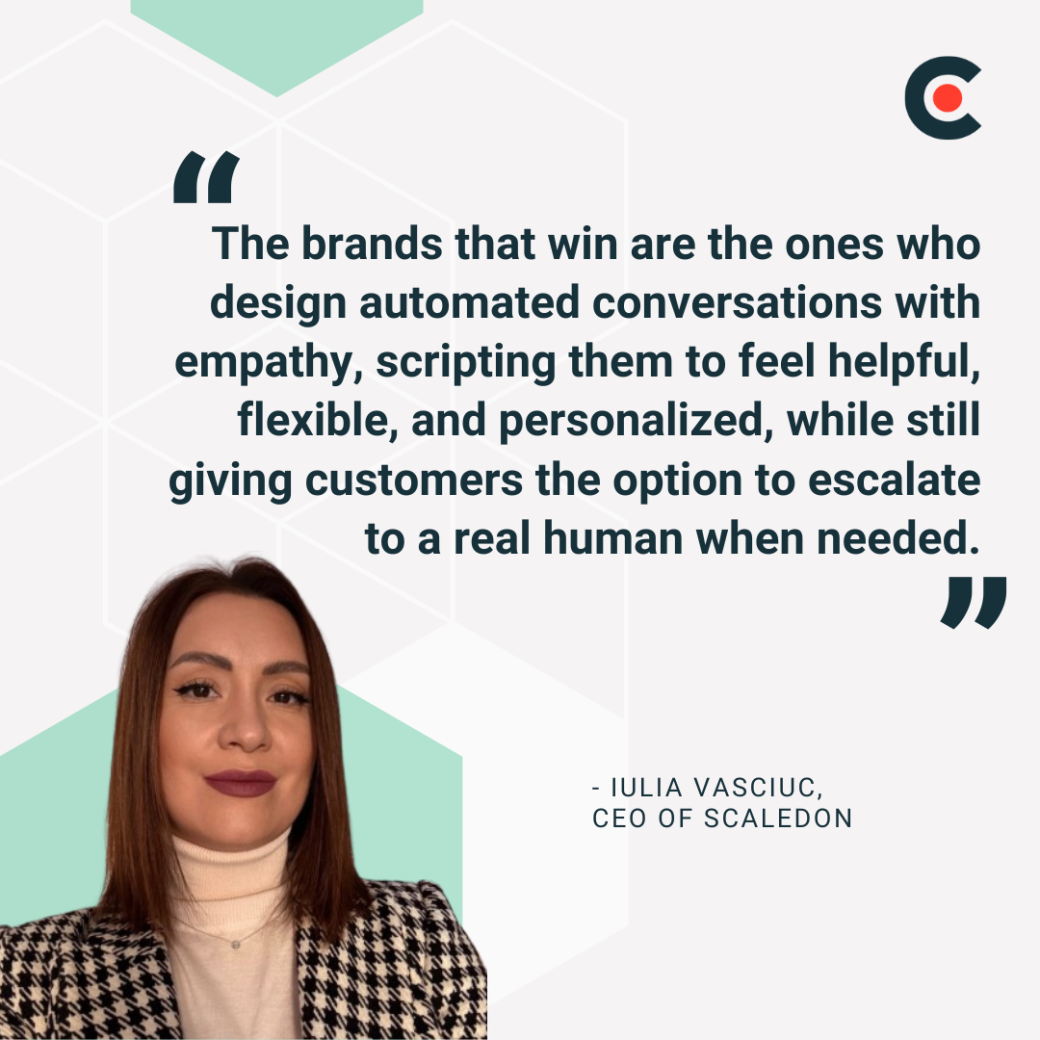
Vasciuc observes, “The brands that win are the ones who design automated conversations with empathy, scripting them to feel helpful, flexible, and personalized, while still giving customers the option to escalate to a real human when needed.”
Plus, many businesses use dynamic content blocks and personalized landing pages. For example, HubSpot’s “smart content” lets you tailor your calls-to-action and tweak the language based on the user’s location. These changes happen automatically, so you can set it and forget it.
Social media users already expect to see highly curated content in their feeds. Use these techniques to tailor their interactions with your brands:
For example, you could create custom Instagram Stories with different calls to action (or “swipe ups”) based on how your followers have interacted with your previous content. It’s an easy way to boost engagement while catering to specific interests.
With SMS and push notifications, you can send personal messages right to your audience’s smartphones. Here are a few ways to customize this content:
Attentive, OneSignal, and Postscript are popular SMS personalization tools.
Initially, it’s best to start with a single channel while you learn to use different personalization tools and tactics. However, once you get comfortable, be sure to expand your campaigns across channels. Tailoring experiences works best when you engage customers again and again (without nagging them, of course).
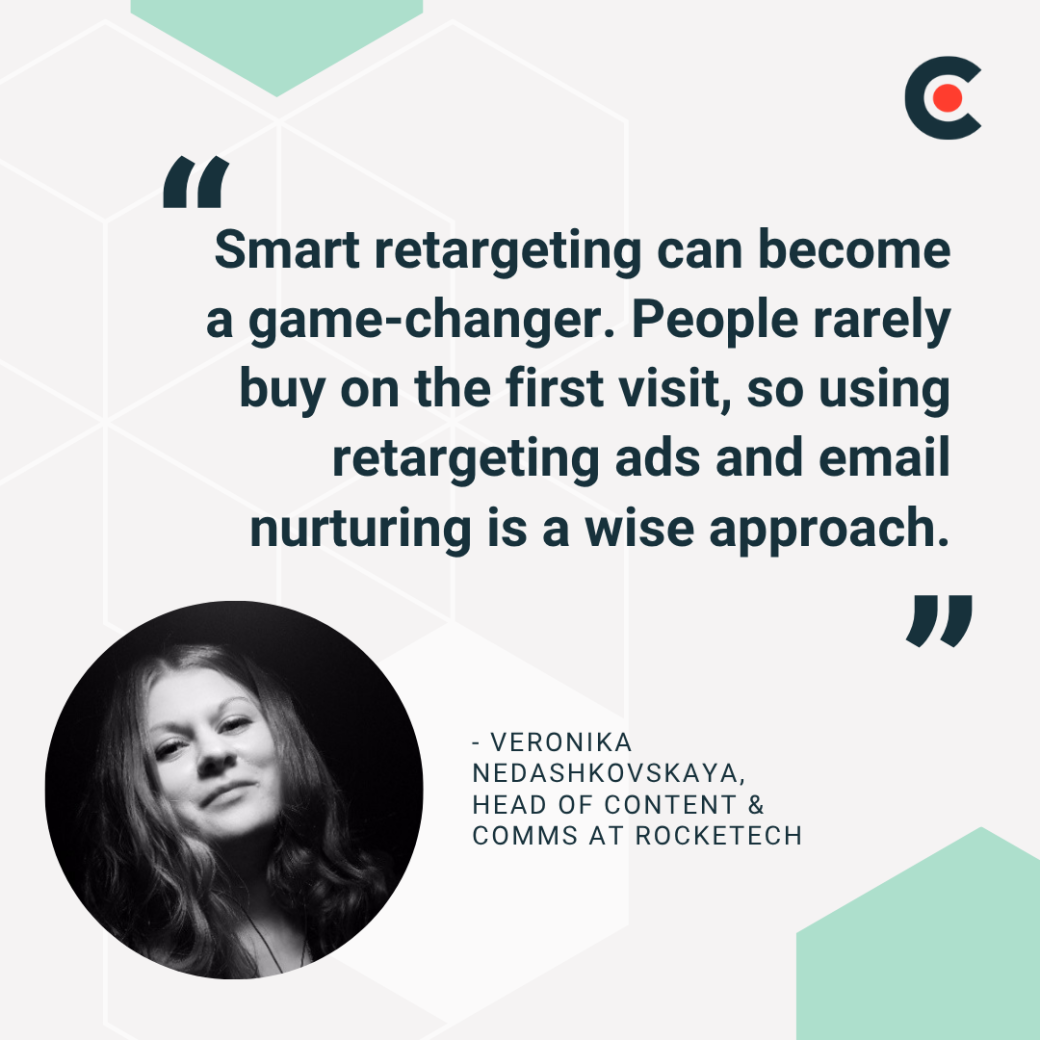
“Smart retargeting can become a game-changer,” explains Veronika Nedashkovskaya, Head of Content & Comms at Rocketech. “People rarely buy on the first visit, so using retargeting ads and email nurturing is a wise approach.” Here’s how.
Start by identifying all the touch points where customers interact with your brand, and look for platforms to engage them at each step. Here’s what that might look like:
These repeated interactions will keep your brand fresh in the client’s mind and entice them to keep engaging.
Automation software makes it easy to use event-based logic to personalize content without manual effort. For example, Make can automatically send an email when someone abandons their cart.
Customer data platforms and customer relationship management software let you centralize data and segment clients based on their interactions across platforms. Just be sure to give customers the option to update their preferences and privacy settings. That way, they have full control over their data.
Make sure you’re automating your marketing as effectively as possible by:
These steps will help you get the most out of your automations and fix any snafus quickly.
Don’t just assume your personalization is paying off. See what’s working (and what’s flopping) by tracking these key metrics:
Tools like Google Analytics and email marketing software make it easier to gather this data. For instance, itison increased the ROI for its e-newsletter by an astonishing 2000% by personalizing weekly deals and other content.
Some brands are already using AI to personalize content in real time, such as updating product recommendations as customers browse websites. You can also use this technology for predictive personalization, which anticipates clients’ future needs (sometimes before they even know what they want themselves).
Privacy-first personalization is another recent trend. Simple steps like using cookie-free tracking and asking for consent can help you strike the right balance between tailoring experiences and respecting privacy.
Personalized marketing has become absolutely essential in all industries. By tailoring content, you’ll demonstrate that you respect customers and want to give them the most relevant experiences.
Of course, effective customization goes beyond addressing clients by name. As Christopher Savage, President & Founder of Savage Global Marketing, puts it, “If your message feels like a template, it’s game over. You’ve got to show people you understand them. Use smart data, but tell a story that they see themselves in. That’s what sticks.”
Get started by assessing your current personalization strategy (if you have one) and looking for areas to improve. Need help? Browse Clutch’s directory of top digital marketing agencies for expert assistance.