Impulse buyers are motivated by everything from free shipping to irresistible bargains. These simple techniques will help you prompt — not pressure — impulse purchases and boost sales.
Everyone has made a spur-of-the-moment purchase at some point. While 84% of shoppers say powerful advertising played a role, impulse buys are often due to subtle design cues that gently nudge a decision rather than force it. A free shipping banner, a perfectly-timed back-in-stock alert, or a personalized recommendation can all tip the scale, especially when paired with smart messaging and seamless user experience (UX).
For e-commerce businesses, impulse shopping is vital for driving sales. You want customers to buy your products today, not two months from now. Plus, when someone spends a long time mulling over a purchase, they’re more likely to forget about your brand.
Looking for a User Experience agency?
Compare our list of top User Experience companies near you
So, what UX and web design strategies actually get impulse buyers to click “Buy now” without thinking twice?
Drawing on data from Clutch’s report, Pop-Ups, Promo Fails & Poor UX: What’s Driving Shoppers Away, this guide shares practical tips for encouraging impulsive purchasing and common mistakes to avoid.
Key Takeaways: Impulse Shopping Is All About Trust
- Free shipping can encourage last-minute purchases. 57% of consumers have made impulse purchases to reach free shipping thresholds. But keep it realistic. Someone buying $10 dog toys, for instance, probably won’t spend $100 just for free shipping.
- Build trust by personalizing discounts and recommendations. Shoppers respond best to genuinely relevant and valuable marketing. Simple actions, such as generating product recommendations based on the customer’s cart, help customers feel seen.
- Too much urgency can backfire. Vague phrases like “ACT FAST!” and “Only 3 left in stock!” can come across as pushy and even scammy. Instead, use countdown timers and specific deadlines to nudge impulse buyers into action.
4 Tactics That Actually Motivate Impulse Buyers to Purchase
People make impulse purchases when you remove barriers that make them hesitate, not when you strong-arm them into buying.
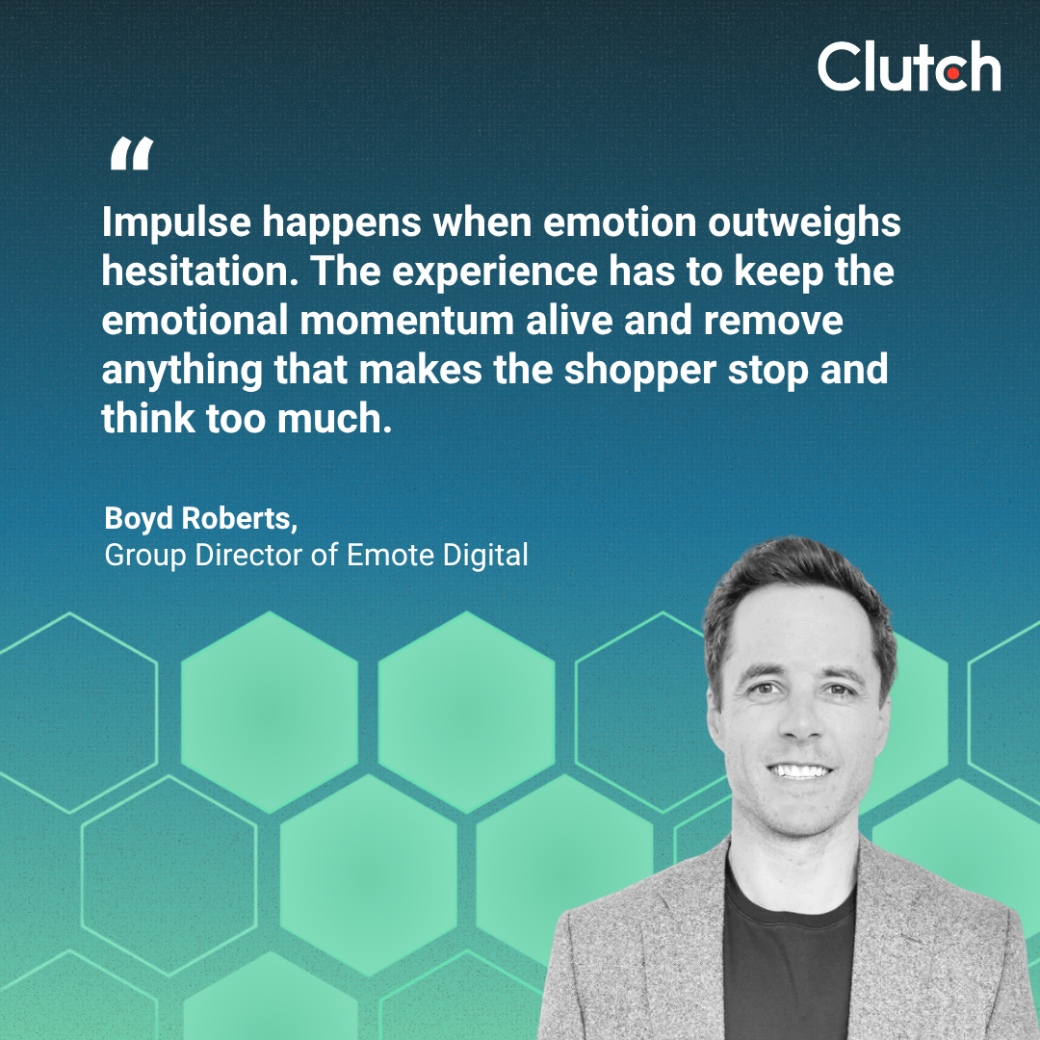
“Impulse happens when emotion outweighs hesitation,” explains Boyd Roberts, Group Director of Emote Digital. “The experience has to keep the emotional momentum alive and remove anything that makes the shopper stop and think too much.”
Here are four strategies to encourage fast purchases.
1. Limited Time Discounts
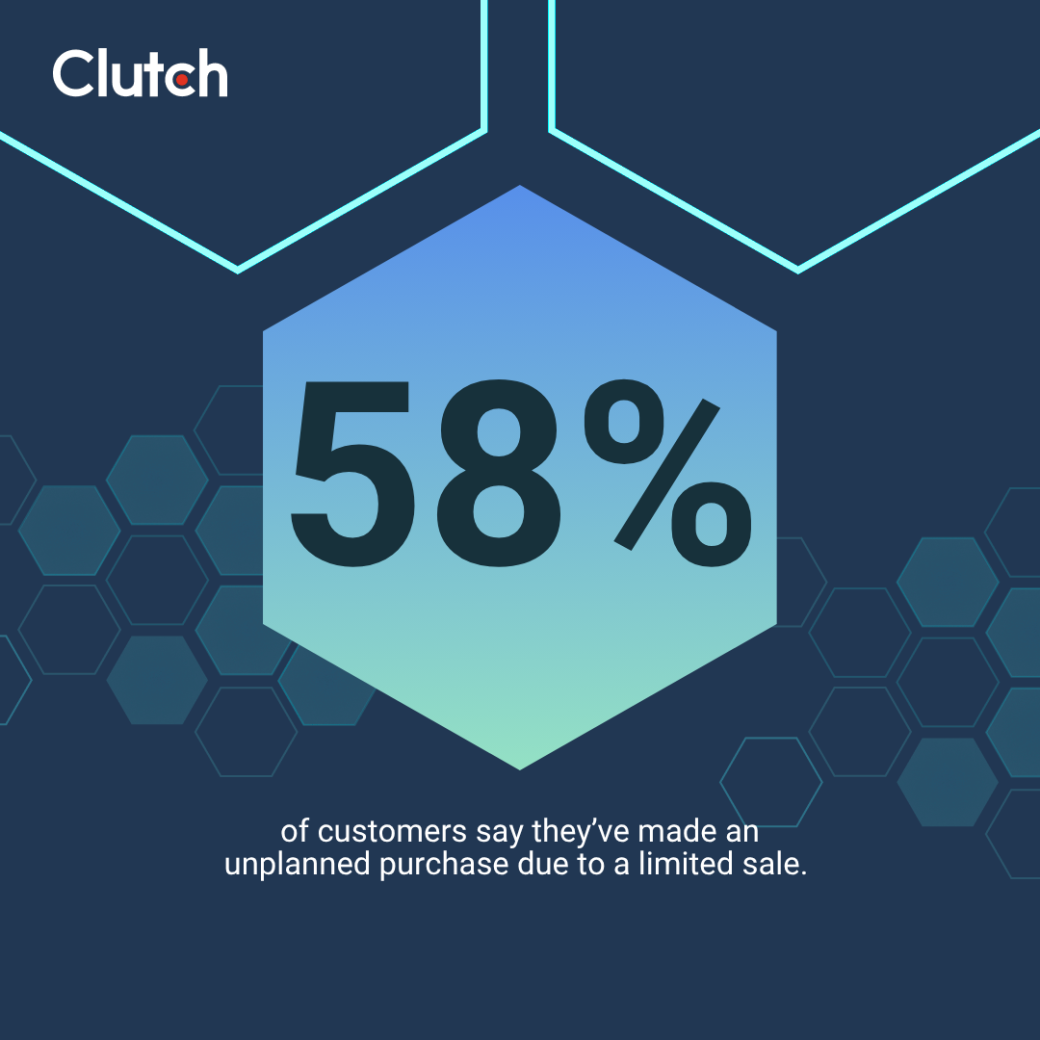
Offering time-sensitive deals is a highly effective way to encourage shoppers to make an immediate purchase. Over half (58%) of customers say they’ve made an unplanned purchase due to a limited sale.
This technique works because it creates a very real sense of urgency. Customers know that they only have a few hours or days to get the deal, so they’re more likely to act. Plus, it offers a clear financial incentive — “50% off!” — that makes purchases feel rewarding, not coerced.
Best user experience practices:
- Set a specific timeline. “Ends at midnight!” is much more persuasive than a vague “Hurry!”
- Give concrete pricing information, such as “Save $10 on every order today.”
- Use banners or subtle countdown timers to add urgency. However, avoid annoying pop-ups. They’re too pushy for impulse buyers.
2. Free Shipping Thresholds
Retailers often offer free shipping when customers spend a certain amount of money. Amazon, for instance, provides free shipping to non-Prime members who spend $35 or more per order.
“Free shipping thresholds work surprisingly well,” shares Valentina Chiriacescu, Chief Commercial Officer of Ecommerce Today. “‘Spend $10 more to get free shipping’ can turn hesitation into action.”
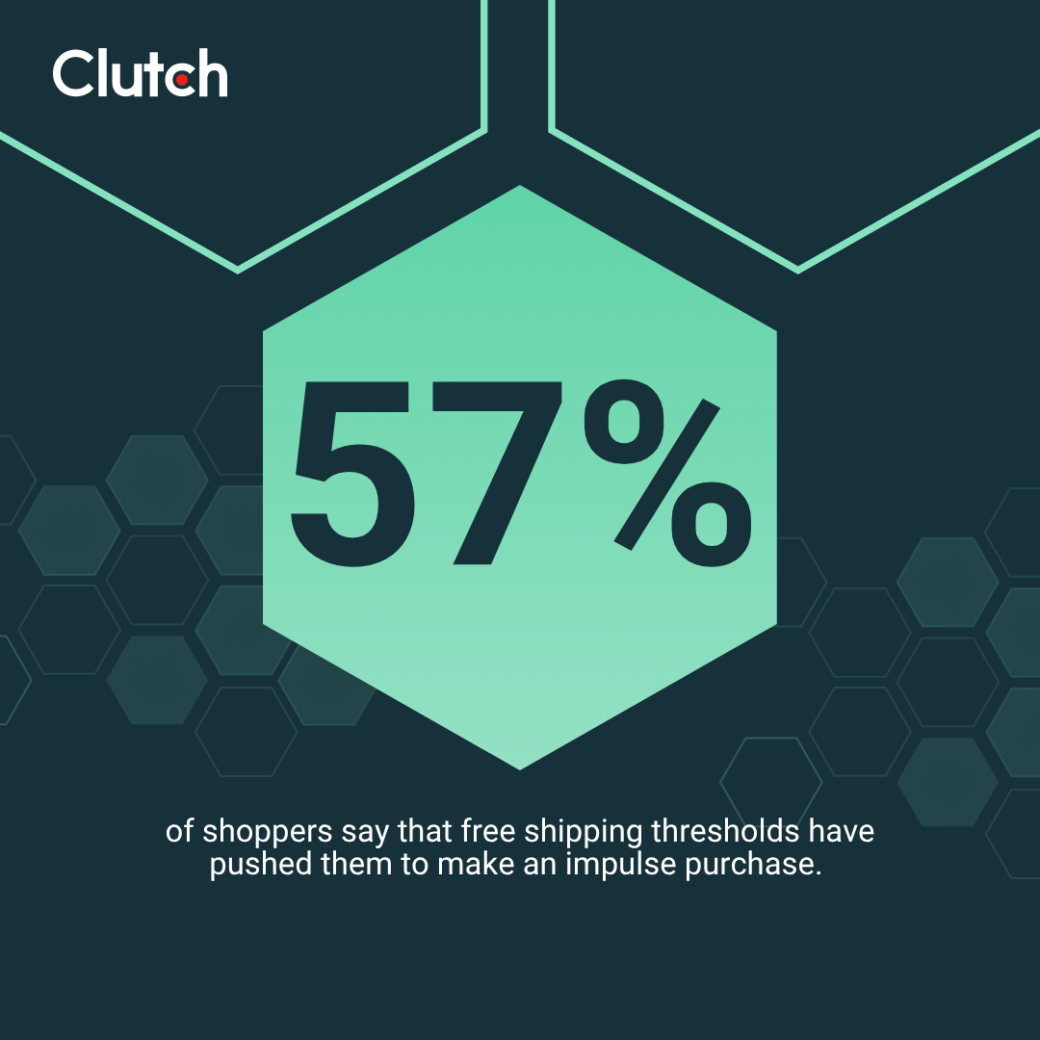
In fact, 57% of shoppers say that free shipping thresholds have pushed them to make an impulse purchase. This method helps them justify extra spending by making it feel smart, not impulsive. For example, a customer might add a $10 accessory to their cart to avoid a $15 shipping fee — a win-win.
Best user experience practices:
- Mention your free shipping threshold throughout the customer experience, such as on product pages and other early touchpoints.
- Use simple cart messages to show how much customers need to spend to reach it (“Only $12 left for free shipping!”).
- Keep thresholds realistic. If your average order spend is $40, don’t set a $75 minimum to force customers to stockpile their carts.
3. Back-in-Stock Alerts
Sometimes, inventory shortages prevent customers from getting what they want immediately. However, simply telling them that an item is back in stock can help you recapture that lost momentum.
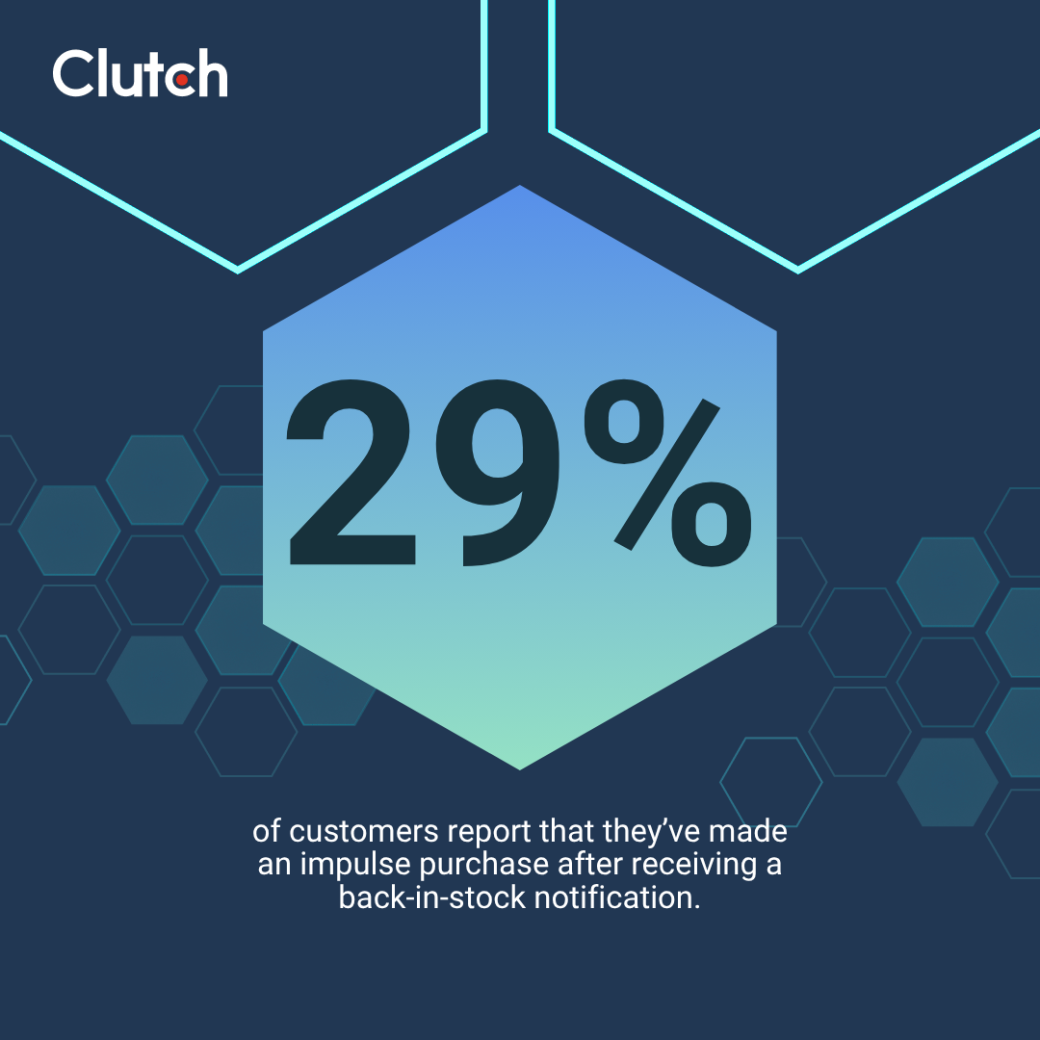
29% of customers report that they’ve made an impulse purchase after receiving a back-in-stock notification. This type of message can reignite their earlier interest and make your product seem even more desirable. After all, if it sold out once, it could again.
Best user experience practices:
- Add a back-in-stock notification sign-up form to every sold-out product page. Platforms like Shopify and Klaviyo can do this automatically.
- Use automatic SMS messages to notify customers who favorited a sold-out item when it is back in stock.
- Personalize the alert with messages like “Your size is back!” or “Our best-selling jacket has returned to help you fight the Michigan chill.”
- Combine a limited-time deal with a back-in-stock alert for an extra enticing offer.
4. Providing an Add-On Upsell
Relevant product recommendations are another great way to pique an impulse buyer’s interest.
“A very successful method is the ‘Add-on/Upsell in the Mini-Cart’ feature,” says Monika Upadhyay, Assistant Manager of Digital Marketing at Mavlers. “When a main item is put in the cart, a pop-up suggests other useful, cheaper items (e.g., "People often buy this with your item...") with a clear ‘Add to Cart’ button, maybe even a small discount for buying them together.”
Upadhyay continues, “This works because it builds on the customer's existing desire to buy, offers them immediate value, and lets them add items smoothly without interrupting their shopping.”
Someone who’s buying a tent, for instance, might add a sleeping pad or fly cover to their order without a second thought.
Best user experience practices:
- Spotlight affordable products, not big-ticket items.
- Personalize recommendations so you’re not offering customers something they’ve already bought (or a totally random product).
5 Impulse Buying Mistakes That Undermine Trust and Kill Conversions
The last thing you want is to discourage an eager customer, but it doesn’t take much to interrupt the impulse buy. Too much pressure or even the wrong words can scare them away.
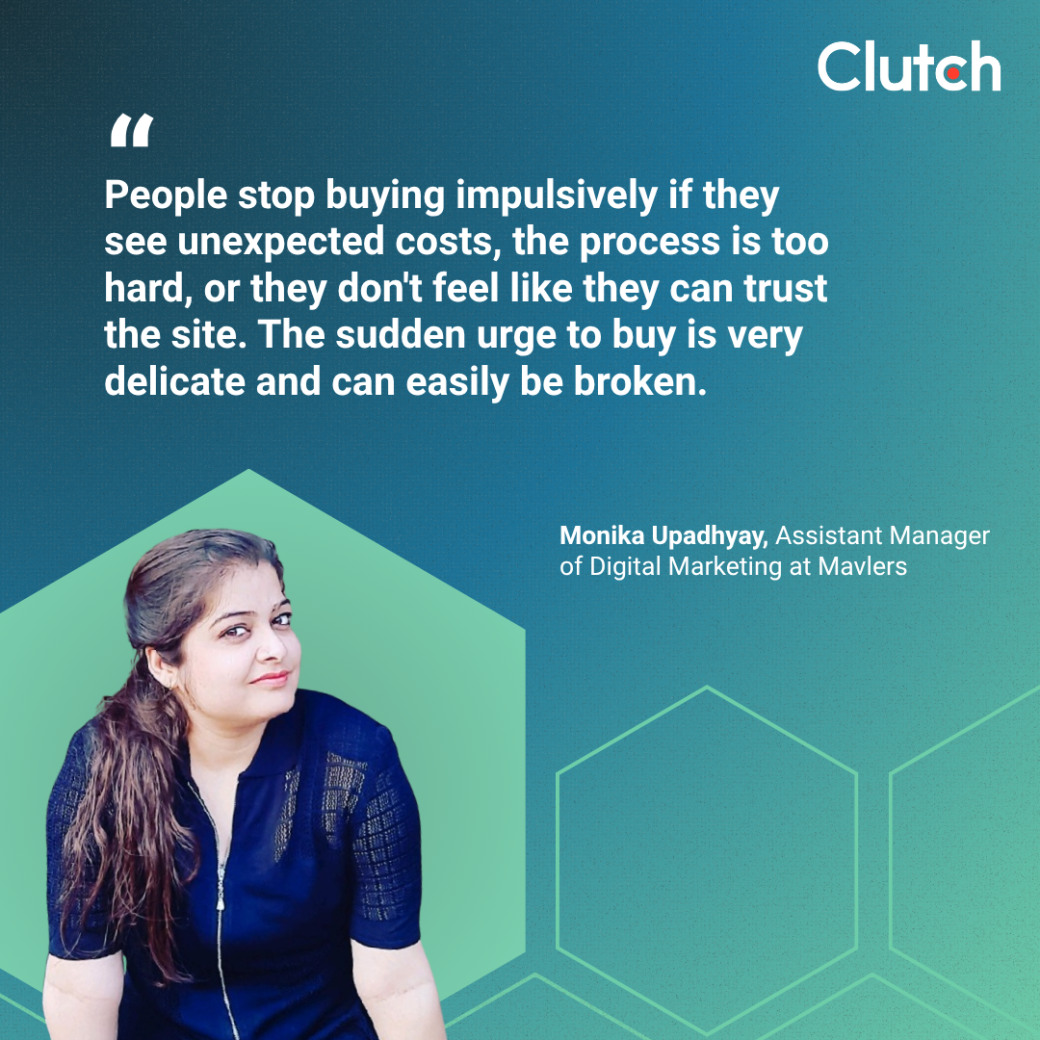
“People stop buying impulsively if they see unexpected costs, the process is too hard, or they don't feel like they can trust the site,” Upadhyay observes. “The sudden urge to buy is very delicate and can easily be broken.”
Here are five common mistakes that turn off impulse shoppers and how to avoid them.
1. Pushy Urgency Language
You may assume a more aggressive tone — “Only 2 left in stock!” — will encourage impulse shopping, but that’s not the case. Coming on too strong will feel manipulative, not inspiring.
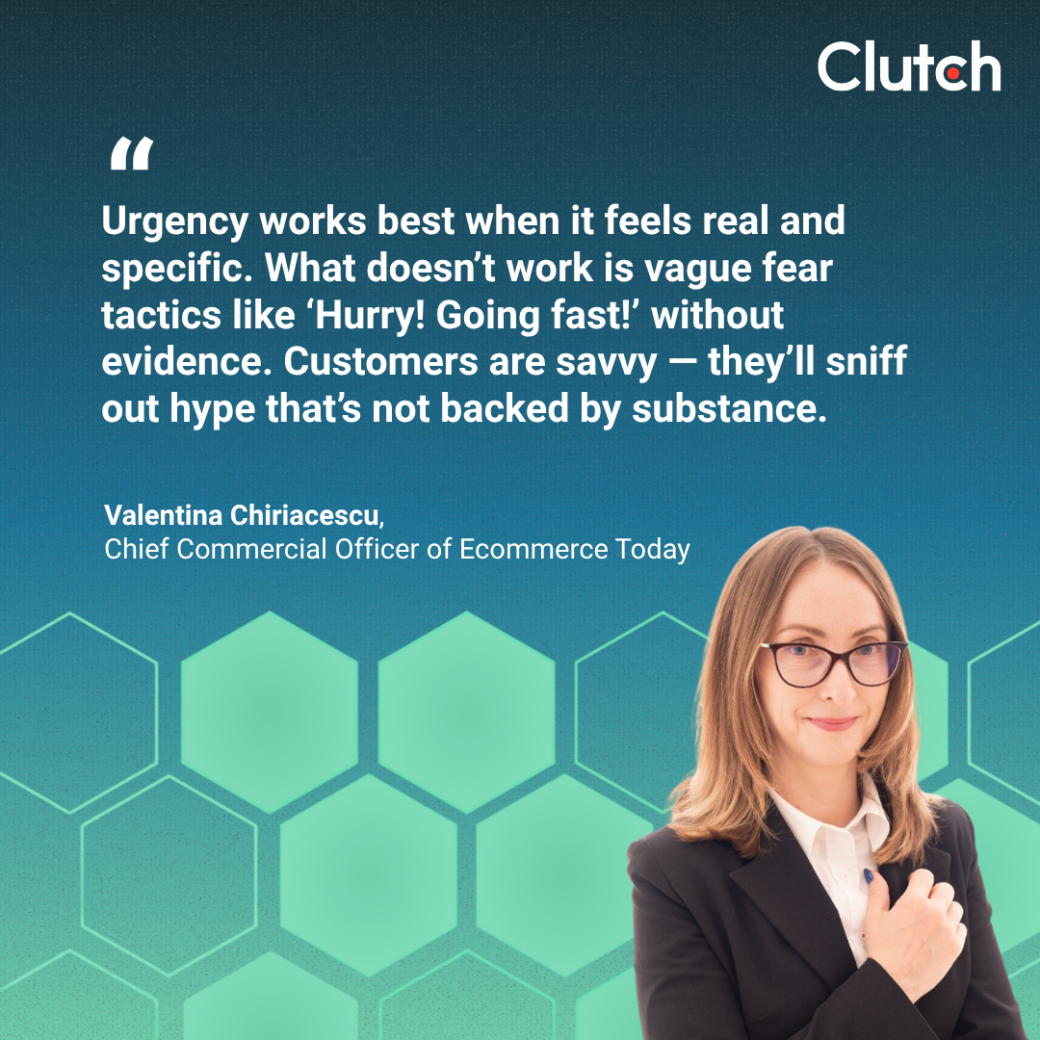
As Chiriacescu puts it, “Urgency works best when it feels real and specific. What doesn’t work is vague fear tactics like ‘Hurry! Going fast!’ without evidence. Customers are savvy — they’ll sniff out hype that’s not backed by substance.”
She suggests, “Pair urgency with visual cues like real-time stock counters or countdown timers. These micro-UX details help reinforce urgency without ever crossing into hard-sell territory.” In other words, show customers why they should act instead of trying to scare or bully them.
Upadhyay recommends these best user experience practices:
- Alert shoppers when stock is actually running low.
- Set specific deadlines and clear countdowns for discount offers.
- Use specific events to build urgency. For example, you might say, “Order by Friday for guaranteed Christmas delivery.”
2. Irrelevant Product Recommendations
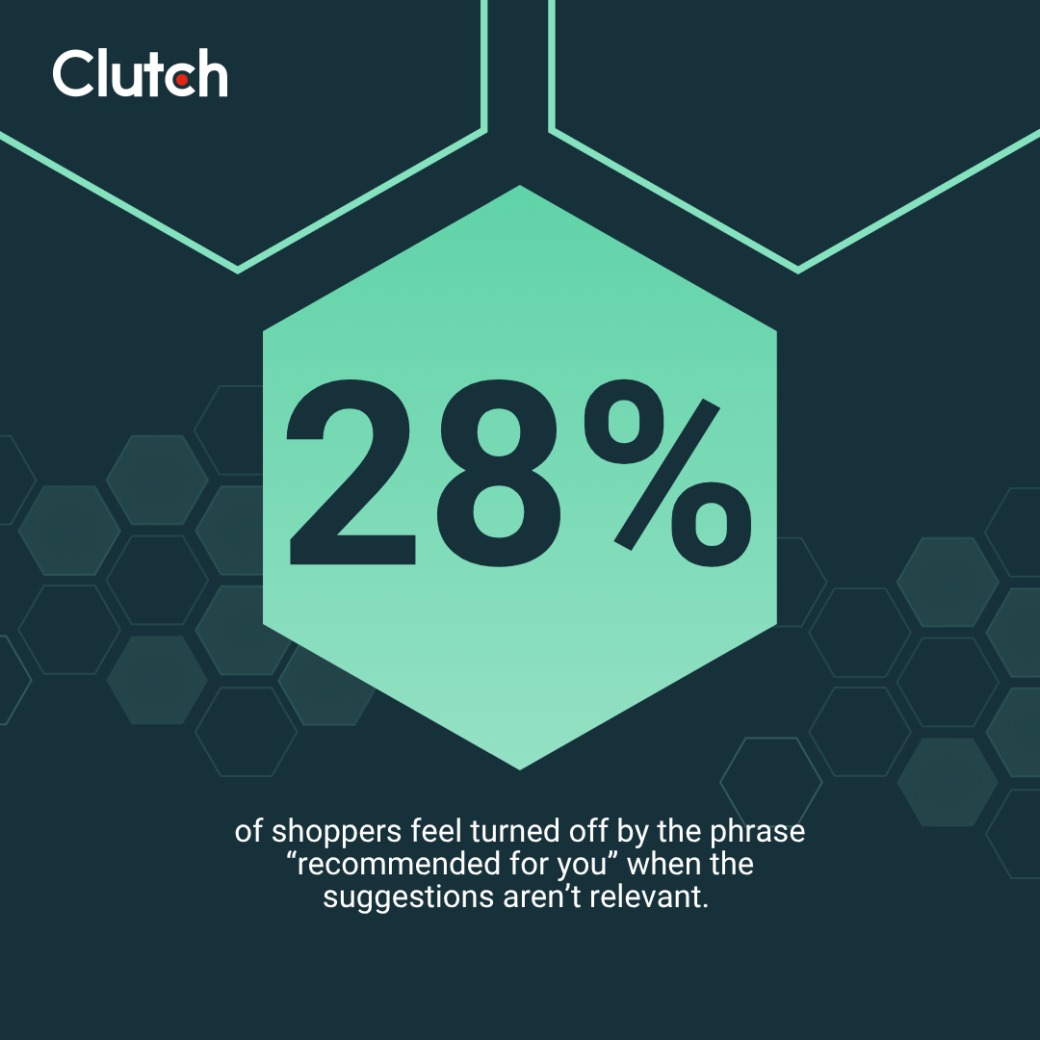
Failing to personalize your upselling attempts is another common error. 28% of shoppers feel turned off by the phrase “recommended for you” when the suggestions aren’t relevant.
This technique backfires because it shows that you don’t actually know your customers, which damages trust.
Try this instead:
- Provide tailored recommendations based on the customer’s browsing history and other data.
- Test recommendations for different segments. For example, bargain hunters may respond best to products with similar price points.
- Design small “You may also like” sections instead of overwhelming shoppers with giant, unrelated promos.
Roberts has used these tactics with great success. He recalls one case study: “We worked with a homewares retailer to introduce a ‘You may also love’ carousel at checkout that suggested complementary items based on the shopper’s cart. The key was to curate these suggestions thoughtfully so they felt like the advice of a stylist rather than an algorithm trying to upsell,” Roberts continues. This approach is effective because it feels personal and valuable, not pushy.
3. Unexpected Costs
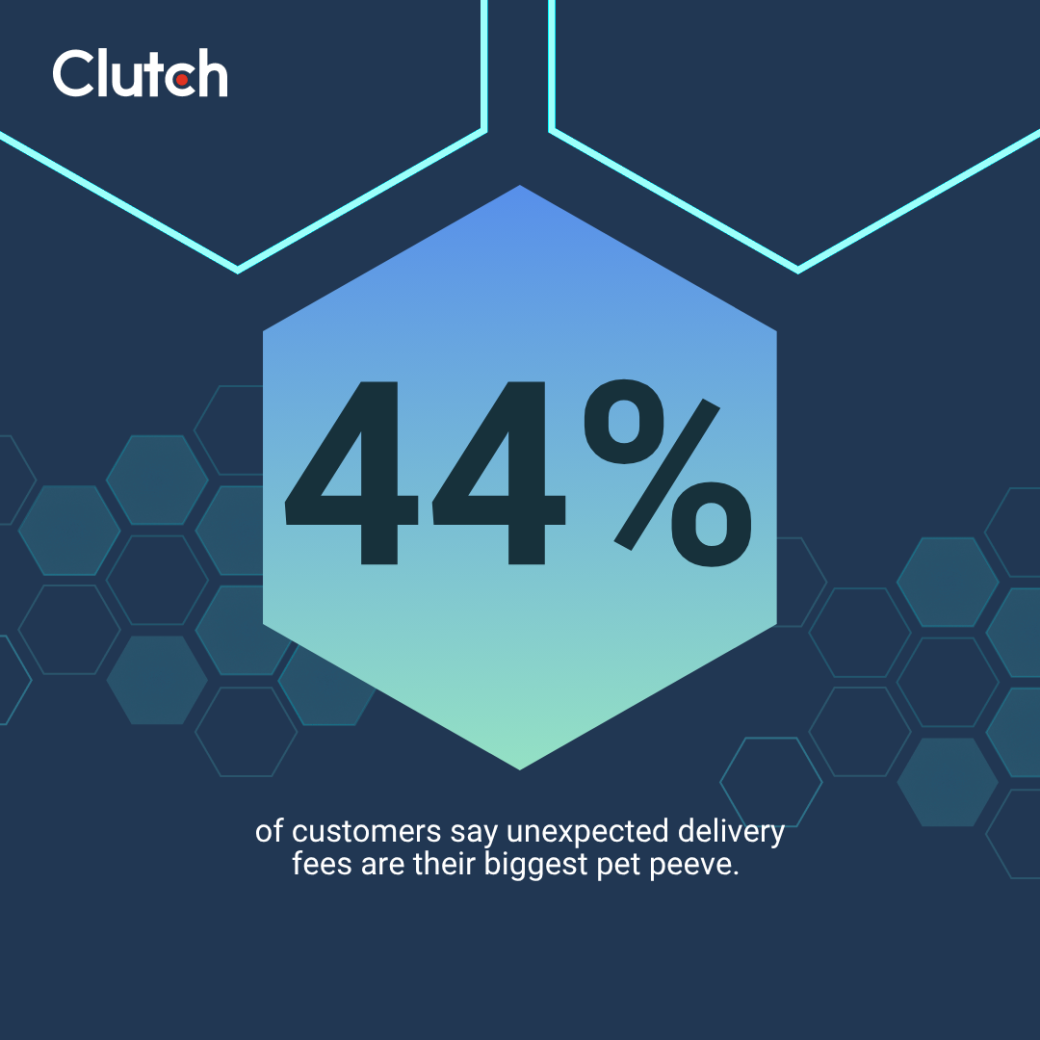
Ambushing customers with surprise expenses is another major misstep, with 44% saying unexpected delivery fees are their biggest pet peeve.
It makes sense. Many shoppers are ready to splurge, but they don’t want to feel scammed or tricked.
Try this instead:
4. Unhelpful or Misleading Pop-Ups
Resist the urge to bombard your visitors with flashy pop-ups. 39% of shoppers say these elements frustrate them when they’re shopping online. That’s because they (quite literally) disrupt the shopping experience.
Try this instead:
- Use banners and other less intrusive features to share messages.
- If you must use pop-ups, limit yourself to one, and time it so it doesn’t interrupt the flow of shopping.
- Make sure any pop-ups are truly valuable. For example, first-time shoppers may welcome a pop-up with an exclusive discount code.
5. Trendy Phrases With No Substance
Avoid making unsubstantiated claims or focusing too much on building hype. These strategies can make people suspicious of your brand, especially if you don’t provide any useful information. For example, the phrase “As seen on TikTok” made 23% of shoppers less likely to trust the product.
Try this instead:
- Back up trends with user-generated content or quotes from creators who actually use your products.
- Use specific claims and statistics. “Over 300 positive reviews” is more convincing than “Influencers love it!”
- Provide photos and reviews for social proof.
Final Thoughts: Turning Impulse Into Action
Triggering positive emotions and removing obstacles are key to encouraging impulse buying.
Chiriacescu sums it up neatly: “These tactics work because impulse buyers don’t want to overthink; they’re guided by instinct, not deep analysis. Your site should make them feel something quickly, and then make it easy to say yes.”
Not sure where to start? Consider partnering with a UI/UX agency to make your site irresistible to impulse buyers. They can help you streamline your checkout process for quick sales, swap pop-ups for banners, and more. Browse Clutch’s directory of top UI/UX design agencies to find the right provider.
About the Author
Jeanette Godreau
Senior Content Marketing Specialist at Clutch
Jeanette Godreau crafts in-depth content on web design, graphic design, and branding to help B2B buyers make confident decisions on Clutch.
See full profile