Evaluating an Marketing Agency in the AI Search Era
AI search has completely changed how people interact with online content. When an AI summary appears at the top of search results, Google users only click a...
Updated April 28, 2026

A well-planned mobile app marketing and content strategy is a great way to set your app up for success. In this article, explore expert-backed strategies that enhance visibility, attract users, and boost engagement to help your app thrive in a competitive market.
Building a mobile app isn’t just about writing flawless code. No matter how sleek your app is, it won’t gain traction without a plan to attract users, keep them hooked, and turn them into loyal customers.
The stakes are high: Clutch survey data shows 45% of smartphone users only download apps when they really need one, and another 18% resist downloading altogether. With app fatigue on the rise, your app marketing strategy needs to work harder than ever to prove value upfront.
That’s where a mobile app marketing strategy comes in. To break it all down, we spoke with Youssef Azmy, Founder and CEO of Purple Zebra. With years of experience in mobile app growth, he shared key insights on creating a winning mobile app marketing strategy.
Keep reading to find expert-backed mobile app marketing tips that will help you gain traction and keep users coming back.
Beyond functionality, a great mobile app is also visually appealing and easy to understand. Your content strategy should focus on making an immediate impact through compelling visuals and well-crafted copy. Here’s how to do it right.
App store screenshots and promo videos are your app’s first impression. Azmy’s advice: “Instead of just telling users what your app does, use app screenshots, GIFs, short demos, and user-generated content to let them see it firsthand…A great visual content strategy should allow them to grasp your app’s value in seconds.”
All visual content should also be on brand. Whether for social media, ads, app stores, or email campaigns, your visual content should reinforce your brand identity. Use consistent colors, typography, and design elements across all platforms.
Azmy believes that “Psychology also plays a role here — blue builds trust, red drives urgency, and yellow sparks excitement. Using these triggers strategically can influence user perception.”
Clarity is another top priority for Azmy. “When users come across your app in an ad, the app store, or social media, they should instantly understand what it does and why it’s valuable.” Make sure your visual content makes the app’s purpose clear.
Written content can make or break people's perception of your mobile app. Here are some tips to keep in mind:
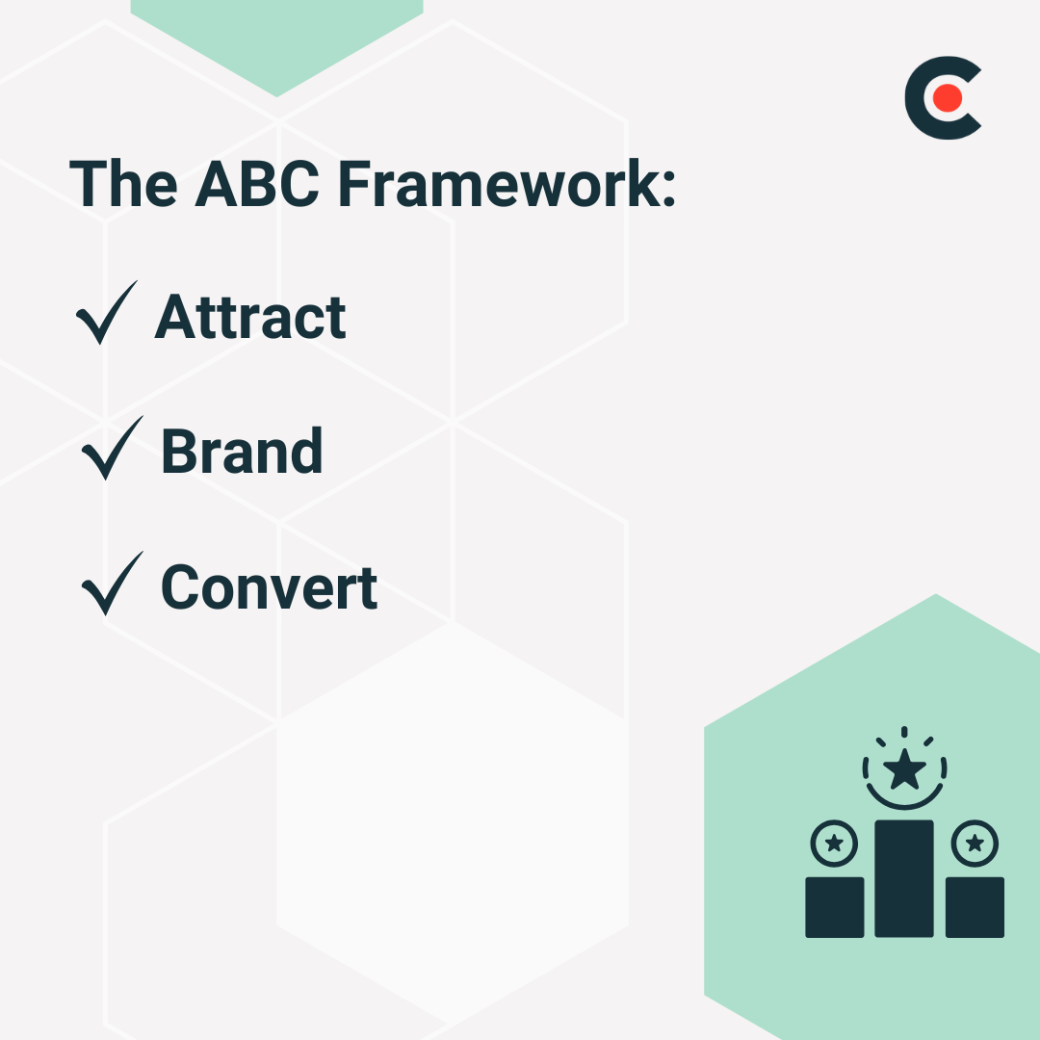
App Store descriptions: Azmy follows the ABC (attract, brand, convert) formula for these descriptions, explaining, “The opening line should grab attention by highlighting the app’s biggest benefit. From there, the description should reinforce the brand’s unique value proposition and explain why this app is worth downloading over the competition. Finally, it needs a strong call to action that pushes users to take immediate action — whether that’s downloading now, signing up for free, or trying it today.”
A well-rounded mobile app marketing strategy is critical for building a user base and maintaining momentum. Here’s how you can map out an effective strategy.
Your app’s voice and messaging should reflect its personality and connect with your target audience. Whether playful, professional, or minimal, it should be consistent across all communication channels.
Visual elements should speak just as loudly as your messaging. Your app’s logo, color scheme, and design should convey the app’s purpose and tone. A recognizable visual identity helps users instantly connect with your brand, even when scrolling through crowded app stores.
Users are most likely to download an app when it solves a specific problem no other tool can — 63% say that's their top motivator, according to Clutch research. Your app store listing needs to communicate that unique value instantly.
User engagement doesn’t end once they download your app. To retain their loyalty, create personalized experiences based on usage patterns. In fact, 77% will keep an app that becomes part of their daily or weekly routine. Your retention strategy should focus on building habitual use, not just one-time engagement. Send customized push notifications, offer in-app rewards and loyalty programs, or use behavioral triggers.
There are lots of ways you can build anticipation for your mobile app launch, including:
Once your app goes live, paid ads help drive downloads. Azmy recommends using ‘Try before you download’ interactive ads since they “remove hesitation, giving users a taste of the app’s experience before they commit.”
Azmy also recommends retargeting, “Many users will visit your app store page and leave without downloading — retargeting ads help bring them back.”
However, be careful with forced-download tactics — 80% of users recall downloading an app because they were required to, and 72% felt annoyed or frustrated by the experience. Frame your launch around voluntary, value-driven installs instead.
Proper app store optimization is non-negotiable. Azmy emphasizes: “If your app store presence isn’t optimized, you’re losing downloads — simple as that.”
Here are some ASO tips to keep in mind:
Once the app is launched, send press releases to key outlets to generate buzz. Media coverage can boost the app’s visibility and attract a wider audience.
You should also send launch emails to your waitlist, existing customers, and followers. Use social media channels to announce the launch, post countdowns, and share user-generated content (UGC).
Now that the app is out, it’s time to market it to the right people. Use different social media platforms to share user stories, behind-the-scenes content, and tutorials. You can also create hashtags to track user engagement.
“A strategic multi-channel approach is key, combining search (i.e., ads on Google Play and Apple Search Ads) with social (i.e., ads on Meta, TikTok, Reddit, etc.),” Azmy explains. This ensures your app reaches both high-intent users and those who may not even realize they need it yet.
Remember to join online communities that align with your app’s target market. Answer questions, provide value, and promote your app when appropriate.
Lastly, build an affiliate program that incentivizes users to refer others. Offer referral rewards, such as in-app currency or special access to premium features.
Launching an app can make or break your business. As Azmy puts it, “[It] is a high-stakes moment — either you build momentum and gain traction fast, or you get lost in a sea of new releases. A digital marketing agency helps stack the odds in your favor.”
Let’s explore how working with a digital marketing agency can help you make your app stand out.
One benefit of outsourcing to a digital marketing agency is their ability to increase your app’s visibility. Agencies have the expertise to target the right audience using a strategic mix of organic and paid media, as well as ASO. These specialists know how to get your app in front of users who will benefit most from it, ensuring maximum exposure.
Visibility is great, but conversion is where the magic happens. Azmy points out, “They also bring specialized firepower across paid media, UX/UI, branding, digital strategy, and app store optimization.”
A digital marketing agency will help increase the chances of users taking the desired action: downloading, signing up, or buying.
Most internal teams don’t have the capacity to handle a full-scale app launch. With an agency on board, you can focus on the big picture while they handle the tactical, high-impact strategies.
Launching a successful mobile app requires a robust strategy and execution. From planning your content to building a strong marketing strategy, every detail matters in driving visibility and conversions.
Partnering with a digital marketing agency can ease your efforts, bringing expertise and focus to your app’s launch and growth. But don’t forget — research, development, and compliance testing are also key.
Want to make sure you’re covering all your bases? Download our full app development checklist to stay on track and set your app up for success!