A user-generated content (UGC) strategy helps brands leverage social media trends by encouraging customers to share their experiences. This boosts engagement, builds trust, and enhances visibility. Key steps include setting clear goals, tracking content with hashtags, and promoting user-driven campaigns. A well-executed UGC strategy keeps brands relevant and connected to evolving social media trends.
This shift in content creation reflects a broader trend towards authenticity, as consumers increasingly prefer the perspectives of their peers over traditional marketing messages. A similar study by Nielsen indicates that 92% of people trust recommendations from friends or people like them more than advertisements, thereby helping to build trust.
Adopting a user-generated content strategy not only allows brands to leverage their customers' creativity and dedication but also helps them stay aligned with the latest social media trends and the buzz around social media commerce. Since social media platforms like Instagram, TikTok, and Twitter are constantly evolving, brands are using UGC to promote, engage, and expand their network.
Looking for a Social Media Marketing agency?
Compare our list of top Social Media Marketing companies near you
For instance, a simple campaign encouraging users to post a picture of themselves using a brand’s product can generate additional coverage or engagement with content. In addition, UGC is also found to increase engagement with social media by up to 28%.
This article will explore some of the major steps necessary for a UGC tactical deployment, the values available for brands, and the guidelines for sustaining growth and engagement in the rapidly changing social media environment.
Understanding User-Generated Content (UGC)
In simple terms, user-generated content (UGC) is content that users create without the input of brands. It consists of reviews, testimonials, social media activity, video, and photo uploads that average people choose to share actively. With UGC becoming a social networking demand, trends keep changing, and the content cannot remain the same, making this new strategy more appealing to organizations.
UGC is highly cost-effective—you don’t have to spend heavily on content creation since your users do it for you. By encouraging UGC, you also build a sense of community, which fosters stronger relationships between your brand and its followers. This enhances the consumers' patience in marketing the products.
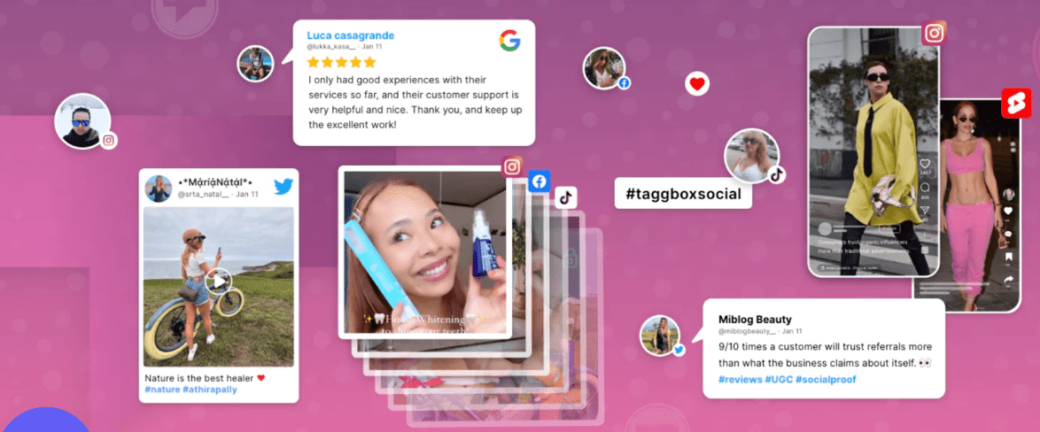
UGC is viewed as more trustworthy and relevant. When real customers offer their insights into a product, customers tend to believe them more than advertisements produced by the brand. In fact, according to statistics, 79% of consumers trust UGC as much as personal recommendations.
Identifying Social Media Trends
To stay abreast of the latest happenings, the best starting point would be to analyze the types of content that users tend to post, share, or interact with on internet platforms, especially Instagram, Twitter, and TikTok. Find common repeated elements in hashtags, memes, viral actions and trends, etc. Tracking influencers' activities and customer purchasing patterns remains a vital strategy.
Tools and Platforms to Find and Monitor Trends
Many free business tools allow you to monitor social media trends for business purposes.
- With the help of Google Trends, you can monitor the most searched queries and evaluate people’s interests at that particular moment.
- Twitter Trends focuses on the topics that are trending daily, while TikTok insights provide the latest viral activities and content on the platform.
- Social monitoring tools like Hootsuite or BuzzSumo and similar tools can also be useful in finding out the main trends taking place on the web.
For example, the #CreativityForAll campaign run by Adobe incited professionals to share their work with Adobe tools and thus, demonstrated the effectiveness of Adobe in increasing professionals’ productivity and creativity.
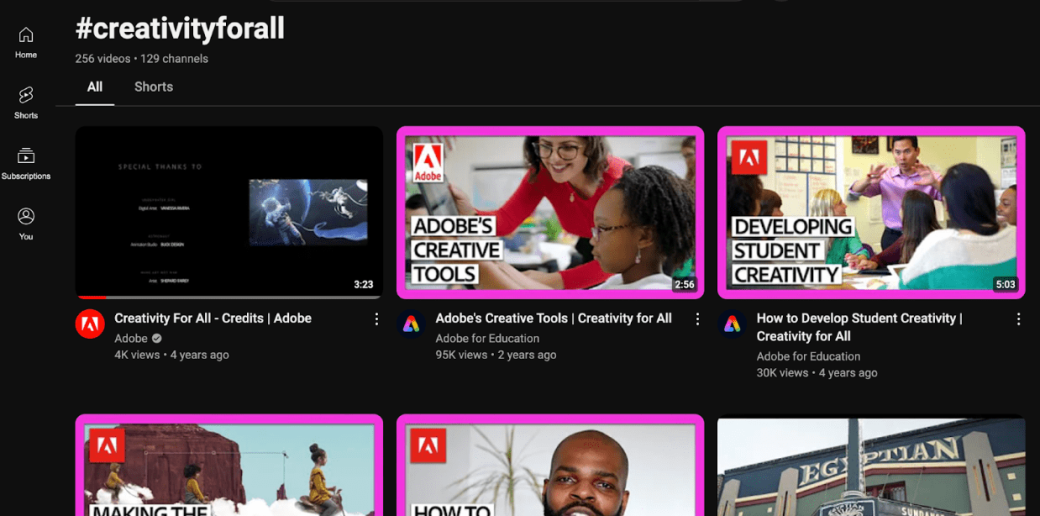
This consumer-generated content emphasized the flexibility of Adobe’s products and contributed to the development of the community of creative users. Companies working in B2B space can implement such approaches encouraging users to post and tell about their own case studies and positive results achieved with certain tools.
Developing a UGC Strategy Aligned with Trends
UCG is a cost-effective strategy that can accommodate a lot of creativity. However, to utilize UGC to its fullest potential, your UGC strategy has to be cut out from the trend landscape of social media. Here’s how you can achieve it:
- Align UGC with Popular Trends
- Set Specific Goals
- Choose the Right Platforms
Align UGC with Popular Trends
The very first thing you need to do is to monitor trend changes on some youth-relevant fostering sites such as Instagram, TikTok, or X (Formerly Twitter). Google Trends and social listening platforms can assist in surviving this volatility. After you realize what the buzz is, think of how the audience's content can fit this. For example, if the trend of video consumption peaked, ask users to post quick videos with tutorials or challenges aroused by the use process of your product.
Set Specific Goals
It is critical to specify what success would look like for your business and what the actions of the consumers in the UGC campaign are. Do you seek to engage more, build brand equity, or make customers purchase? Articulating specific objectives will determine how the design of your campaign proceeds. For interaction, you could create a contest or a thematic challenge with a hashtag. For awareness, you just have to strategically post UGC content on your social pages to make UGC more appealing through user-generated content.
Choose the Right Platforms
For UGC, every social network has its advantages. TikTok serves the purpose of making viral challenges better than other apps. There’s a lot of photo and image storytelling on Instagram. Try to select the social platform that not only adheres to modern-day business social media because of its effectiveness but also your target audience. This ensures that your UGC campaign reaches a greater audience.
Encouraging Your Audience to Create UGC
To motivate your audience, consider running contests, challenges or using specific hashtags. Contests can be particularly effective; for example, you could ask users to submit photos of themselves using your product with a designated hashtag. Offering prizes or featuring their submissions on your official page can create excitement and participation.
Challenges based on current trends can also spark creativity. For instance, if a popular dance challenge is circulating on TikTok, invite your audience to put a twist on it while showcasing your product. This not only increases visibility but also keeps your brand relevant to ongoing social media trends for business.
Tips for Easy-to-Participate Campaigns
When designing your UGC campaigns, make participation simple. Here are a few tips:
- Clear Instructions: Ensure that your audience understands what you want from them. Provide simple guidelines on how to participate.
- User-Friendly Hashtags: Create a unique yet easy-to-remember hashtag that users can easily include in their posts. This helps you track submissions.
- Highlight Participation: Regularly feature user content on your social media channels. This recognition can motivate others to contribute, knowing they could gain visibility. Numerous brands have successfully harnessed UGC by tapping into social media trends. For example, Starbucks’ #RedCupContest encourages customers to share photos of their festive holiday cups, creating a sense of community and excitement around the brand.

In the case of the B2B audience, it is possible to do it by focusing on the subject matter of the industry. Companies may provide the clients an opportunity to post about their stories using the company's product, case design ideas, and other innovative uses with assigned hashtags. Other creative strategies like promising features in newsletters or special offers can be helpful as well. By aligning UGC campaigns with industry trends, B2B brands can engage their audience and increase visibility while staying relevant.
Leveraging UGC for Maximum Impact
When it comes to UGC, the first step is to take the best content produced by your audience. UGC might take the form of customer reviews, photos of one’s product, and so on. Help the audience by coming up with specific hashtags to pool this content.
After you collect these materials, it is worth showing them on the site and on social media. Make sure you treat this as a marketing and content-building initiative, which is focused on the customers and how they are using your product enhances your brand, and facilitates more UGC.
Put it up regularly. Use it in your stories, make a highlight, or include it in the newsletter. Just note that showing off your consumers using the products is not only helpful for building community but can also help to ‘win ‘ people over who are influenced by social media.
UGC is wonderful regarding benefits, but it has to be produced with a warning since risks are involved. The most important courtesy rule is –never use against a user’s wish. Engagement can usually be achieved by simply contacting them individually and requesting permission. It is the best practice to always ensure that you give credit to the original authors whenever you use their work. This does not only protect their originality, it also motivates them to give some of their content to you with a reminder that you would give them credit.
In furtherance to that, ensure you learn the copyright law’s provisions. User-generated content might be subject to copyright; hence, there is a need to learn the rights therein to ease legal challenges.
A great way to boost UGC is by partnering with influencers and brand reps. Their authentic content can expand your reach. Encourage them to create and share UGC through contests or challenges, engaging their followers and increasing brand visibility.
Measuring the Success of Your UGC Strategy
A well-crafted user-generated content (UGC) strategy can enhance your brand image on social channels. Of course, the primary question remains—how does one measure one's efforts? The UGC strategy has to be evaluated and redemption tracked through metrics analysis, implemented instruments, and constructive actions based on data collected. Why don’t we take a step further and focus on the details?
Key Metrics to Track
To gauge the effectiveness of your UGC efforts, focus on three main metrics:
- Engagement Rate: This metric indicates how well your audience interacts with your UGC. Monitor likes, shares, comments, and overall interactions. A higher engagement rate suggests that your content resonates well with your audience.
- Reach: Reach measures the number of unique users who see your content. Tracking reach helps you understand how far your UGC spreads across social media platforms, especially about current trends.
- Conversions: Ultimately, you want your UGC to drive action. Track how many users take desired actions (like signing up for a newsletter or making a purchase) as a result of engaging with your UGC. This is where social media trends for business become crucial, as effective UGC can lead to increased sales or leads.
Tools for Measuring UGC Impact
You do not need to carry out all the lifting yourself manually. There Are lots of tools that can help you in ascertaining the effectiveness of your UGC:
- Google Analytics: Assess the traffic and conversion trends related to UGC posts and campaigns.
- Hootsuite or Sprout Social: These platforms provide analytical features that can measure engagement and reach components as well.
- Social listening tools: Tools such as Brandwatch can allow you to perform sentiment analysis about your brand and track UGC's effectiveness in real time.
Iterating & Refining Your Strategy
After collecting data, it’s time to act. Use the performance metric data you’ve compiled to determine what went well and what did not. Here’s How:
- Look for patterns: Search for patterns from your engagement and conversion data. Does a particular UGC do better among specific social media trends?
- Refine Content: As you gather data, make changes to your UGC campaign to improve performance. This may include changing the message, using different advertising channels, or using other social media channels to catch the trend
- Try Out New Ideas: The world of social media changes every second. Be ready to try new things and even new content or channels, looking at the current evaluation of what works.
By paying attention to these primary areas, employing appropriate strategies, and enhancing the strategy itself, you can evaluate the performance of your UGC strategy and its relevance in the continuously changing wave of social media. Start tracking today, and watch your brand flourish.
Key Takeaways for Successful UGC Implementation
In order to execute the user-generated content strategy successfully, it is necessary to consider the social media trends present at a certain point in time. Knowing what is trendy and creating content around those trends makes creating better content that pleases your audience possible. Always being aware of trends helps to ensure that your UGC strategy is relevant and active. This not only increases the level of engagement but also helps protect the brand from being irrelevant in an evolving digital environment.
By promoting activities among customers and utilizing contests, challenges, and the recent hashtag techniques, brand owners can enhance participation, create awareness, and remain relevant in the ever-volatile social media environment.
Author Bio
Michael Chukwube is a digital PR strategist and content writer passionate about technology. Published on leading platforms, including StartUp Growth Guide, Techopedia, ReadWrite, Infosecurity Magazine, DZone, and more.
About the Author
Michael Chukwube
Experienced Marketing Consultant and Guest Author.
Experienced Marketing Consultant and Guest Author. Published on leading platforms including StartUp Growth Guide, Techopedia, ReadWrite, Infosecurity Magazine, DZone, and more.