
12 Years With Clutch: How Intuz Builds on a Partnership That Delivers
A Relationship That Has Stood the Test of Time Intuz is an AI consulting and development company established in 2008, with operations in Silicon Valley...
Updated May 29, 2026

Geolocation data is often associated with consumer marketing, but it plays an increasingly important role in B2B strategy. When used responsibly, it helps businesses understand regional demand, align sales and marketing efforts, and deliver more relevant experiences without overreaching on data collection.
Geotargeting has become a standard part of our daily lives. Whether finding the nearest restaurant, tracking a delivery, or getting directions, geolocation data is the unseen force behind numerous services, and it offers significant benefits to B2B companies by providing valuable insights for improvement.
In B2B industries, geotargeting is typically used to support longer, more complex buying journeys rather than drive immediate action. Location data helps companies align messaging with regional sales teams, industry clusters, or in-person moments like conferences and trade shows, where relevance depends on context and timing more than proximity alone.
The emphasis is on reaching the right accounts and stakeholders with information that reflects local market dynamics, regulations, or business needs.
In contrast, B2C geotargeting is designed to influence individual behavior quickly, often in real time, by surfacing offers, recommendations, or reminders tied to where someone is right now.
While both approaches rely on location signals, B2B geotargeting is about strategic alignment and intent over time, whereas B2C geotargeting is about immediacy and personal convenience.
Geolocation data helps businesses operate more efficiently, better understand and serve customers, and find high-intent leads. Here are some key benefits you should consider for your B2B business:
Effective sales territory management involves dividing your market into specific geographic areas to optimize sales efforts that can strongly influence sales achievements. B2B companies can pinpoint areas with high numbers of potential clients by mapping customer data onto a map. That enables sales teams to focus on areas with the highest rewards, increasing efficiency and driving sales.
Furthermore, geolocation aids us in restructuring sales territories to guarantee equitable workloads and thorough coverage. This results in more satisfied sales representatives and customers. Knowing the location of our competitors is beneficial in identifying markets we haven’t ventured into yet, assessing competition, and adjusting the selling strategies for the best outcomes.
You get incredibly detailed customer profiles when you merge geolocation with the rest of the customer information you collect. That means you can pinpoint accurately who your customers are, where they reside, and what they are interested in. With this knowledge, you can write marketing messages tailored to specific people and places, making your marketing efforts more targeted and effective.
Understanding where your customers are could mean you can give them the products, services, or support they require right now. Indeed, that can increase customer satisfaction and overall loyalty to the firm.
Geolocation functions as a proactive GPS for your company, assisting you in navigating the intricacies of supply chain management. For instance, suppose you are fully aware of the exact location of all your belongings at any given moment – from their origins to their destination- and the quantity you should always have readily available.
Using geolocation allows you to proactively discover the quickest paths for your trucks, determine which warehouses are complete (or empty!), and anticipate issues such as natural disasters that may disrupt your supply chain.
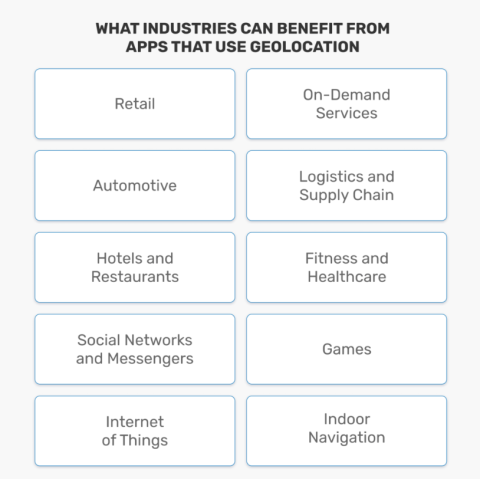
By leveraging location intelligence, you can transform how you identify opportunities, optimize operations, and deliver exceptional customer experiences. From pinpointing high-value prospects to optimizing supply chains and personalizing interactions, geolocation data unlocks a world of possibilities for your B2B business.
Let's explore seven strategic ways to harness its power:
LBM is vital for B2B companies looking to enhance their targeting and boost ROI. By utilizing IP geolocation APIs, GPS, beacons, and blueprints, marketers can precisely target potential clients, send personalized messages, and improve marketing strategies.
IP geolocation API offers detailed information about a visitor's location, allowing for personalized content depending on the region, city, or neighborhood. Using demographic data, you can develop accurate persona profiles to deliver hyper-targeted content in particular market segments and increase product visibility and sales in critical locations.
For example, a B2B software company could provide information showcasing functionality to particular industries or company sizes, depending on the visitor's location.
GPS technology enables live monitoring of mobile users, making proximity-based marketing and geofencing easier. A field service provider can utilize GPS to locate the nearest technicians, improving response times to service calls. Geofencing can send alerts when clients arrive at a designated location, like a conference or a rival's site.
Beacons provide accurate indoor location tracking, allowing for specific marketing offers within physical environments.
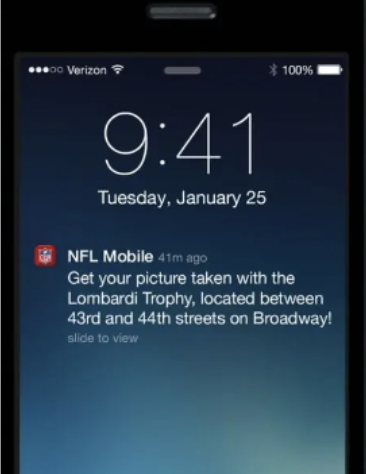
Using beacon technology, you can detect customers close to your store in real-time, identify repeat or new customers, collect their location data, and send relevant offers or deals to engage a specific target audience based on their buying patterns or online browsing habits.
Blueprints and digital depictions of physical spaces help visualize customer experiences and optimize marketing strategies accordingly. A commercial real estate company can utilize blueprints to examine footfall inside a building and pinpoint busy spots for digital marketing.
RFID, an abbreviation for Radio-Frequency Identification, uses radio waves to monitor tangible possessions. Small labels with distinct codes and essential information are affixed to belongings, enabling them to be read wirelessly by RFID devices. Next, the data is sent to a system for tracking assets, which offers up-to-the-minute details on location, state, and utilization.
RFID enables businesses to enhance asset usage, reduce downtime, and make knowledgeable choices through real-time location information. With improved asset location awareness, general awareness about inventories' positions, and the whereabouts of business equipment, the general running of the business becomes more accessible, the loss is thereby reduced, and efficiency is increased.
Furthermore, RFID's capacity to monitor assets in real-time allows for preemptive maintenance, which helps avoid equipment breakdowns and prolongs asset life. This holistic asset management strategy reduces costs, enhances customer contentment, and boosts overall business success.
With AI-powered location intelligence, businesses can enhance customer experiences by offering personalized suggestions considering location, preferences, and previous engagements. It also enhances sales and marketing strategies by accurately dividing customers into segments and running focused campaigns.
Additionally, AI-driven location intelligence enhances supply chain management by effectively improving route planning, forecasting demand, and managing risks.
Let us imagine a situation in a large-scale logistics company where the company experiences a significant problem with inefficient routing, commercial auto insurance and scheduling of its delivery trucks, volatility of demand, and unpredictable incidents such as weather conditions or traffic congestion.
The solution? With the help of AI and geolocation data, the company can build a rather complex logistics management system. In delivery operations, AI sets up the routes for delivery in real-time, predicts the demand for the product in the future based on data collected in the past and influences from the outside world, and counteracts risks through data monitoring and analysis.
This potent partnership promotes data-based decision-making, improves efficiency, and provides outstanding customer experiences, setting businesses up for sustained success.
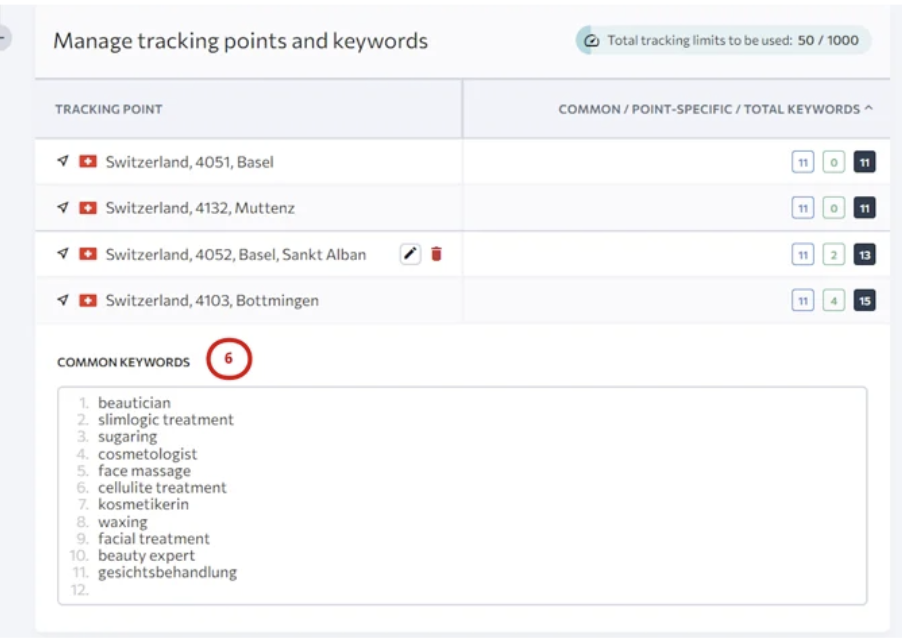
Location-based advertising is an effective tool for targeted marketing for B2B companies. This method boosts ad relevance, maximizes ad spending efficiency, and produces top-notch leads. Here are some valuable tips for creating effective location-based ads:
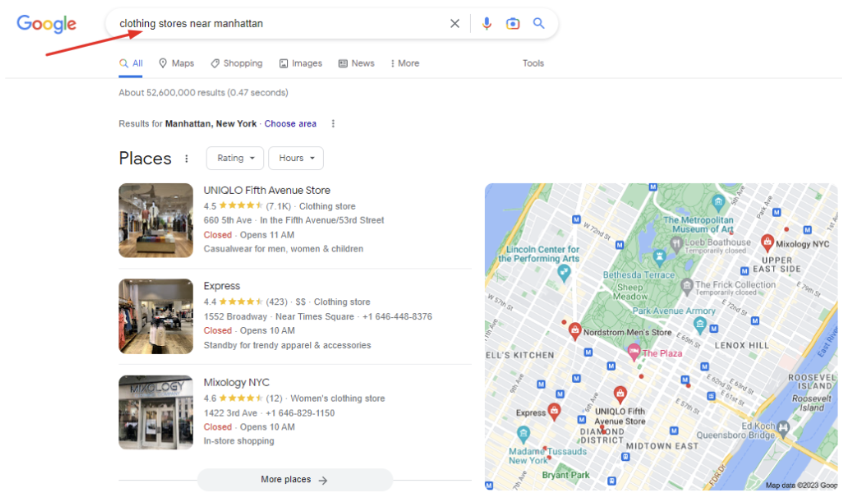
Take an example of a B2B company specializing in cloud-based CRM software that can target attendees of a major sales conference. Take the example of a B2B company specializing in cloud-based CRM software that can create ads targeting attendees of a major sales conference.
By geofencing the conference venue, the company can deliver ads to attendees' smartphones, highlighting the benefits of its CRM solution for sales teams. This approach ensures the ad reaches a highly relevant audience actively seeking sales tools and increases the likelihood of generating qualified leads.
Utilizing geolocation data alongside mobile advertising and a social media scheduler provides B2B companies with an effective way to reach their specific target market at the right time. That boosts advertising interaction, enhances return on investment, and increases conversion rates.
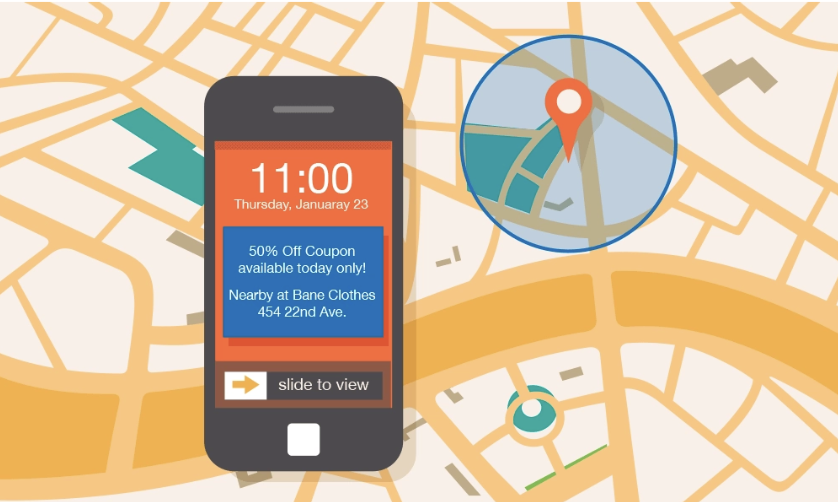
Mobile advertising also enables bidding in real-time and optimizing campaigns, allowing businesses to adjust based on performance data and location information. The best thing about it is the ability to reach potential consumers and those who visit your target area.
You can follow these valuable tips for mobile ads:
Micro-moments are brief when clients look to their devices for quick solutions or tasks, which are of great value to B2B marketers. Geolocation information bolsters the significance of these moments by offering an essential background. Businesses can provide highly relevant information and services by utilizing knowledge of a user's whereabouts.
For example, a field service provider can immediately assist customers facing equipment problems based on location, turning a potential issue into a beneficial customer engagement.
“We create, use, and examine various types of content, such as articles, videos, case studies, social media posts, quizzes, and advertisements,” says Mariano Rodriguez, Founder of LawRank. “We customize them to achieve specific micro-moment goals, such as increasing brand recognition, encouraging consideration, and driving conversions. We also utilize tools to design and enhance your visual content and ads for better outcomes.”
Geolocation data can help you understand your target audience's behaviors, preferences, and moments of vulnerability. This knowledge can help you develop a successful content marketing strategy to guide your customers through their journey.
Geolocation information enables B2B companies to provide a tailored service experience. Companies can improve service delivery by pairing a technician's current location with customer requirements.
A field service technician can be given personalized job assignments depending on how close they are to customers, reducing travel time and increasing productivity. Furthermore, technicians can offer precise arrival estimates by utilizing real-time location information, increasing customer satisfaction and building trust.
Here are some ideas for using geolocation data to personalize your B2B buying experience:

To fully utilize geolocation's potential, prioritize tracking location-based KPIs such as click-through rates, conversion rates, and revenue generated in particular geographic regions. Examine the impact of location on customer behavior and adapt your tactics accordingly.
To illustrate this, we consider that a B2B software company targeting small businesses notices a significantly higher conversion rate in urban areas than in rural regions. This data indicates that their marketing message resonates better with urban audiences. To optimize their strategy, they could allocate more resources to urban areas, refine their messaging for rural audiences, or explore different channels to reach them effectively. The company can make data-driven decisions to improve campaign performance and resource allocation by tracking location-based KPIs.
Measuring the effects of your location-based strategies allows you to improve your campaigns for the best ROI and obtain helpful information about your target demographic.
Geolocation data is valuable for B2B companies looking to improve efficiency, boost customer satisfaction, and spur expansion. Companies can access fresh prospects and secure a competitive advantage by efficiently utilizing location intelligence through location-centric marketing, RFID, artificial intelligence, and mobile advertising.
To make the most of geolocation data, companies should evaluate KPIs related to specific locations and consistently adjust their tactics using data analysis insights.
As technology advances, the possibilities for B2B success through geolocation will increase. Being aware of location is crucial for the future of business; starting this journey early will lead to faster benefits.
Geolocation helps identify a person or gadget's exact location, allowing marketers to deliver personalized content. They can use geographical coordinates, IP addresses, GPS, or cellular signals to target specific areas like countries, cities, and zip codes.
Geotargeting relies on signals that reveal where a device or user is situated, which can include IP addresses, GPS data, Wi‑Fi connections, mobile network information, and even location permissions granted to apps or browsers. By interpreting these signals, businesses can tailor messaging to specific regions, cities, ZIP codes, or even a defined radius around a physical location.
Different platforms use geotargeting in slightly different ways. For example, search engines and display ad networks often rely on IP addresses to infer a user’s general location, which works well for city- or country-level targeting. Mobile apps and push notifications, on the other hand, can use GPS or beacon data to deliver highly precise, proximity-based messages. Some platforms also allow targeting based not just on a user’s current location but on locations they have shown interest in, giving marketers the flexibility to reach potential customers beyond immediate proximity.
Once a location is identified, geotargeting settings determine how content is served. Businesses can choose to include or exclude specific areas, adjust bids for higher-performing regions, or customize creative to reflect local language, culture, or promotions. The effectiveness of geotargeting depends on accuracy, the quality of location data, and thoughtful campaign setup.
Consumers are growing more worried about tracking data because of safety and security risks, the lack of control they have over their data, and how it’s being used. Though there are data security and privacy laws in place to protect user rights. Marketers using geolocation data need to adhere to these laws, such as GDPR and CCPA. To comply, most companies need to implement robust technical safeguards, such as encryption, access controls, and regular audits, to ensure the data they collect is sage. They also need to avoid excessive tracking, ensure users can access their collected data, and verify third-party vendors before transferring data.