
How to Define Brand Values That Guide Every Business Decision
Brand values are the principles that guide company decisions, define what a brand stands for, and shape how it treats customers, employees, and partners.
Updated April 24, 2026

Earned media is an incredibly powerful way to gain trust. Our top tips will help you connect with influencers, write pitches, and more.
There’s an entire media universe outside your business’s blog and social media accounts. Traditionally, this universe centered around a handful of newspapers and TV channels. But today, it’s shattered into what Jim VandeHei and Mike Allen, co-founders of Axios, call “media bubbles” — which include everything from e-newsletters to podcasts and TikTok.
These channels are all examples of earned media. This type of publicity comes strictly from external sources without connection to your company. That means you can’t get earned media with a credit card swipe or create it yourself. You also have little control over what those external voices say about your brand.
Looking for a Public Relations agency?
Compare our list of top Public Relations companies near you
However, that doesn’t mean you’re powerless. Earned media is just that — something you can (and must) put effort into obtaining. This article contains expert earned media strategies that can help your business boost brand visibility in many media bubbles.
If you’re used to handling all your own coverage, you may not even know where to start looking for outside publicity. Here are a few earned media examples to focus on:
Some customers stick to just one or two of these bubbles, while others roam through the entire media universe. Appearing in as many bubbles as possible will help you spread the word about your brand.
Forget about bribing a journalist or paying customers for good reviews. That’s neither ethical nor legal. Plus, it defeats the entire purpose of earned media — to gain the respect of outsiders.
But you don’t have to sit around until someone notices your business. Set yourself up for success with these proven earned media techniques:
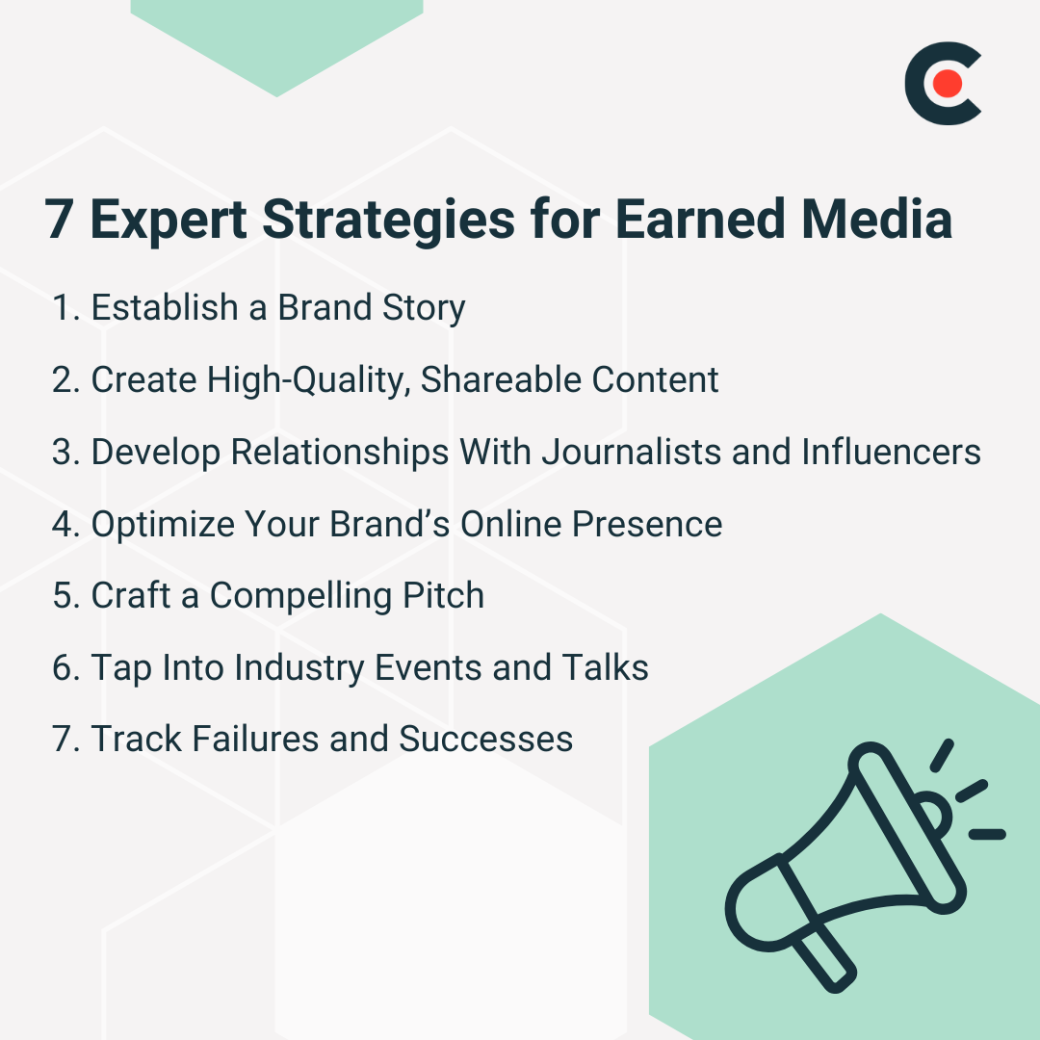
If you want people to talk about your brand, give them something to work with. After all, no one wants to read a news article that says, “X sells dog toys. They seem to be very popular with pets. The end.”
Your business needs a real story — something inspiring or moving. This narrative should reflect your core values and shape all your content. For instance, anyone who peruses Ben & Jerry’s website will quickly see its deeply invested in environmental and social justice.
Once you have a coherent story, outsiders can easily pick up on it and expand it.
Earned media creators don’t always start from scratch. They often share and repurpose content that businesses have already created. You can increase the chances of getting their attention by consistently developing polished and relevant content.
“Tapping into current events or societal movements can make your brand part of larger conversations,” observes Tamara Hofer, copywriter and marketing assistant at The Branx.

Lush is one brand that has mastered the art of shareable content. With its “We Are Campaigns,” it promotes environmental activism around the world. Journalists can find many shareable stories and inspirational videos about these initiatives on Lush’s website.
As geopolitics shifts, look for opportunities to follow in Lush’s footsteps and engage in activism.
Producing original research can also help you gain attention. Focus on content others can build on, such as infographics and white papers. Blogs with insights from thought leaders may also get quoted in other outlets.
You already know you can’t just pay a journalist to write about your business. And while you can hire an influencer for endorsements — that falls under paid media — it feels more authentic when they shout out your brand on their own. But that doesn’t mean you can’t build connections with them.
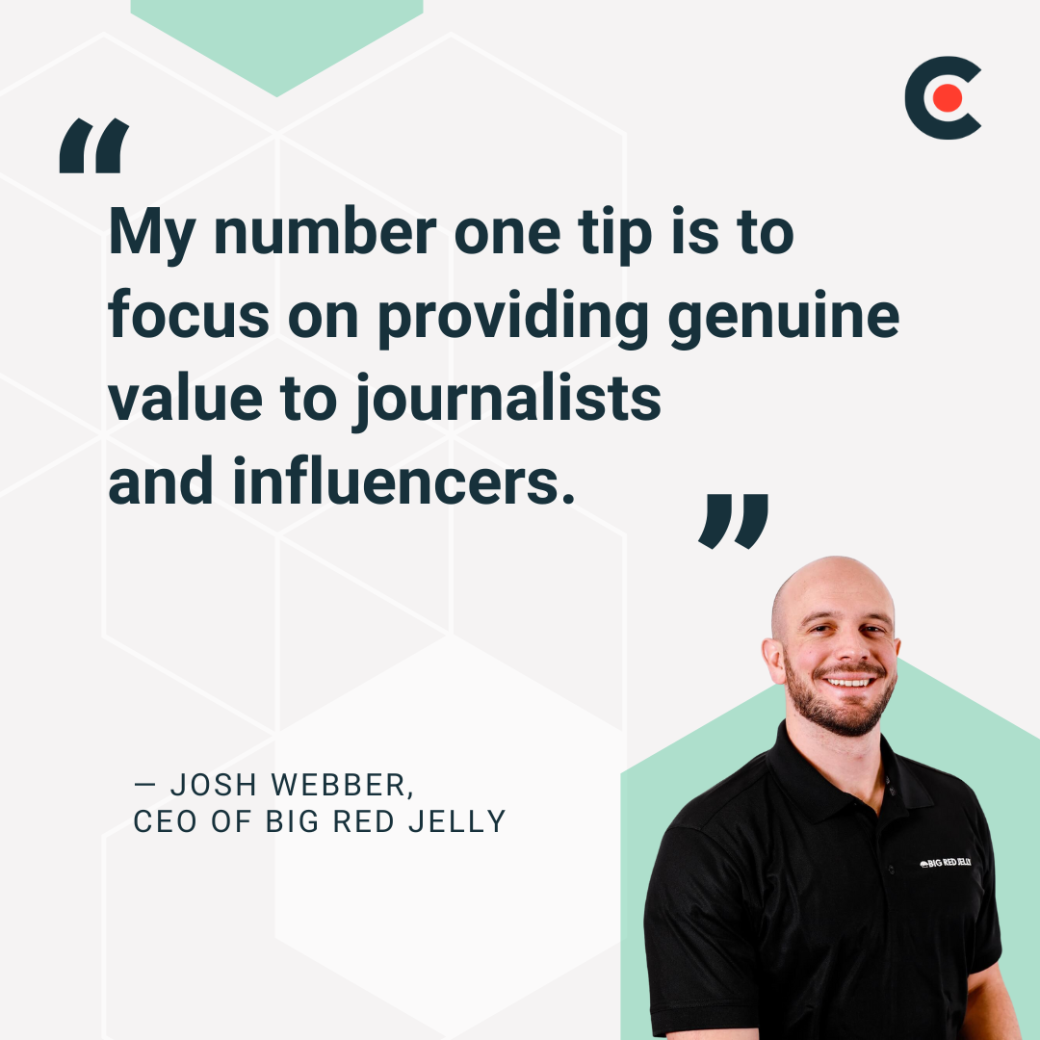
“My number one tip is to focus on providing genuine value to journalists and influencers,” advises Josh Webber, CEO of Big Red Jelly.
It’s as easy as connecting with them on social media and responding to some of their posts. For example, you might repost a news article you enjoyed. Or pass along an upcoming event that might interest them.
Just don’t come on too strong. Word gets around fast in the media industry, and the last thing you want to do is get a bad reputation. Professionalism is paramount here.
Earned media creators can’t spotlight your business if they’ve never heard of it. Make sure your company is easy to find online.
It starts with building a professional website with relevant keywords. For instance, a journalist writing a story about the popularity of thrifting might search for “vintage shops near me” or “vintage fashion expert.” If your website pops up, they might contact you for a quote.
Be visible on social media, too. Connect with creators in your industry and share content of your own regularly. That way, you’ll be fresh in their minds when they need a new story.
Many journalists welcome pitches from brands. For example, you might suggest a story about an upcoming product launch or one of your community projects.
Here are a few tips to help you create strong pitches:
Popular journalists receive hundreds of pitches a month, so don’t get discouraged if you don’t get an immediate response. Channel your inner baseball player and just keep pitching until something lands.
A lot of earned media is online, but you should still attend in-person conferences and other events in your niche. Mingle with earned media creators and share your contact info in case they want to chat more.
Share your thoughts about industry trends, too. A short thought leadership piece on LinkedIn or your blog could easily get the attention of news outlets.
Earned media has a steep learning curve, even for seasoned marketers. It’s also never going to be as fast as posting on your own blog or buying ads — building relationships takes time. Be persistent.
Keep records to help you figure out what works and what doesn’t. For instance, you could track all your pitches on a spreadsheet. If a journalist doesn’t respond after four or five attempts, you can scratch them from your contact list.
Marketing is changing quickly, and that includes earned media. Here are a few fascinating trends to keep on your radar.
Platforms like Brand24 and Brandwatch use artificial intelligence to comb through social media and websites. They immediately notify you whenever someone mentions your brand so you can keep an eye on the conversation.
These tools also analyze the sentiment of these mentions. If people are talking about your brand positively, you know you’re doing something right. But if the discussions are negative — or outright bashing your business — it’s time for damage control.
Relationships are everything. The 2024 Edelman Trust Barometer Special Report found that 63% of customers are more likely to buy products from brands they trust.
Earned media can increase confidence in your brand. A glowing review or a flattering news article could make a huge difference for skeptical customers.
Don’t assume you need to hire a social media megastar to get attention. Micro-influencers have a lot of sway, too. They typically have small but mighty followings of 10,000 to 100,000 users.
A 2024 study found micro-influencers are especially influential for Gen Z, who love authentic storytelling. For instance, Maddie & Rudder (@myboyrudder) promotes tons of healthy dog products. Endorsements from creators like these carry a lot of weight in their communities.

These creators build loyal communities around specific niches.
Credibility is hard to gain and easy to lose. Earned media can build your brand reputation and gain customer trust. It’s a seal of approval from trusted media outlets and influencers.
It’s also cost-effective. Instead of pouring money into ads, you can focus on developing relationships and telling stories. Get started by connecting with reporters in your industry on social media. Let the pitching begin!