7 Tips For Designing Web Forms
Clutch surveyed 502 web users about what they actually want from form design. Here are 7 data-backed UX principles that reduce abandonment and improve...
Updated May 28, 2026

Web design is all about driving conversions and engagement. It’s no longer just about looking good—it’s about creating experiences that captivate, convert, and keep visitors coming back. Ready to stay ahead of the curve and transform your site into a conversion powerhouse? Let’s dive into the trends you can’t afford to miss.
Web design has come a long way since the days of Geocities and Angelfire. Grainy backgrounds, spinning clip art images, and guest books filled with visitor names — those early websites were an experience, to say the least. But times have changed. If you want to attract visitors and turn them into customers, a modern website is absolutely essential.
Of course, designing an effective website is about more than just the aesthetics. The best sites offer a seamless user experience (UX), increasing the chances that visitors will engage with your content and, ultimately, lead to more conversions.
Looking for a Web Design agency?
Compare our list of top Web Design companies near you
We’ve researched the top web design trends to help you boost conversions and engagement. We’ll also spotlight some outdated trends that may be hurting your performance so you can create a website that looks great while growing your business.
Before you consider implementing the latest website trends, take the time to ensure your core design is on point. Think of it like renovating a house. The trendiest furniture and even fresh paint won’t matter if the foundation is crumbling to dust.
Here are a few essential elements for every business website.
While playing with aesthetics is fun, your primary goal should always be inspiring action. Consider user intent, and design every aspect of your website with conversions in mind.
Start by creating clear and direct messaging. Arjun Ahluwalia, Vice President of Marketing for Mobikasa explains, “If visitors can't understand what you're offering and why it matters within 5 seconds, you're losing conversions immediately.”
Use specific headlines to highlight your value proposition immediately. If you’re selling productivity software, for instance, “Manage tasks twice as fast from anywhere” highlights the key benefits clearly. By contrast, something like “Tired of your to-do list?” doesn’t tell visitors exactly what you’re offering.
Focus on benefits over features, too. According to Tomás Gouveia, a marketer at Significa, “Messaging excessively focused on the business's features rather than demonstrating how those capabilities contribute to client success significantly impedes conversion rates.”
Your website should also include straightforward calls-to-action (CTAs) like “Buy now” and “Download here.” These phrases might seem a bit generic, but they get results. Be sure to include strong CTAs throughout your site to drive conversions.
Naturally, you want your website to reach as many users as possible. By focusing on accessibility, you can help more visitors interact with your content.
“Over 15% of people globally have disabilities, and many more benefit from accessible design, like clear navigation and readable text,” explains Heral, Managing Director at a WooCommerce Agency. “Making your store easier to use means more potential customers can shop hassle-free.”
Heral recommends creating an intuitive checkout process. “A smooth, accessible checkout flow helps reduce cart abandonment. It makes it easier for all users — including those using screen readers or keyboard navigation — to complete their purchase.”
Alt-text is another must-have feature. These short descriptions help people with visual impairments understand product photos and other content.
As you design your site, keep the big picture in mind. As Valentina Chiriacescu, Chief Commercial Officer of Ecommerce Today, puts it, "The website isn’t just a collection of pages — it’s an experience. The words, images, and layout need to work together to tell a cohesive story.”
This might involve:
Narrative-driven design is a great way to build trust. Josh Webber, CEO of Big Red Jelly, explains, "Weaving your brand's story into everything you do creates a deeper connection with your audience and differentiates you from competitors. People connect with stories.”
The result? A truly unique site with higher conversion rates.
Once you’ve mastered the basics, these web design trends will help take your conversion rate to the next level.
A bento grid displays content in different compartments. Just picture the famous Japanese bento lunchbox, where every snack has its own place. This format makes it easy to scan content, boosting engagement. It also increases conversions by guiding the visitor’s eyes towards CTAs.
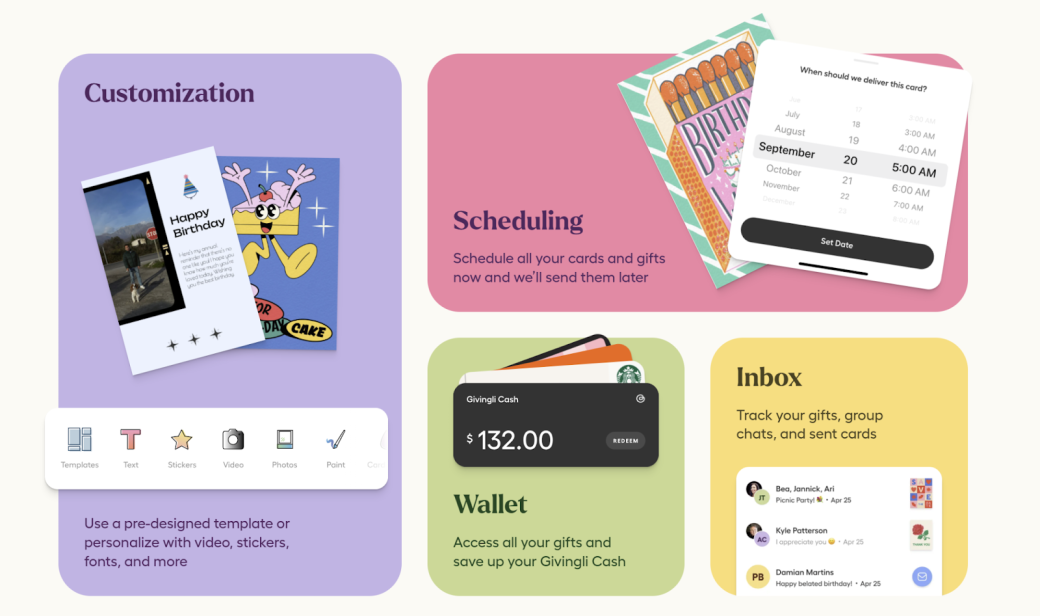
Givingli uses a bento grid to highlight the platform’s features.
How it improves conversion:
Sometimes, stock images just don’t fit your brand voice. Plus, many businesses are already moving away from AI imagery, which can look fake or downright weird.
Instead, consider investing in custom illustrations to tell your story. Maciej Budkowski, CSO of Explain Visually, notes, “In our increasingly digital world, people are craving that personal touch – imperfections and all. Hand-drawn elements bring warmth and personality that consumers find refreshing.”
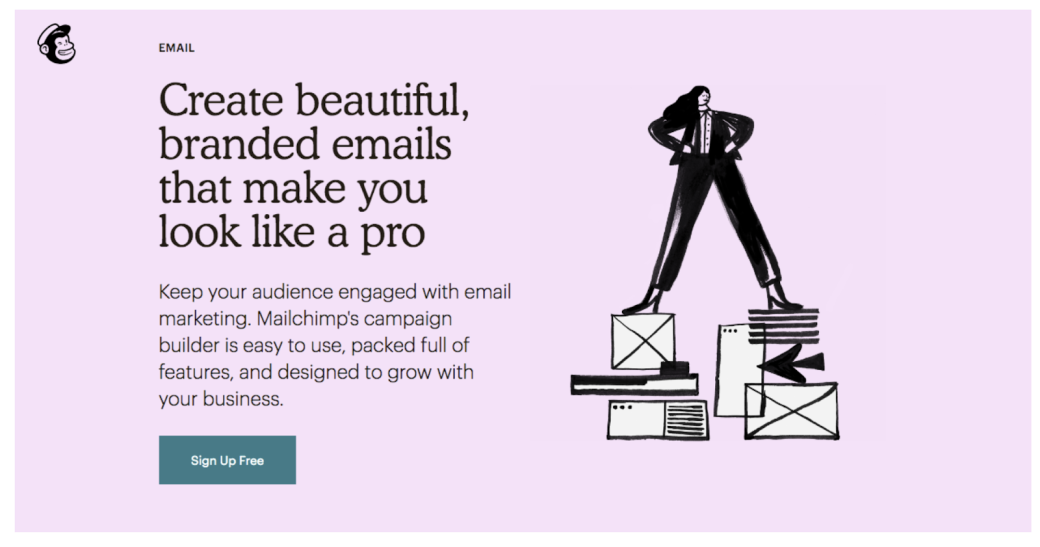
This doodle showcases Mailchimp’s playful personality.
How it improves conversion:
Grab your audience’s attention with a well-designed full-page header. This image should feature a clear CTA to immediately motivate action.
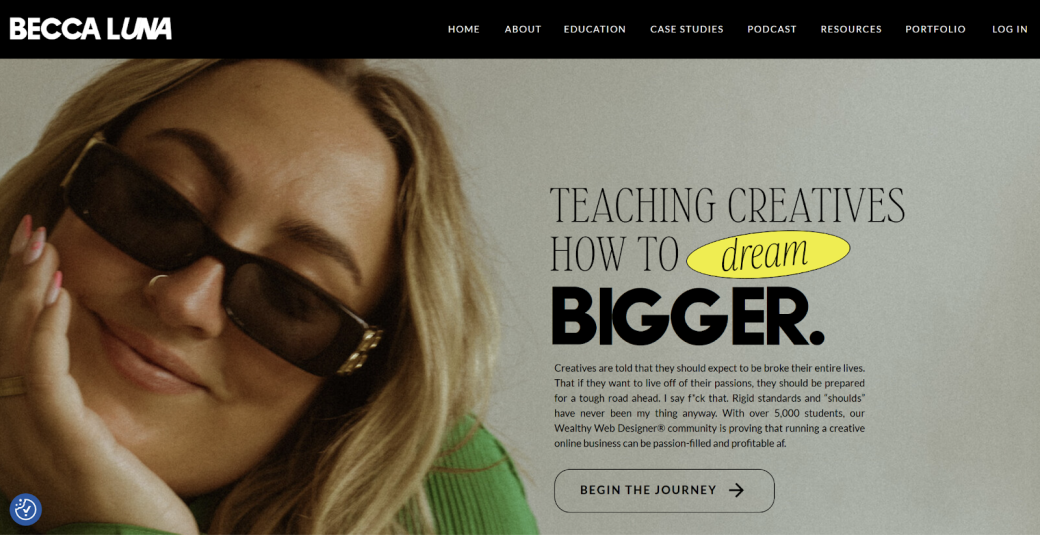
Becca Luna’s header uses a striking photo and different fonts to grab attention.
How it improves conversion:
Don’t overwhelm your visitors with content. Use white space strategically to organize information and create a pleasant user experience. Plus, empty space will make the most important information stand out.
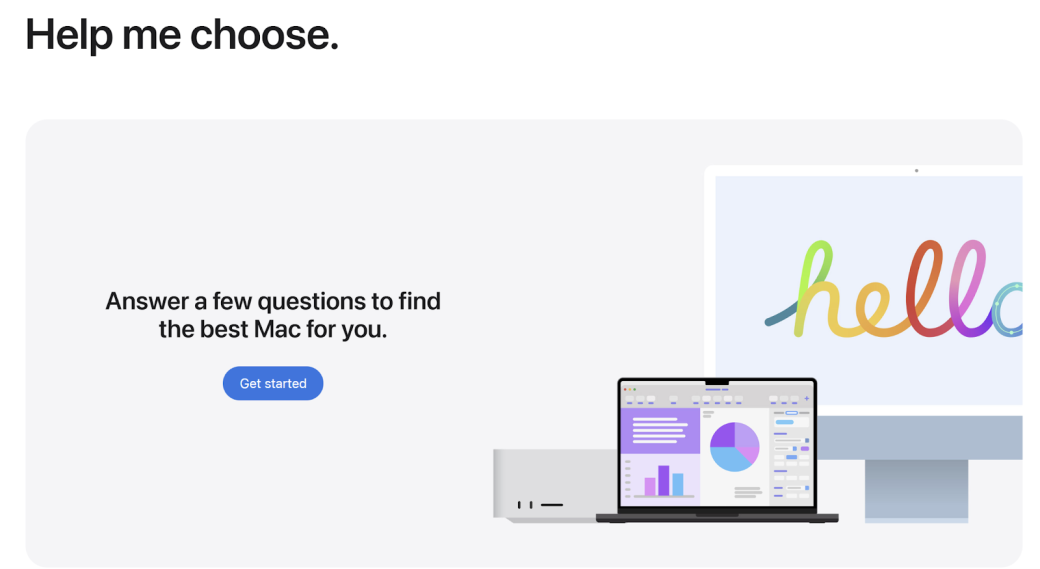
Apple masterfully uses white space to highlight headers and divide sections.
How it improves conversion:
Data from McKinsey shows that 76% of customers feel frustrated when businesses don’t offer personalized experiences. Avoid this issue by adding dynamic content to your site. This might involve tailoring your content based on the user’s location or past behavior. It’s a simple way to meet customer expectations and boost conversions.
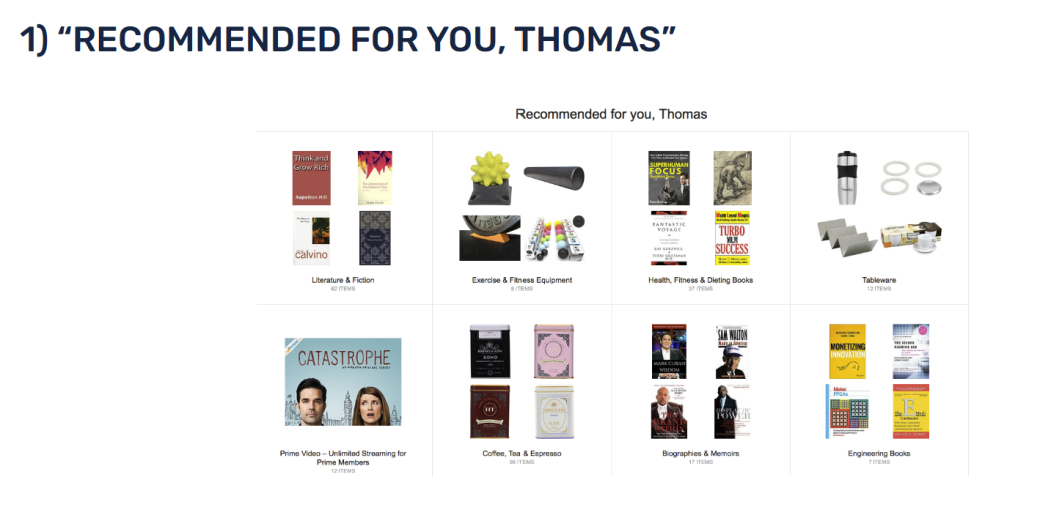
Amazon personalizes its website by addressing the user by name and offering tailored product recommendations.
How it improves conversion:
Like skinny jeans, custom cursors tend to cycle in and out of trend. Right now, they’re definitely in vogue. These fun elements make your site more interactive and can boost dwell time as visitors play with them.
However, the novelty can wear off quickly. Consider only applying this element to your header to avoid overwhelming users.
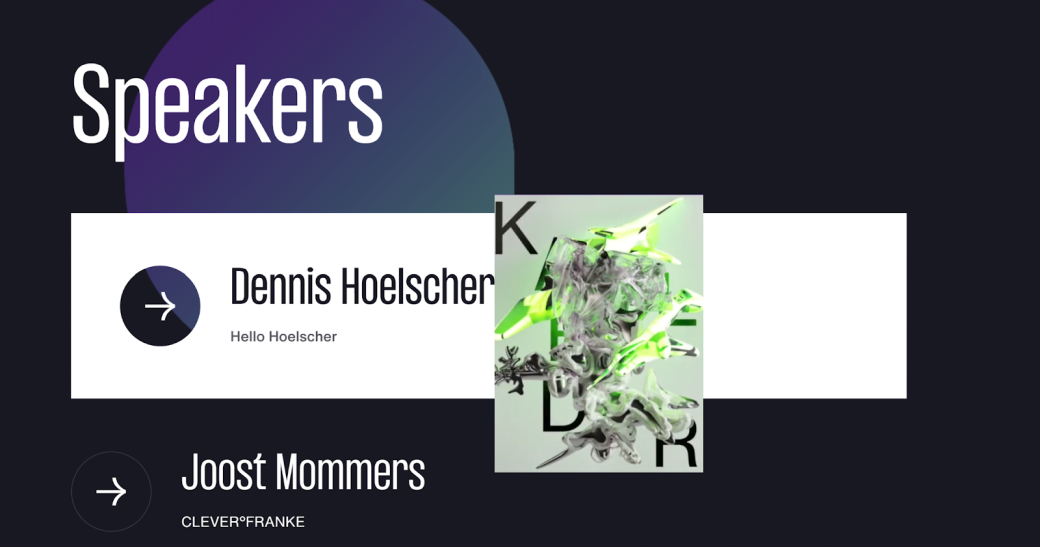
The cursor transforms into a video when the visitor hovers over the speakers’ names on the five talks in motion website.
How it improves conversion:
According to a new survey examining checkout abandonment and conversion behavior, 84% of consumers regularly abandon online purchases mid-checkout, often because the checkout process is too lengthy.
Nearly half of shoppers (47%) say three to four steps is their absolute limit before they'd consider walking away, and another 18% tap out at just one or two.
No single step kills the sale on its own, but each one makes the friction worse. That’s why web designers should aim for a 2-3-step flow that includes cart review, shipping and payment, and confirmation.
On mobile, the checkout process should be even shorter. Consider a single-page checkout where each section expands progressively.
How it improves conversion:
Customer voice converts more than brand voice, with 37% saying customer reviews are more likely to win them over when they’re on the fence about an unfamiliar brand, compared to just 17% who say the same about brand-controlled copy.
Brand copy is never as effective because buyers know that the company wrote it to sell something. So, even an accurate, beautifully-crafted product description gets discounted on arrival. A review, by contrast, comes from someone with no stake in the sale, and ideally, someone who shares the shopper's specific concern about fit, durability, skin type, use case, or price.
Now, companies are using reviews on their homepage, on their product pages, and even during the checkout process.
How it improves conversion:
While website trends offer many benefits, not all of them are winners. Here are a few that may not be ineffective or even harmful:
Most businesses don’t have the resources — or the desire — to overhaul their websites every year. But by staying on top of the latest web design trends, you can keep your site fresh and engaging. These strategies are also an excellent way to boost conversions and tell your story.
Not sure where to begin? You can always call an experienced web designer. They’ll help create an ultra-modern website that gets results.