
Why Salesforce Staff Augmentation Is Becoming a Strategic Choice
Salesforce staff augmentation is no longer a stop-gap. Learn why more businesses now use external specialists to access expertise, move faster, and scale...
Updated May 25, 2026

Working with an outsourced team can be beneficial, but what happens when poor communication comes into play? Discover several tips that help with effortlessly managing time zone differences while outsourcing.
Communication is one of the reasons why some companies prefer in-house development and tend to avoid outsourcing. But why do people consider communication a challenge when it comes to engaging with an outside vendor?
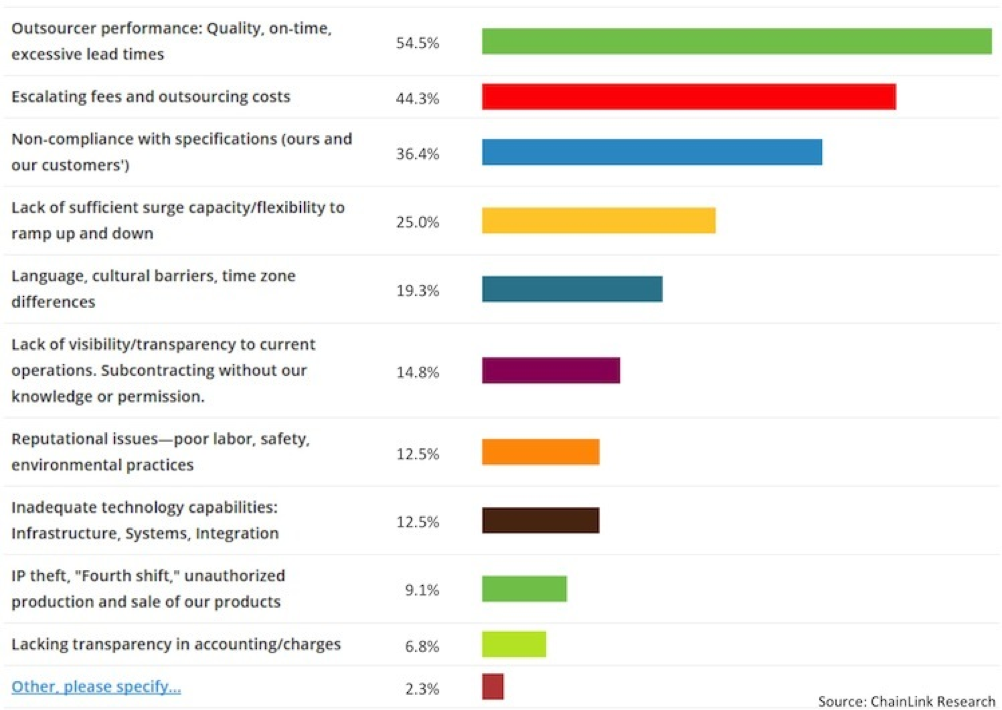
Almost 20% of people identify language, cultural barriers, and time zone differences as key challenges to face when outsourcing. However, strong communication practices can streamline your workflow and alleviate these issues.
Looking for a IT Services agency?
Compare our list of top IT Services companies near you
article and implement these ten tips to your daily routine.
They will change your perspective and maybe even opinion on outsourcing and dealing with time zone differences.
Even when dealing with time zone differences, there are usually a few hours when both sides can easily talk while they’re still at work.
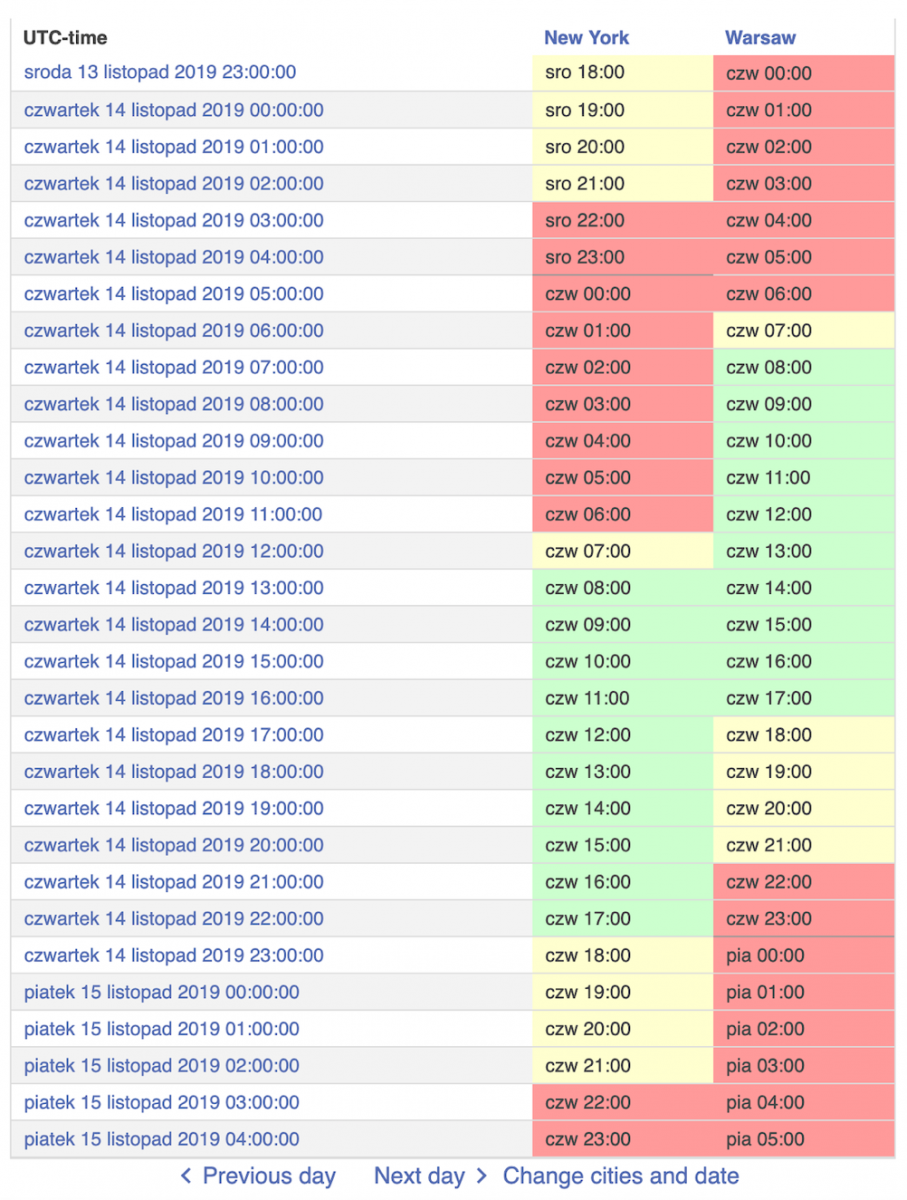
If your company’s headquarters in New York, but you’re outsourcing work to a development team in Poland, then there is a six-hour time difference. That gives their teams a few hours to talk during working hours.
Counting hours every single day isn’t the most effective process. There is a great tool called Timeanddate.com, which is a website where you can easily check if your time matches the time of your vendor. You can also easily create a table like that yourself and keep it in handy.
Having a limited gap when you can talk to your vendor has actually a lot of advantages. Firstly, having to plan a meeting in advance creates an opportunity to schedule it only when there’s a need for with a focus on the meeting aims.
Moreover, it gives everyone more time to focus on the main tasks and maintain a better work-life balance. The vendor and client can find to talk without disruption.
In order to manage outsourcing software development efficiently, we need to remember a few extremely important elements.
Every now and then, there’s a national holiday or a day off for some other reason. While those days are meant for celebration, keep in mind that not everyone does.
For example, there’s no Thanksgiving in Europe so everyone has a regular workday on that day. It goes both ways. Sometimes your vendor might have a holiday you’ve never heard of before.
To respect both sides and the cultural differences, include these types of days in your schedule. Remember to mention when you’re about to have a day off and make sure the other side does the same.
Communication tools can make discussions with vendors easy and successful. It would be a real struggle having to explain the whole progress that has been made every other day. That’s why software development no matter if developed in-house or outsourced is most often based on the product backlog, where it shifts into sprint backlog over time.
Using project management tools like Productive, Jira, Monday or even Trello can drastically change your previous experience with outsourcing.
Software development teams are used to using these tools so you can see what they’ve been working on, how much time it’s been taking, and what’s to be done next. Users can have access to various different reports and the progress of the project without having to contact the vendor.
Because of the distance, most sprint reviews and business meetings can’t take place by sitting at one table. That’s why it’s so important to maintain good relations in some other ways. Scheduling a video conference, instead of a phone call or a number of messages, can benefit your connection with your vendor.
It’s actually very important to be one team with a lot of respect towards each other. Seeing each other on a video conference helps to make it feel like a real team.
There’s nothing worse than looking for something in hundreds of different places, especially regarding documents, files and other information about the project.
The best solution to avoid this type of situation is to choose one communication channel for each type of conversation and stick to it.
You can use Skype for video conferences, Slack for everyday communication, and Jira for project management.
If there are more channels than necessary, information starts to get lost along the way. For example, some decisions are being made via emails that aren’t available to the whole team. It creates a communication barrier and can cause some issues in information flow.
A lot of strategic decisions and changes can be made during a sprint planning or another video conference. Because it’s a form of verbal communication, it’s important to write down the main decisions.
The best way to stay transparent is to prepare an agenda for a meeting and fill up key outcomes under each point as the meeting progresses.
Transparency is key when managing communication in an outsourcing team. As a team, there’s little room for misunderstandings and understatements. Everyone needs to be on the same page. That’s why it's important to share information with the full team.
It's better to over-communicate than to assume everyone is on the same page.
Technology makes everything a lot easier when it comes to outsourcing and its effectiveness.
Thanks to available cloud solutions, we can share documents with everyone in a matter of a few clicks. Moreover, we can update these documents while everyone can instantly access real-time changes. It prevents the team from following outdated scenarios.
Users can differentiate their files through different folders that are based on category, division or project. Different team members can easily access relevant documents. Users can also give access to certain files to your vendor so you can work from the same cloud space.
It’s easy to make rules, but more difficult to stick to them. Still, it’s important to remember that your outsourcing experience might be a lot more stressful if you don’t put enough focus on making communication as good as it can be.
That’s why you should make it your priority to teach the team how information flow should look like during the project development.
A certain level of trust is needed to create a successful product in a healthy environment. While communication is important, you still need to allow them to have some control over their workflow. After all, you hired them for their expertise.
That’s why there’s no need to call when you can simply leave a message on Slack. One of the key benefits of outsourcing is actually an opportunity to focus on other tasks and find work-life balance even when developing a new project.
Each of these tips can be crucial to learning effective communication skills in various areas. Through having seamless communication with your outsourcing team, there is the opportunity for improvement.
Product quality and business relations are just a few of the areas that will benefit from effective communication.
While there are challenges when working with an outsourced business and vendor, time and distance won’t be a factor once an appropriate communication system is implemented.