Evaluating an Marketing Agency in the AI Search Era
AI search has completely changed how people interact with online content. When an AI summary appears at the top of search results, Google users only click a...
Updated September 24, 2025

SEO vs PPC ads? Most businesses should invest in both. When implemented together, SEO strategies and PPC ads can help you attract more visitors, get more leads, and close more sales.
SEO (Search Engine Optimization) is the process of improving your website so it ranks higher in organic (unpaid) search results, helping you attract long-term traffic.
PPC (Pay-Per-Click) advertising is when you pay to appear at the top of search results, on websites, or across social platforms, and you’re charged each time someone clicks your ad.
When it comes to SEO and PPC, it’s not always about choosing one over the other. PPC delivers quick visibility, while SEO builds sustainable, long-term growth. Many businesses stack them together — using PPC for immediate results and SEO as the foundation for lasting success.
The question of which is better – SEO or PPC ads– plagues marketing teams. The answer, however, isn’t very clear.
To help you make sense of this question, we’ve put together a guide that covers the pros and cons of both SEO and PPC. By the end, you should have a better understanding of which digital marketing strategy is right for your business.
SEO is the process of optimizing your website in order to rank higher in search engine results pages (SERPs) without paying for advertising.
Content ranking at the top of SERPs earn more traffic. In fact, the number one spot on SERPs earn about a third of all clicks.
This increases traffic to the site, resulting in more leads and potential revenue. As a result, how a site ranks on SERPs can have a big impact on a business’s bottom line.
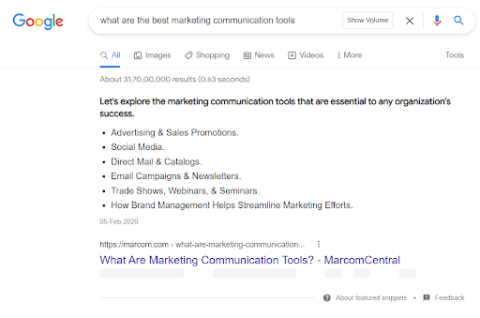
SEO includes on-page and off-page marketing tactics, such as:
When done correctly, SEO can be a powerful tool for growing your website’s traffic.
Search leading SEO Companies on Clutch.
PPC, on the other hand, refers to using paid promotional tools, such as pay-per-click (PPC) ads, to boost your website’s visibility on search results pages.
These ads function on a bidding system, where advertisers compete for keywords and only pay when someone clicks.
PPC ads are displayed at the top of SERPs, above the organic results. The increased visibility makes them more likely to be clicked on, and are 50% more likely to convert. PPC ads are also used on platforms like social media, shopping sites, and display networks to target audiences with sponsored posts, product listings, or banner ads.
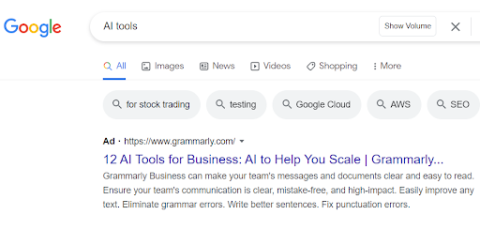
They’re usually labeled as “sponsored” or “ad” to help users differentiate them from organic listings.
Now that we’ve looked at the difference between SEO and PPC, let’s take a closer look at the pros and cons of each.
Find a leading PPC Company on Clutch.
As you learn about the benefits and disadvantages of organic vs paid marketing, you'll better understand what they do and when you should leverage them. Here’s a breakdown of how they stack up, side by side, based on key factors:
| Factor | SEO | PPC |
| Speed | Slow build (6–12+ months to see impact) | Immediate visibility at launch. |
| Cost |
Project: < $10,000 Hourly: $100-$149 Monthly:$3,200 |
Project: $10,000–$49,999; Hourly: $100–$149 Monthly: $7,200 |
| Longevity | Long-term (rankings can drive traffic for years with ongoing optimization). | Short-term (traffic ends when you stop paying). |
| Trust | Higher (organic is seen as more credible and trustworthy). | Lower (users know these are paid ad placements). |
| Best For | Building brand authority, sustained growth, and compounding ROI over time. | Driving fast results, product launches, testing offers, and targeted, time-sensitive campaigns. |
Here are some of the biggest benefits SEO provides:
While organic marketing is reliable over the long run, it has its problems. Here are some of the biggest issues companies face:
PPC comes with a number of advantages, including:
While you get immediate results with PPC, it’s not the best option for some businesses. Here’s why:
So, we're down to the big question: when should you use SEO vs PPC ads?
The answer is: it depends.
There are a number of factors you need to take into account when deciding which approach to take and when. Here are some different scenarios to help you decide when to use SEO and when to use PPC ads:
These aren’t one-size-fits-all scenarios or answers to the question of which is better. In general, leverage ads if you want immediate results and have the budget to scale quickly.
And focus on organic content marketing and SEO to not just find customers now but also in the future from a piece of content you create today.
You should know that SEO and advertising are not mutually exclusive marketing activities. They can benefit each other.
How?
While working on your content marketing and search optimization effort, you'll find better keywords with lower competition to use in your PPC ads. You'll save money, get more relevant leads, and drive up conversions.
And secondly, PPC can help you improve your SEO by driving more traffic to your website, building quick brand awareness, and helping you test different keywords and landing pages.
It's important to simultaneously work on both your SEO and your PPC ads to make the most of your marketing budget and get the best results for your business.
Here are some tactical ways to use SEO and PPC together:
When done correctly, SEO and PPC ads can create a virtuous circle that helps you attract more visitors, get more leads, and close more sales.
Does SEO or PPC have a better conversion rate?
SEO typically delivers a 2.4% conversion rate while PPC sits at around 1.3%.
How long does SEO take vs PPC?
Seeing SEO results can take from 6 to 12+ months, since it depends on content, backlinks, and search engine indexing. PPC produces immediate visibility and traffic as soon as campaigns are launched.
Can small businesses compete in PPC?
PPC by targeting niche keywords, refining audience targeting, and carefully managing budgets. However, competition and cost can be high in certain industries.
Is it better to run SEO and PPC together?
Many businesses see the best results by running both. SEO builds long-term visibility, while PPC drives immediate traffic and can fill gaps while SEO efforts grow.
Additional reading