
Why Salesforce Staff Augmentation Is Becoming a Strategic Choice
Salesforce staff augmentation is no longer a stop-gap. Learn why more businesses now use external specialists to access expertise, move faster, and scale...
Updated March 14, 2025

Let’s face it: cybersecurity is no longer just about firewalls and antivirus software — it’s about staying one step ahead of increasingly sophisticated AI-powered threats. As we enter 2025, businesses must shift from reactive to proactive cybersecurity measures. But what does it truly take to stay ahead of the game? Helen Yu, CEO of Tigon Advisory Corp., gives her opinion on how companies can be proactive with their cybersecurity strategies.
From cloud computing to the Internet of Things, every technological leap has historically brought new cybersecurity challenges. Now, artificial intelligence has become the ultimate wildcard in cybersecurity. It's a double-edged sword that can both protect and destroy, giving cybercriminals powerful new tools while simultaneously offering us unprecedented defense mechanisms.
Picture this: a future where cyberattacks are not just automated but self-learning. Instead of simple malware or basic phishing attempts, businesses are now facing sophisticated threats powered by AI algorithms that can adapt, evolve, and outsmart traditional defenses. That future might be closer than we think.
Looking for a IT Services agency?
Compare our list of top IT Services companies near you
So, how can companies stay one step ahead? The answer lies in proactively understanding these AI-driven threats and leveraging AI to protect against them.
Helen Yu, CEO of Tigon Advisory Corp., discusses how companies can stay ahead when investing in cybersecurity services.
According to global data and business intelligence platform Statista, the market for artificial intelligence is expected to grow in the coming years, from around $24 billion in 2023 to roughly $134 billion in 2030. AI can improve threat detection and accelerate incident response times when incorporated into proactive cybersecurity operations.
Conversely, artificial intelligence has also fundamentally transformed cybersecurity threats. Unlike traditional cyberattacks, AI-powered threats are automated, adaptive, and often difficult to detect until it's too late.
AI-driven cyber threats can learn, mimic, and attack with a level of precision that human hackers alone could never achieve. AI has enabled cybercriminals to scale their efforts, orchestrating attacks that can bypass even the most robust defenses. From using machine learning and phishing emails to deploying deepfake technology, the methods of attack have become more sophisticated, making it important for businesses to stay vigilant.
“Let's look at the top eight cyber attacks in 2024: phishing, ransomware, denial of service, man-in-the-middle, SQL injection, cross-site scripting, zero-day exploits, and DNS spoofing,” said Yu. “For 2025, I anticipate more AI-driven threats: AI-powered phishing, deepfake voice fraud, adaptive malware, coordinated massive attacks, automated threat hunting, and easier credential stuffing.”
But how exactly are these AI-powered threats manifesting? Here are some examples:
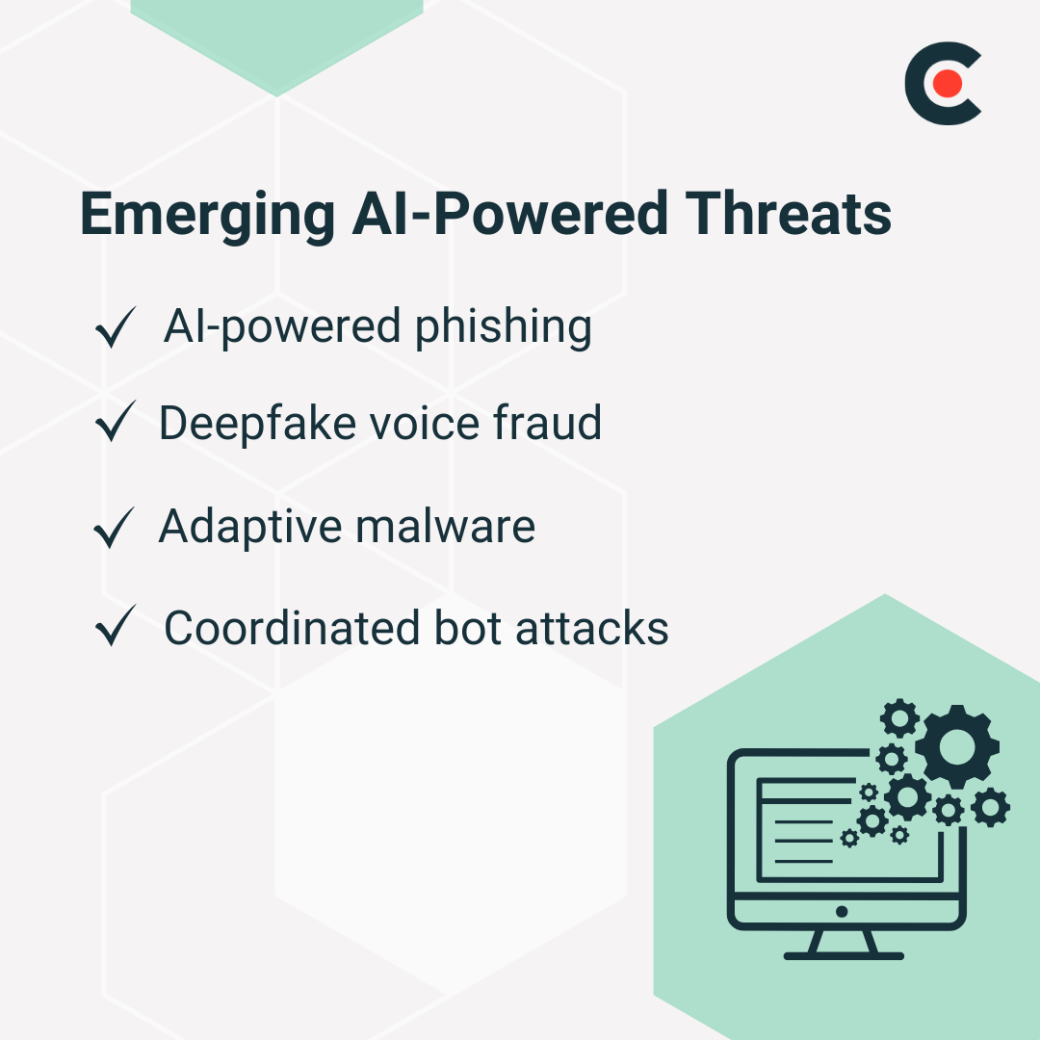
Cybercriminals are getting faster and smarter, using automated threat hunting to pinpoint weaknesses before your security team even knows they exist. Staying informed and leveraging your own AI tools can help turn the tables. Being proactive and using new technologies to defend against the very threats they’re helping to create can help you stay a step ahead of cybercriminals.
While AI has amplified the capabilities of cyber attackers, it also serves as a powerful tool for defense. Embracing AI-driven cybersecurity solutions can help you detect threats early, respond more effectively, and make better decisions to safeguard your business. As we move into 2025, leveraging AI isn’t just an option — it’s a necessity.
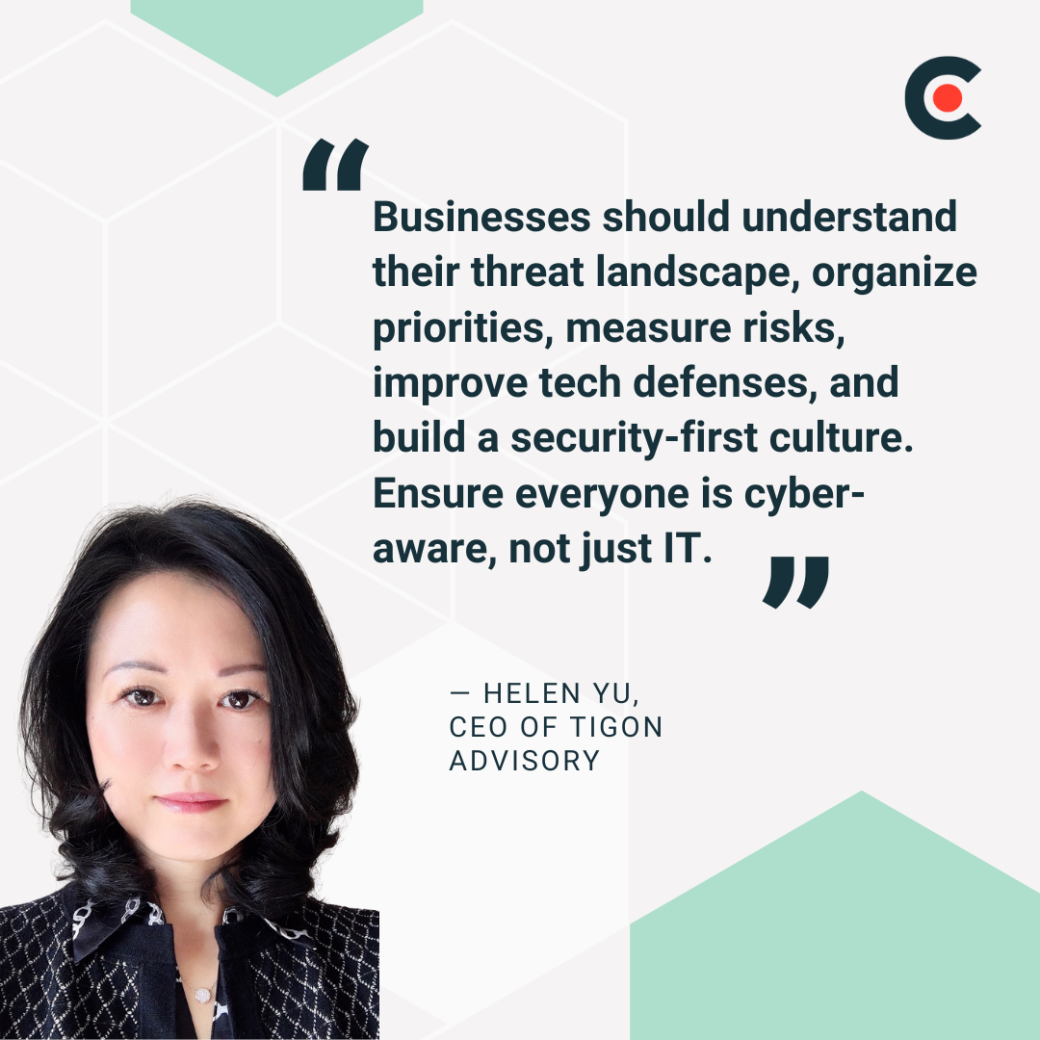
“Businesses should understand their threat landscape, organize priorities, measure risks, improve tech defenses, and build a security-first culture. Ensure everyone is cyber-aware, not just IT," said Yu.
The beauty of AI lies in its ability to sift through vast amounts of data, identify patterns, and recognize anomalies at lightning speed. This capability can revolutionize cybersecurity, from threat detection to incident response.
Certain subsets of AI, such as generative AI, machine learning, and deep learning, have unlocked new levels of cybersecurity protection, allowing companies to anticipate and neutralize threats in real-time.
Some examples of proactive cybersecurity solutions include:
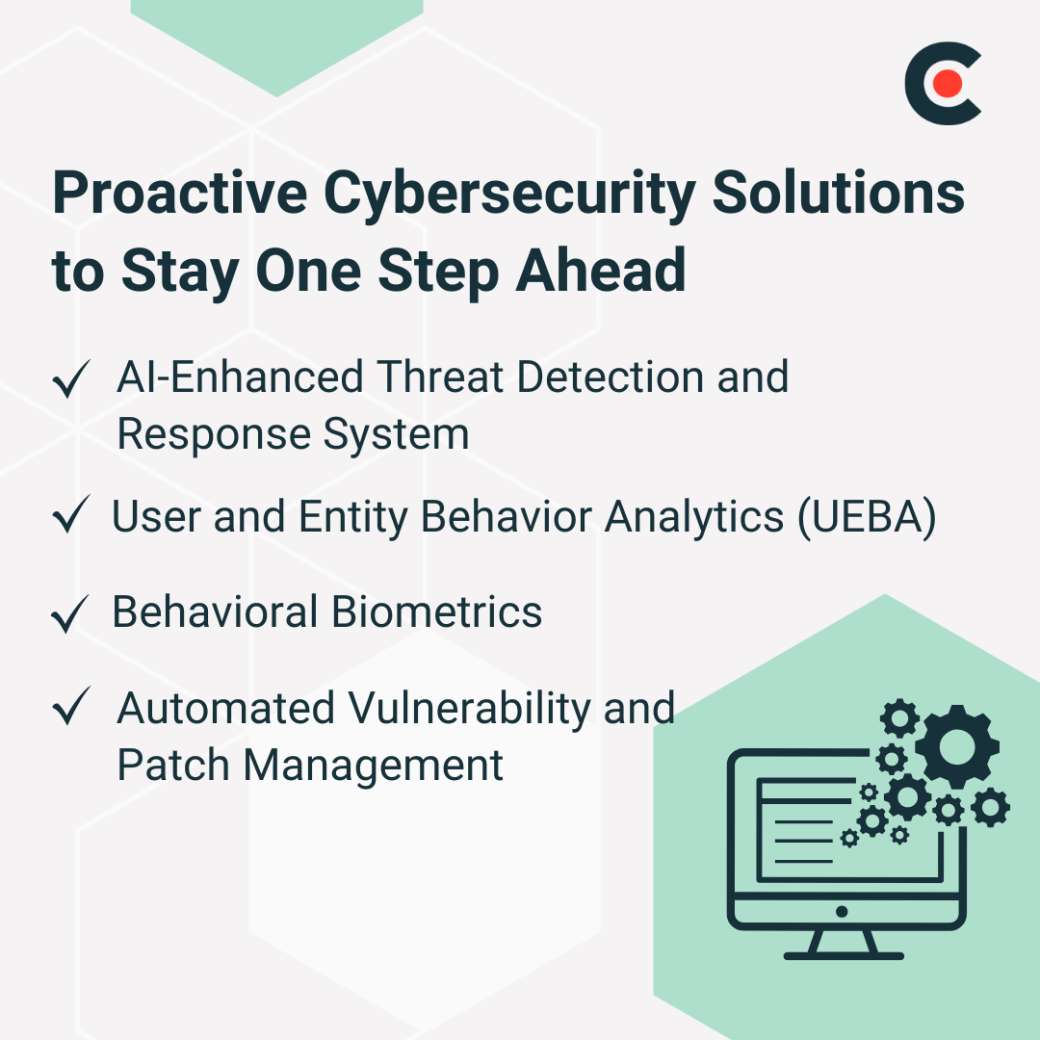
As cyber threats become more sophisticated, it’s reassuring to know that AI is on our side, too. Just as cybercriminals use AI to find clever ways to infiltrate systems, businesses can adopt that technology to stay one step ahead. Think about it: instead of waiting for an attack, what if your system could spot unusual behavior and stop it before it even gets close? That’s the promise of AI.
Despite AI's sophistication, the most powerful tool against cyber threats remains awareness. As AI continues to evolve, so will the tactics malicious actors use. Businesses promoting a cyber-aware culture and prioritizing a security-first mindset will be better positioned to defend against these emerging threats.
Outsourcing to specialized cybersecurity providers can also be a wise decision, especially for small to mid-sized businesses lacking in-house expertise.

Helen Yu is the CEO and founder of Tigon Advisory Corp, a top expert in growth strategy and digital transformation. With a proven track record of helping companies scale and navigate complex challenges, Helen is passionate about bridging the gap between technology and business. She's a sought-after keynote speaker and author, known for her insights on cybersecurity, innovation, and sustainable growth.