
How to Define Brand Values That Guide Every Business Decision
Brand values are the principles that guide company decisions, define what a brand stands for, and shape how it treats customers, employees, and partners.
Updated April 24, 2026

The discipline of public relations is an important part of many business promotion processes. From boosting brand credibility to improving SEO performance, PR helps tie together all of your business’ marketing channels and direct messaging to past, present, and future clients.
Updated 11/15/2023
Because of the cohesion that PR efforts can bring to your marketing strategy, it is important that you and your team understand how to properly incorporate PR activities into your marketing team’s day-to-day responsibilities.
Looking for a Public Relations agency?
Compare our list of top Public Relations companies near you
This article will provide an overview of what PR campaigns are, how your company can benefit from them, which tips are most important to remember when running your own campaign, and which companies have run successful high-profile PR campaigns.
Want to build out an effective PR campaign fast? Hire a top PR agency on Clutch.
A PR campaign is an organized series of marketing activities run over a pre-set period of time that is designed to build an emotional connection with your audience as a means of raising awareness of a product, service, company, or organization.
Depending on their messaging and target audience, your PR campaign may take one of several forms. Here are a few examples of the different types of campaigns:
Regardless of the PR campaign that you and your team are running, be sure to remember to be proactive in assessing the campaign’s effectiveness and determining the next steps for your team to take.
Especially when reviewing them at a high level, PR campaigns may appear overly complicated, difficult to tie to a business’ value proposition, and not worth the time of small-to-medium-sized business marketing teams.
However, PR campaigns have a proven track record of adding value to businesses of all sizes.
For instance, in a recent study Nielsen found that the expert earned media content circulated as part of PR campaigns is 88% more impactful to consumers than the branded content circulated in traditional advertising campaigns.
This greater impact from PR campaigns can make a measurable difference in your company’s bottom line.
In fact, Unilever reported that in 2019, the brands that they promote via sustainability-focused PR campaigns grew 69% faster than the rest of their business and drove 75% of their overall growth.
When executed in line with your business’ overall marketing strategy, PR campaigns can help you more effectively connect with your target audience and increase your customer base.
Now that we’ve outlined the basics of a PR campaign as well as the value they can add to your company, you’re probably wondering how best to execute your own campaigns.
Here are 4 tips that are important when building your own public relations strategy:
Read on for explanations of how to work these tips into any PR campaigns you and your team administer.
Because the success of PR campaigns is tied directly to the ability of your team to build an emotional connection with your audience, knowing your target audience is perhaps the most important part of running a strong PR campaign.
In order for your message to resonate with your target audience, your team should focus on getting to know them as early on in the campaign planning process as possible.
When experimenting with new products, working to understand the target audience’s buyer journey is probably a step your team would normally take. However, when planning a PR campaign, you’ll still want to do your homework on your target audience even in markets you know well.
One way to make sure your campaign resonates with your ideal market segment is to develop buyer personas. A buyer persona is a fictional archetype of an ideal customer for your business that can be used to refine sales and marketing strategies.
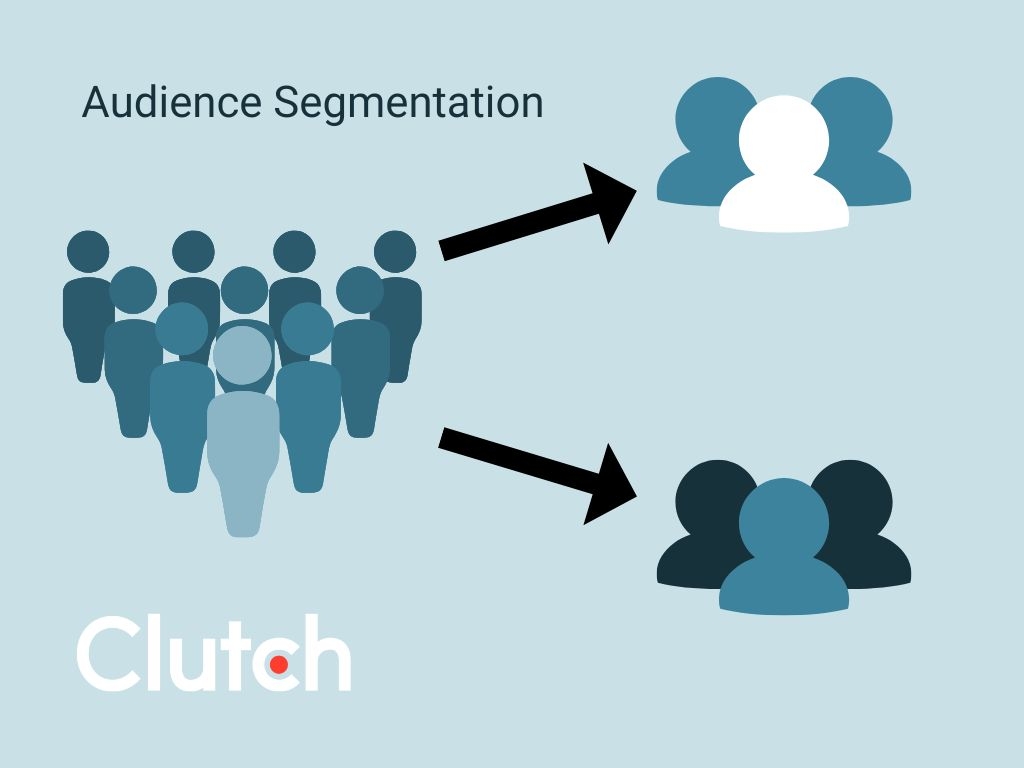
Incorporating interactive elements into PR campaigns can significantly boost engagement and media coverage. Companies like Airbnb, KFC, and McDonald's have successfully used interactive campaigns during events like the Super Bowl or product launches. For instance, KFC's clever use of hashtags and user-generated content during the Super Bowl created a lasting impression and garnered extensive media coverage.
In the context of PR campaigns, putting together buyer personas for your target audience will require your team to conduct deep dives into the priorities and habits of this audience. These activities will help them better understand how to ensure the campaign will be most likely to form a connection with the audience.
Another essential part of a PR campaign is having it circulated via as many avenues as possible. To do so, you and your team will need to effectively leverage a number of media outlets and marketing channels.
Building partnerships is a key strategy for PR success. Companies such as Spotify have formed partnerships with non-profits and organizations like BBC to amplify their message and reach a wider audience. Collaborative efforts, especially during events like International Women's Day, can enhance the campaign's success and generate positive media coverage.
In today’s hyper-digital world, one of the easiest of these channels to use for your campaign is social media.
Circulating your campaign content on your social media platforms on sites such as the following is a great way to push your message to your followers on these sites:
These followers have already expressed an interest in your business and will be more likely to connect with your campaign’s message and be invested in spreading it further.
Crafting a memorable tagline and hashtag is essential for PR success. TheSelfieTalk is an example of a campaign that utilized a catchy tagline to encourage user participation and discussions on mental health. Taglines like these become synonymous with the campaign and contribute to media coverage.
Along similar lines, a digitally-oriented way to bolster your PR campaign is to employ influencer marketing.
Influencer marketing is a niche of social media marketing in which brands partner with influencers (social media figures with a significant following) to promote a product or service.
When thinking of influencers, major celebrities such as Kendall Jenner may be the first ones to come to mind. This association may make influencer marketing not seem like a worthy endeavor.
Not only would partnering with someone of this stature be difficult for most businesses, but their massive following isn’t likely to have a cohesive set of buyer characteristics that can be easily leveraged.
For most businesses, the best way to leverage influencer marketing is to find influencers within a niche that relates to your company’s offerings.
For instance, if your business sells digital marketing software solutions, partnering with a digital marketing influencer such as Neil Patel will help your PR campaign’s message resonate with your target audience.
A necessary part of any PR campaign is generating and circulating a press release.
With the plethora of digital PR outlets such as PR Newswire that exist today, publishing a press release can help with general campaign promotion as well as driving website traffic to your business’ site.
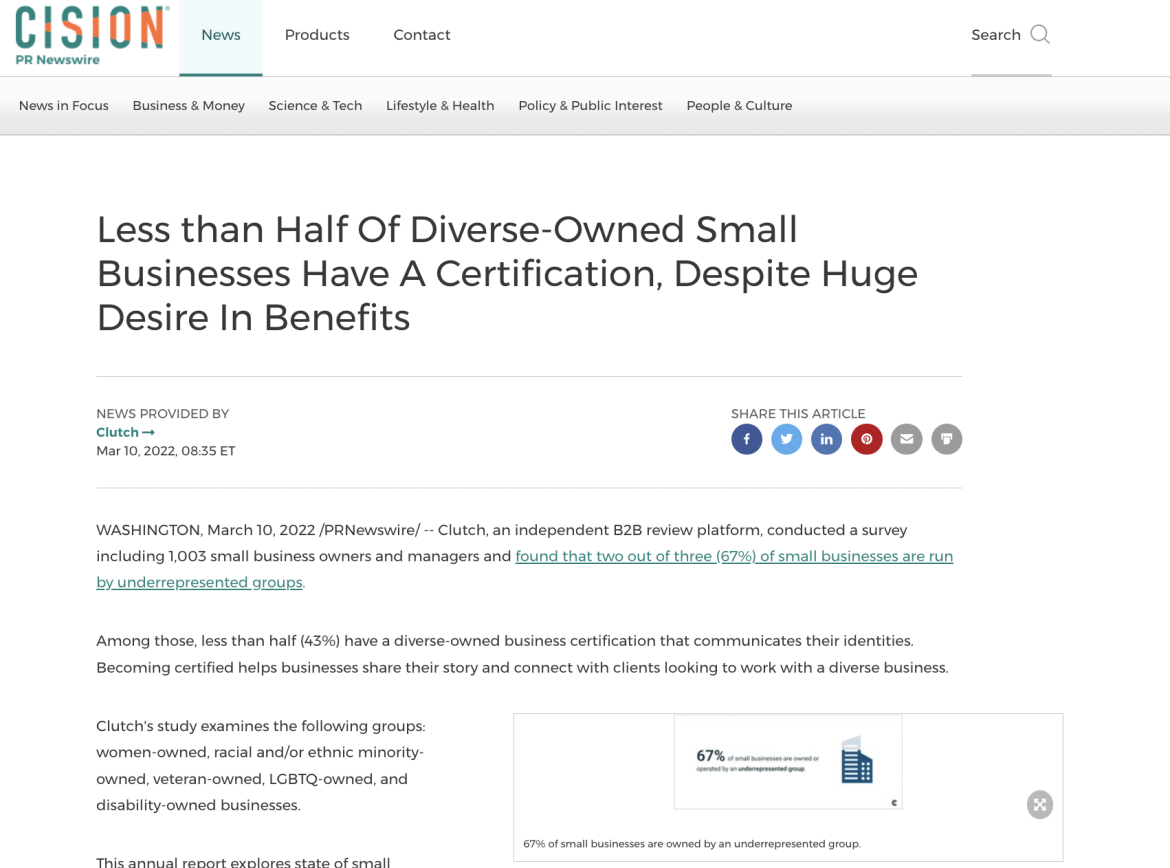
Source: PR Newswire
Moreover, having your site linked in press releases on other websites will increase the number of backlinks your site has. Having a greater number of backlinks will improve the SEO standing of your site.
While we’ve mostly touched on digital methods to promote your PR campaigns, holding a press conference is a less tech-forward way to garner media attention.
Especially if your business is a prominent part of its community, holding a press conference can be an effective method to get local media outlets to cover your PR campaign.
As with any other digital marketing initiative, selecting, tracking, and adjusting practices based on metrics and goals is key to managing a winning PR campaign.
When selecting metrics to track, it is important that you set forth a clear objective for your team for each metric as well as a reasonable time frame for any improvements you want to see.
You’ll also want to be sure to select meaningful metrics. In the case of a PR campaign, these would be related to brand awareness and brand reputation.
Just like your marketing strategy should be fluid, your metrics and goals should be fluid as well.
Based on the results of your metric tracking efforts, you’ll want to adjust your overall PR strategy to better gain coverage. Additionally, any demographic shifts in your target audience will also warrant a shift in your metrics and goals.
As a part of your metric-tracking efforts, you and your team should also be performing media monitoring. This process asks that you track where and how your press releases and other campaign content are mentioned on other sites or platforms.
Media monitoring is a great way to track how effectively your PR campaigns are being covered.
With all the disciplines that fall under the umbrella of digital marketing, your in-house team may not be the best equipped to handle the rigors of running PR campaigns.
In this case, consulting with a PR agency to bring in outside PR professionals can be a huge differentiator for your business.
If you choose to outsource PR support, you wouldn’t be alone. In fact, a recent Clutch survey found that one-fifth of small businesses planned to bring in outside digital marketing assistance in 2022.

When working with an external firm, you and your team should make sure to consistently communicate with them. That way, there will be no misunderstandings about how the nuances of your brand identity fit into the PR campaign.
Working with a PR agency will allow your internal team to focus on the other aspects of your company’s marketing campaigns and strengthen your digital marketing efforts overall.
If you’re considering working with a PR agency, be sure to consider The Manifest’s list of Top 100 PR Firms.
To truly understand how to run an effective PR campaign, looking at examples of previous successful PR campaigns can be helpful.
Here are 5 recent examples of PR campaigns:
Furniture retailer Ikea kicked off its “Stay Home” campaign in March 2020.
As a home-oriented brand, the campaign was designed to connect with the billions of people worldwide who were stuck at home as part of COVID-19 pandemic-related lockdowns. The campaign messaging reminds its audience that home can and should be a place of warmth and togetherness like no other in the world.
Similarly, Spring 2020 brought about fast fashion icon Zara’s “Shot from Home” campaign.

Source: Marie Claire
Amidst the healthcare-related closures of warehouses and studios, many brands simply published pictures of only clothing for the items for sale on their website.
Zara, though, featured photos of models wearing the clothes in their own homes to help foster normalcy and connection in an unprecedented time.
A more lighthearted pandemic-related PR campaign was Danish beermaker Carlsberg’s “Adopt a Keg.”
When bars were closed in 2020, Carlsberg allowed customers to scan codes on the products they bought in-store for at-home consumption and fill a virtual keg.
After scanning four cans at home, customers would receive a coupon for two free beers to be used once bars reopened. This campaign provided hopes of reopening while connecting with customers who shifted their drinking habits.
Children’s toy giant Lego’s “Rebuild the World” campaign has been running for several years. 2022’s iteration celebrated 90 years of Lego.
With 9 decades of experience delivering fun to children worldwide, Lego connects with its audience over the versatility of its toys as well as the creativity they can encourage in people of all ages.
Personal care company Dove has conducted a number of PR campaigns related to the idea of “real beauty” since 2004. One of the more popular iterations of this campaign was 2013’s “Real Beauty Sketches.”
In this campaign, a forensic artist drew two sketches of each woman that was a part of the campaign. The first sketch was based on the woman’s own description of herself. The second was based on a stranger’s description of the same woman.
Showcasing how hard we are on ourselves when describing our physical appearance, the campaign offers an opportunity for connection over the idea of self-esteem.
With all the moving parts that go into a PR campaign, it is important to have a premeditated, clearly-communicated PR strategy in place in order for your business to see success in the public relations arena.
When building this strategy, it’s important to remember the cornerstones of a strong PR campaign: knowing your target audience, targeting media outlets for promotion, selecting metrics and goals while tracking via media monitoring, and consulting with a PR agency.
If your and your team are in doubt, drawing from the examples of Ikea, Zara, Carlsberg, Lego, and Dove may help you gain clarity in your PR campaign crafting process.
By running successful PR campaigns, you and your team should be able to build a greater level of connection with customers in your target market segments and see a better return on investment than you would have from more traditional advertising means.
Looking for help with launching your own PR campaign? Connect with an experienced PR agency on Clutch.
Additional Reading: