
How to Delegate: A Step-by-Step Guide for Agency Owners
Learn how to delegate effectively as an agency owner — what to delegate first, how to hand off work without losing quality, and the hiring sequence that...
Updated March 13, 2025

Strong partner problem-solving skills can make or break a product development project. Explore how to assess a provider’s ability to navigate challenges, adapt under pressure, and ensure success with insights from Jake Dluhy-Smith, Founder & CEO of OAK’S LAB.
Partnering with a product development service provider can be a game-changer for many companies. These partners bring specialized skills, technology, and industry insights you may not have in-house. The right partnership can help you meet deadlines, cut costs, and improve product quality.
However, product development isn’t just about outsourcing work. It’s about collaboration. A great provider will integrate with your team and vision to work toward shared success.
Of course, no project goes exactly as planned. Challenges get in the way — unexpected delays, technical issues, shifting market demands. When things go wrong, a partner’s true value isn’t just in their expertise but also in how they respond.
Jake Dluhy-Smith, Founder & CEO of OAK’S LAB, explains how to assess a provider’s problem-solving skills and adaptability under pressure — two traits that can mean the difference between project failure and success.
The success of a product development project relies on building the foundation of a strong partnership with the service provider before any designing or coding begins. The best way to solve a problem is to anticipate it before it happens.
Of the 30,000 products launched every year, 95% fail. That’s why businesses and providers should discuss potential risks, challenges, and expectations early. This proactive approach prevents misunderstandings and costly mistakes later.
Here’s how companies can cover all critical aspects before kicking off a project:
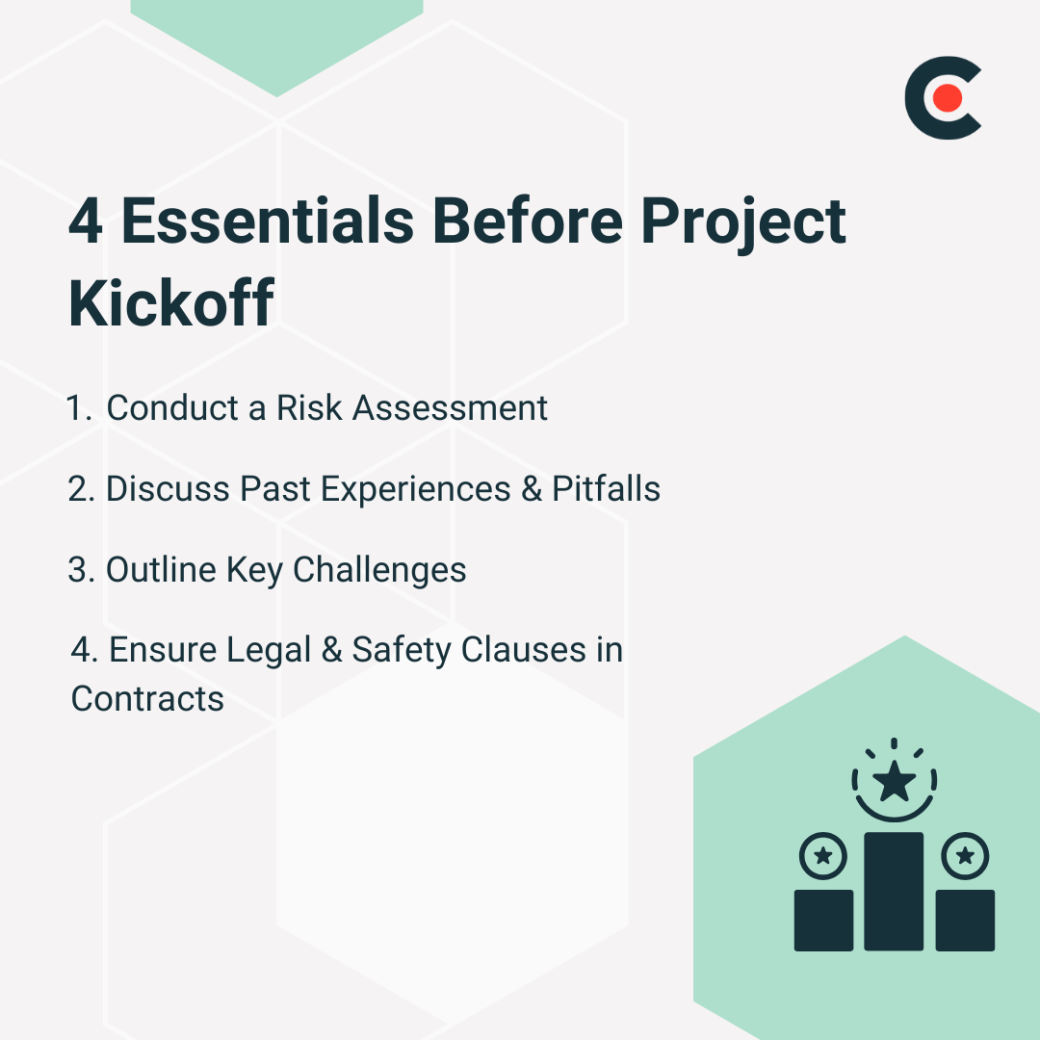
Risk discussions typically happen after contracts are signed, but businesses should introduce these conversations earlier, even during the sales phase. A provider’s ability (or inability) to address risks before the deal is final speaks volumes about their problem-solving skills.
Once a provider is officially on board, both sides should expand on these discussions and devise solutions before launching the project. This supports alignment and a thriving partnership.
Risk mitigation often determines the difference between a manageable setback and a full-blown crisis. This is true for most industries, including product development.
Proactively identifying and addressing risks prevents worst-case scenarios and makes problem-solving easier. A well-prepared team shouldn’t scramble for solutions under pressure but confidently execute contingency plans.
One major benefit of risk mitigation is reducing financial losses. Delays, redesigns, and unexpected roadblocks can quickly drain budgets. By assessing risks early, companies can allocate resources wisely and avoid costly last-minute fixes. Prevention is always cheaper than damage control.
Proactive risk management also improves workflow and collaboration. When risks are addressed in advance, teams work with clarity and direction. They understand potential bottlenecks, communication flows smoothly, and decision-making is strategic rather than reactive.
Plus, early risk mitigation makes issue resolution much more efficient. No product development project is free from setbacks, but teams that anticipate risks can recover faster. They can adapt without derailing timelines, keeping projects moving forward with minimal disruption.
Unrealistic expectations are a silent project killer. When businesses assume a product can be built faster, cheaper, or with more features than reality allows, complications pile up, leading to delays, dissatisfaction, and misalignment.
Jake Dluhy-Smith shares how his team addresses risk with their clients early on. He tells us “In the sales process, we outline the risks before the project starts - we actually have 3-4 slides in the proposal about potential risks.”
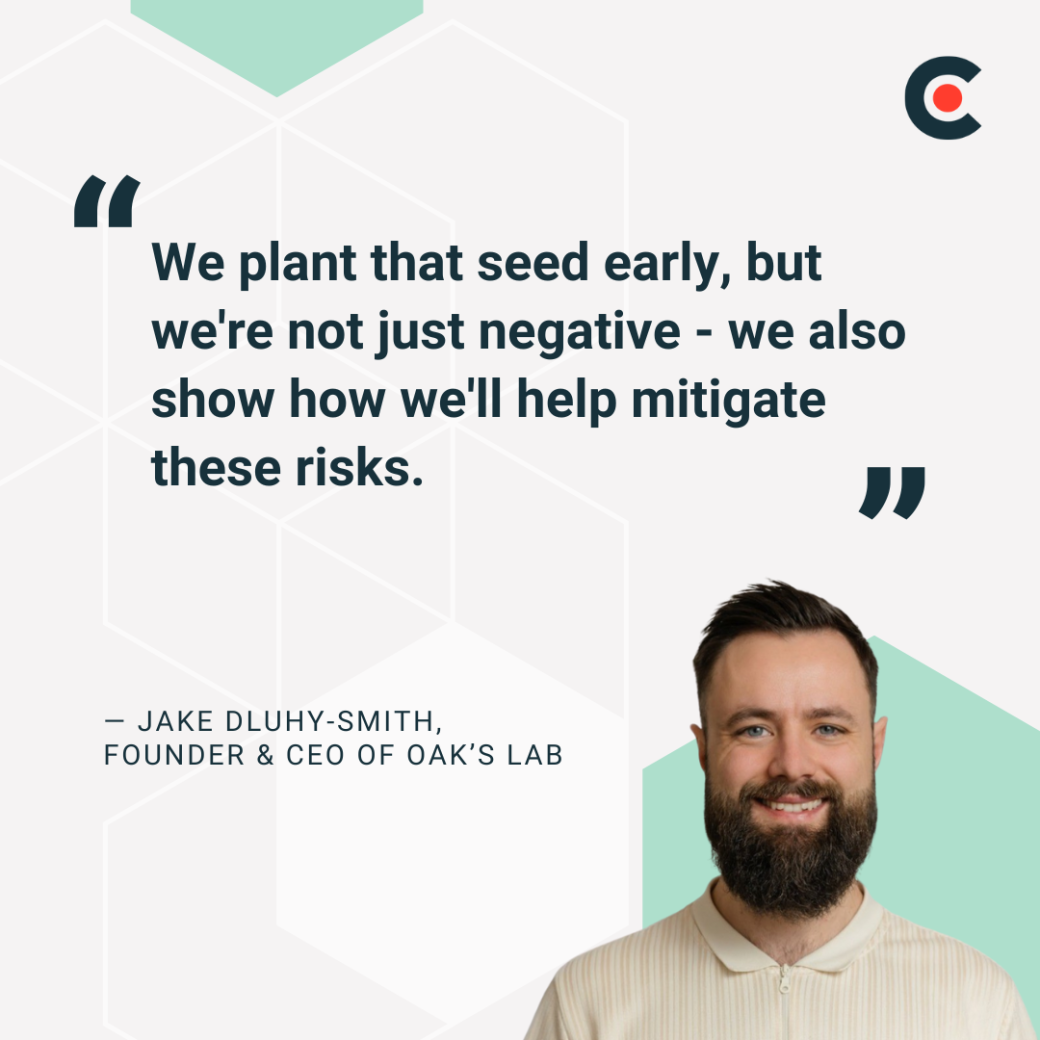
“For example, with visionary founders, one common risk is having unrealistic expectations for the MVP. We plant that seed early, but we're not just negative - we also show how we'll help mitigate these risks," Dluhy-Smith highlights how they handle improbable expectations.
Addressing unrealistic expectations upfront is about more than setting limits. It also helps the project stay on track and avoid unnecessary setbacks.
Suppose a company wants a complex software platform developed in three months with a limited budget. Despite knowing it's impossible, a product development partner who agrees to the timeline to secure the contract sets the project up for failure.
However, a partner that’s upfront about the unrealistic deadline can offer alternatives. For instance, they could start with a phased rollout or a minimum viable product (MVP). This honesty prevents frustration down the road and keeps expectations aligned with reality.
Instead of hoping for the best, setting clear goals and expectations can go a long way. In fact, a lack of goals is one of the biggest contributors (37%) to project failures.
Openness also plays a role in workflow management and problem-solving. When teams discuss feasibility early on, they can:
Misaligned expectations often lead to rushed work, skipped steps, or late-stage revisions — all of which can be avoided with clear communication.
Plus, transparent expectations strengthen a team’s adaptability to challenges. If setbacks occur, a realistic foundation makes adjustments smoother. Instead of dealing with frustration and blame, the team can focus on practical solutions.
Strong partnerships thrive on clear, consistent, and open communication. Without it, even the most well-planned projects can fall apart. In fact, ineffective communication costs U.S. companies up to $2 trillion annually in time and productivity!

Creating space for healthy discussions ensures that expectations stay aligned, problems are addressed early, and teams can adapt to challenges without unnecessary friction. But good communication doesn’t happen by accident. It must be intentional.
Discussing how their team fosters a healthy and open line of communication with their clients, Dluhy-Smith shares with us “Once the project starts, we have a process to routinely communicate about difficult topics. At kickoff, we ask our clients to be direct and honest with us.”
He also shares their approach once their projects get going and pass the kickoff phase: “We have retros after every sprint for feedback, asking what we could do better or if there are unaddressed concerns. Creating this space throughout the project for open communication prevents mismanaged expectations from blowing up at the end.”
Here are simple strategies that can help make a big difference:
Beyond structured meetings, companies should foster an environment where transparency is the norm. You can do this through real-time project tracking, shared documentation, or open Slack channels. These are easy ways for teams to communicate, leading to better decision-making and stronger partnerships.
Successful product development requires more than just technical skills. It also needs expert partner problem-solving, adaptability, and strong collaboration.
Challenges will come up, and expectations may shift. But when businesses and their development partners approach projects with proactive planning, clear communication, and a problem-solving mindset, they set themselves up for success.
The best partnerships are built on trust, transparency, and a shared commitment to overcoming obstacles together. Laying the groundwork early, managing expectations, and creating space for open discussions can make all the difference when setbacks occur.
It's crucial to find the right product development partner who can solve problems, adapt to crises, and drive your project forward.

Jake Dluhy-Smith is the Founder & CEO of OAK’S LAB, a startup tech partner built by Jake and his brother Theo, focused on creating custom web and mobile applications for business innovators. Jake has a background in product management, having led over 20 greenfield software product builds.