
How to Delegate: A Step-by-Step Guide for Agency Owners
Learn how to delegate effectively as an agency owner — what to delegate first, how to hand off work without losing quality, and the hiring sequence that...
Updated May 8, 2025

Quality can make or break your business. Whether you’re a service provider or a business that sells physical products, customers look for quality in everything they purchase.
Defining “quality” is and isn’t straightforward. The reason? “Quality” is subjective and dependent on the type of product or service. However, there are several established variables that constitute “good” quality.
Good quality products and services are efficient, tailored, easy to use, and polished. Delivering superior quality communicates to customers that you care about satisfaction, resulting in more sales, stronger relationships, and better brand recognition.
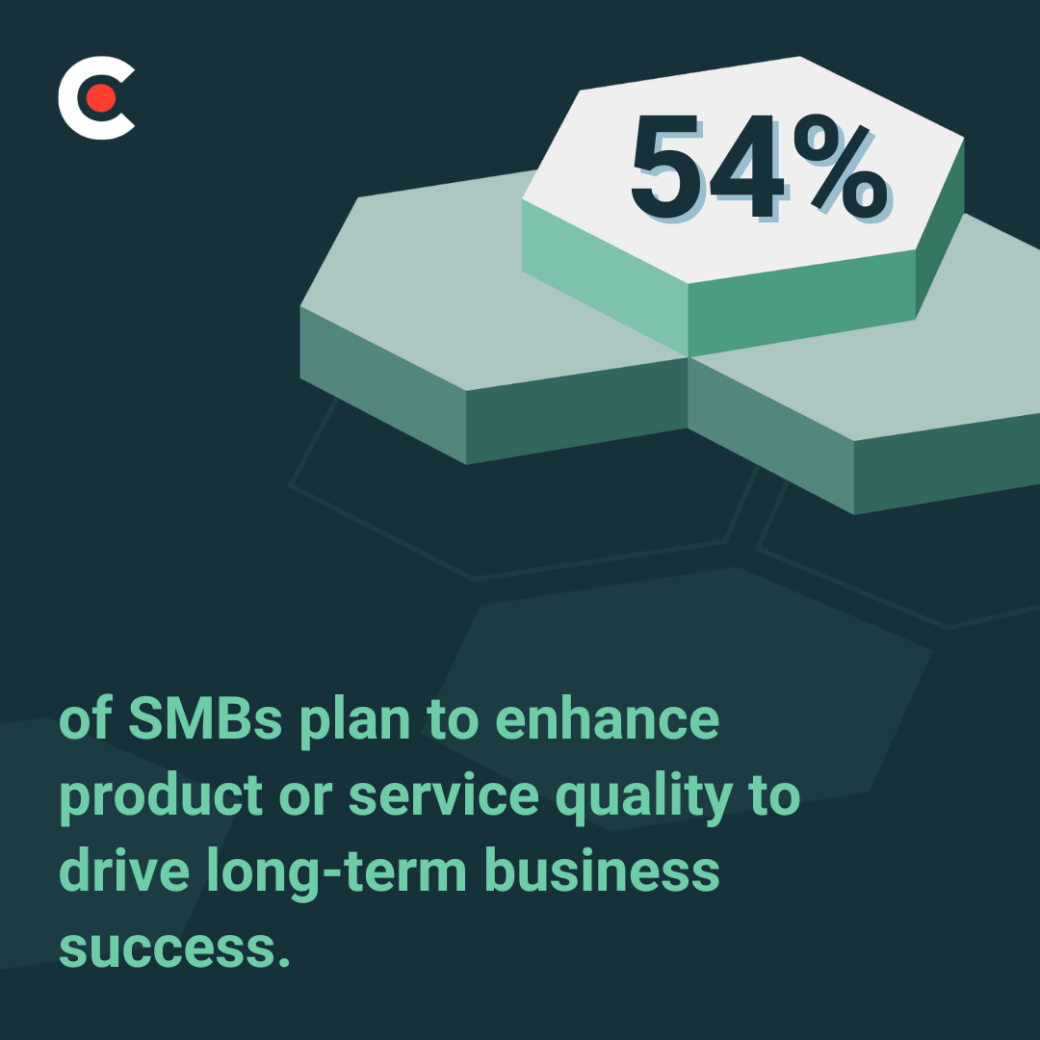
Clutch’s latest survey on 500 SMB leaders shows that 54% of SMBs plan to enhance product or service quality to drive long-term business success. This data reflects the dedication of businesses to ensure competitiveness in the marketplace.
In this piece, we’ll discuss all about quality — why it’s important, the impact of poor quality, and what businesses can do to improve quality.
Read more about the survey in ‘The Small Business Growth Playbook for 2025’
Focusing on delivering quality products or services isn’t just about gaining a competitive edge, it’s a sustainability strategy that will help differentiate your brand when prices and features feel similar.
A great quality product or service answers these 5 key questions:
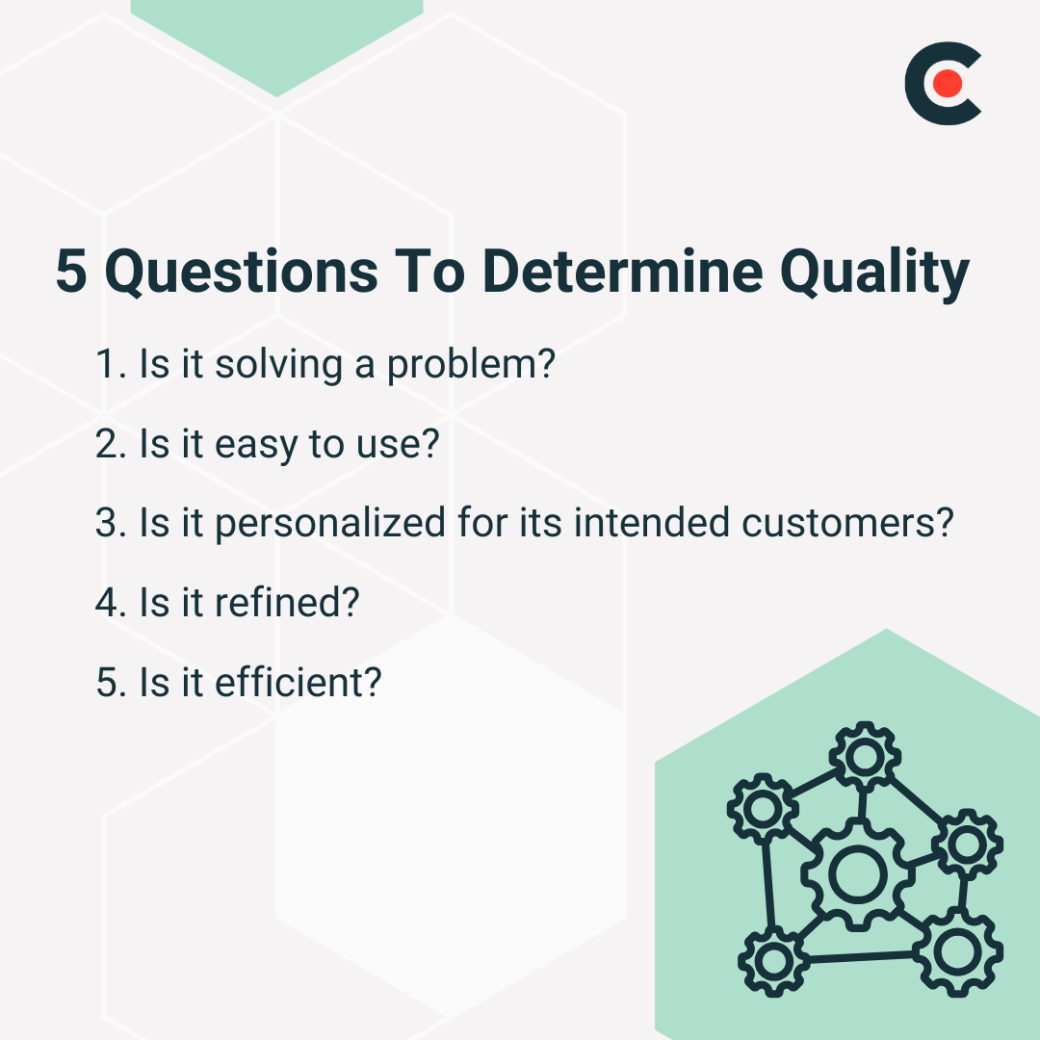
As markets grow more saturated, quality allows brands to differentiate themselves effectively. When high-quality products or services exceed expectations, they become the standard that consumers trust. Quality can help brands cultivate a reputation for reliability and trust.
Moreover, quality can help businesses to strategically position themselves in the marketplace — especially for pricing. Brands can establish a premium reputation for delivering consistently top-quality products or services.
Quality and customer retention are interlinked. Undermining the importance of delivering quality services or products can have far-reaching and costly consequences for businesses.
Some of the immediate effects include dissatisfied customers, negative reviews or word-of-mouth, and a damaged reputation. More resources are then needed to mitigate those repercussions (e.g., increased customer service burden and heightened need for better marketing and PR).
In the long-term, if the quality of your products or services fail to improve, it can lead to dreadful conclusions such as decreased market competitiveness, stagnant innovation, and even legal or regulatory fines.
Essentially, inconsistent or subpar quality drives your customers to your competitors. It erodes brand equity, stalling your business like an anchor.
Customer preferences and priorities shift over time, so it’s hard to predict how to best design your products or services. However, it’s not impossible to future-proof your business.
Here are 5 impactful tips to help you enrich quality:
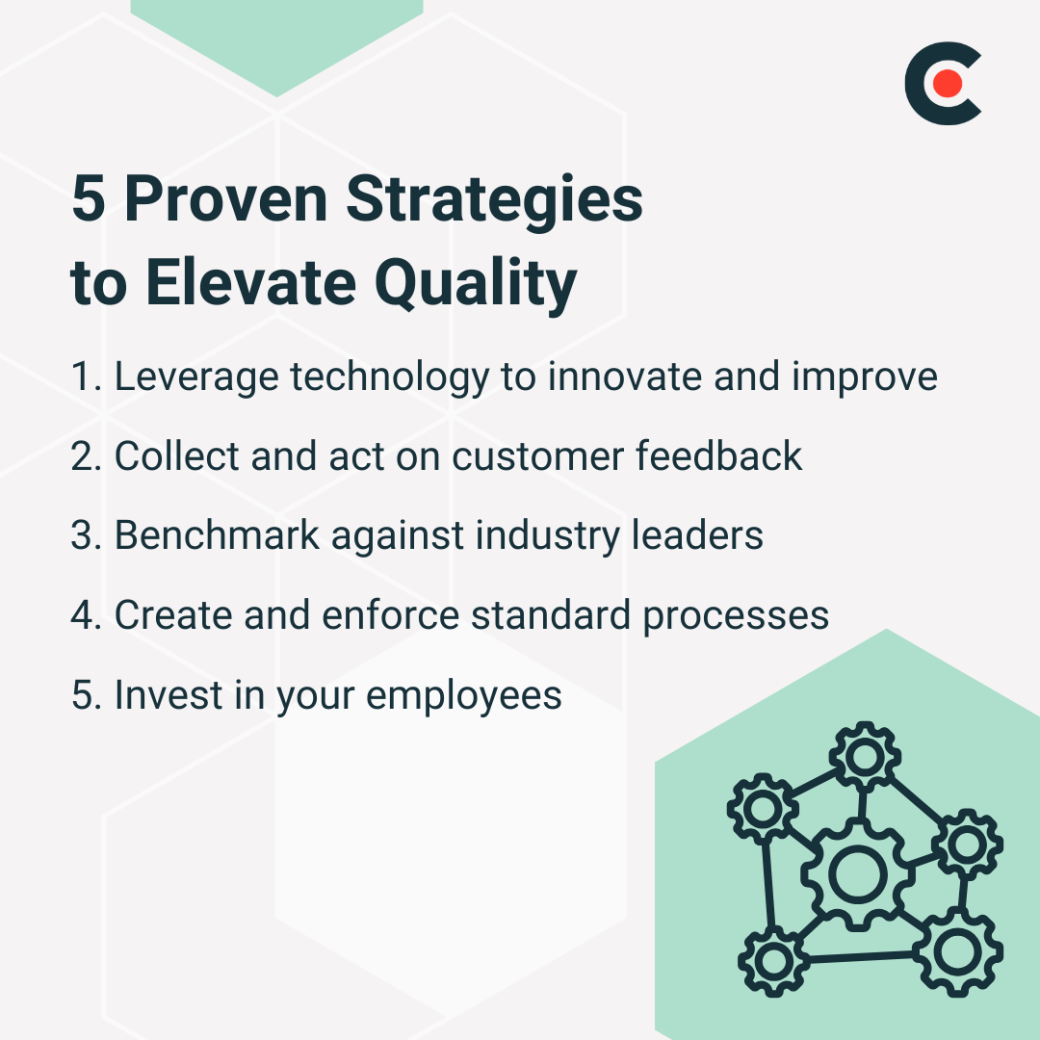
Investing in cutting-edge technologies is not a small decision, but it’s a significant milestone that can elevate quality. Advanced solutions such as quality management systems (QMS), enterprise resource planning (ERP), and customer relationship management (CRM) tools can reduce errors, accelerate operations, and support processes, ultimately helping improve the quality of products or services.
Data analytics and data visualization are other major benefits of leveraging technology to enhance quality. By analyzing data, companies can identify trends, patterns, and areas needing improvement. Data also enables companies to make smarter decisions as the market evolves and grows.
Overall, technology empowers businesses, giving them the ability to be more proactive, productive, and effective across every touchpoint.
Businesses know their products or services inside and out. They may have produced or implemented it countless times, so their familiarity might be a reason why they don’t see its imperfections anymore.
Customer feedback is powerful information that equips businesses with crucial knowledge that can help them further refine their products or services. Feedback is an eye-opener that allows companies to understand what their customers like and dislike.
Gathering and acting on feedback shows customers that you genuinely care about their voice. Listening to their concerns is key to fostering positive customer relationships and experiences.
Benchmarking against industry competitors and leaders is crucial for understanding and measuring your business performance, practices, and quality standards.
Industry leaders set the bar for what customers expect from their products, customer experience, and operational efficiency, analyzing what makes them the best helps you identify gaps that may be hindering your business.
Benchmarking is also important for establishing a mindset for continuous improvement, empowering employees and stakeholders to strive for higher quality standards.
Standard operating procedures (SOPs) are detailed instructions aimed to educate and guide employees carrying out routine responsibilities. Implementing a good SOP system helps avoid confusions, ensuring workflows follow the best methods to achieve consistently high-quality results.
Good SOPs also impact different business areas, unlocking benefits such as:
Process standardization strengthens quality control, ensuring products or services offer a positive customer experience.
Human capital is everything in business, regardless of size or industry. Your employees are the cornerstone of your business. They are directly responsible for producing, delivering, and supporting vital processes.
Investing in their development, satisfaction, and needs empowers them to perform their duties at the highest level. Providing courses for nurturing their technical and soft skills also enhances their abilities to innovate and solve problems.
When a company shows its commitment to its employees, it fosters a sense of accountability and a positive culture that carries the company the extra mile.
Regularly and carefully monitoring quality key performance indicators (KPIs) ensures products or services meet company standards. Customer satisfaction (CSAT), net promoter score (NPS), and product return/service cancellation rate are just some of the usual metrics used to assess the quality of products or services.
Since every business has its unique offerings, it’s essential to understand and identify what factors to measure. Here’s our 5-step guide to detecting, analyzing, and acting on metrics:
Quality is the language of loyalty. If you’re looking to ensure long-term, sustainable business success, focus on quality now. Don’t wait till your customers feel dissatisfied with your brand.
By adopting a proactive quality management approach, you don’t need to worry about stumbling trying to react to the consequences of presenting lower-quality products. Integrating quality into your business strategy isn’t optional—it’s essential to thriving in the future economy.