
Why Salesforce Staff Augmentation Is Becoming a Strategic Choice
Salesforce staff augmentation is no longer a stop-gap. Learn why more businesses now use external specialists to access expertise, move faster, and scale...
Updated March 13, 2025

The cybersecurity landscape has grown more complex, with threats now targeting everything from your network to cloud applications and sensitive data. It’s no longer enough to rely on basic protections — businesses require expert support to stay secure, but with so many cybersecurity providers, how do you know which one is the right fit? Helen Yu, CEO of Tigon Advisory Corp., breaks down what to look for when selecting an outsourced cybersecurity partner.
Cybersecurity is no longer a luxury—it’s a necessity. In recent years, it has grown far beyond simple firewalls and antivirus software.
As cyber threats become more sophisticated, businesses now face risks that target everything from their networks and applications to sensitive customer data. The need for robust protection in these areas is clear, but it can seem like the threats are coming from too many angles simultaneously. With so many variables, selecting an outsourced cybersecurity provider can feel overwhelming.
Looking for a IT Services agency?
Compare our list of top IT Services companies near you
The reality is that businesses can’t do it all alone. By turning to the right cybersecurity partner, you gain specialized support that can adapt to your needs, especially as threats evolve. But how can you be sure you’re making the best choice?
Helen Yu, CEO of Tigon Advisory Corp., gives her insights on what to prioritize when searching for an outsourced cybersecurity solution.
Finding a reliable cybersecurity partner is more than just ticking boxes. It’s all about securing as many points as possible and aligning with a partner who understands your unique challenges and can keep your business secure as it scales.
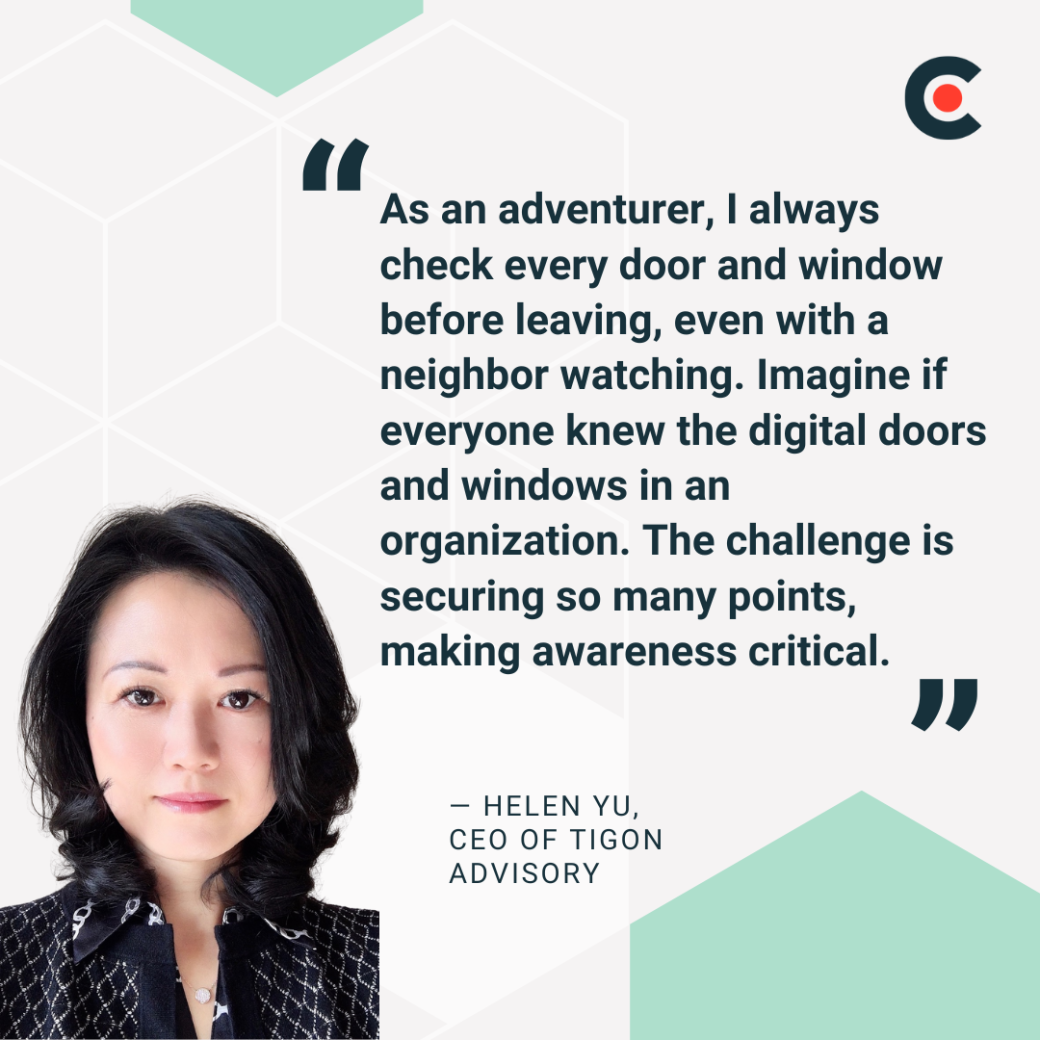
As Yu highlights, “As an adventurer, I always check every door and window before leaving, even with a neighbor watching. Imagine if everyone knew the digital doors and windows in an organization. The challenge is securing so many points, making awareness critical.”
Here’s what to look for when outsourcing a cybersecurity provider:
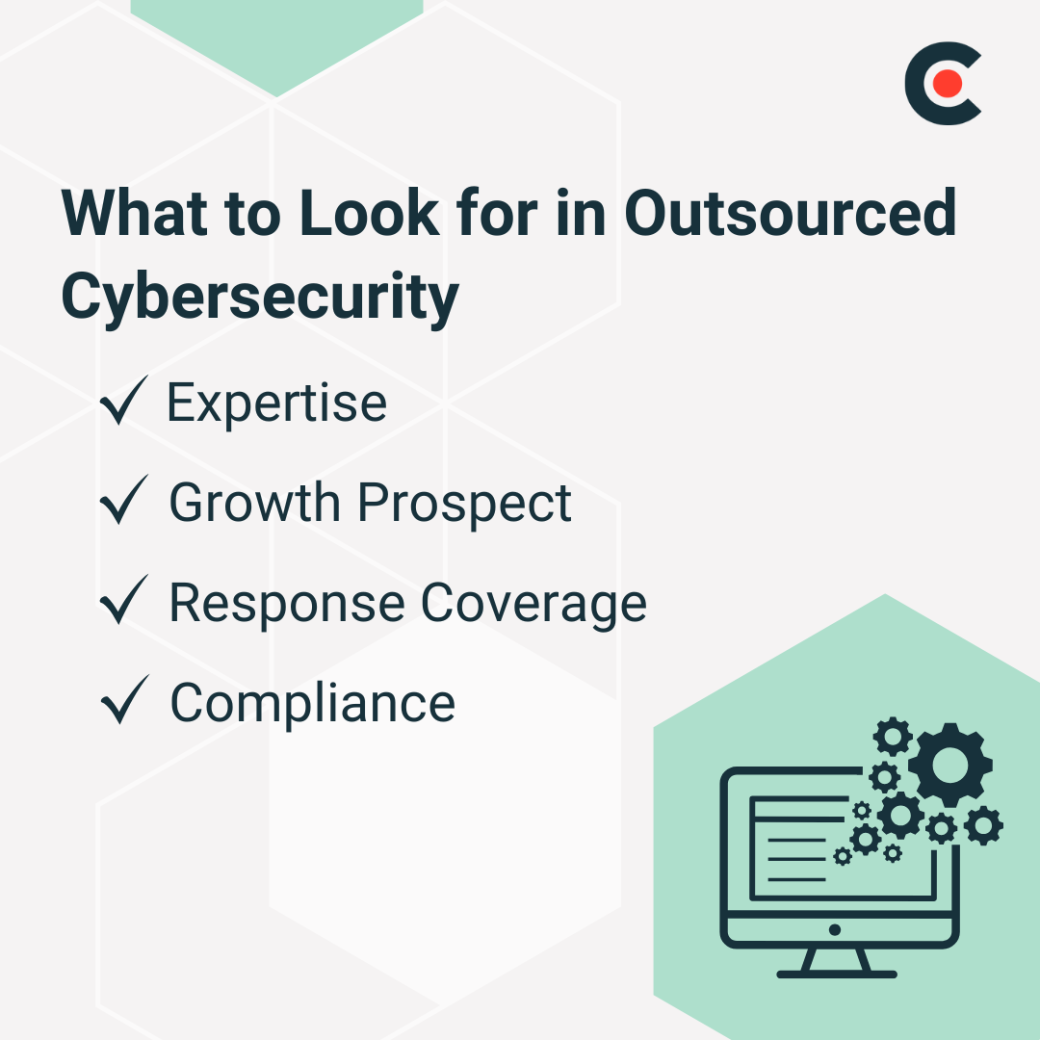
Cybersecurity is a broad field, encompassing everything from network security to protecting cloud environments. So, when assessing potential partners, it’s important to dig into their expertise. Do they have the certifications to back up their knowledge? Look for industry-recognized credentials like CISSP (Certified Information Systems Security Professional) or CEH (Certified Ethical Hacker). These qualifications show that the team has been trained to tackle real-world threats with proven strategies.
Beyond certifications, consider their hands-on experience. Have they worked with businesses in your industry? For example, if you’re in finance or healthcare, your provider must be familiar with protecting sensitive data and meeting strict compliance requirements. Choosing a partner who’s already handled similar challenges can give you confidence that they know how to handle whatever comes their way.
A strong cybersecurity partner isn’t just focused on immediate needs — they should align with your long-term vision. Can they scale their services as your company grows? If you are launching a new product or expanding to new markets, you’ll need a partner who can adapt to those changes without skipping a beat.
It’s also worth considering how well they communicate and collaborate. Are they committed to building a relationship that supports your growth? Having a partner who understands your business goals means they can anticipate and proactively address future security needs. As your organization evolves, they should be ready to provide guidance and solutions that fit your expanding footprint.
When a breach happens, every second counts. That’s why partnering with a provider that can respond swiftly and effectively is important. But response coverage isn’t just about speed. It’s about having a structured plan in place. How well-prepared are they to handle a real-time attack?
Look for a cybersecurity partner who reacts quickly and knows how to minimize damage and prevent future incidents. This might include automated threat detection, incident response teams, and even round-the-clock monitoring to catch threats before they become full-blown crises. After all, cybercriminals don’t restrict themselves to standard business hours, nor should your cybersecurity partner.
With tightening privacy regulations and industry standards, compliance is no longer optional — it’s non-negotiable. Whether it’s HIPAA for healthcare, PCI DSS for payment systems, or GDPR in Europe, businesses must stay compliant to avoid fines and protect customer trust. So, how knowledgeable is your potential partner regarding these regulations?
It’s not just about ticking off compliance checklists; it’s about deeply understanding what’s required for your industry. A good partner will help you navigate these waters, making sure your systems are compliant and optimized for security. This level of expertise can make all the difference, especially for industries where even minor compliance missteps can lead to significant consequences.
Choosing the right cybersecurity partner is less about finding someone with all the bells and whistles and more about aligning with a provider that understands your needs. Before making a decision, take the time to clarify what your business truly requires. Are you looking for someone to provide 24/7 monitoring, or are you more concerned with proactive threat hunting and compliance support? Defining these priorities at the start can streamline your search.
If protecting customer data is at the top of your list, you’ll want a cybersecurity partner good at data encryption, compliance, and secure storage. But suppose you focus on defending against specific attacks, such as phishing scams. In that case, finding a partner who specializes in spotting threats early, helping you with staff training, and handling incidents quickly if they arise is important. When you think about what matters most to your business, it becomes easier to pick a cybersecurity partner who’s in tune with your goals and can provide the right solutions to keep you safe.
Above all, don’t overlook the importance of clear communication. Establishing transparent expectations and roles from the beginning can prevent misunderstandings and set the foundation for a strong partnership. Remember, cybersecurity isn’t a one-time effort but an ongoing collaboration. By working closely with the right cybersecurity partner, you can stay ahead of threats and focus on what matters most—growing your business.
Focusing on these key areas can help you identify a cybersecurity partner who fits your current needs and grows with you.

Helen Yu is the CEO and founder of Tigon Advisory Corp, a top expert in growth strategy and digital transformation. With a proven track record of helping companies scale and navigate complex challenges, Helen is passionate about bridging the gap between technology and business. She's a sought-after keynote speaker and author, known for her insights on cybersecurity, innovation, and sustainable growth.