
Why Salesforce Staff Augmentation Is Becoming a Strategic Choice
Salesforce staff augmentation is no longer a stop-gap. Learn why more businesses now use external specialists to access expertise, move faster, and scale...
Updated April 24, 2026

Most businesses couldn’t function without IT services. Cybersecurity protections, payment processing apps, data analytics tools… Take any of them away, and the whole operation falls apart like a house of cards.
With so much at stake, it’s no surprise that businesses are investing more in IT. In 2024, companies spent an average of $49 million on Software as a Service (SaaS) — up 9.3% from the previous year. For IT firms, this explosive growth means there are plenty of opportunities to expand.
But these days, it’s not enough to provide great services. Sure, you might have the best artificial intelligence (AI) features or fantastic customer support. But if customers don’t understand how you can help them, they might not even give your products a chance. That’s why you need skilled IT marketers to explain all the complicated technical details and showcase their impact.
Looking for a IT Services agency?
Compare our list of top IT Services companies near you
Aviral Mittal, Director of Marketing at rtCamp, has several years of experience marketing IT services. He joined us to discuss his top strategies for developing content and marketing strategies that actually engage clients.
This practical guide will help you create effective marketing campaigns that support your business’s goals. Our tips will also speed up your content execution, so you don’t have to spend hours brainstorming blog posts or obsessing over landing pages.
All the top IT providers have one thing in common: stellar content marketing.
Just look at Dropbox. Its website features dozens of customer success stories from across industries. Each case study is filled with quotes from delighted clients and statistics showing how much Dropbox has helped them. With so much evidence, it’s easy to see the company’s impact.
Here are a few more reasons to invest in marketing for your IT business:
All these benefits add up to more long-term business value and happier customers — a win-win situation.
Content is the fuel that powers every marketing campaign. Without it, you only have a handful of slogans that won’t even get you out of the driveway. Here are a few ways to help you create high-octane content that drives your campaigns and sales.
The best marketing doesn’t take place in a vacuum. Join forces with other teams to learn more about your business’s overall objectives. These colleagues can also shed new light on your audience’s interests and pain points.
“We collaborate closely with engineering leads and project managers to surface insights from actual client work,” Mittal explains. “This ensures every piece of content reflects the kind of value we deliver as a business.”
Organize this content around a few core messaging pillars. For instance, the time-tracking platform Toggl has a blog that focuses on project management and talent acquisition. This content helps project managers and HR specialists overcome common challenges. Strategically align your core messaging pillars to provide the most value possible to your target audience.
Be sure to create consistent workflows across teams, too. That way, everyone knows who’s in charge of creating specific content and which departments need to sign off on projects.
IT customers typically don’t care about flashy ads or rockstar influencers. They need informative content that helps them make confident decisions.
Mittal shares, “Case studies have been our strongest performers, especially when they focus on measurable results and client collaboration.” For example, rtCamp recently spotlighted how its products helped Cox Automotive increase lead conversions by 100%.
Many IT businesses also use these content formats:
Consider developing a variety of content for buyers at different stages. For example, Mittal observes, “Our platform comparison handbooks and migration guides have proven effective for decision-stage audiences.”
This process doesn’t have to be time-consuming. Repurposing content for multiple channels can speed up the creation process. Snippets from a webinar can become YouTube shorts, white papers can become blog posts, and so on.
Developing top-notch content is only one part of marketing IT services. Use these tips to create successful marketing campaigns.
IT services can be highly competitive, and even the most innovative products will share a lot of the same features. For example, all healthcare software needs secure storage for patient data.
“The biggest challenge is differentiation in a market where many providers sound alike,” Mittal says. “It’s easy to blend in.”
For Mittal, savvy marketing makes all the difference. He continues, “We’ve tackled this by making our content decision-maker friendly. We don’t just talk about what we built, but why it mattered, and how it reduced risk or improved performance. By linking tech work to strategic value, we stand out and stay relevant.”
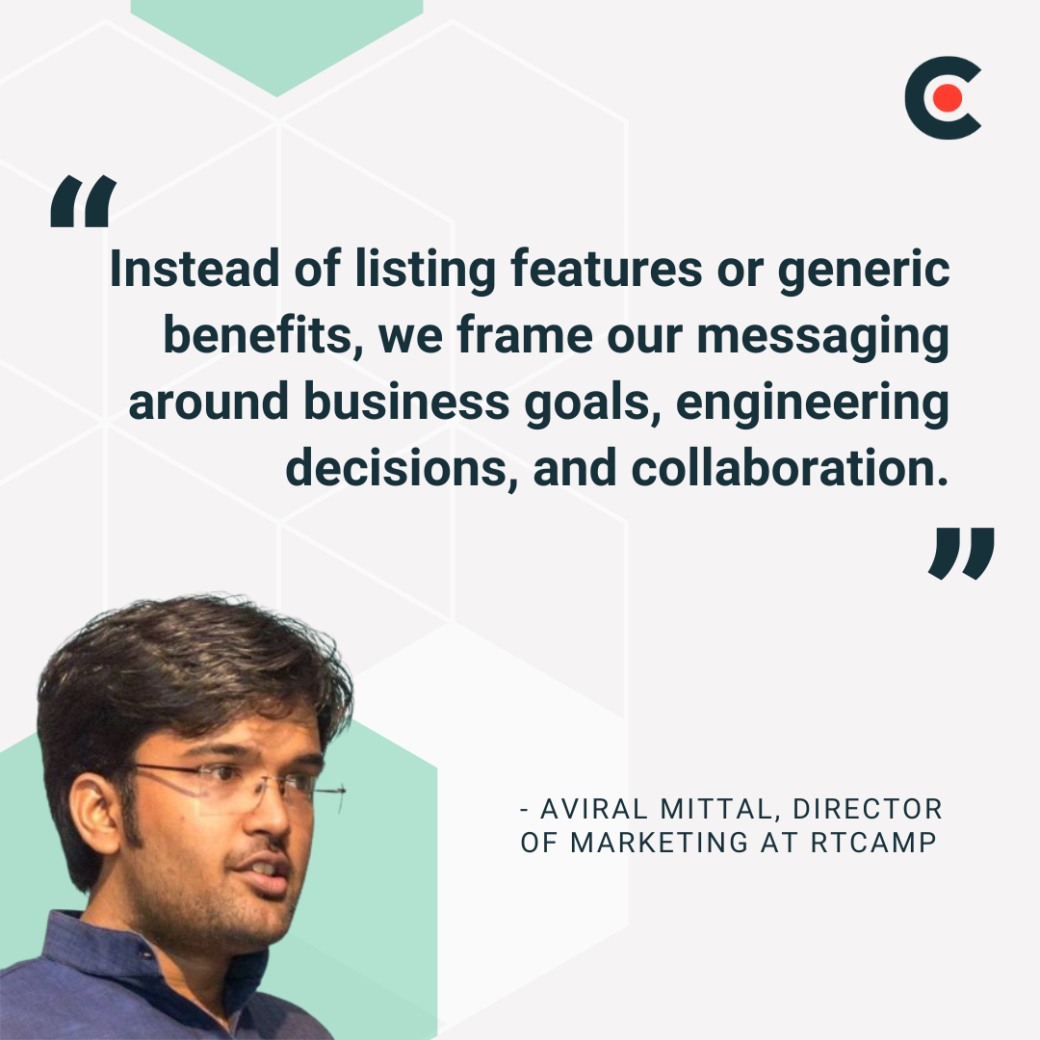
It starts by creating solution-driven messaging — the more specific, the better. Mittal explains, “Instead of listing features or generic benefits, we frame our messaging around business goals, engineering decisions, and collaboration.”
Consider designing SEO-optimized landing pages for different industries or use cases. For instance, Constant Contact has one page for marketing newbies and another for seasoned experts. Thought leadership articles and guest posts can also build credibility. For enterprise clients, go big with account-based marketing campaigns.
Effective campaigns are built on research, not guesswork. Start by checking out how your competitors position their services — don’t worry, it’s not snooping. This research can help you spot opportunities to differentiate your brand.
You can also use market research tools — such as hashtag trackers — to discover the latest IT trends. And pay attention to client feedback and industry reports, too. This data can help you develop more thoughtful marketing strategies.
Your relationship with your customers shouldn’t end when they swipe their credit cards. “We focus on being a long-term partner, not just a delivery team,” says Mittal.
Creating value-driven content is key to nourishing these connections. Depending on your audience’s needs, this content might include:
“Any client or team can benefit from these shared resources,” Mittal explains. “They reflect our commitment to long-term value and help build trust over time.”
Plus, this thoughtful content can help you retain customers. When a client already knows your services inside and out, they’re much less likely to be lured away by a competitor.
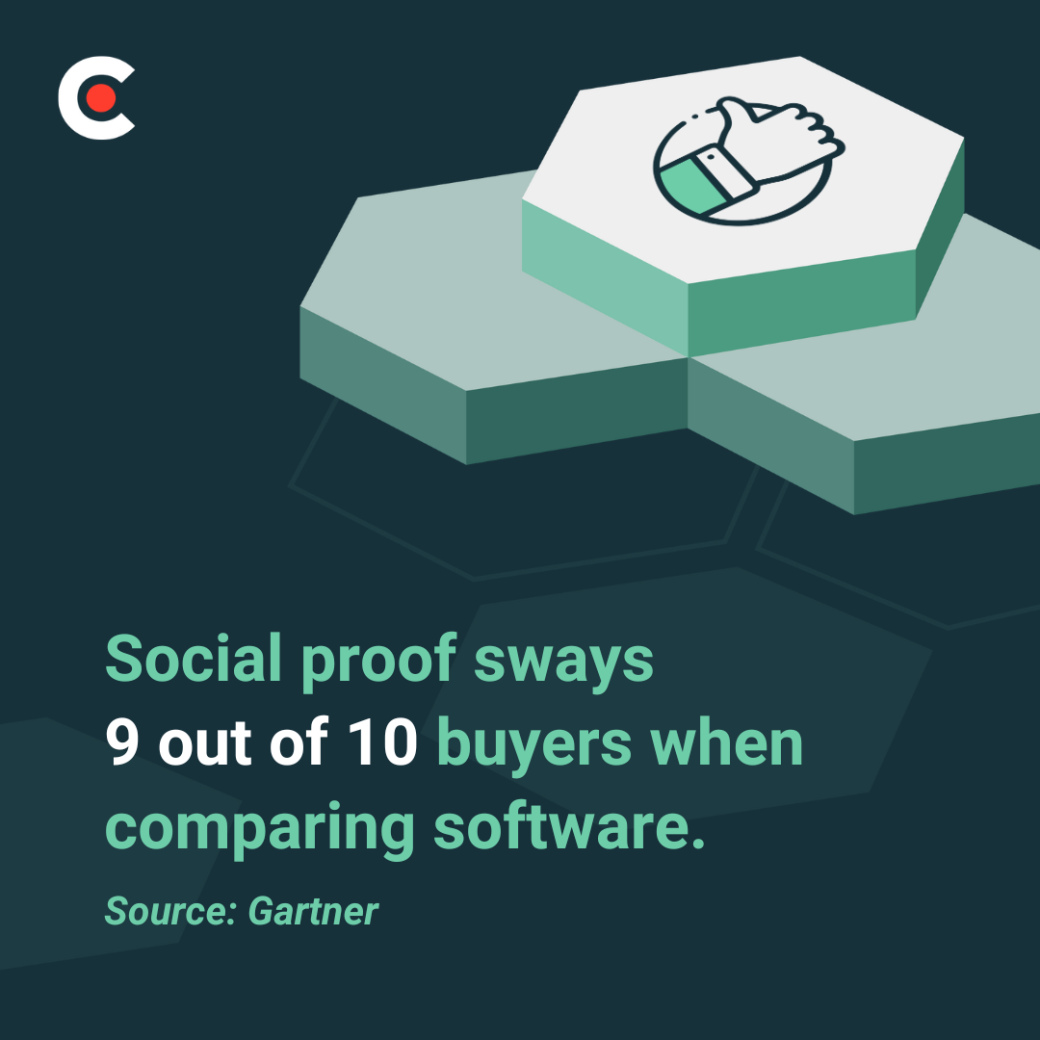
Social proof sways nine out of ten buyers when comparing software, according to Gartner. Case studies can influence these decision-makers by reinforcing your business’s credibility. By focusing on your clients’ real-world successes, case studies also highlight your products’ return on investment (ROI).
“We build every case study around the client’s vision,” Mittal reflects. “What were they trying to achieve? What constraints did they face? How did we work together to get there?”
rtCamp uses these questions to tell truly compelling stories instead of just reciting facts. Mittal explains, “This narrative-first approach makes our case studies not just proof points, but trust signals. They often serve as openers for new sales conversations because prospects see themselves in the story.”
As you start shaping your clients’ stories, set yourself up for success with these best practices:
And never underestimate the power of statistics — people love cold, hard data. “The client’s sales increased by 80% in three months after adopting our customer relationship management software” is much more persuasive than “Their sales grew quickly.”
Sure, blog posts and social media can help promote your IT services. But your sales team probably doesn’t want to pull up your Instagram Reels during high-stakes client meetings — it’s just not the time to scroll through videos.
Instead, create short yet impactful content that your sales reps can use to close deals. Here are a few essentials:
Keep your messaging consistent for every channel. That way, your sales team can easily mix and match content based on each customer’s needs.
In many ways, marketing IT services is more about storytelling than creating the best products. Sure, customers want quality software that improves their lives — that’s a given. But they’re not just buying pixels and code. They’re investing in your company’s mission and your team.
Strategic content and marketing allow you to educate your clients while strengthening your relationship. And when they fit your business goals, they can help you achieve sustained growth.
Ready to get started? Download our IT Services Checklist to refine your strategy and maximize impact.