Blockchain helps build brand loyalty by ensuring authentic products, making supply chains more transparent, and creating secure, reliable loyalty programs. It’s all about earning and keeping customer trust.
Organizations would do anything for brand loyalty, and the need for this is what birthed loyalty programs and reward mechanisms to get customers hooked on the brand. However, as new technology is introduced, the weaknesses of traditional loyalty programs become more apparent.
Among the options considered for replacing the conventional way of implementing loyalty programs, blockchain technology has emerged as one way to strategically reimagine customer engagement by creating more trust, transparency, and security.
Source
Over the past several months, we have been witnessing the early stages of a profound shift in how the loyalty ecosystem is designed. This article will discuss some of the most persistent challenges of current loyalty programs and explain what changes adopting blockchain-powered digital verification methods can bring and how to implement them.
Challenges with Traditional Loyalty Programs
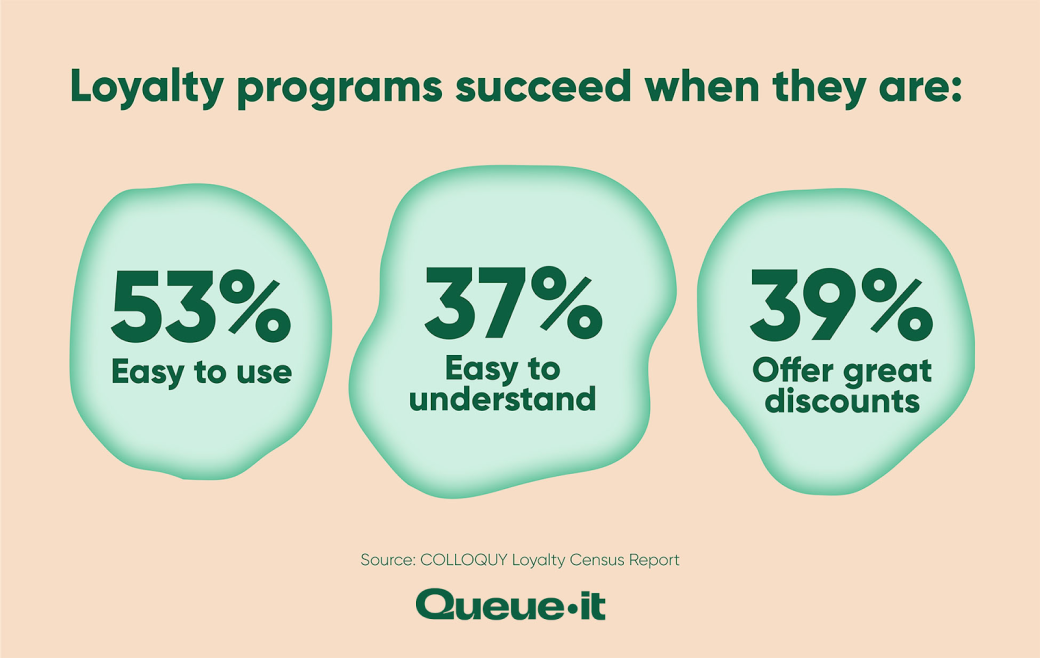
For a long time, traditional loyalty programs have been the backbone of customer retention strategies, but as more and more time passes, they show signs of strain. Some of the critical challenges that these conventional programs face include the following:
- Fragmentation: In a situation where every brand maintains its distinct reward system, customers who want to take advantage of them must manage multiple accounts and track different methods of assigning values. They also have to navigate various redemption processes. This kind of siloed complexity only increases friction.
- Trust and Verification: Current loyalty systems are vulnerable to fraud and point manipulation because they are not transparent enough. Customers often don’t know the true value of their accumulated rewards. Even companies that seem to be transparent have such complex reward calculations that customers don’t bother and just go along with whatever they’re given.
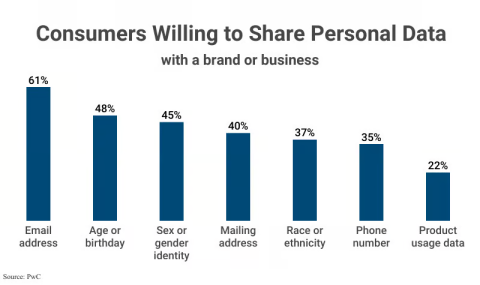
- Data Privacy and Security: The current model of loyalty programs means that brands collect extensive personal information, often without being fully transparent about how that data is stored and used. One promise of blockchain-based systems is that users will have granular control over their personal information.
Source
- Economic Inefficiency: Most reward points today have limited liquidity even without operational friction. They depreciate rapidly too, all in a bid to create an artificial sense of scarcity that diminishes their perceived value. In essence, points often go unredeemed. So, corporations usually benefit more than customers in this scheme.
- Lack of Scalability: Lastly, due to operational challenges like manual point reconciliation, slow redemption processes, and geographic restrictions, it can be difficult to scale loyalty programs as they should. Therefore, accumulated points are rendered nearly meaningless and so unusable.
Blockchain: A Solution for Loyalty Programs
Thinking of blockchain technology as just another tech buzzword would be an error. It is a fundamental reimagining of how businesses connect with customers. For one, its cryptographic security provides a layer of trust that can help address some of the issues with current loyalty programs.
Let’s break down the blockchain advantage:
- By implementing loyalty programs via blockchain smart contracts, every reward transaction becomes a traceable, verifiable event recorded on a distributed ledger. So, customers can see and be certain about exactly how their points were earned and redeemed.
- The security that blockchain provides ensures that many of the fraud mechanisms that plague current reward mechanisms are completely avoided or, at least, made significantly more difficult.
- Blockchains also solve the silos problem of conventional loyalty programs. We can have a borderless rewards ecosystem where a customer could convert airline miles into, say, retail credits or investment tokens. Partnerships like this would even enhance crypto branding for organizations.
- Blockchain-based loyalty programs also have the advantages of real-time processing and responsiveness. In fact, the promise of integrating loyalty programs with Web3 marketing is that customers would not have to do anything, as the smart contracts will trigger the rewards at the instant a qualifying action occurs.
- From the perspective of corporations that issue rewards, blockchain-based reward programs are significantly more efficient. They don’t require a large team overseeing the crypto PR process. Just set the smart contract in motion and allow it to do its work.
- Lastly, blockchain allows loyalty points to transcend their traditional limitations. No longer passive accumulations, these tokens become tradable, transferable digital assets with genuine market potential.
Implementing Blockchain in Existing Loyalty Program
Transitioning from traditional point systems to a blockchain-powered approach to rewards requires careful planning and strategic thinking. In this section, we’ll review some key steps that shouldn’t be missing in your process.
- Assessment and Feasibility Analysis: The first question is whether you even need a rewards loyalty program. Not all businesses do; depending on your market, you may even be better off without one. If you already have one, though, or are planning to have one, you need to analyze current point redemption patterns, understand customer engagement, and identify specific ways that blockchain can introduce improvements.
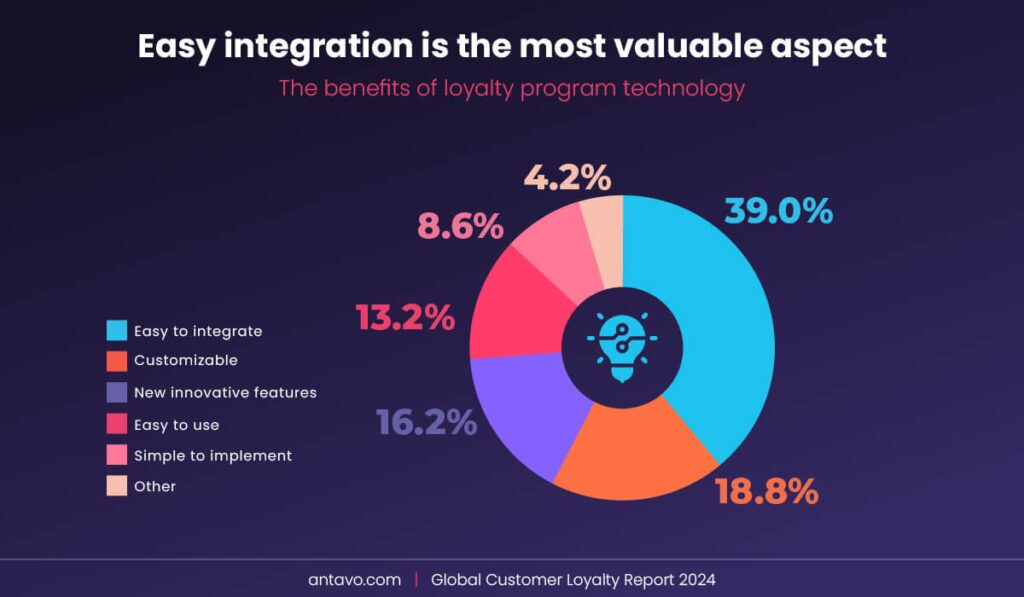
- Architecture Design: After determining your objectives, then select an appropriate blockchain framework. This may be a public blockchain like Ethereum, a private permissioned network, or even a hybrid solution. Typical factors to consider include transaction volume, privacy, integration, scalability, and so on.
Source
- Tokenization Development: The next step is to design your digital reward tokens. This involves defining token economics and creating the smart contract framework that you’ll use to automate reward allocation. Ensure that the mechanism you use is as user-friendly as possible.
- Compliance and Governance Framework: Blockchain regulations are still evolving, and it is unclear how loyalty programs powered by this technology will be legislated in different jurisdictions. Some issues include data protection regulations, financial reporting requirements, cross-border transaction complexities, etc. Consider involving legal experts.
- Pilot Program: Adopting an incremental rollout strategy will allow you to test your loyalty program with minimal risk. Then, the insights gained at the initial stages can shape iterative refinement before the system is fully deployed.
Reimagining Customer Relationships with Blockchain
Businesses won't control the next generation of customer loyalty—it will be collaboratively designed with customers. Blockchain provides the technological infrastructure for this radical reimagination. Therefore, this technological shift represents more than a loyalty program upgrade. We're witnessing the reconstruction of customer relationship fundamentals, which is why getting ahead of the game is important.
Author Bio
Ayodele Johnson is a Digital PR & Content Writer who helps businesses of all sizes boost SEO & drive revenue.
About the Author
Ayodele Johnson
Digital PR & Content Writer
Digital PR & Content Writer | Helping Businesses of All Sizes Boost SEO & Drive Revenue
See full profile

