Lead Quality vs. Lead Quantity: Why B2B Teams Are Rethinking Their Funnel in 2026
Bigger buying committees and tighter budgets are forcing B2B teams to rethink lead quality vs. quantity. Here's how top teams rebalance the tradeoff in 2026.
Updated May 26, 2026

Automated emails can increase conversions without adding too much extra work for your team. Discover how to use them effectively with this guide.
Email marketing can still be one of the most effective ways to grow your audience in 2025. It’s a powerful channel for engaging customers after purchases, sharing products with leads, and reinforcing brand loyalty through targeted campaigns. But you’ll need the right strategy to get the best return on your investment.
One critical step in this process will be developing your company’s approach to automated emails. These are messages you send automatically when a person on your list takes a specified action. That could be adding something to their cart, engaging with your company on social media, or virtually any other action you can track.
Looking for a Digital Marketing agency?
Compare our list of top Digital Marketing companies near you
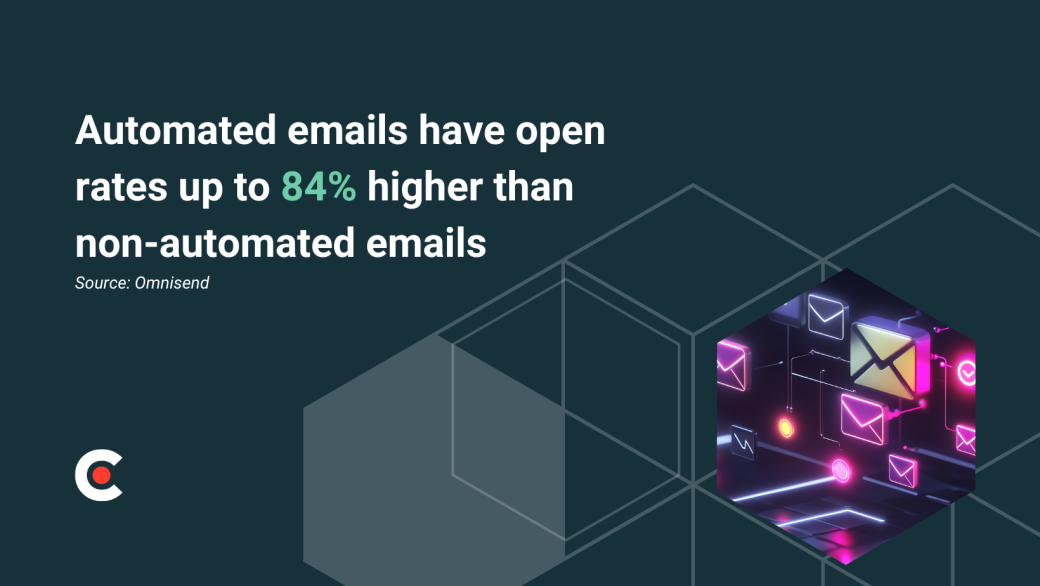
Automated emails have open rates up to 84% higher than non-automated messages. This article covers six ways to use them more effectively to reach your business goals, with tips from experts and common mistakes to avoid.
Every business has its own approach to automated email campaigns. But these six strategies are among the most widely used by the experts we consulted. Feel free to tweak them as needed to reach your goals:
First, you need to make sure that the emails you send to people are relevant to their goals and interests. Otherwise, they won’t engage with your messages and could even choose to unsubscribe. However, not everyone on your list will be motivated by the same factors. That’s why segmentation is so important.
Segmentation means splitting your audience into groups based on shared characteristics. Those could be:
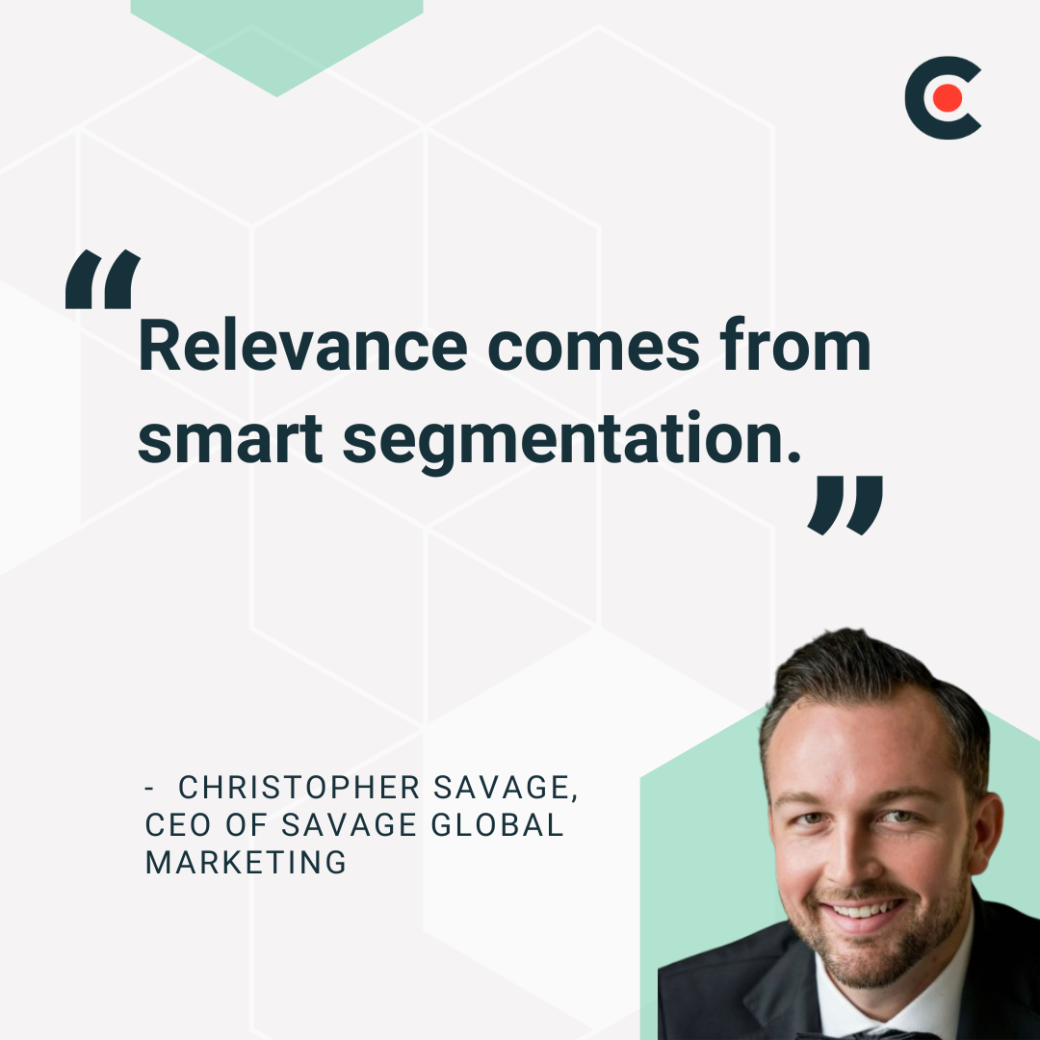
Christopher Savage, CEO of Savage Global Marketing, says, “Relevance comes from smart segmentation.” In other words, after splitting your audience into like-minded groups, you can target those users with messages more directly relevant to their interests.
But how do you decide what to base these groups on when there are so many options? It depends on your business and the factors most relevant to its interests.
For example, a subscription-based company would likely segment subscribers based on how long they’ve paid for a membership. This would prepare the business to target new subscribers with educational content and older subscribers with milestone celebrations.
Segmentation can get your emails into the right inboxes, but the messages will also need to be personalized to be effective. Savage explains: “You have to talk to people based on what they actually care about, not just blast the same message to everyone.”
In 2025, this means more than just using each subscriber's name. You should also consider personalizing messages based on:
Modern automation tools make this easier. You may need to invest in one or partner with an agency to reach your company’s full automated email marketing potential. Regardless of how you get there, personalization works because it makes recipients feel seen. This builds trust between the user and your brand, eventually leading to long-term loyalty.
Timing is another crucial factor to consider when designing automated email campaigns. The most effective messages don’t just say the right thing to the right people — they do so at an ideal time to achieve a particular goal.
For instance, you can trigger an automated email when a user abandons a cart on your site to increase the odds of them returning to complete the purchase. You could also send messages to re-engage inactive users after a specified amount of time has passed.
Savage also recommends considering time zones and their impact on engagement: “For example, we do not send emails after 4 p.m. during the week and try to avoid Fridays entirely because of low engagement rates during these times.”
You should try to send automated messages when users are most likely to engage with them. Otherwise, your open rates and conversion metrics will be less solid.
Next, try to optimize your subject lines and headers. These are the first parts of emails that users see, and you want them to be as engaging as possible to your target audience.
Savage says for email campaigns to work, you need “a killer subject line, a strong hook, and a call to action that’s clear and worth clicking.” But how do you do it? Some of the most widely used best practices include:
This is another area where automated email marketing tools will be helpful. You can leverage them to track and compare key performance indicators (KPIs) from different versions of the same email, so you know the most effective way to address your audience moving forward.
The design and performance of your emails across different devices can also impact how much engagement they get. For example, some estimate that between 50% and 60% of all email opens occur on mobile devices today. That means links, visuals, and other design elements need mobile responsiveness to be effective.
People are also drawn to engage with emails that feature best design practices like:
As you add these things to your emails, verify that they don’t negatively impact technical performance. For example, using a high-quality image can help you capture attention. But it may take too long for some users to load, decreasing your overall conversion rate.
Finally, you’re unlikely to design ideal email content on the first try. That’s why it’s crucial to track KPIs over time. They’ll help you understand how different messages perform, so you can maximize your use of whatever strategies perform best with your target audience.
Some key monitoring metrics worth tracking include:
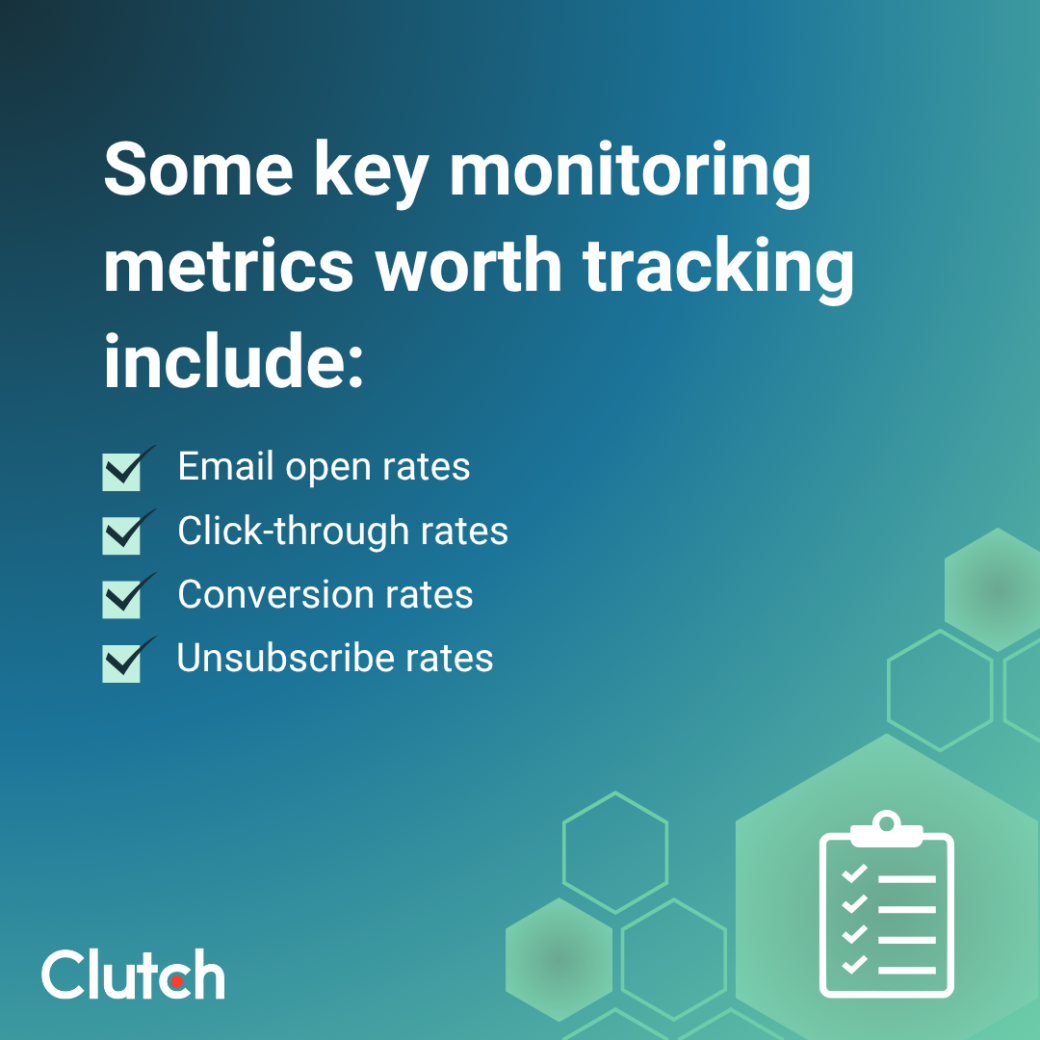
Even more important than tracking these rates in isolation is comparing them to each other across samples. For instance, how does your email open rate change when you send the same message in the morning instead of at night? The answer, revealed through data, would help you find the most effective time to send the message moving forward.
Many companies also use A/B testing. This means sending two versions of the same email and changing one key element, like your subject line or CTA. Then, watch your KPIs as the data comes in to see which performs best and use that version of the CTA or subject line moving forward.
Over time, this can help you optimize each part of an email. For example, you can A/B test different headers, opening paragraphs, jokes, images, and anything else in the message. The more you do it, the better your emails will perform over time.
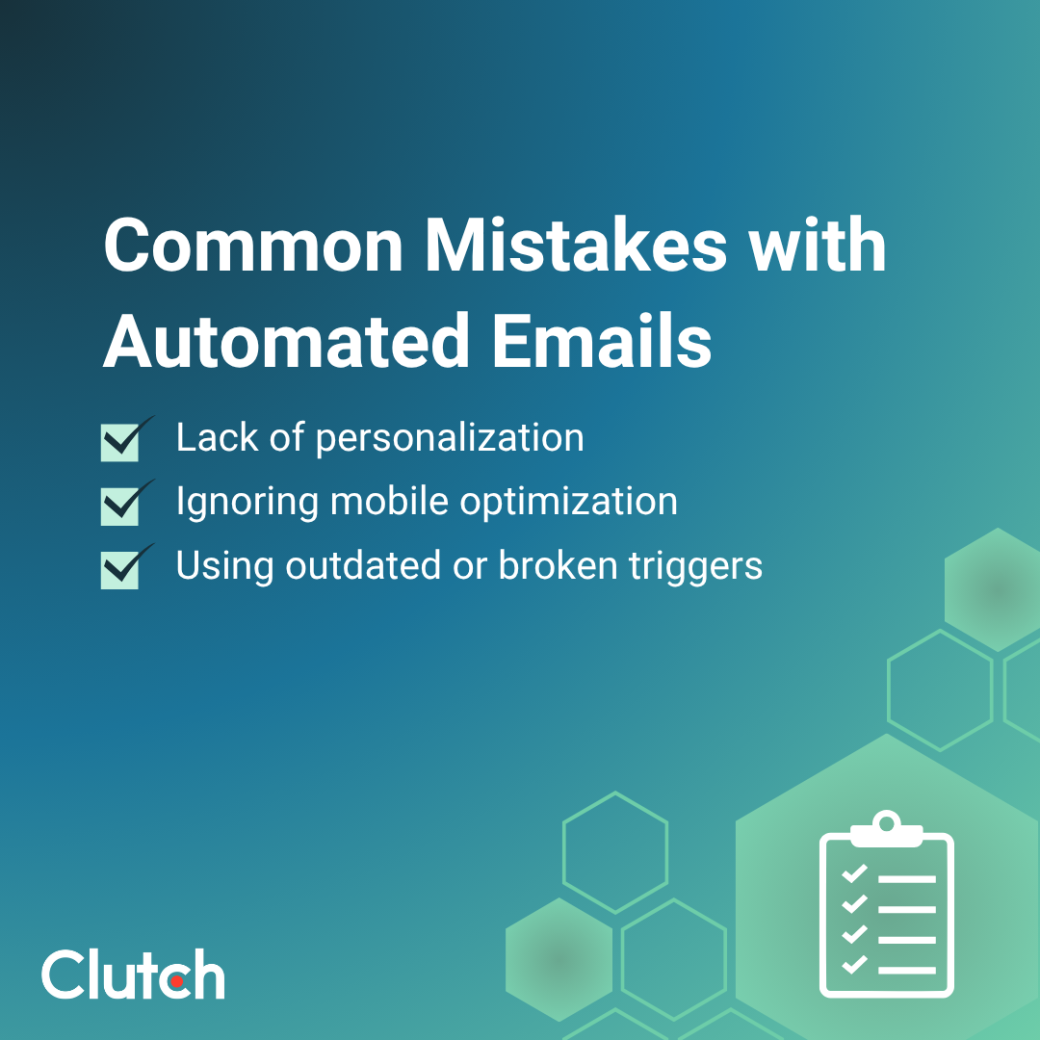
Even the most experienced marketers can fall into traps with email automation. For example, Savage sees a lot of companies “sending too many [emails], sounding like a robot, and not giving enough value before asking for something.”
He follows up saying that, “You’ve got to sound human, keep the timing right, and always lead with what’s in it for them.”
Some other common mistakes to avoid include:
If you’re just starting out, you’ll probably make your own mistakes, too. But don’t worry—as long as you’re tracking KPIs and adjusting your messages based on data, you’ll continue getting better results over time.
Effective email automation can help your company expand its reach, increase conversion rates, and grow. But you’ll need a smart strategy to stand out. That means focusing on segmentation, well-timed triggers, and crafting compelling content that works well across every type of device.
So, what’s the next step? You can begin your journey by auditing your current email setup or jump straight into testing new sequences. You might also want to consult with an expert to get more personalized insights for your business.