
Why Omnichannel Marketing is the New Standard for B2B Lead Generation
Omnichannel messaging targets key decision makers where they engage most. Grow your pipeline with omnichannel lead generation services from LevelUp Leads.
Updated November 9, 2019

Using market intelligence can help businesses learn about their customers, market, and competitors and create a winning PR strategy.
Many organizations are rediscovering the power of a good PR strategy. Growth in the field increased in 2016, and by mid-2017, the PR market was worth $15 billion.
Paying attention to trends in PR and using market intelligence to make smart decisions about your marketing and PR strategies is key to creating a positive image in the marketplace.
Looking for a Digital Marketing agency?
Compare our list of top Digital Marketing companies near you
But what exactly is market intelligence, and how can it help companies compete in the PR space?
Market intelligence is information you gather on your customers, your product or service’s market, and your competitors. It is one of the most important business activities you can engage in.
This is in addition to the data you collect yourself through Google Analytics, and it can be very valuable for decision-making, guiding you based on fact rather than intuition.
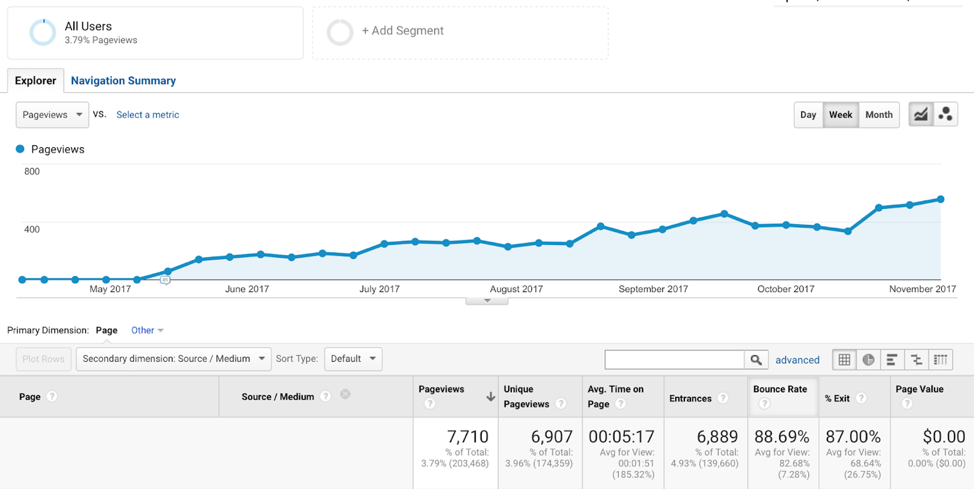
For example, if you find out your target audience’s favorite social network is Instagram, you can focus your social media marketing on that specific platform. Or, you might be able to make design decisions based on complaints customers have about a competitor’s products.
Here are four ways your business can use the power of market intelligence to improve and leverage your PR strategy for better success.
PR is all about your brand’s image and relationships. The more you know about your market, your customer’s reactions to your brand, your competition’s strategies, and your own marketing practices, the better you’ll be able to relate to your customers and speak to what they want.
When it comes to PR, market intelligence can help you get a feel for the types of publications your audience is reading. You can even get information on the voice and tone your potential customers prefer, which can help you when you pitch to journalists and create your brand voice.
Market intelligence is extremely important for both PR and marketing because it helps you understand both your customers and your brand’s position in the market.
One of the biggest reasons to amp up your market intelligence game is to understand your customers’ behavior.
Your own analytics might not explain why you get sudden spikes in sales or a ton of abandoned carts, but you might find the answers from others’ findings.
Data can tell you a lot about what your customers want from you. Tracking your PR and marketing efforts, seeing what is (and isn’t) working for your competitors, and getting a good picture of who your customers are is key for creating an effective PR strategy.
Data requires context for it to be valuable, and market intelligence not only allows you to collect more data to work with, it also gives you marketplace context for the data you collect.
For example, spikes in traffic during the late afternoon don’t mean much on their own, but if you know from market intelligence that stay-at-home moms tend to have time in the afternoon while their children nap, you might be able to tailor your PR efforts to reach that audience during those times of day.
Blending market intelligence and the information you collect as a matter of course is a powerful way to gain context and the right kind of data to leverage.
Just like your organization’s analytics, you can automate much of your market intelligence efforts, making it easy to collect even more data to work with.
For example, you could have surveys sent out at specific, pre-determined points in your customer’s relationship with your company so you can receive ongoing feedback.
Another simple idea is to use Google Alerts to get information and mentions about your competitors emailed to you every day. You can even use sites like Zapier to automate your workflows and create spreadsheets when certain information comes to you.
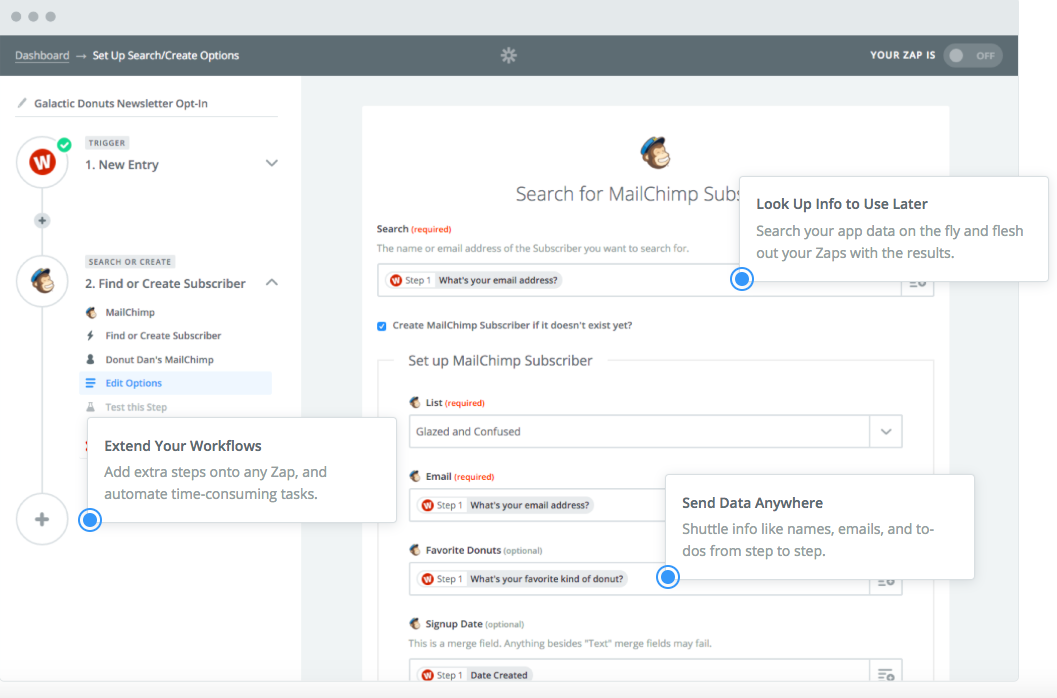
Automation in market research is becoming more popular every year, with 79% of decision-makers moving toward automation in the next few years.
In the end, market intelligence helps you market and sell.
In PR, it helps you market and sell your image by showing your team which connections to make and how to present your organization to the world.
In marketing, it helps you determine what kind of content to create and where to focus your dollars. Market intelligence can shape all kinds of business strategies and improve your ability to market and sell.
You only have limited resources, and it just doesn’t make sense to invest in strategies that are based solely on intuition. Finding the best platforms for your audience, settling on the right design, and finding a brand voice that makes customers buy requires data and insights from your own customers’ behavior.
PR and market intelligence are both key components of an effective business strategy.
By using them together to enhance your outreach, you can create trust in a time when many consumers are distrustful of business.
Having someone on your team who can do the research and analyze those findings will help make this essential pairing work in harmony.