How to Add AR Features To Your Mobile App
AR has proven itself across a wide range of business applications. This guide highlights the benefits of adding AR to your mobile app, how it works, costs...
Updated February 24, 2026

Have you ever had an excellent idea for a mobile app, but worry about what would happen if your idea was stolen by a competitor? Learn how to protect your app idea in this article.
Updated 02/20/2023
Imagine this scenario. You came up with an amazing idea, plan out the development process, and even have a design in mind.
Looking for a Mobile App Development agency?
Compare our list of top Mobile App Development companies near you
Because you’re happy with your idea, you start discussing it with a few developers, designers, friends, and family members. Then come to find out, another similar app has been launched right when yours was about to hit the market. All of your efforts, hard work, and research are for nothing.
This isn't uncommon — unfortunately, there are several real-life examples of app ideas being stolen. This article isn’t just a preventative reminder; it could happen to anyone. According to an Arxcan company report, 97% of the top Google Play apps are clones of popular applications.
Nearly a third of all games published in the App Store are clones of the popular game, Flappy Bird. Yo Messenger is one of the many companies that have had to file complaints about clone apps.
It's inevitable that more than one person will have similar app ideas to meet human needs. However, if you're fearing that someone may steal your app idea, there are steps you can take to protect your app idea during the development process.
Learn how to protect your app idea so you can get started on your mobile app development project.
Looking for a trusted app development company to guide your app's creation? Connect with hard-working professionals today on Clutch.
Did you know that app creators that take steps to safeguard their intellectual property (IP) earn more from their apps? While this can be a lengthy process, it's well-worth the investment.
You can protect your app idea and give yourself a shot at extra revenue by following these 6 actions to protect your app:
By investing time in completing each step of this process, you'll be able to avoid stolen app ideas.
The best way to earn the legal rights for your mobile app is to get the copyright together.
Copyright protections can include both published and unpublished works, such as an app's code. In short, it declares you own something. Copyrights are for artistic works and tangible creations such as:
Remember, a copyright isn't the same as a patent, which protects new discoveries and inventions, or a trademark, which protects brand names and slogans. Rather than protecting ideas, copyrights protect creations.
While the United States doesn't require you to register for a copyright once your creation is complete, there are legal benefits to doing so.
Even though the idea of the app is yours, any developer can ask for copyrights because they created the app. They can say they are the owners as well.
When signing this type of agreement, ask for all of the rights before and after the development process.
Generally, it takes 3 months to officially register a copyright, so keep that in mind when moving into the development stages with your app idea.
Find an intellectual property lawyer on Clutch.
When you hire an app development company, be sure to ask them to sign a non-disclosure agreement.
An NDA or non-disclosure agreement is a contract that states that no sensitive information is to be shared outside of the contracted engagement.
To get the best results from any developer, your vision needs to be explained freely. If you’re afraid of losing your idea, your vision probably won’t be expressed properly.
An NDA is an official contract that states whatever information will be shared between two people will be safe. An example of a sample NDA is shown in the image below.
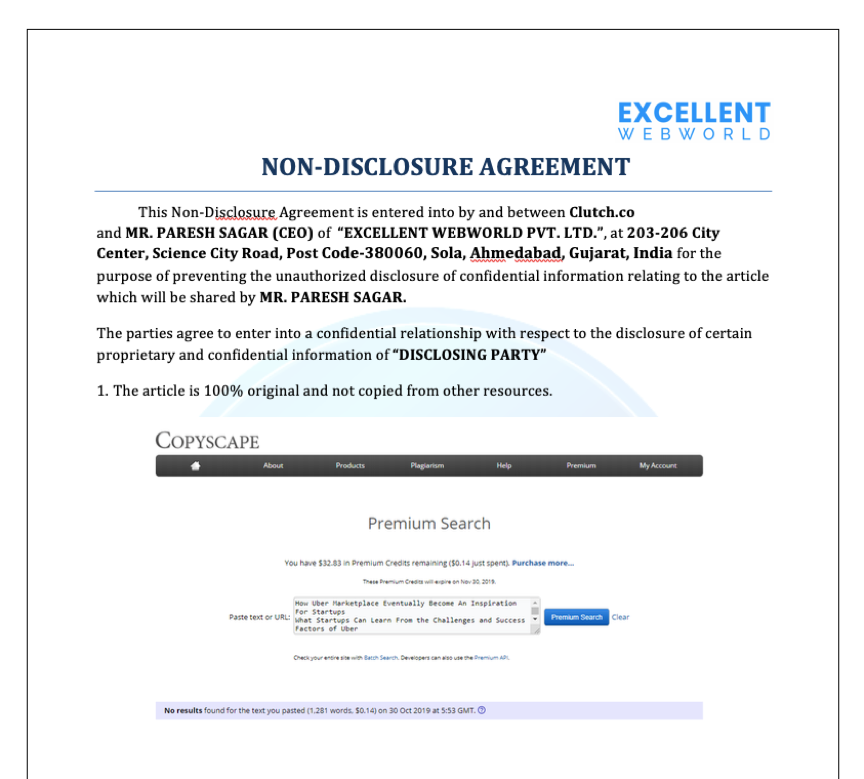
The agreement lists all of the parties involved, carefully detailing the importance of confidentiality.
The information cannot be shared with any third person. Hence; after signing the NDA, you can explain your idea to the developers freely.
It’s not new information that hiring a freelancer is much cheaper than working with a development company. But, sometimes saving the cost for app development can create a big blunder for you.
A major issue can present itself when your developers outsource your project to others. The third developer or company doesn't have any agreement or contract, which means they can build a similar application.
Always make sure you are working with an experienced in-house team of developers and designers.
Additionally, there is a risk in hiring a freelancer because what if s/he leaves the project in the middle of development? You would most likely go to a development company. The outsourced project, on the other hand, has better security and quality.
The company provides the non-disclosure agreement, which guarantees the safety of your project. Moreover, these companies are aware of their reputation so they wouldn’t jeopardize it by doing anything wrong with your app.
To ensure positive word-of-mouth, their team will do their best in crafting a flawless mobile app.
With an Android app, you can have multiple apps with the same name. But with iOS, you should reserve your app name in advance.
Note that you need to create an Apple Developer account to reserve an app name.
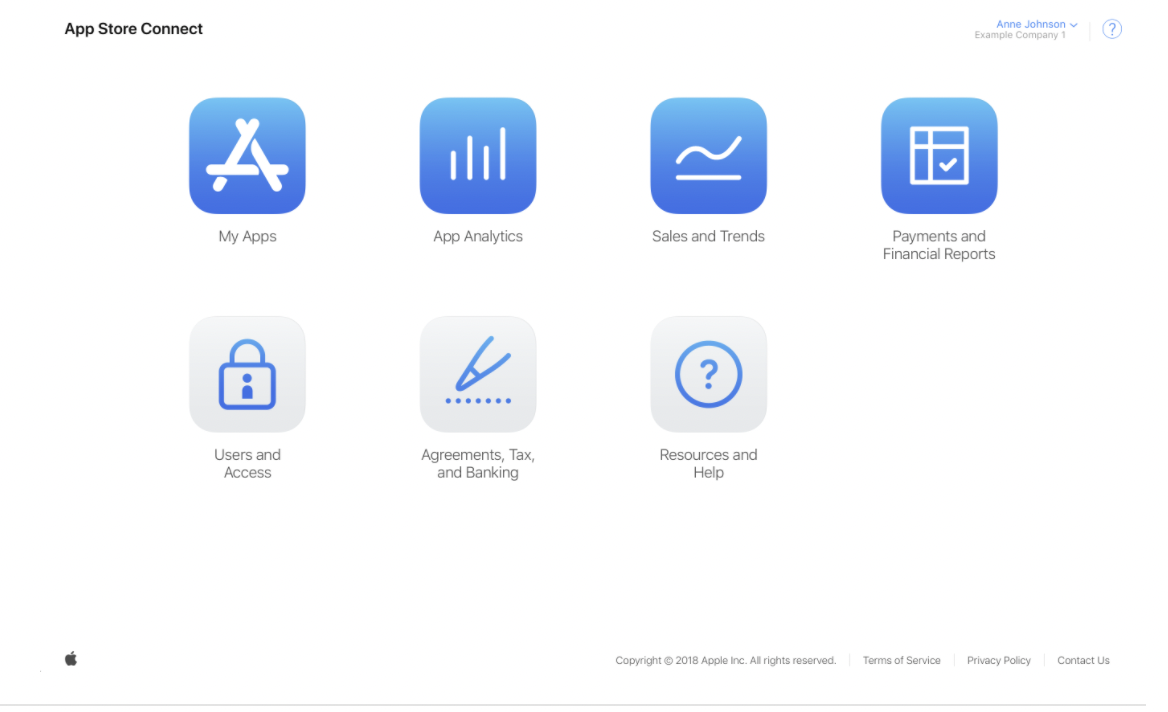
Source: App Store Connect
Here are the steps to reserve the app name:
After completing these steps, the rest of the process should be straightforward. Any copycats will have to figure out a different concept for their app.
The most effective way to stop others from copying your app is to trademark your work. Even if someone attempts to copy your work, there will be a trademark registered with your brand name.
Having a standard trademark established for your company name will protect it no matter how it appears in use. This protects you from other using your app name. Attorney Aiden Durham explains how acquiring a name and logo trademark works on her YouTube channel.
When you trademark a logo, the visual elements of the logo are protected. This includes fonts, colors, and symbols that appear in the design.
Even if your app name appears in the logo, it won't necessarily be protected through the trademark for your logo. There may be some protection, but they're not guaranteed in the same way they would be with both trademarks.
Besides preventing someone from building a similar app, trademarking also allows you to have a brand identity to directly connect with users in a unique and safeguarded way.
If you end up having to prove your case in a courtroom, ensure that everything is logged from start to finished. From the birth of the idea to its completion, everything should be saved and documented in a written format.
Save all of the documentation for the app. Size also doesn’t matter in this case. Small documents can hold the biggest and strongest proof for your battle.
Keep the app’s code, brainstorming blueprints, design drafts and any other relevant info stored in a separate file.
If you are someone with an amazing app idea then now you are well aware of how to protect your idea from being copied. Follow these steps and tips and no one will be able to copy your idea.
Make sure you are dealing with a legally registered company or a freelancer. Beware of the scams and cheaters who will take your money and will return poor-quality cloned apps. Always try to build an app from scratch and ask for the source code from the developers.
Implement your idea quickly and start earning the best revenue from your business app idea.
Looking for some legal assistance in your efforts? Connect with a top copyright firm or intellectual property lawyer on Clutch.