Updated March 25, 2025
Load testing services evaluate a website’s ability to handle high traffic. Learn how these providers help businesses optimize site performance and provide quality user experiences.
Business leaders often dream of having their content and products go viral. However, too much traffic can cause websites to slow down or crash. Many websites have experienced this infamous “hug of death” after they were featured on Reddit or other popular platforms. Flash sales or an influencer’s endorsement can also cause traffic spikes that affect performance.
Load testing services can help you optimize your website and prepare for the unexpected. These vendors simulate different traffic conditions to assess the website’s performance and identify potential issues. They also recommend strategies to proactively fix bottlenecks and improve the website’s stability.
Highly Rated Load Testing Companies
Investing in load testing services can help you avoid costly downtime and protect your business’s reputation. This guide explores the benefits of load testing, what a load testing service can offer, and how to find the right partner for your organization.
Browse Related Testing Services
What Is Load Testing?
Load Testing: A simulated test that evaluates how a website or software application handles different levels of traffic.
Websites and applications experience varying levels of traffic, also known as loads. During product launches, sales, and other peak times, the number of users may surge significantly above typical expectations. This performance testing helps businesses proactively identify potential issues with their systems.
High loads can put an unexpected strain on websites and software. This stress can decrease performance and lead to temporary crashes. In some cases, extremely high traffic can even cause complete system failures, shutting down your website or application for hours.
These performance issues can significantly affect your business’s operations. If your website is totally inaccessible, you can’t make sales through it. Sluggish or unresponsive systems can also decrease customer satisfaction and harm your brand’s reputation.
Load testing services use performance testing to help you detect and remedy potential issues caused by high traffic. These vendors perform many tasks, including:
- Gathering data about the system’s real response time, page load, and other performance metrics
- Using load testing software to simulate different levels of demand
- Monitoring the system’s performance during load testing
- Establishing performance benchmarks
- Identifying a system’s peak operating capacity
- Detecting issues that concur during high traffic periods, such as slow page load and bottlenecks
- Creating in-depth reports with test results
- Recommending strategies to enhance performance and resilience
- Performing follow-up tests to assess the effectiveness of implemented solutions
Businesses can use load testing to improve their system’s performance and prepare for peak traffic. This performance testing can also help enhance the user experience, leading to higher customer satisfaction. Finally, load testing can boost revenue by reducing downtime, unresponsive pages, and other issues that drive away customers.
Load Testing Services by Country
-
 United States
Load Testing Services
1,571 Providers
-
 Canada
Load Testing Services
246 Providers
-
 Australia
Load Testing Services
96 Providers
-
 United Kingdom
Load Testing Services
314 Providers
-
 India
India
Load Testing Services
1,047 Providers
-
 Pakistan
Load Testing Services
120 Providers
-
 Germany
Load Testing Services
87 Providers
-
 Philippines
Load Testing Services
26 Providers
Load Testing Services by City
-
 New York City
Load Testing Services
173 Providers
-
 Los Angeles
Load Testing Services
69 Providers
-
 Houston
Load Testing Services
33 Providers
-
 Chicago
Load Testing Services
78 Providers
-
 Ontario
Load Testing Services
138 Providers
-
 London
Load Testing Services
218 Providers
-
 Sydney
Load Testing Services
41 Providers
5 Benefits of Load Testing
People often assume that only large enterprises whose websites typically have millions of users must conduct load testing.
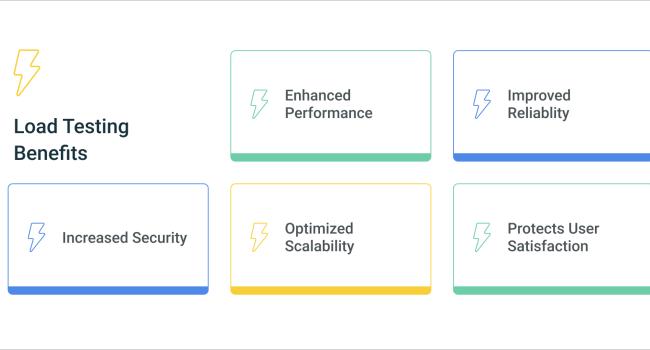
However, this type of performance testing offers benefits for businesses of all sizes, including:
- Enhanced Performance: Load testing enables businesses to pinpoint vulnerabilities affecting a system’s performance during peak traffic. They can use the insights they gain to implement solutions, such as rewriting inefficient code and upgrading server infrastructure.
- Improved Reliability: System issues can happen anytime, leaving your IT team scrambling to diagnose and repair problems. Load testing helps prevent these incidents by identifying potential issues before they lead to catastrophe. This process enhances reliability by reducing the likelihood of unexpected failures.
- Increased Security: Load testing can help you detect and repair security vulnerabilities before they affect performance. For example, providers can assess your website’s ability to withstand unexpected denial-of-service and SQL injection attacks. These cyber threats often occur during high-traffic periods when systems are overwhelmed.
- Optimized Scalability: Businesses can use load testing to simulate rising user demand and other growth scenarios. This testing helps them prepare their systems for higher traffic, improving scalability.
- Protects User Satisfaction: Poorly performing systems often leave users frustrated and disappointed. They might abandon a website if it takes too long to load or decide not to complete a purchase if the transaction process seems unreliable. Load testing improves customer satisfaction by helping organizations deliver speedy user experiences that inspire trust.
What Services Do Load Testing Companies Provide?
Businesses invest in load testing services for many reasons. An organization that recently experienced a system crash may need help pinpointing the cause of the failure, while a growing business may need guidance to scale its operations effectively.
Load testing providers typically offer multiple services to accommodate diverse client needs. Here are the main services offered by these vendors:
- Stress testing
- Scalability assessments
- Consultations
- Customized testing solutions
- Performance testing
Stress Testing
Stress testing assesses how a website or software application operates under extreme loads. Tech professionals use this method to push the system to its limits and determine its upper capacity.
This process involves using software to simulate unusually high user activity or traffic. The load testing provider gradually increases the strain until the system reaches its breaking point. Next, the provider analyzes why the failure occurred and develops solutions to enhance the system’s capacity.
Stress testing helps businesses pinpoint critical thresholds proactively. They can use the test results to increase their system’s resilience and scale their operations more effectively. Organizations can also use stress testing to assess their system’s recovery capabilities and improve stability at all times, not just during peak traffic.
Scalability Assessments
The level of user activity can spike or fall unexpectedly due to holidays, seasonal trends, and other factors. A scalability assessment evaluates how a system performs during these fluctuations.
The load testing provider creates a controlled testing environment and uses software to simulate different traffic levels. They monitor the system’s response to these changes by tracking key performance metrics, such as CPU usage and response times. This method helps the provider identify weaknesses and suggest improvements.
Businesses often invest in scalability assessments when they anticipate traffic spikes. For instance, a shoe company might conduct this kind of test before announcing a collaboration with a famous athlete or launching a marketing campaign.
Growing businesses can also use scalability assessments to evaluate and improve their infrastructure. This process allows organizations to smoothly continue delivering top-notch user experiences as they expand.
Consultations
Many organizations have in-house IT teams, but these staff may lack the experience or time for load testing. Businesses can hire consultants to lead testing efforts and provide tailored guidance.
Load testing consultations can save significant money and time. Organizations can partner with external consultants for short-term projects, avoiding the costs of hiring and onboarding a permanent employee. Additionally, consultants help businesses respond to crises faster by providing expert advice on demand.
Customized Testing Solutions
Some businesses require unique testing approaches to address specific goals or challenges. Experienced load testing providers offer custom solutions for each client.
Here are a few scenarios where providers may recommend customized solutions:
- A global e-commerce business wants to test how its website handles traffic from different geographic regions before launching a new product line.
- A hospital system anticipates a surge in patients during flu season and needs to double-check that its online appointment platform can handle more users.
- A university wants to make sure its registration system can accommodate heavy traffic from many devices during enrollment.
Customized testing solutions enable businesses to address unique performance issues and implement tailored solutions. They can also increase reliability during specific events, providing organizers with peace of mind.
Performance Testing
Providers often offer additional performance testing services. These methods assess a system’s overall behavior and effectiveness, including responsiveness and speed, in different scenarios.
Performance testing helps businesses identify and correct potential vulnerabilities in their systems. These strategies also improve efficiency and create smoother user journeys.
How To Assess Load Testing Services
It’s not always easy to measure the effectiveness of load testing services. You might assume that your partnership succeeded if your website remains stable during high-traffic periods, but that’s not the only way to evaluate success.
Here are a few key performance indicators (KPIs) often used to assess load testing projects:
- Response Time: How much time it takes an application or website to respond to user requests.
- Error Rate: The percentage of failed requests and other errors during load testing. The error rate should decrease after optimizing the system based on the provider’s recommendations.
- Peak Load Capacity: The maximum number of people who can use an application or website simultaneously without impacting performance.
- Latency: How long it takes for data and inputs to travel between the user and the server.
- Scalability Index: The system’s ability to accommodate additional users while performing efficiently.
What Is a Load Testing Team?
Load testing providers offer a broad range of services, from conducting stress tests to recommending improvements. As a result, their teams often include professionals with different areas of expertise.
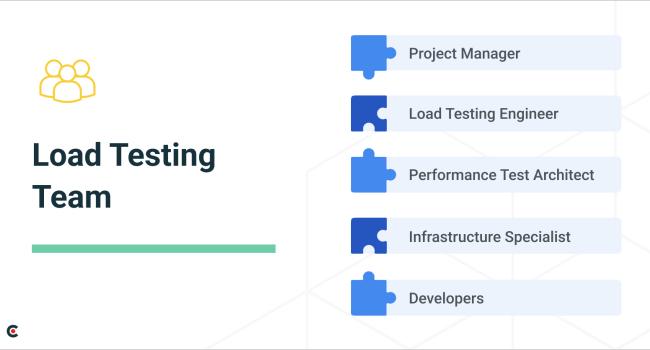
The typical load testing team includes these specialists:
- Load Testing Engineer: They use frameworks and software to simulate real-world scenarios and conduct performance tests. Their responsibilities include identifying inefficiencies and reporting findings.
- Performance Test Architect: They design the load testing strategy and establish key performance metrics.
- QA Analyst: They use quality control measures to ensure a system meets the client’s requirements and performs as expected.
- Developers: They recommend and implement strategies to optimize performance. For example, they might eliminate duplicate code and implement caching mechanisms to improve a website’s efficiency.
- Project Manager: They coordinate and supervise the load testing team and deliver regular client updates. The project manager also helps troubleshoot challenges and mitigate risk.
- Infrastructure Specialist: They focus on designing and improving application infrastructure to enhance performance.
What To Look For When Hiring a Load Testing Company
Before starting your performance testing, you should know how to hire load testing services that fit your project requirements.
First, meet with your IT team and other stakeholders to define your goals and priorities. This step will help you identify load testing providers with relevant services. For example, if you aim to double your website traffic, look for potential partners who offer scalability assessments.
Technical expertise is another factor to consider. Top load testing providers can perform complex tests and diagnose advanced problems. They also provide actionable recommendations to help clients improve system performance and address potential issues effectively. Prioritize providers who have tech professionals on staff and a track record of solving challenging performance issues.
Finally, look for a load testing provider who fits your budget and can deliver the work by your deadline.
Criteria for Hiring a Load Testing Company
- Cost
- Geographic location
- Industry experience
- Ongoing technical support
- Range of available services
- Security and compliance
- Technical expertise
You may be eager to start optimizing your applications, but don’t rush the load testing hiring process. Take time to thoroughly research and interview potential providers before you make a decision. That way, you can increase the likelihood of finding the perfect partner for your project.
Reading customer reviews is one of the best ways to identify top load testing providers. Clutch has thousands of testimonials from verified clients for you to look through. These reviews can help you evaluate a provider’s customer service, quality, and communication.
10 Questions To Ask When Hiring a Load Testing Company
- How much experience do you have conducting load tests for organizations in my industry?
- What types of load and performance testing do you offer?
- What tools and methodologies do you use for load testing?
- What is the average turnaround time for a project like mine?
- Can you describe a challenging performance issue you solved for a client?
- Do you offer customized testing solutions?
- What benchmarks and KPIs do you use during load testing?
- How do you protect confidential information during load testing?
- How do you share findings and recommendations with clients?
- Do you offer ongoing maintenance and support after the load testing process?
Unlock New Growth Opportunities With Load Testing
Even the most tech-savvy businesses can experience technical issues caused by unusual user activity. These challenges can cause significant stress for organizations and customers. Don’t let performance issues catch you off guard.
Load testing will help you detect flaws in your system before disaster strikes and optimize its performance. That way, your users can trust that you’ll always deliver pleasant and smooth experiences. Finding the right load testing provider is the key to success. Look for providers who have ample experience in your industry. They should also offer ongoing support so you can rely on them if you encounter technical issues in the future.
Explore Clutch’s rankings for the top loading testing providers. Our directory features over 500 providers from around the world. Filter the results by application testing focus, industry, budget, and other criteria to find the perfect fit.