
How B2B Companies Are Implementing Sustainable Tech in 2026
Learn how B2B companies are turning sustainability goals into real operational changes, from energy use and cloud infrastructure to procurement and digital...
Updated May 7, 2025

Entering new markets brings great opportunities and security risks. This article analyzes how businesses can ensure operational expansion by establishing safety and risk management for areas such as cybersecurity, physical security, and web development security in operational processes.
It is expected that a company should typically grow at about 10% at least, even though a 5% growth rate, if steadily maintained, could still be considered a good growth rate.
In 2023, business grew at an average of 3.3%, down from 2022’s 4.2% record. The growth rate depends on various factors, including the industry in which a business operates. Regardless, expansion to new markets can be a sign of business growth or the stimulation of growth.
On various fronts, there are several factors to consider once a business starts tinkering with the idea of expanding to new markets. However, one factor that is often relegated, to much regret later, is the security aspect.
Unfamiliar territories come with risks in the form of cyber threats, regulatory hurdles, and operational vulnerabilities, but the pursuit of opportunity must not come at the expense of security.
The challenge is even more pronounced for businesses operating in high-stakes industries like finance, healthcare, manufacturing, and the like, where managing global services and supply chains can be complex.
In this article, we offer practical advice on how to mitigate these challenges in cybersecurity, physical security, and web development security to avoid jeopardizing operational integrity.
Connect with industry-leading cybersecurity companies on Clutch. Use verified client ratings and reviews to find the perfect partner for your project.
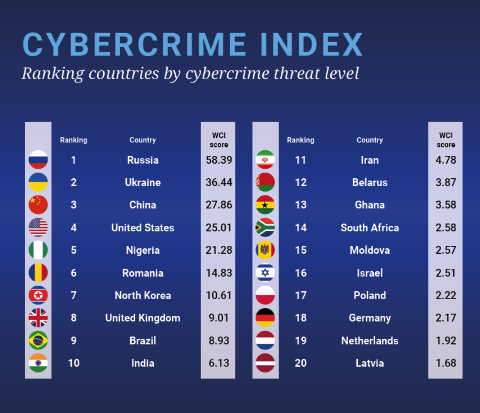
As businesses go global, they can't afford to skimp on cybersecurity. It's not just a nice-to-have – it's crucial for long-term success. So, when you're breaking into new markets, one of your first moves should be getting a handle on the cyber threats unique to each place. Every market has its own digital danger zones, and you need to know what you're up against.
Essentially, you need to research the prevalent cyber threats, including common attack vectors, active threat actors, and even recent high-profile incidents. If expanding to emerging markets, for instance, take note that, while they may offer growth opportunities, they often come with higher cyber risks due to weaker regulations as well as technology adoption that outpaces the implementation of adequate security measures.
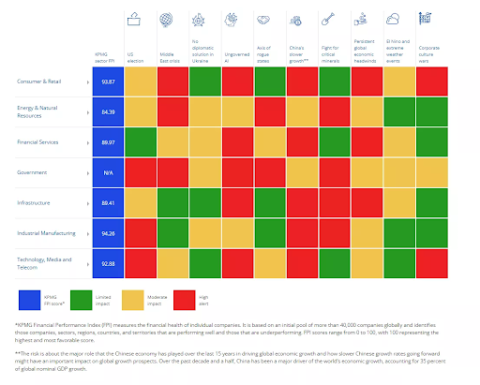
Global supply chains are a tangled web, and they're making cybersecurity even trickier. The weak link? Often it's the smaller suppliers trying to cut costs, who might be weak on security. One slip-up there, and your whole network could be at risk.
To tackle this, you can't just rely on one solution. You need layers of protection. A good starting point is to build your cybersecurity plan around zero-trust, which is all about being stingy with access – trust no one, verify everyone.
Additionally, strengthening endpoint security is critical since business expansion increases the attack surface, too, with more devices like laptops, mobile phones, and IoT devices connecting to the network. Another critical aspect is network security, especially when operating in regions with potentially increased risks of cybercrime.
No matter how tight your security is, things can still go wrong. You need a game plan for when things go south. And not just any plan – you need one that fits each new market you're in. What works back home might not cut it elsewhere. So you need know how you'll respond to attacks and keep the business running, wherever you are.
Such plans should outline procedures for identifying, containing, and recovering from security incidents while ensuring minimal disruption to business operations. Utilizing a reliable contact center compliance solution, for instance, can streamline communication and ensure swift action during critical security events.
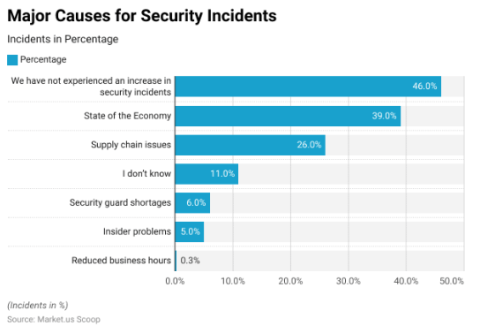
When setting up shop in a new place, you discover that every place has its own brand of trouble, whether it's local crime, socio-political stability, or even natural disasters. You've got to know what you're walking into.
Before you start beefing up security, again, you need to know what you're up against. Just like with cybersecurity, you've got to do your homework on physical threats too. And don't just wing it – really dig into the risks. A good tip here would be to tap into local know-how. Find security pros who know the area like the back of their hand, and they can clue you in on the areas that might blindside you.
Statistics show that 70% of organizations will deploy cyber-physical security platforms as the first step in their security journey. When implementing security measures, securing the perimeter of any new facility should be the first line of defense, particularly prioritizing surveillance and intrusion detection systems.
Meanwhile, controlling access to the facility is equally critical. This includes implementing robust and resilient access control systems with authentication mechanisms like key cards or biometric scanners.
The level of security should be commensurate with the sensitivity of the area, and consider multi-factor authentication for more critical zones. In high-security environments like data centers or warehouses, integrating surveillance and monitoring systems with access control does provide an additional layer of protection. For instance, by utilizing advanced video analytics, businesses can move beyond passive monitoring to real-time threat detection, enabling security personnel to respond swiftly to potential incidents.
In addition, ensure that your security workforce is well-trained and versed in emergency procedures, conflict resolution, and the use of security technologies deployed at the facility. For businesses operating in high-risk areas, establishing partnerships with local law enforcement agencies and security providers can prove invaluable.
As your business expands into new markets, your online presence is as crucial as your physical one and, often, even far more vulnerable. This is why a robust web infrastructure is vital for modern businesses, particularly because it is not just about preventing data breaches but also about building trust with customers who, in new markets, may still be hesitant to engage your business.
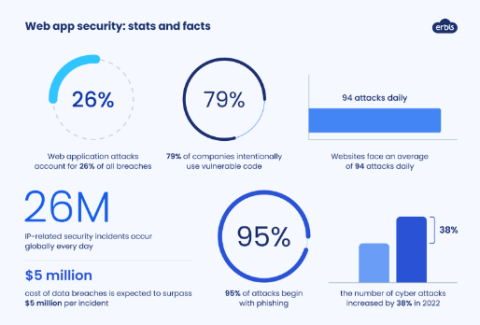
Secure coding practices should be the foundation of your web development strategy because they ensure that vulnerabilities are minimized from the ground up. This includes such practices as rigorously validating all user inputs to prevent common attacks like cross-site scripting (XSS), implementing strong authentication and authorization mechanisms, and following the appropriate guidelines for session management and error handling. All these are recommended by the Open Worldwide Application Security Project’s (OWASP) guidelines.
As your business expands to new market, you should be more conscious about using the freeware or cheap public services that you had while still a small business. It might be necessary to transition to higher, more secure (even though costlier) plans or to use different services all together in order to prevent security compromises down the line.
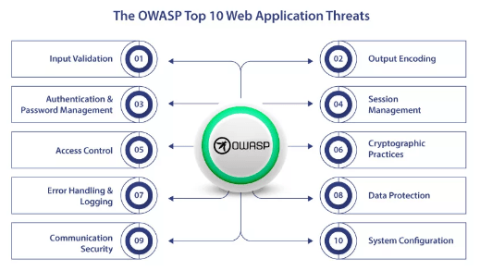
Also, implement SSL certificates on all web servers to encrypt data transmitted between user’s browser and the web server. Since browsers now flag websites without SSL certificates as insecure, not possessing one can potentially deter customers. And regularly conduct vulnerability assessments and penetration testing on web applications and websites to identify weaknesses before attackers can exploit them.
Expanding into new markets presents exciting opportunities but also significant challenges to a business’s security and operational integrity. A proactive, comprehensive, and adaptable approach to security is not just a cost of doing business but a strategic advantage for sustainability.
Basically, businesses must recognize that security risks are constantly evolving, and what works in one market may require some adaptation to work in another market. This proactive approach not only safeguards operational integrity but also fosters trust with stakeholders in new markets—a crucial factor for building a sustainable global presence.
Faith Adeyinka contributes informative, research-backed content that engages and educates audiences to top publications.