
Testimonial Advertising: How to Turn Customer Stories Into Sales
Testimonial advertising uses real customer stories and reviews to promote your brand. Discover popular types and how to put this content to work.
Updated March 24, 2026

Even if you’ve got to cut spending on your ad campaigns, you don’t need to have less success. Using the right strategies can help anyone get their message out. Here’s what you need to know.
2025 is off to a challenging start. The uncertainty of tariffs and potential hikes in inflation will create new pricing pressures that will cause many businesses to slash ad budgets, especially in sectors like retail, consumer electronics, and media.
The day after Trump announced the tariffs, the stock market was significantly impacted, with some of the most significant drops since the COVID-19 pandemic.
Looking for a Advertising agency?
Compare our list of top Advertising companies near you
The good news is that not every ad campaign's success will rely solely on the amount of money spent.
Lutfi Aydeniz, CEO of the content marketing agency FascinatID, said, “If our ad budget were cut, we'd double down on highly efficient organic strategies, maximizing SEO and content repurposing to extend reach without additional spending.”
If you’re unsure how to pivot from a fully financed ad campaign to one that uses organic marketing strategies, you're in the right place. This article explains how to optimize your budget after ad spend cutbacks and blend it with a grassroots marketing campaign.
Just like when the COVID-19 pandemic struck, marketing departments are the first to be impacted by economic uncertainty. When businesses start feeling pressured, the marketing budget will always be discussed.
The dilemma challenges marketers to reassess their strategies and objectives, prompting some plans to be put on hold to adjust to current circumstances.
Embracing agile budgeting processes is important to respond to the economic shift. For this, marketers need to adopt the habit of frequently checking strategies and evaluating existing initiatives.
No matter your marketing campaign budget, you can always optimize your ad spend for better results. Strategies like remarketing your products to existing customers or improving customer retention can grow your business just as well as spending massive amounts of cash to reach new markets.
With limited funds, you can still be effective. Here are some things to keep in mind.
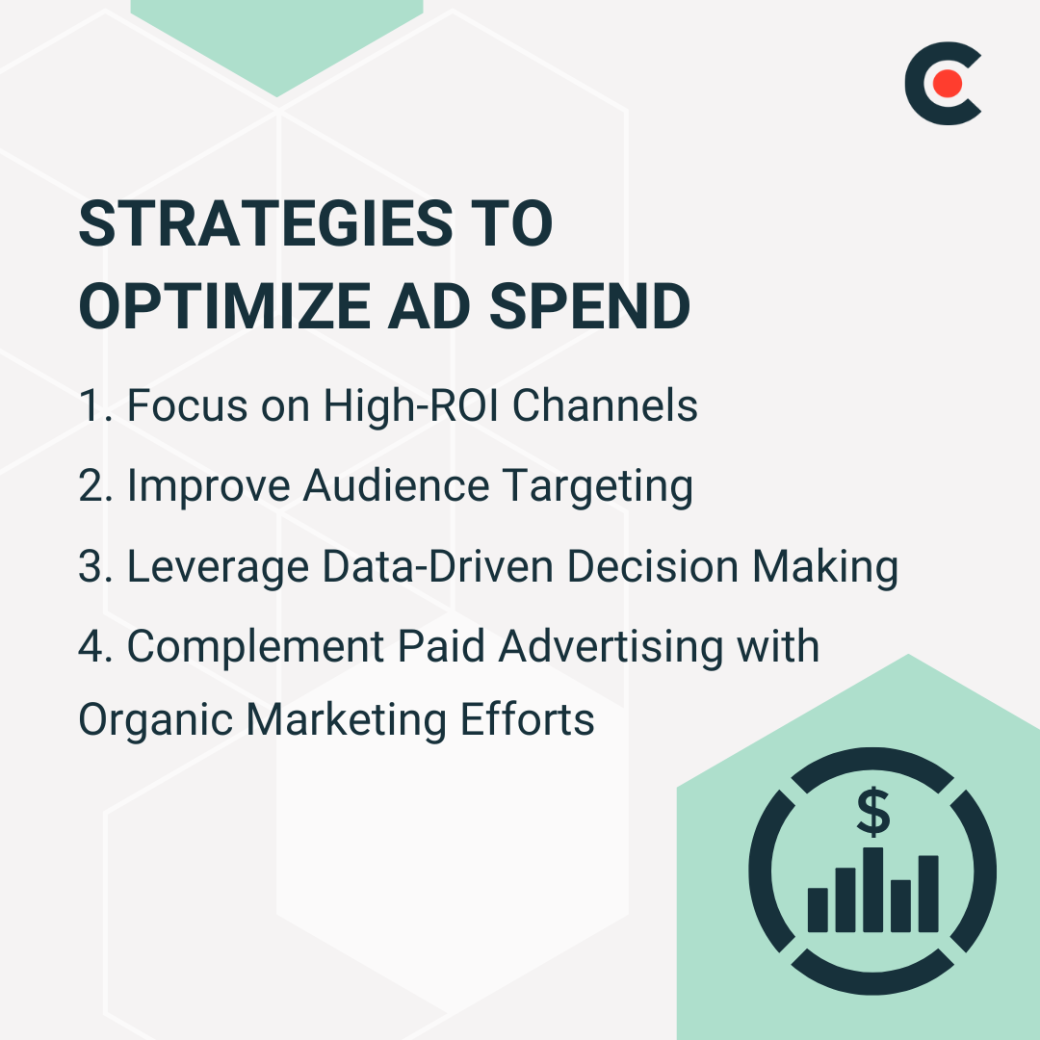
Focusing on return on investment (ROI) is how you get the most bang for your buck. When you release a paid ad, certain platforms and channels will offer better deals and more success.
Ayudeniz says, “...leveraging platforms like LinkedIn and niche industry forums often yields better results for B2B businesses than broader, more expensive advertising methods.”
This means taking advantage of content marketing, remarketing, and the organic reach that social media platforms can provide.
Promoting your content on a free social media platform or to a niche audience, as Ayudeniz suggests, can result in an incredible return on investment.
Today, excellent content and ads can push themselves if the consumers find value in them. While it’s unrealistic to think every piece of content your business produces will go viral, finding the right audience and remarketing to existing satisfied customers can expand your growth.
With a limited ad budget, getting your message to the right audience is vital for success. A large ad budget means more room for experimentation and trial and error to find your target audience. However, with ad spend cuts, you’ll want to put your money toward delivering your message to those with the highest possibility of responding positively.
The first step in improving your audience targeting is to create a buyer persona. Review your customer data to determine key demographics like gender, age, education, income, and location.
Your business will also need to understand their behavioral characteristics, like their interests, values, and lifestyles. With this information, you can start to figure out what problems they face daily and how your product or service can improve their situation.
Aydeniz states, “We'd [also] intensify our focus on engaging existing audiences and harnessing referral marketing, turning current client satisfaction into a powerful marketing asset. Essentially, we'd lean into the quality and relevance of content, optimizing existing resources for maximum impact.”
Pinning down your target audience and sending out effective messaging can result in repeat customers and brand enthusiasts, leading to powerful results.
There are many ways to collect relevant ad data, such as surveys, web analytics, customer relationship management (CRM) platforms, and competitor analysis. However, one excellent way to get data to pinpoint the most efficient ads with a low cost is A/B testing.
A/B testing is the process of releasing two or more different versions of the same ad or marketing element to see which performs better. Multiple variations of the same ad will give you valuable data that will not only help you determine which ads to push but also let you know what will be most effective for your target audience in future campaigns.
Here are some key metrics to consider:
The more data you have, the better decisions you can make.
Having a large budget for ad campaigns is ideal.
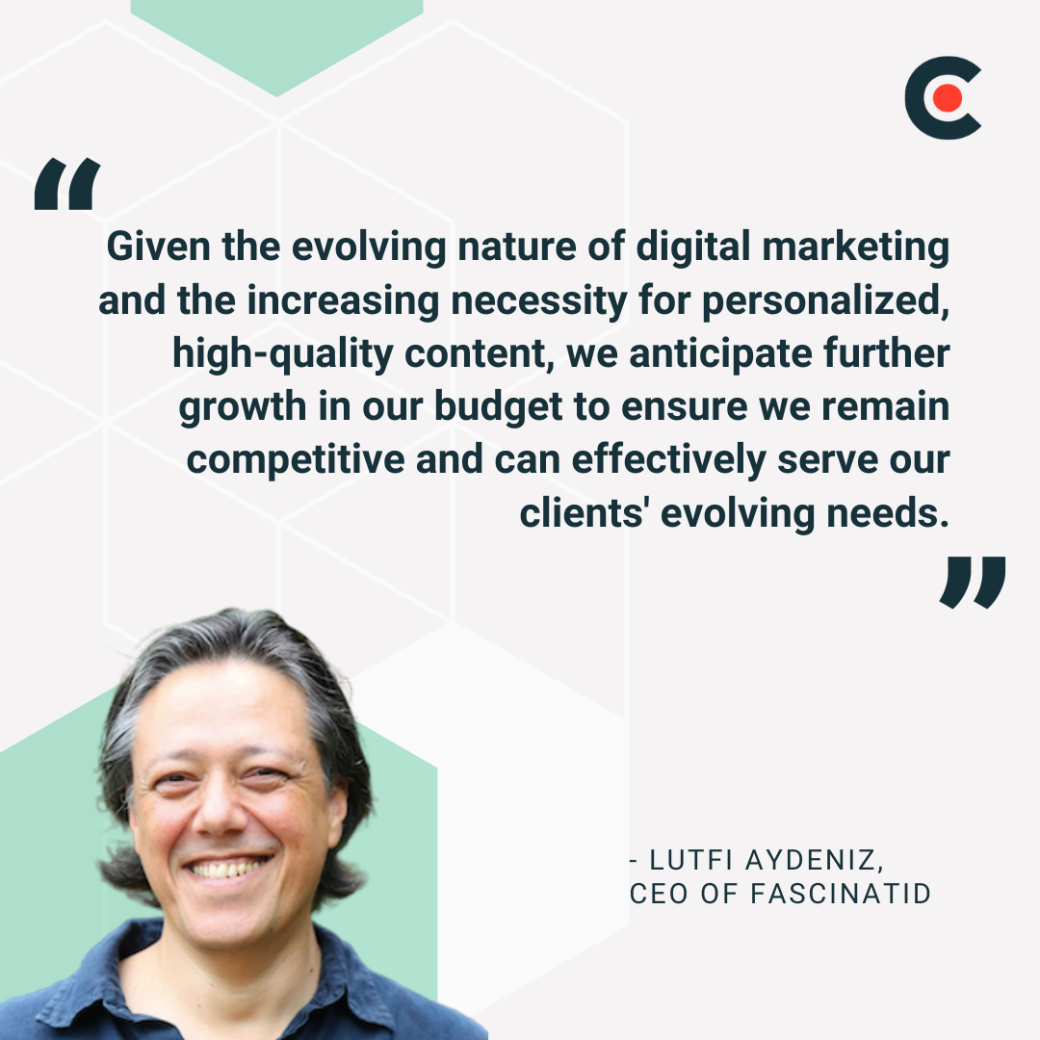
Aydeniz says, “Our advertising budget has consistently increased over recent years, reflecting our commitment to digital innovation and targeted content strategies. Given the evolving nature of digital marketing and the increasing necessity for personalized, high-quality content, we anticipate further growth in our budget to ensure we remain competitive and can effectively serve our clients' evolving needs.”
However, this isn’t realistic for every company, especially when economic uncertainty exists.
Combining paid advertising with organic marketing efforts is another strategy that can pay dividends. If you optimize your ads and content by maximizing search engine optimization (SEO), engagement, and community building, you’ve got a great chance at pushing your message with no additional costs.
Take a balanced approach and continue to find ways to improve your ads so they can get more organic growth.
Dropping some plans like investing in new marketing technologies and non-essential short-term campaigns can sting, especially if you’ve already laid out these plans months in advance. However, businesses need to make these difficult calls to navigate through the changes.
If it’s not bringing immediate and robust value to the business, then it's high time to determine whether it’s important or if you can cut it. Prioritizing initiatives that deliver beneficial ROI is key in these uncertain times.
A reduced ad budget doesn’t have to mean doom and gloom. There are ways to run successful ad campaigns with limited funds. You can gain long-term value despite short-term budget constraints by reallocating your budget to fit cost-effective strategies like remarketing to current customers or increasing investments in customer retention campaigns. It also helps to get professional guidance with content creation and marketing strategy.
At Clutch, we help match businesses with service providers and professionals who can find solutions to any issues you’re having.