Evaluating an Marketing Agency in the AI Search Era
AI search has completely changed how people interact with online content. When an AI summary appears at the top of search results, Google users only click a...
Updated March 23, 2026

Location-based marketing helps e-commerce brands personalize the shopping experience in real time. This post explores how platforms use geotargeting, mobile behavior, and regional data to improve conversion rates and create relevance that sells.
Picture this: A shopper visits your site from Denver. It’s snowing. You sell outerwear. Instead of showing them insulated jackets or local pickup options, your homepage pushes sandals and two-day shipping, which is not even possible in their region.
That’s the gap location-based marketing is built to close.
E-commerce is global by nature, but purchase intent is often hyper-local. Where a customer lives, or shops impacts what they buy, when they buy, and how they want it delivered. When your site ignores location context, it creates friction. When it responds to it, you increase conversions.
In fact, 66% of consumers expect companies to understand their unique needs and expectations, and geography plays a big part in that.
In this post, we’ll discuss how e-commerce brands use location data to create more relevant, region-aware shopping experiences. You’ll learn the tools, tactics, and strategies brands use to turn local signals into actual sales without compromising privacy or adding complexity.
Location data isn’t only for driving directions or ad targeting anymore. It’s one of the most underutilized signals in e-commerce and when used correctly, it becomes a powerful way to meet customers where they are, literally and figuratively.
Shoppers in Miami don’t want winter coats in July. People in rural areas may care more about delivery timeframes than same-day pickup. City dwellers might be more responsive to mobile-first offers or local inventory alerts. And international buyers? They’re trying to see pricing in their own currency and language.
When your site doesn’t adjust for these variables, it creates cognitive friction, which leads to drop-off.
But when your site feels relevant to a shopper’s physical context, such as by showing local shipping info, store locations, regional promotions, or even weather-based product recommendations, it builds trust and accelerates the path to purchase.
Here’s what the data says:

Location-based marketing isn’t about reinventing your e-commerce strategy. It’s about removing friction, increasing relevance, and serving the right content at the right time based on something your customer is already giving you: their location.
Not every shopper must see the same promotion, price, or shipping promise. That’s the beauty of geotargeting. It lets you adapt your site experience based on where your customers are, not who they are.
And you don’t need a massive tech stack to start doing it.
Here are a few practical ways e-commerce brands are using geotargeting to turn visits into sales:
These small, invisible shifts make your store feel like it was designed for the person using it. And the more it feels like that, the more likely they will stick around and convert.
Location data isn’t about logistics. It’s about relevance. And when used thoughtfully, it helps brands show the right message to the right person at the right time.
You’re not changing currency or tweaking copy. You’re building an experience that feels intentionally built for that shopper.
Here’s what that can look like:
Shoppers respond when they feel the message was meant for them, and location is one of the clearest signals you can send to make that happen.
If location-based marketing has a home, it’s on mobile. That’s where shoppers make quick real-time decisions and context is everything. Whether browsing on the train, walking past your store, or scrolling during lunch, your mobile experience should adapt to where they are and what they need.
When a customer is near a fulfillment center or retail location, highlight what’s available for pickup or fast delivery. There’s no reason to promote products that won’t ship for a week when someone could grab them around the corner today.
Mobile makes it easy to deliver hyper-relevant promotions. Some brands use geofencing to trigger in-app or on-site discounts when someone enters a specific radius. Others layer in weather data to promote warm jackets in snowstorms or SPF kits during heatwaves.
Typing out your entire address on a mobile screen is a pain. Auto-filling city, state, and tax info using GPS or browser location isn’t convenient, and it’s conversion-boosting.
It’s not about what happens on your website. Location-aware SMS, push notifications, and mobile wallet offers help brands stay relevant even after the shopper leaves your site. The more helpful and timely you are, the more likely they’ll return ready to buy.
Your mobile experience isn’t a shrunken version of the desktop, it’s where real-time behavior meets location-driven intent. Make sure your strategy reflects that.
If you invest in location-based marketing, you must know what’s moving the needle. This isn’t about vanity metrics. It’s about visibility into what content, offers, and experiences work best for your audience based on where they are.
Here are the KPIs worth watching:
Start by breaking down your sales data geographically. Are certain areas converting higher than others? Did a geo-targeted campaign lift conversions in a specific city or ZIP code? This tells you where your strategy is sticking and where it’s falling flat.
If visitors from a specific region bounce faster than others, that’s a signal. Maybe the messaging didn’t resonate, or maybe the products weren’t relevant. Location-aware content should reduce friction, not create confusion.
Track how often users interact with your store finder if you have physical locations. Are they using it? Are they following directions or initiating contact? This shows interest and intent to buy in person.
Overlay location-targeted promotions with revenue attribution. Are those “local only” email campaigns or mobile push promos converting? If not, it may be time to revisit the offer, the timing, or the audience segmentation.
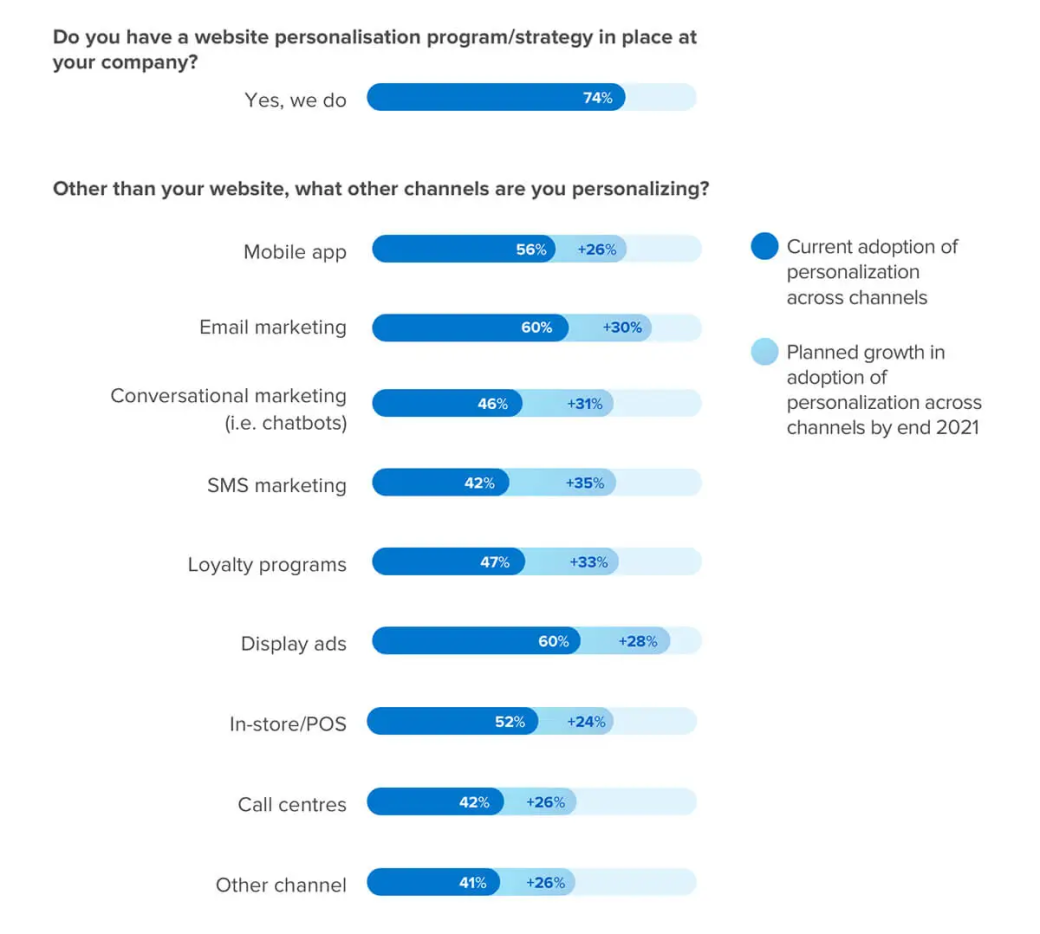
You should see a clear lift in performance when the message matches the local context. If you're not, it’s a signal your geo-personalization strategy needs more than just a zip code filter.
Don’t assume you know what will work in every region. Try different headlines, CTAs, or layouts for specific locations. Compare offer structures. Test seasonality messaging. Your location gives you a segmentation lever, which you can use to iterate and improve.
Location-based marketing isn't nice to have anymore. It’s a core part of how modern e-commerce brands deliver relevance, reduce friction, and drive conversions.
When done right, personalization not only personalizes the experience but feels effortless. You’re not guessing what your customers want. You’re showing them what they need, when they need it, in a way that respects their time and earns their trust.