
What Are AI Influencers? A Guide to Virtual Creators
AI influencers abound on social media. Clutch explains what they are, why brands partner with them, and whether people can tell them apart from human...
Updated February 26, 2026

AI scams are getting harder to detect. Learn how to protect yourself with these practical steps.
Technology is evolving quickly, and scammers are taking full advantage of it. AI has given them the ability to clone voices, generate ultra-realistic messages, and create deepfake videos that look nearly identical to the real thing.
Looking for a Artificial Intelligence agency?
Compare our list of top Artificial Intelligence companies near you
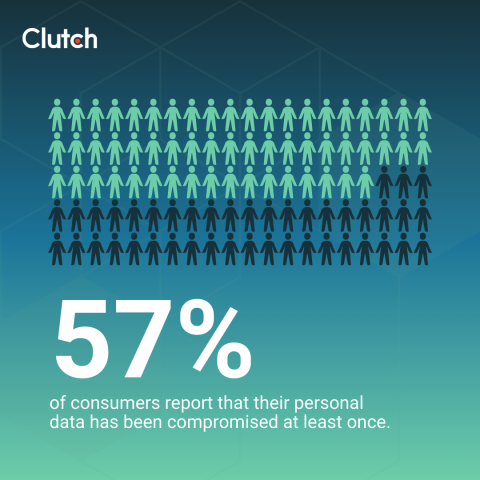
The result is a new generation of fraud that feels more legitimate than ever. According to a recent Clutch consumer survey, 57% of respondents report that their personal data has been compromised at least once. Understanding these threats is the first step toward protecting yourself.
AI scams use artificial intelligence tools to trick people into disclosing sensitive information or sending money. In the past, there were often more obvious signs that a fraudster was targeting you. Misspellings, awkward phrasing, and robotic-sounding calls were clear red flags, but AI eliminates most of them.
A phishing email generated by AI can match a company’s tone perfectly. Similarly, a cloned voice can sound exactly like a loved one, and there are even AI-generated videos that are hard to distinguish from real life. This means even people who are cautious and tech-savvy can still be caught off guard by AI scams.
Beyond that, AI has also made it possible for scammers to scale their efforts at an unprecedented level. Instead of targeting a handful of people manually, fraudsters can use automation to reach thousands of people. AI tools can instantly personalize messages with names, job titles, or recent activity scraped from social media, making each scam feel tailored and legitimate.
What once required time, research, and coordination can now be executed in minutes, lowering the barrier to entry for criminals and dramatically increasing the volume, sophistication, and success rate of scams.
Across the board, fraud is becoming more difficult to distinguish from legitimate communication.

Phishing emails pretend to come from legitimate sources and ask recipients to either click a malicious link or enter their sensitive information on a fake website. AI has made them significantly more effective by helping scammers create messages that sound natural.
Fraudsters can also use leaked personal information online to craft highly personalized messages. These can even include a recent purchase or your full name and address to lower your guard.
New voice cloning technology can replicate someone’s voice with just a few seconds of audio, often pulled from social media. Scammers use this to impersonate family members, bank representatives, and others you trust.
One common tactic is a frantic call from what sounds like a child or grandchild, claiming there's an emergency and needing money fast. This creates emotional pressure and a sense of urgency to push victims into acting before they have time to think.
Deepfakes use AI to create realistic videos and images of real people saying or doing things that they never did. Scammers use them to fabricate celebrity endorsements, simulate emergency messages, or create fake video calls that seem to come from someone you trust.
Another growing tactic is using AI to create fake customer support channels. When a consumer reaches out for help, they may be connected to a fake representative who asks for login credentials, payment information, or remote access to their device. These interactions can feel as professional as an actual customer service hotline.
AI scams are highly realistic and more difficult to detect than previous types of digital fraud. However, there are patterns you can watch for to reduce your risk of becoming a victim.
Be cautious any time a message or call creates intense urgency to act immediately. Scammers want you to click a link, send money, or provide sensitive personal information before you have time to think. Similarly, watch out for requests that involve secrecy. If they say to avoid contacting your bank or family directly, that’s a huge red flag.
You should also be wary if anyone asks you to do something unusual, even if it appears to be through an official channel. For example, if your “bank” asks you to transfer money through a new method, disable two-factor authentication, or share a one-time verification code, the message may be fake. When this happens, be sure to call or walk into your local branch.
Knowing how AI scams work is a strong first step toward safeguarding your money and information. You can further increase your odds of staying safe by putting a few protections in place long before you need them.
One of the most effective defenses against AI scams is just slowing down. Scammers depend on emotional reactions to their messages and want you to act quickly without thinking. That often takes the form of a panicked phone call from a “family member” or an urgent email from your “bank."
If you receive an unusual call, text, or email asking for immediate action, pause before responding. Instead of answering directly, contact the person or company through the channel you already know and trust. For example, if you get a call from your “bank,” hang up and call back on the official customer service number.
This single step of independent verification stops most AI scams in their tracks.
You also become more difficult for AI scammers to target when you have strong account security protections in place. For example, use unique and complex passwords for every critical account you have. That way, if one of your passwords leaks online, it won’t put your other accounts at risk.
A password manager can help you keep track of all the different passwords you use. You should also add multi-factor authentication to your accounts, such as email, banking, and social media.
If a scammer gets your login credentials to one of these, they would still need a one-time code to get in. It’s like adding a second layer of protection to your most important accounts.
In the AI era, many families have created verification codes or passwords to share with one another in the event of such scams. For example, if someone calls claiming to be a relative in distress, you can ask for the code before taking any action.
This can be a powerful safeguard against voice cloning scams, where the caller may sound exactly like someone you know. The code doesn’t need to be complicated. You can pick any word or phrase that wouldn’t come up naturally in one of these conversations. You could make it something that connects to your family history so it’s easy to remember.
Next, it’s more important than ever to think carefully about what you’re sharing on social media. It’s one of the richest data sources scammers have. For example, voice clips from videos, personal details shared in posts, and tagged photos can be combined to build a convincing profile or clone of your voice.
One strategy is to limit access to your profiles to only those people you approve as friends or followers. If that’s not a good fit for you, at least think twice about posting content that includes extended audio and video clips of yourself, especially if you’re someone like an influencer who may face increased risk of AI scams.
You can also protect yourself by understanding how real companies operate. Banks and financial institutions will never ask you for your password or one-time verification code over the phone.
Similarly, they’d never suddenly reach out to tell you to transfer your money to a “safe account.” And government agencies like the IRS won’t reach out and ask for immediate payment over the phone. These kinds of unusual requests are one of the best signs of potential fraud.
One final note: don’t rely on search engines alone for finding a company’s real phone number. Scammers sometimes pay for ads that appear above the legitimate listing. Instead, visit a company’s website and use that to find their official contact details.
Seniors are disproportionately targeted by AI scams. They may be less familiar than other generations with how AI works and more likely to answer phone calls from unknown numbers. So, what can you do to protect your older loved ones?
First, make sure they’re aware of the types of scams that exist today. You can share this article with them or just let them know that AI has made it easier for scammers to impersonate loved ones and trusted companies.
Next, help the older adults in your life set up proactive security protections, like multi-factor authentication and stronger passwords. Some may need ongoing support in these areas, especially as they’re figuring them out.
It’s also important for them to understand that it’s always okay to hang up, pause, and verify before taking any action. When a message claims urgency is essential, that’s one of the top signs of a scam.
Finally, AI scams are likely to continue evolving as the technology matures and becomes more widespread. You can protect the vulnerable people in your circle by staying up to date with the latest types of scams and sharing that information as you find it.
If you think you’ve been targeted by an AI scam, don’t wait to act. Contact your bank or financial institution immediately to flag the situation and secure your accounts. You should also change any passwords that may have been compromised, starting with your email. If credit is involved, consider filing a fraud alert or placing a credit freeze with the three major credit bureaus: Equifax, Experian, and TransUnion.
The key is to assume that any password or account is no longer secure. The sooner you address that by changing your login credentials or placing a freeze on the account, the less time a scammer has to act.
Use this checklist as a quick reference to stay protected from AI scams.
Even if you start with just a few items from this list, you’re already making yourself a much more difficult target for scammers.
AI scams will continue to evolve as the technology behind them advances. But with awareness and a few strong security habits, you can dramatically reduce your risk.
Most AI scams still rely on emotional manipulation tactics like urgency and trust. When you know what to look for and build verification steps into your routine, you make yourself a much harder target, which is often all it takes to stay safe.