
Podcast SEO in 2027: How to Make Business Episodes Findable
Learn how transcripts, question-led titles, structured data, and guest links help business podcasts get found on YouTube, Apple Podcasts, and Google.
Updated April 24, 2026

Content distribution is how a company strategically shares its content with its target audience. Determining your company's right content distribution strategy can help you gain exposure, increase conversions, and drive profits.
Your business relies on quality content to connect with potential customers. But while you may be devoting a portion of your marketing budget toward content creation, you still need to get it out in front of people.
Content distribution helps you get more eyes on your company's content, brands, and offerings.
Looking for a Content Marketing agency?
Compare our list of top Content Marketing companies near you
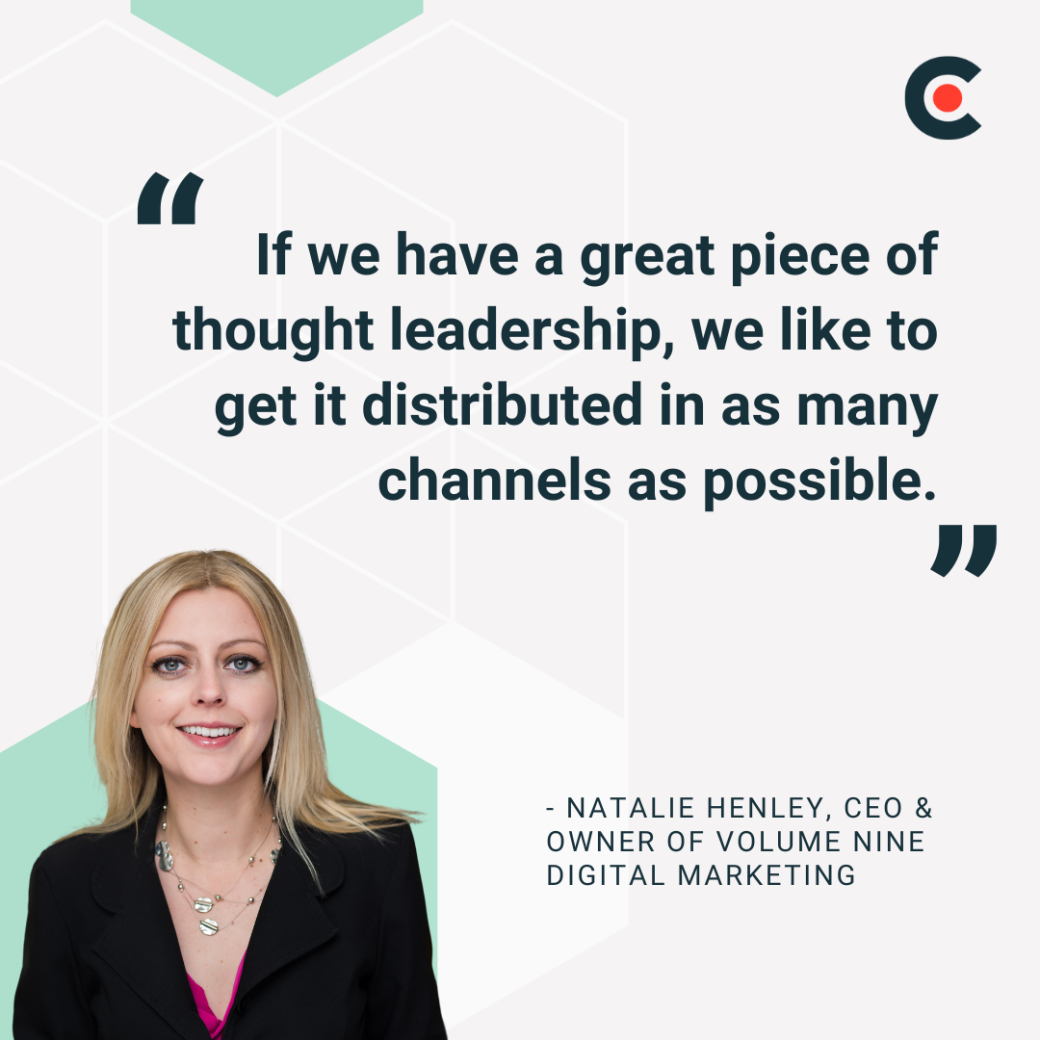
“If we have a great piece of thought leadership, we like to get it distributed in as many channels as possible. That way we can focus on getting our content to our audience wherever they are, instead of assuming they are going to find it on our website,” said Natalie Henley, CEO & Owner of Volume Nine Digital Marketing.
Here’s everything you need to know about creating a content distribution strategy.
Content distribution involves sharing content across platforms and channels to maximize its reach. This concept is important for marketers because it leads to a broader audience, resulting in more leads and purchases.
“We’re not just pushing content for visibility—we’re building targeted pathways that help prospects solve real problems, with the right message at exactly the right time,” said Iulia Vasciuc, CEO of ScaledOn.
While it sounds the same, content distribution differs greatly from content creation. Content creation involves producing original content—like articles, podcasts, videos, and infographics—that your audience might benefit from. Content distribution involves taking that created content and finding the best ways to share it with your target audience.
Content distribution is divided into three types of distribution channels:
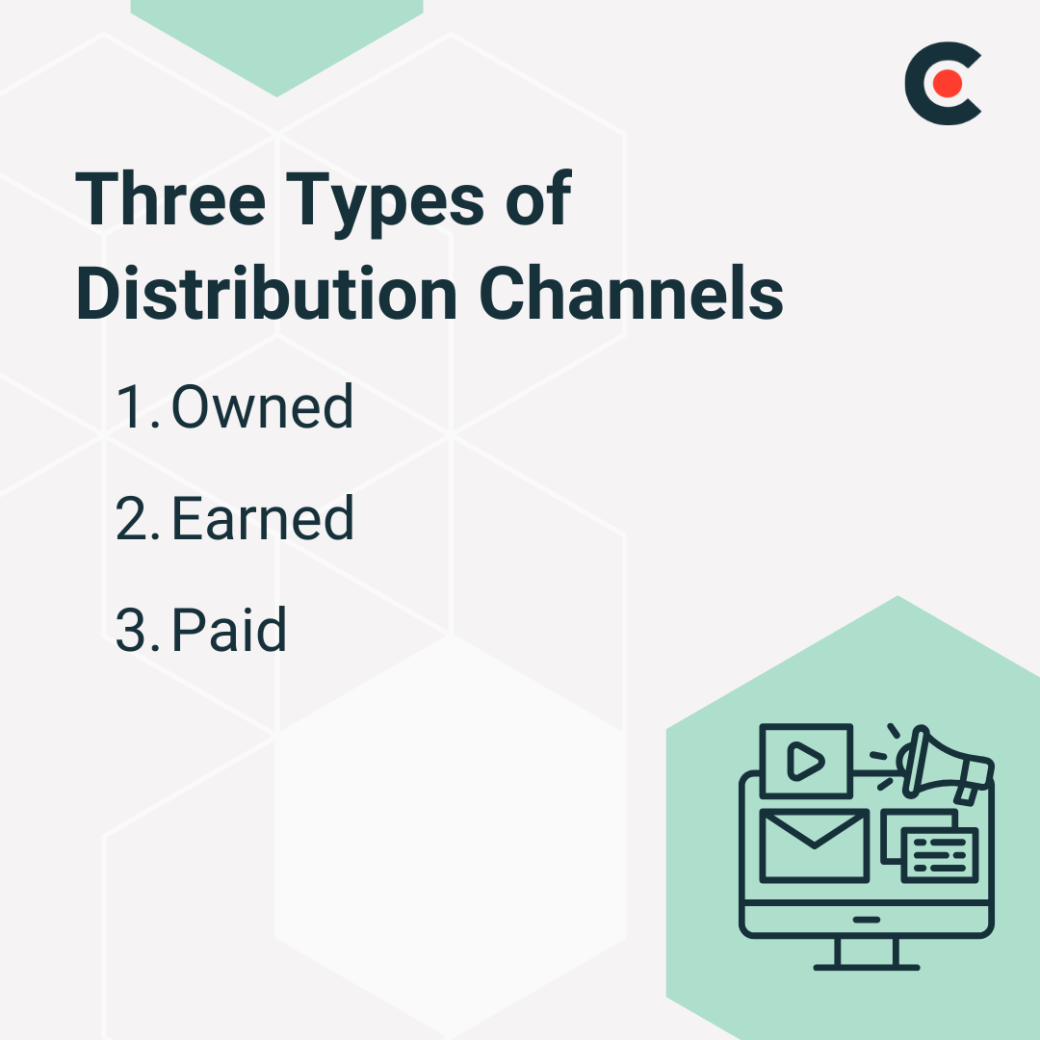
If you have shareable content, you must put resources into an effective content distribution strategy so your audience will see it. You'll see positive results when you balance owned, earned, and paid distribution. Reaching more people will boost awareness and generate leads. A percentage of these leads will turn into conversations and, in turn, profits.
Businesses that come up with effective content distribution strategies will gain significant advantages. The more resources your business can invest into its content distribution strategy, the more pronounced your results will be. Some of the benefits of content distribution include:
For a business, visibility is a key factor in success. Content distribution can expand your business’s influence far beyond traditional methods like word of mouth and print ads. With a viral post or video, your company could reach a global audience and expand into unattainable markets. Increased reach will result in higher traffic to websites and landing pages, in turn converting more leads into buyers.
Having a brand, values, and offerings are an essential part of business, but if you’re not able to communicate these points to the customer, they’re practically worthless.
Content distribution is an efficient way to let potential buyers know your value proposition and what your brand stands for. This has many positive effects, like reinforcing a positive image, causing previous customers to make repeat purchases, and positioning your brand as a leader in your industry.
Content distribution allows your business to take content that works on one platform and slightly modify it to put it on another.
Jacqueline Basulto, CEO of SeedX, said, “Getting organic shares is the best way to distribute. Besides that, repurpose, repurpose, repurpose. Edit your content in different ways to post or showcase across platforms.”
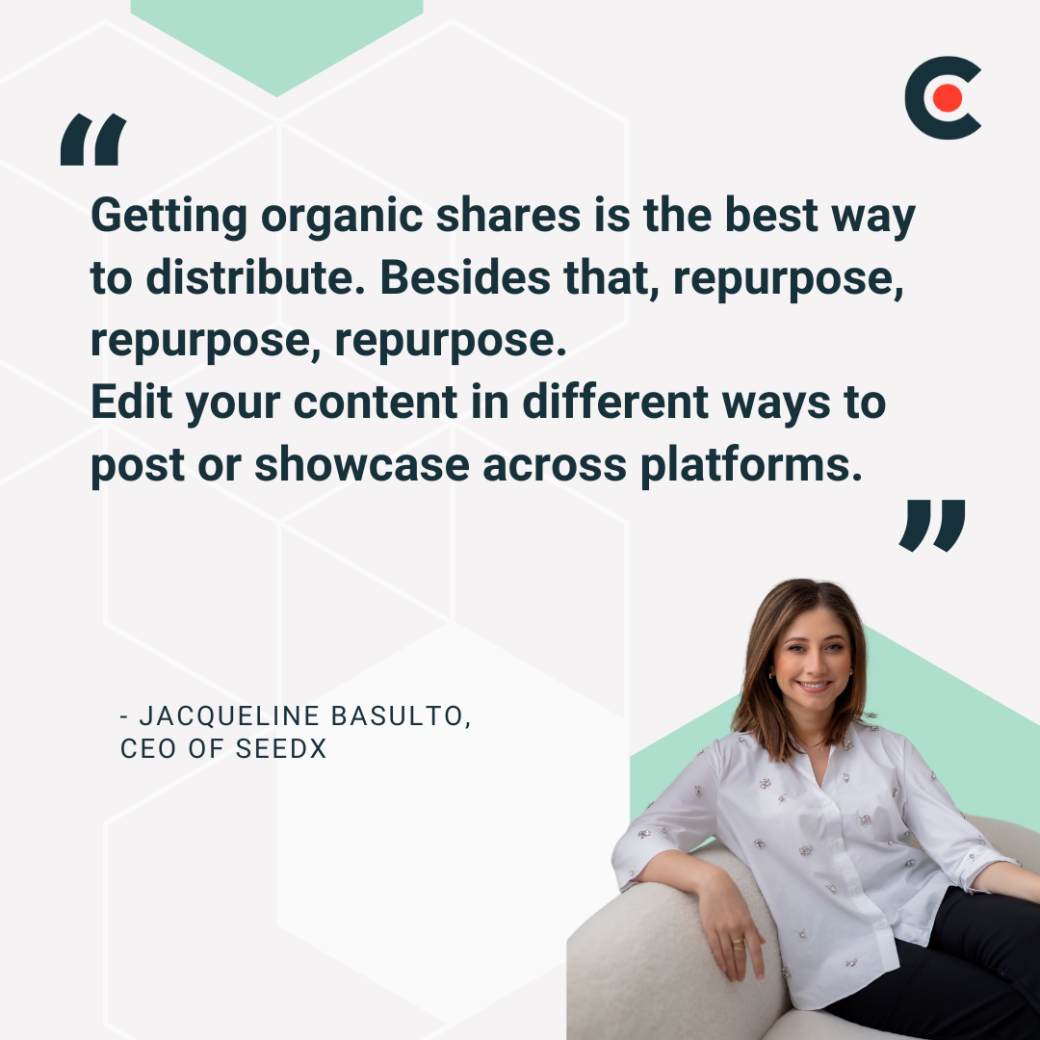
Repurposing your content is a way to multiply your chances of reaching people who might like what your business has to offer.
Content distribution can solidify your business's relationships with influencers and partners as well. When people view the content, both the business and the content creator reap the benefits. Influencers earn money through affiliate partnerships and sponsorships while the business gets new patrons. This relationship can bring about long-term partnerships and consistency between the creators and your business.
While there are clear advantages to focusing on content distribution, there are several significant difficulties to navigate. Overcoming the challenges of content distribution takes patience and adaptation. Marketers must review analytics and adjust their approaches to connect the right content to the target audience on the best platform. Here are some of the challenges you'll face with content distribution:
The main goal of content distribution is to reach potential buyers interested in your offerings, but it’s not easy. Studying analytics and gathering customer feedback takes time and is one of the challenges that marketers face when implementing a content distribution strategy.
When your content goes out and doesn’t create any buzz, it can feel discouraging, but don't give up. To see results, your business must keep its commitment to the content distribution strategy you've decided on because in the world of content, consistency is king.
When businesses bombard potential customers with content to the point of driving them away, it’s called content overload. Having a vault full of content is great, but not if it gets annoying and makes people unsubscribe. Focusing on quality over quantity is an excellent way to keep your target audience engaged with your business’s material.
When it comes to platforms where you can publish your content, there are hundreds of options. Zeroing in on which channels are the most effective can save your company a lot of money and time. However, it is difficult to determine which channels are the best while simultaneously making sure you’re not missing out on opportunities elsewhere.
Algorithm updates and platform changes can be frustrating after you’ve solidified your approach. To counter this challenge, your marketing team needs to be flexible and adapt to adjustments that may affect content distribution. Staying informed and taking primitive measures to diversify your content can go a long way in guaranteeing the algorithm and platform you use don’t disrupt your business.
Now that you know the benefits and challenges of content distribution, it’s time to look at how to build the best strategy for your business. Here are six key steps businesses must take to create a content distribution strategy that produces results:
For many, the goal of content distribution may sound simple: getting as many people to see your content as possible. However, to best use your time, you’ll need to break down your goals into distinct metrics.
For example, rather than just trying to increase brand awareness, you might set a target to get 300,000 impressions across all social media platforms in one month. If you’re putting money toward pushing an Instagram post, you may aim to get 1,000 leads directly from that promotion. Using numbers as targets makes it easier to determine if your content distribution strategy works.
Say your business produces luxury wine decanters that sell for $500 each. You're wasting your money if you dedicate a percentage of your marketing budget to paid advertisements and they are getting sent to Gen Z TikTok scrollers.
In this example, the audience receiving your content is likely not making enough money to consider buying wine decanters, and some aren’t old enough to drink alcohol. This is why understanding your target audience is crucial.
To know your audience, you should first conduct a demographic analysis. Look into the customers who have paid for or are interested in your product or service. When you have a good idea of the age range, income and education levels, gender, and locations of your target audience, you can start to dig deeper. Find out what types of values, hobbies, and preferences they have. When you know the audience you’re marketing to and what they're interested in, you can start making content that they will respond to positively.
Content distribution depends on having quality material. With your audience in mind, you can make informed decisions about the content that will impact them most. Types of content you should consider creating include:
It’s also important to plan out how you’ll repurpose your content. For example, you can cut up a long-form YouTube video into short clips and share them on your company’s TikTok channel. Or, you can splice the information generated in a 2,000-word blog post into multiple snippets to send out on X.
Finding creative ways to repurpose existing content can double or triple the exposure your business gets.
With a treasure trove of high-quality content and an accurate description of your target audience, content distribution is just about connecting the two. Finding the right balance of owned, earned, and paid channels for your business’s content distribution strategy will depend on the resources available and the overall goals.
For example, a company with a low budget should prioritize owned and earned distribution channels, focusing on SEO to boost blog rankings in search engines and organic reach from well-made content.
A brand that wants to increase its lead generation might hone in on owned and paid channels, creating a website or landing page it owns and then paying to promote posts that will get clicks leading back to those owned assets.
If a business wants to increase brand awareness, it might emphasize earned and paid channels by teaming up with an established influencer to spread its vision.
Keeping a consistent content distribution schedule will add credibility to your business. When content regularly reaches your audience at the same time, they begin to anticipate your posts. Social media algorithms also favor channels that post consistently.
Find a schedule that allows your company enough time to produce high-quality content. While frequency can get more people looking at your content, better content on a consistent schedule will have a greater effect. Creating a content calendar can help you organize your posts and guarantee they come out on time.
Getting the content distribution right takes time. Marketers must consider past campaigns' analytics, feedback, and data to determine the best times of day and frequency for publishing content. As things always change in the digital age, it’s best practice to constantly update your strategy and look for ways to take advantage of new technology.
When you look at your analytics, consider your original goals. If you've created measurable goals, you can tell if you're achieving them. Look for ways to change your content or schedule to reach your target audience and goals better.
If you want your business to reach new customers and establish your brand as an authority in your industry, you need to develop a content distribution strategy. With new technological updates and ever-shifting trends, there isn’t a one-size-fits-all approach. Your business must continuously analyze the feedback and data it gets and make changes to improve its approach. While this can pay off dividends, it also takes a lot of resources, which is why hiring the best content distribution professionals is crucial.
At Clutch, we help your business find professionals who fit with your team. Browse through our extensive directory and find the firm that can start your content distribution strategy today.