
How Consumers Feel About AI in Social Media: What They Welcome (and Don't)
New Clutch data shows how consumers feel about AI in social media marketing, where they welcome it and where they draw a hard line.
Updated May 29, 2026

With the rapid growth of social media networks like Instagram, Facebook, and LinkedIn, the B2B buying process has changed a lot. Now, B2B buyers also use social media platforms to discover and research products, so using social media has become a must for B2B faster growth. In this post, you will read about the potential of social media for B2B along with real-life examples from B2B companies.
Social media isn’t just for B2C brands, when used strategically, it can lead to serious B2B growth. In fact, 95% of B2B marketers already use social media content as part of their strategy. Why? Because that’s where the buyers are.
Roughly 84% of B2B decision-makers use social media during their purchasing process. Your future clients are probably scrolling LinkedIn or even Instagram at this very moment.
Looking for a Social Media Marketing agency?
Compare our list of top Social Media Marketing companies near you
Meet them where they are, and you’ll build trust, raise awareness, and generate leads. But success doesn’t come from posting randomly—it requires a focused strategy.
This guide walks you through best practices that can help your business grow faster using social media.
More B2B buyers are turning to social media for insight before they ever speak to sales. According to LinkedIn, 75% of B2B buyers use social channels during their purchase process.
Unlike traditional ads, social lets you connect through conversation, education, and real-time engagement. It’s where discovery and trust-building now happen.
LinkedIn leads the pack for B2B. It generates 80% of all B2B leads coming from social. Its user base includes decision-makers with budget authority, and its targeting capabilities let you reach them with precision.
But other platforms matter too. Instagram helps you showcase company culture and team values. X (formerly Twitter) is where real-time discussions, quick takes, and live commentary thrive. And YouTube gives you space to publish longer-form product walkthroughs, customer success stories, and educational explainers.
Social media marketing isn’t just about improving visibility — it’s a lead nurturing engine. The content you share helps build credibility at every stage of the buyer’s journey.
From awareness to consideration to conversion, the right content, shared consistently, can move prospects forward — all before they ever land in your inbox or click “schedule a demo” on your website.
Your social profile is like a store display. If it’s messy or unclear, visitors won’t stick around. Make it clear, clean, and helpful.
Fill in all the details: a short, benefit-driven description, an eye-catching banner image, and accurate contact links. Complete profiles on LinkedIn get 30% more views.
Highlight what you do and who you help. Pin key content like case studies, press mentions, or product demos. Use keywords your audience might search for.
On LinkedIn, use your tagline and About section to clearly communicate your unique value. Keep it focused on outcomes, not features.
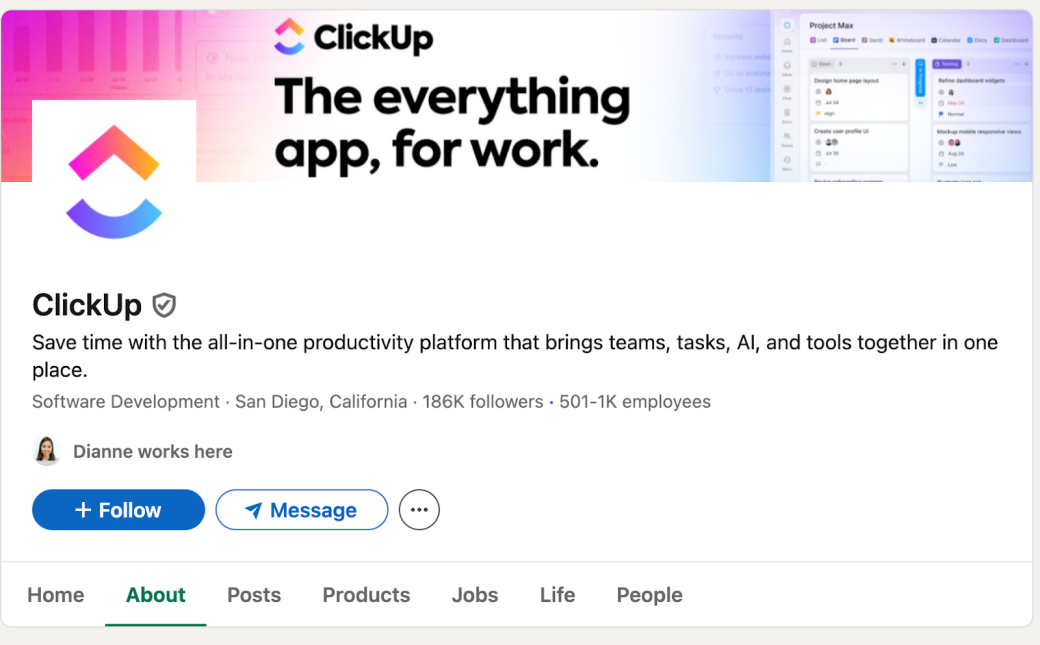
Take a look at ClickUp’s LinkedIn profile, which clearly explains what the company is all about.
Buyers connect with people more than brands. Make your company relatable by showing the humans behind your products.
Share behind-the-scenes content, employee spotlights, and team events. Let real people speak through your channels. This builds trust and improves reach.
Posts shared by employees get 8x more engagement than those shared by brands. That’s because they feel more personal and authentic.
Encourage employees to share brand content on their personal LinkedIn profiles or talk about their experiences at work.

Hubspot does this well on Instagram, featuring employee-driven content that softens their corporate image.
You don’t need a big budget to do this. Even smartphone videos from your team can go a long way if they’re genuine. Just check out how Helpware uses its Facebook cover to demonstrate the amazing people behind the company.
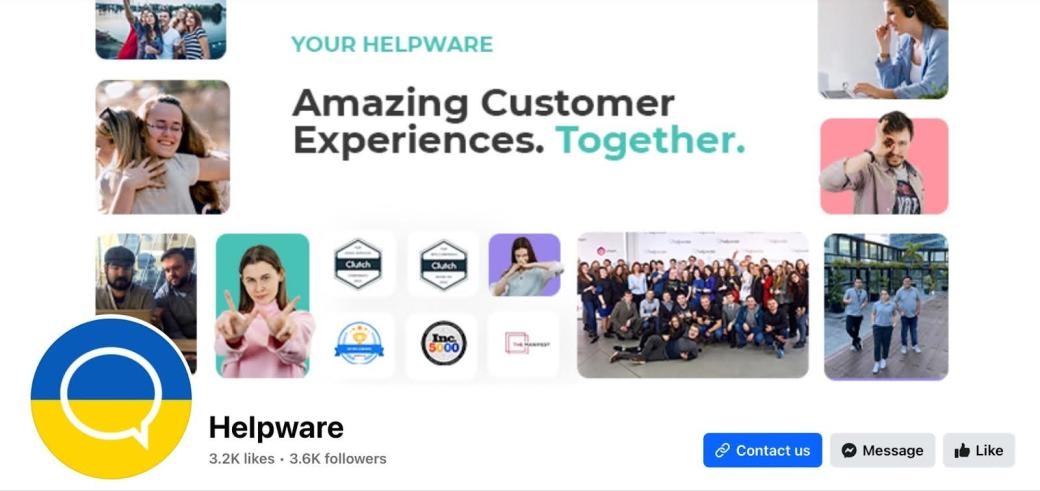
Putting a human face is what helps your B2B company increase brand trust and become less “dry”. From CEO’s interview to behind-the-scenes content, there are many ways to humanize your B2B company on social media platforms.
Buyers are looking for answers, not ads. Share insights that help them solve problems and do their jobs better.
Most buyers consume 3–7 pieces of content before speaking to sales. You need to offer that content consistently.
In the nonprofit B2B space, you can even turn social media followers into donors by offering valuable, problem-solving content tailored to their interests.
Use LinkedIn for industry articles, how-to posts, and thought leadership. Use X for real-time updates, stats, and quotes from events or reports.
Repurpose one idea into multiple formats: a webinar into a LinkedIn carousel, then into a video clip for Instagram, and a blog post.
For example, an all-in-one safety tool MacKeeper uses its blog to educate potential customers and reposts this content to its social media accounts to reach a wider audience.
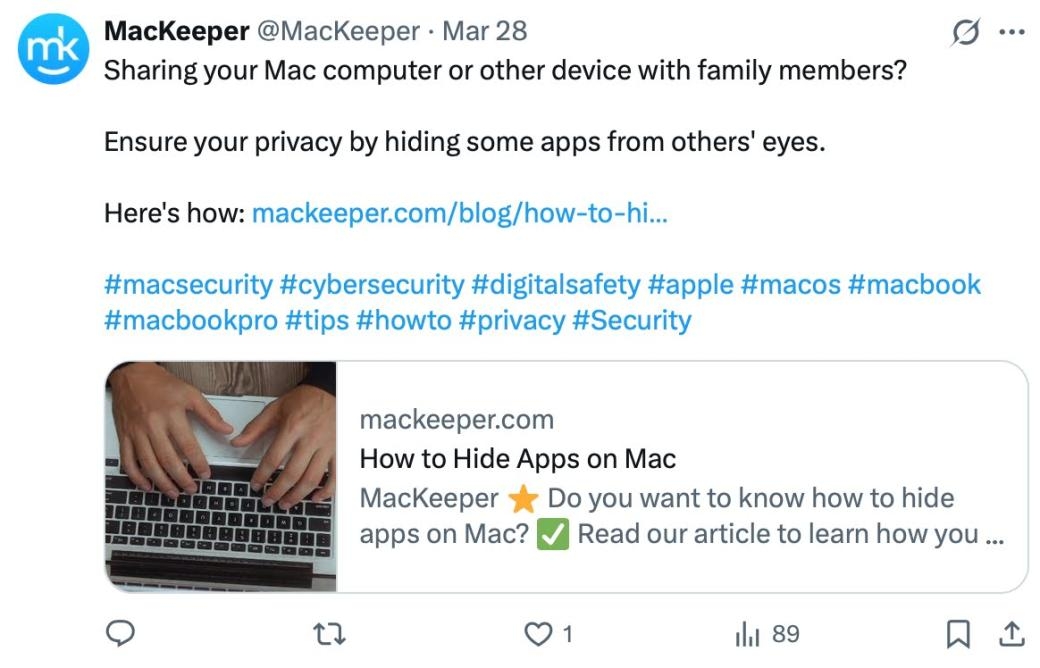
When you share valuable content on social media, you help potential B2B find replies to their questions while proving your niche expertise which helps to close more B2B deals as a result.
Influencers aren’t just for beauty or consumer products. In B2B, they’re respected experts who already have your buyers' attention.
Nearly 85% of B2B marketers now use influencer marketing. That’s because trust transfers from the influencer to your brand.
Look for thought leaders in your industry — analysts, content creators, niche consultants — who already speak to your audience or whose audience matches your ideal.
Collaborate on useful content like live streams, how-to guides, or co-branded newsletters. It works better than traditional cold calling or hard selling.
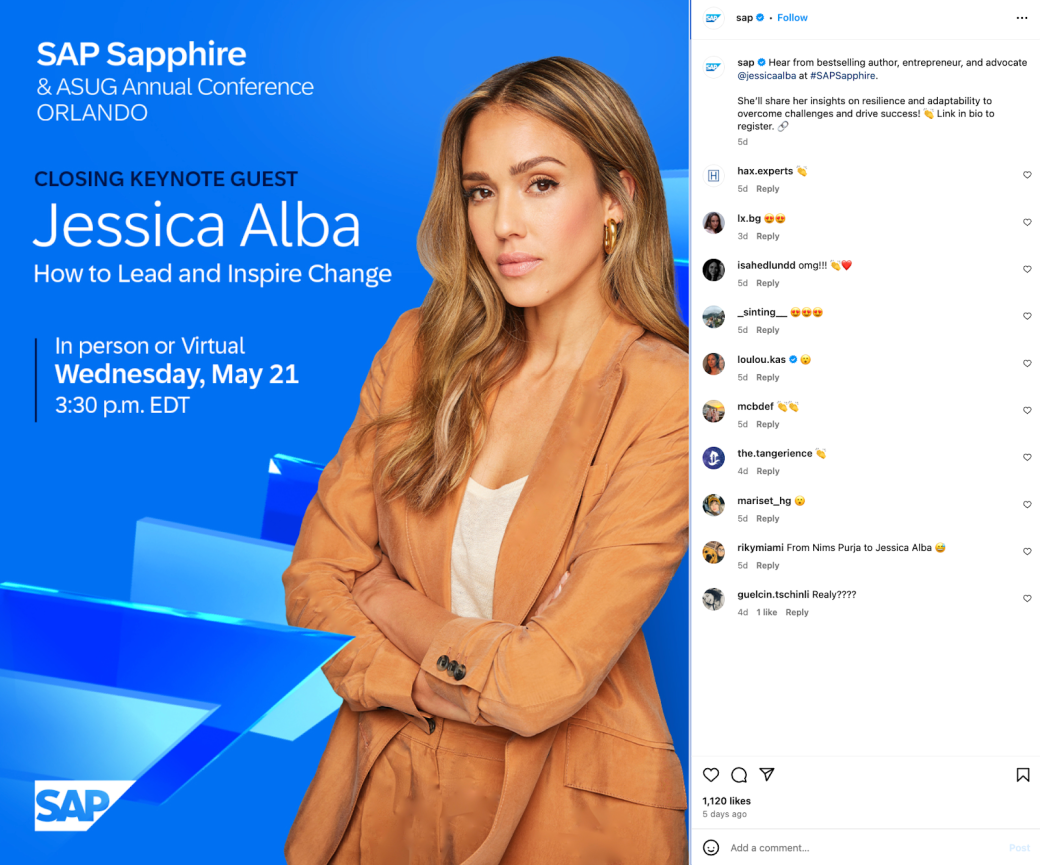
SAP often teams up with tech influencers during their event seasons to reach a broader professional audience and build credibility.
You don’t need to hire big names. Micro-influencers with highly engaged niche audiences can deliver better ROI, especially if you know how to find influencers for your brand.
Organic content is important, but it’s slow. Paid social can help you scale what’s working and reach high-value accounts faster.
LinkedIn Ads allow you to target by job title, company size, seniority, and more. Facebook and Instagram are cheaper per click and are better for top-of-funnel goals like blog views or webinar registrations.
Start with small campaigns. Test one variable at a time—creative, CTA, or audience—and use A/B tests to find what works best.
Then double down on your winning ads. Paid media is a great way to promote high-value assets like ebooks or case studies to the right people.
You can’t improve what you don’t measure. Social analytics give you insight into what’s working and what’s falling flat.
Use platform analytics to track reach, engagement, clicks, and conversions. Most platforms provide free insights, but some paid tools can provide deeper analysis.
Set clear KPIs that are aligned with your goals. For example, if your goal is lead generation, focus on click-through rates and form submissions.
Look for patterns: what times perform best? Adjust your social media calendar accordingly. Do videos get more traction than links? Are some platforms stronger for certain types of content?
Use data to refine your strategy every month. A small adjustment, like posting time or format, can significantly increase performance. Treat your social data like a product test, always iterate and improve. A social media management tool like SocialBee can help centralize your analytics, making it easier to track performance across platforms and identify trends.
Social media doesn’t have to be overwhelming or overly corporate. A simple, clear strategy goes a long way.
Start by strengthening your profiles. Then share content that teaches, inspires, and solves problems. Make your brand feel human.
Get your team involved. Test paid campaigns. And don’t guess, use data to keep improving.
The companies growing the fastest on social media aren’t chasing social media trends, they’re focused, consistent, and helpful.