
How to Measure SEO Success When Traffic Declines
Organic traffic is down, but is your SEO failing? Learn which metrics show real SEO success when AI Overviews and zero-click searches are reducing clicks.
Updated February 13, 2026

Improving your Google ranking isn't easy — learn what your business must do to improve your placement.
Every SEO specialist wants to rank higher in search engines like Google. But, search rankings can make or break your business. According to SEMrush, the number of Google searches per minute is over 9.5 million, and the top 3 organic results account for 68.7% of the clicks.
Compare our list of top SEO companies near you
Looking for a SEO agency?
Compare our list of top SEO companies near you
You need to optimize the workflow to do more and do it better. The best way to maximize your SEO efforts is to automate everything possible, as time is money. If you tweak your tasks higgledy-piggledy, it will take a lot of resources and time to finally achieve your purposes.
In this article, we recap the following significant SEO tasks you need to prioritize to reach the most success:
Looking for help with SEO? Connect with a top-rated SEO agency on Clutch.
SEO, or search engine optimization, refers to practices designed to help digital content appear at the top of organic search results.
At first glance, this definition may lead you to hone in on web page rankings on Google and driving organic traffic from these searches. While this is certainly a huge area of focus within the discipline of SEO, viewing your SEO tasks through this lens can hamstring your company’s digital marketing strategy.
With the wealth of marketing channels, limiting your SEO activities to search engine results alone will hurt your marketing team’s success in other areas.
For instance, social media marketing has become a huge differentiator for both B2B and B2C businesses in the recent past. Understanding social media post and page optimization best practices and how they may differ from search engine SEO best practices can help expand your company’s online presence and the legitimacy of your social media profiles.
Additionally, the activities that make up your SEO campaigns will affect other areas of your digital marketing strategy. Your content marketing efforts, for example, will certainly fall under the umbrella of SEO but can also add value to your email marketing campaigns.
Understanding how your SEO strategy influences other digital marketing competencies will help you hone in on specific tasks that can streamline your SEO workflows. Content creation, link building, landing page production, and other marketing functionalities considerably influence your pages’ SEO success but can also help with social media and email outreach, PR, and other efforts to facilitate conversions.
As we’ve discussed, regardless of the marketing campaign or channel of focus, you should be delegating SEO work to your team in a manner that best aligns with a cohesive digital marketing strategy.
To ensure your team is focused on tasks that lend themselves to high-quality SEO processes and workflows, consider the five focus areas listed below:
Read on for examples of tasks you can delegate to your SEO team that will fit into these areas and better your organization’s digital marketing efforts overall.
To rank high in search engines, you need to take time to find the right search terms. It’s important to consider the user intent to correctly interpret the keywords you target.

To develop keyword ideas, you can use keyword suggestion tools like Answer The Public or Google Trends to see what keywords are worth more of your focus. Consider search engine suggestions when gathering your list of keywords.
For gathering new keywords that are relevant to your business's target markets, SEO tools such as SEMRush, Ahrefs, and SE Ranking can help you prioritize phrases that will make the biggest difference in your content creation efforts. Many of these tools automate keyword discovery using AI and machine learning, reducing manual effort and speeding up the research process.
Understanding what keywords your competitors use for their marketing campaigns is one of the most powerful ways to add another evaluation to your list of keywords. If they rank well for particular keywords, it makes sense to boost their rankings.
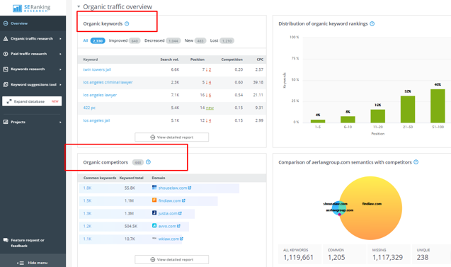
Spy on your competitors’ keywords from time to time to keep tabs. You can keep track of competitor keywords in SE Ranking. Just enter a competitor’s URL in the SEO/PPC Competitor Research tool’s search field and get a list of different keyword variations used for their Google Ads campaigns and organic search.
Many SEO platforms now automate competitor keyword tracking with continuous monitoring and alert features. Tools like Ahrefs, SEMrush, and SE Ranking can notify you of significant changes in competitor rankings or keyword strategies, allowing you to respond quickly without manual checks.
Now you strongly believe that you have a solid semantic core in place. The next step is to organize your keywords into logical groups. Collecting keywords into groups will help you raise your search marketing efforts to a whole new level.
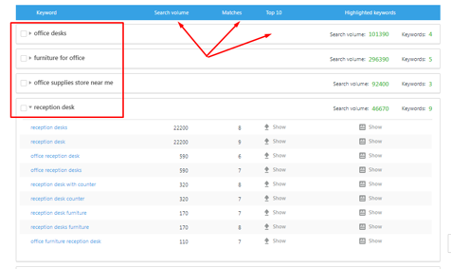
You can use different keyword grouping tools to save time and effort. For example, Keyword Grouper from SE Ranking allows you to create a grouped list of keywords together with their search volume data and competition.
If you want to build the ideal semantic core, make sure to delete all duplicate and repeated keywords.
Duplicate keywords can degrade the performance of your marketing campaigns and create internal competition. If you want to follow the plan when monitoring rankings and spreading keywords among web pages, ensure to check for duplicate keywords.
Once you make a list of keywords, ensure that you have a healthy mix of long-tail and head search terms. Many SEO tools now include features that automatically detect duplicate keywords and flag potential cannibalization issues. Platforms like SEMrush and SE Ranking can generate regular reports to help keep your semantic core clean and optimized with minimal manual effort.
Once you start earning the authority in the SERPs, you should expand your keyword research and maintain your online presence.
Creating content briefs traditionally takes a lot of research and time. Automated tools like Dashword’s Content Brief Generator produce detailed outlines with keywords, word counts, suggested links, and questions your content should answer. This helps writers stay on track and speeds up content production while keeping SEO goals clear.
When search engines see several pages with duplicate content, there’s a high chance that it can hurt your SEO rankings. Once Google detects those page duplicates, it has to choose which one to rank. Google doesn’t usually punish duplicate content directly, but it can get confused about which page to show, which can lower your site’s overall performance.
To fix this, tell Google which page you want it to focus on by using canonical tags. You can also use redirects to send visitors from duplicates to the main page. Make sure your sitemap only lists the main pages. You can block duplicate pages from being crawled or remove them from search results with tools like robots.txt and noindex tags. Regularly cleaning up or combining similar content helps keep your site clear and easy for Google to understand.
Broken links can lead to poor user experience and impact your SEO ranking. These pages waste energy and the valuable time of search engine robots and chase your visitors away. Sometimes broken links can happen because of a typo that can go unnoticed for months.
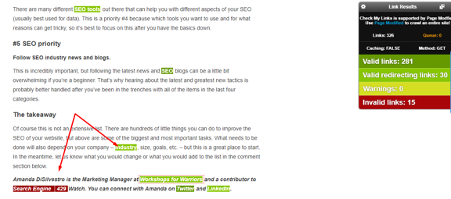
You’ll want to check your site regularly for broken links since they can sneak in and cause problems. Tools like Screaming Frog or Ahrefs can help by crawling your site and showing you where links are broken. Some tools even keep an eye on this for you and let you know when something breaks, so you don’t have to constantly watch for it.
Optimizing your images for SEO is one of the most important and simple ways to make your website more visible and competitive in the search engine results. If you want to increase your chances of showing up in image search, take time to optimize each image by including relevant keywords in the file name, alt text, and description. This helps search engines understand what your images are about and makes your content clearer and more relevant.
Some tools can automate parts of this process, like TinyPNG for compressing images without losing quality, Cloudinary for real-time optimization, and Imagify, a popular WordPress plugin that handles image compression. For reliable alt text generation, use ClickRank.
Meta descriptions are HTML elements that summarize the content of a web page. These descriptions appear in search engine results pages to help users understand what’s on a page before clicking on its link.
While they don’t directly factor into page rankings on Google, optimized meta descriptions can make a big difference in on-page SEO. From an end-user standpoint, these summaries will help those who search your target keywords decide if your site is relevant to their search.
As such, optimized meta descriptions will help increase click-through rates and ensure that the organic traffic coming from search engines is meaningful for your business.
Meta descriptions, like several of the other tasks on this list, fall under the umbrella of technical SEO. This term refers to the practice of optimizing the back end of your site pages so that search engines can read them properly. Tools such as Google Search Console can be helpful in technical SEO-related endeavors.
Some SEO tools, like SEMrush and Describely, can even automate meta description suggestions based on your page content, helping you save time and keep your descriptions consistent.
In the world of the mobile-first index, making your website mobile-friendly is a must. The best way to make your website look good on mobile screens is through a responsive design. To check if your site is mobile-friendly, you can use Small SEO Tools’ Mobile Friendly Test or SE Ranking’s Mobile-Friendly Test.
These tools analyze your URL and provide reports highlighting any issues along with suggestions for improvement.
Once you write unique content, it’s essential to optimize it for search engines. For that, you need to consider some things, such as target keywords, keyword density, meta tags, titles, and URL within your page.
Make sure to include keywords in your title tags, headings, and meta tags. This will allow you to categorize your pages, better express what you want to convey, and send the right page to the right people. Keep your title tags unique within your website.
Automated tools like SEMrush, Ahrefs, and Screaming Frog quickly highlight SEO issues and provide actionable reports, but your team still needs to use their judgment to refine content, craft engaging messaging, and create templates that balance SEO best practices with user experience.
Most website owners often underestimate the importance of the page load time. In fact, 47% of people expect a site to load in under 2 seconds, and 53% will leave if it takes longer than 3 seconds to load on mobile.
Slow pages make visitors leave and lose you traffic. That’s why it’s important to keep an eye on your site speed. Tools like GTmetrix and WebPageTest show what’s slowing your site down and give easy tips to make it faster on any device.
Google values Experience, Expertise, Authoritativeness, and Trustworthiness (E-E-A-T) when ranking content. Your content should be accurate and written by someone who actually understands the topic. It also helps to show who wrote the content and link to solid, reliable sources.
Getting links from respected websites and keeping a good reputation online matters a lot too. This is especially important if you’re sharing advice about things like health or money, where people need to trust what they’re reading.
Local SEO helps businesses connect with people nearby who are searching for them. Optimizing your Google Business Profile will encourage positive local reviews, and build local citations that list your business name, address, and phone number.
Since many local searches happen on mobile devices or via voice search, it’s important to have a mobile-friendly site and consider how customers might speak their queries. A strong local SEO presence increases foot traffic to physical locations and makes your business more visible within your community.
SEO and backlinks go hand-in-hand. You can’t have one without the other. It’s important to monitor the quality and relevance of your backlinks as they significantly impact your website rankings, and that’s the best way to reap the SEO rewards.
Backlinks are more valuable if they come from relevant sources. It’s very important to consider relevance and trust by searchers as a level of quality. This means you need to get backlinks from high trust websites that are relevant to your field and trusted by searchers.
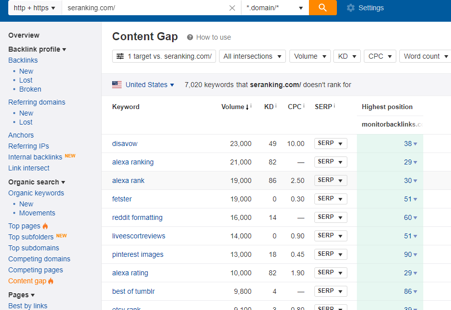
To research your link profile, you can use Ahrefs to quickly analyze your websites and your competitor’s websites. Many SEO platforms also offer automated backlink monitoring with alerts, so you’ll be notified of new, lost, or harmful backlinks and can take action.
Google wants to ensure that the backlinks to your site are natural and that searchers are linking there because your website’s content drives value for your users. Your backlinks should get along with your SEO if you want any chance of moving up in the SERPs.
Because anchor text is tied to how your page is linked to other pages, directly controlling it can be difficult for external links. Internal links, however, can have their anchor text updated by you and your team to better align with your SEO goals.
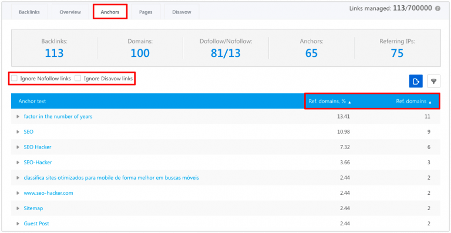
Don’t abuse exact match anchor texts. The best way to build natural backlinks is to diversify your anchor texts. Track the anchor texts you’ve used and avoid overusing those you’ve already used. Ahrefs, SEMrush, and Moz offer features to monitor and analyze anchor text distribution across your backlink profile. These platforms can alert you to overused or risky anchor texts, helping you maintain a natural and healthy backlink strategy without manual tracking.
If you are actively doing SEO for your website, there is a high chance that you get unnatural backlinks leading to your site. That can hurt your website in the eyes of Google. You can use Google’s Disavow tool to audit and disavow your links from start to finish.
Recent updates from Google indicate that it's safe to remove existing disavow files without repercussion (Google can now recognize these backlinks on its own). However, if you already have one, it doesn't hurt to keep it around.
Ranking data is one of the most significant metrics businesses can measure to determine how they rank against competitors in organic search.
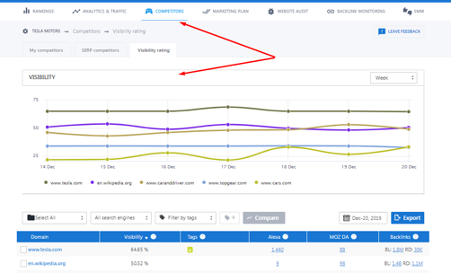
By analyzing your competitors’ rankings, you can identify where they gain a competitive edge on you for the most important keywords and use that data to outrank them in search engines. Popular SEO platforms such as SEMrush, Ahrefs, and SE Ranking provide automated rank tracking features with scheduled reports and real-time alerts. This helps you monitor competitors’ movements effortlessly and respond quickly.
If you want to outstrip your key competitors, you need to know their traffic data. When you gather data from your competitors, you can figure out what works well and what doesn’t work for them to come up with the marketing strategy.
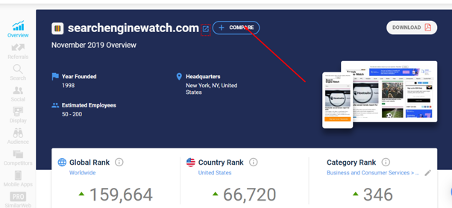
To derive comprehensive data about your rivals, you can use SimilarWeb to compare website traffic from two or more competitors.
Another avenue to gather traffic data on your competitors is Google Analytics. This tool will allow you and your team to pull real-time statistics such as site visits, bounce rates, and average session durations for your sites and those of your competitors. Many analytics platforms offer automated competitor traffic monitoring with customizable dashboards and alerts, so you can track changes without manually gathering data.
Whenever you start managing any SEO project, one of the first things you need to do is to set up keyword rank tracking. You should use rank tracking tools such as SE Ranking to track thousands of keywords in your semantic core. When monitoring your rankings, consider things like location, search engines, and language.
If you have a large website that accesses many team members to support and promote in search engines, some things can get out of control. It’s important to keep track of any unexpected changes that could affect your rankings before search engines re-index your pages. Keeping track of every page change helps you avoid penalties, ranking drops, hacking, or lost revenue.
Tools like ChangeTower make this easy by automatically watching your pages for content or code changes and sending alerts when something unexpected happens. This way, your SEO team can quickly address issues before they impact your site’s performance.
Measuring your SEO’s return on investment (ROI) is important because it shows how your efforts help your business grow. Focus on how much organic traffic your site gets each month, how well your important keywords rank, and how SEO leads to actual sales, sign-ups, or other business goals.
A good ROI approach means setting clear goals and regularly reviewing these metrics to see what’s working and what needs improvement. Tools like Google Analytics and SEMrush have easy-to-understand reports and dashboards that cover these metrics, so you can make decisions about where to put your time and resources for the best results.
To see how your SEO is working, you need to set up the right tools. Google Analytics 4 (GA4) shows how people use your website, and Google Search Console (GSC) tells you how your site is doing in Google search.
By connecting GA4 and GSC, you get a full picture of your visitors and how they find you. This makes it easier to spot changes and understand what’s working.
You can also set up alerts and reports to keep track without having to check all the time.
Organizing SEO tasks into clear workflows is key to keeping your website on track. Using project management tools such as Asana, Trello, or Monday.com allows you to assign tasks, set deadlines, and monitor progress in real time.
These platforms often work with SEO tools to automate task updates and reporting. Clear workflows improve team communication, prevent overlooked tasks, and ensure your SEO efforts are consistent and aligned with your overall marketing strategy.
There are a lot of SEO tasks to handle, so it’s important to focus on the ones that bring the most benefit. Some tasks are quick wins with less effort, while others take more time but help your SEO in the long run.
The table below shows how the 24 key SEO tasks rank in impact and effort. Start with the easy, high-impact ones to get results fast, then tackle the bigger tasks that need more work.
| SEO Task | Impact | Effort | Priority |
| Gather Relevant Keywords | High | Medium | High |
| Find Competitor Keywords | High | Medium | High |
| Group Collected Keywords | Medium | Low | Medium |
| Remove Duplicate Keywords | Medium | Low | Medium |
| Generate Content Briefs | High | Medium | High |
| Remove Page Duplicates | High | Medium | High |
| Manage Broken Links | High | Low | High |
| Optimize Images for Search | Medium | Low | Medium |
| Optimize Meta Descriptions | Medium | Low | Medium |
| Optimize for Mobile | High | High | High |
| Check How Well a Page is Optimized | High | Medium | High |
| Check Page Load Speed | High | Medium | High |
| Monitor Backlinks | High | High | Medium |
| Analyze Backlink Anchor Texts | Medium | Medium | Medium |
| Set Up a Disavow File | Low | Medium | Low |
| Track Competitor Rankings | Medium | Medium | Medium |
| Get Insight Into Competitor Traffic | Medium | Medium | Medium |
| Set Up Rank Tracking | High | High | Medium |
| Track Page Changes | Medium | Medium | High |
| Measure ROI | High | Medium | High |
| Set Up Analytics | High | Medium | High |
| Consider E-E-A-T | High | Medium | High |
| Focus on Local SEO | High | Medium | High |
| Use Workflow Management Tools | High | Medium | High |
Choosing the right SEO partner can feel overwhelming, but focusing on a few important factors can make the process easier. The right provider will not only boost your rankings but also align with your business goals and values.
Keep these points in mind as you evaluate potential partners to find a team you can trust and work well with. When looking for an SEO partner, consider these key points:
Learn more and find trusted firms at Clutch’s SEO Service Guide.
As you can see, there is a wealth of SEO-related tasks you and your team could sink their time into to help drive organic traffic to your site more effectively.
Effective SEO task management will require you to consider how the SEO areas and tasks outlined above fit into your overall digital marketing goals to prioritize your team’s workloads correctly. As with any other functional area, creating sensible SEO workflows will require you and any other marketing leads to optimally leverage project management tools and best practices.
Using automation tools for keyword research, backlink monitoring, and rank tracking can save time and provide valuable insights, letting your team focus on strategy and creative work. But they aren’t a replacement for expertise and judgment.
The SEO game is challenging: There are a few winners and a lot of losers. If you don’t want to get stuck on page 2 or 3 of Google search results, you need to start marketing SEO as a priority. Once you optimize your site on all fronts, you will create a strong SEO foundation. I hope that these 24 tasks can help your business get started and get better results.
Connect with an SEO firm on Clutch today.
Irina Weber is an experienced content marketing supervisor, blogger, and brand manager at SE Ranking. She is passionate about content marketing, social media, and always keeps up with industry trends.
See full profile