Lead Quality vs. Lead Quantity: Why B2B Teams Are Rethinking Their Funnel in 2026
Bigger buying committees and tighter budgets are forcing B2B teams to rethink lead quality vs. quantity. Here's how top teams rebalance the tradeoff in 2026.
Updated February 27, 2026

UGC videos connect your brand with its target audience. Learn how to use them to drive loyalty and sales.
Video marketing can bring your brand to life, helping you connect with customers in more dynamic, engaging ways than text and images.
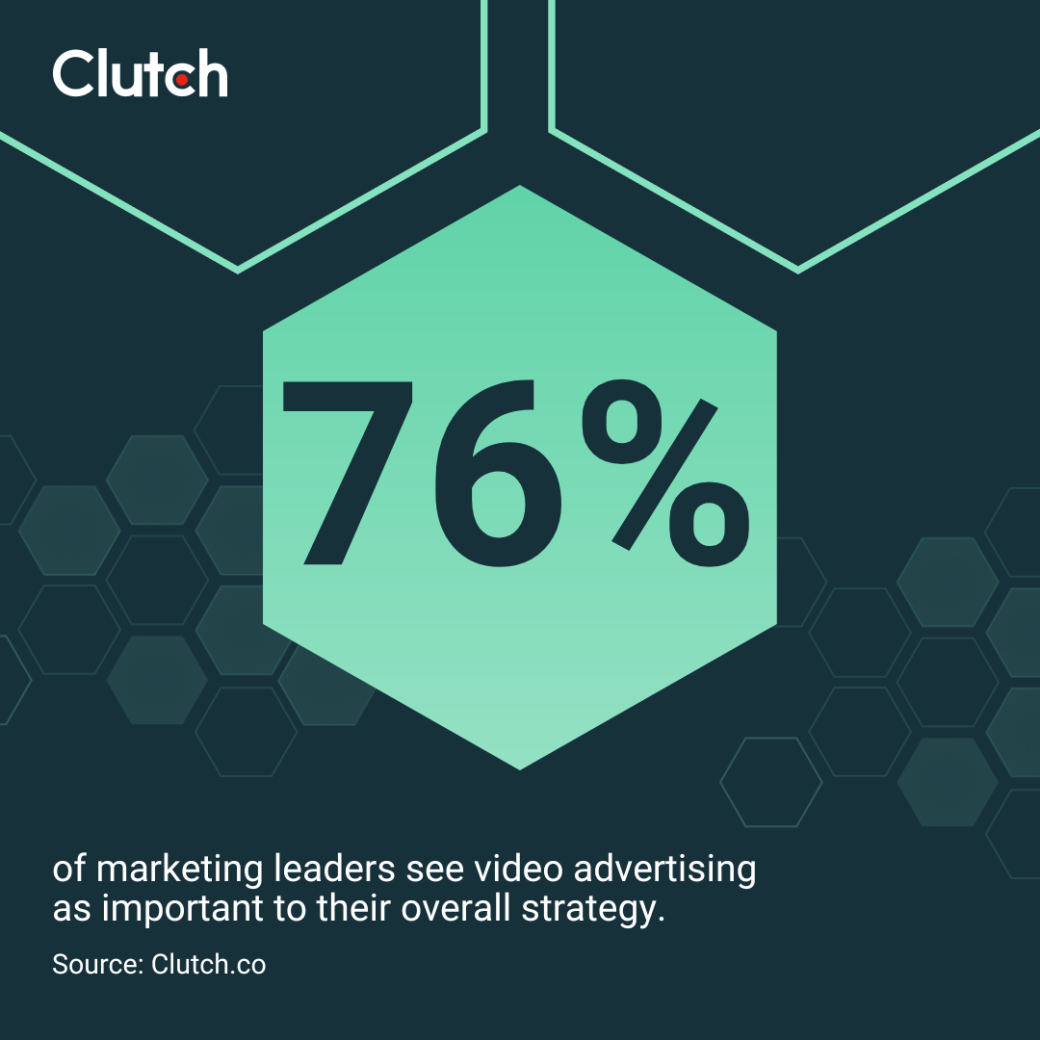
Clutch surveyed 260 respondents in the marketing industry and found that 76% of marketing leaders see video advertising as important to their overall strategy.
Looking for a Digital Marketing agency?
Compare our list of top Digital Marketing companies near you
A further 25% use video content to focus on brand storytelling. But how should your business leverage video marketing to achieve its goals?
One effective strategy is encouraging your audience to film, edit, and post their own video content about your business. This user-generated content (UGC) is more authentic than brand-designed clips, helping you form deeper connections with your target customers.
This guide covers everything you need to know to get started. Read on to learn how to leverage UGC video marketing to drive loyalty and expand revenue.
The first question you’ll need to answer is whether UGC video marketing strategies are worth your attention. So, let’s review what you can get out of it. Here are some key benefits:
Consider what your brand would like to achieve with UGC video marketing. This could impact your strategy. For example, a company that wants to build an online community might start by prioritizing testimonials, brand stories, or case studies from satisfied clients. A company that wants to help customers learn how to use its products, on the other hand, might start with demo videos.

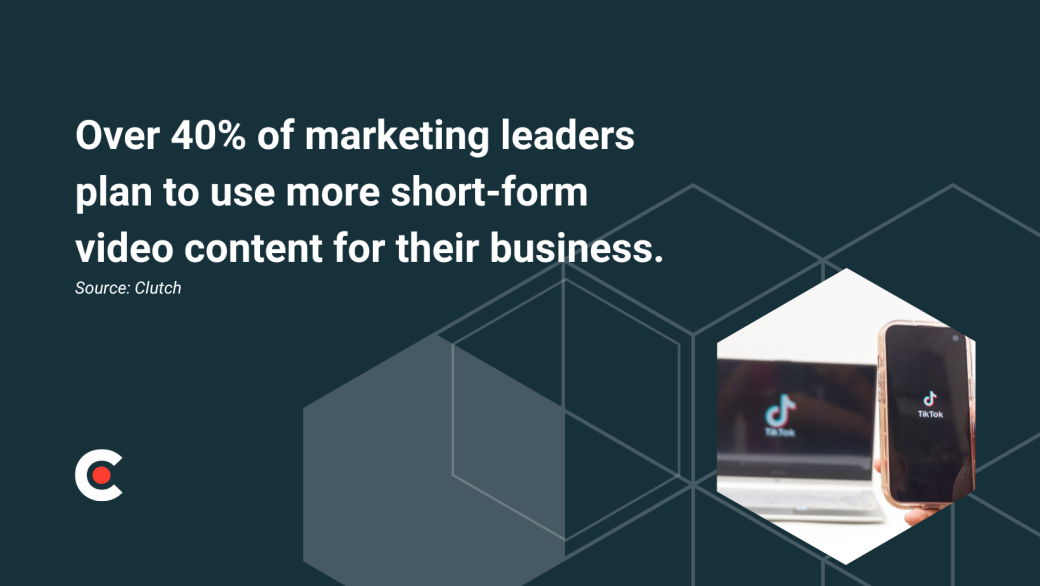
Clutch data shows that 42% of marketing leaders plan to use more short-form video content for their business. TikTok videos, YouTube Shorts, and Instagram Reels can all be very effective tools for expanding reach.
But what type of content should you be encouraging and incentivizing on these and other channels? The answer will be influenced by your goals, but will likely include some of the following key types of UGC videos.
First, you can encourage your community to post product review videos and brand testimonials. These help your company build trust by providing social proof to validate the value your business offers.
For example, a shoe company might promise a radically more comfortable shoe, but that message may not resonate with its audience until an influencer they trust raves about them. This lowers customer skepticism and can push potential buyers closer to making a purchase.
Data from Clutch shows that 15% of marketing leaders focus on customer testimonials to elevate credibility. Your business may want to adopt a similar strategy. Track engagement rates, review scores, and sentiment in the comment sections to understand how your community feels about your brand.
Many companies also prioritize unboxing videos. These can be a powerful tool for building anticipation and hype, especially when releasing new products. For instance, Apple might send its new iPhone to select influencers early so they can share their unboxings and get the rest of the community excited about the release.
Unboxing videos are especially good for highlighting package quality, showing attention to detail, and producing the kind of “wow” factor that drives social engagement. They can make your product feel more premium and drive hype.
There are also ways to expand an unboxing video into a broader piece of content. For example:
You could even include something special in select products to create viral moments. For example, a sports collectibles store might give away a valuable autographed rookie card in one random pack. This kind of promotion encourages people to record themselves opening packs, trying to find the prize, and expanding the company’s social reach.
You could also encourage your community to post demonstrations of your product in action. This helps people understand how it works and what benefits they’ll get from purchasing it.
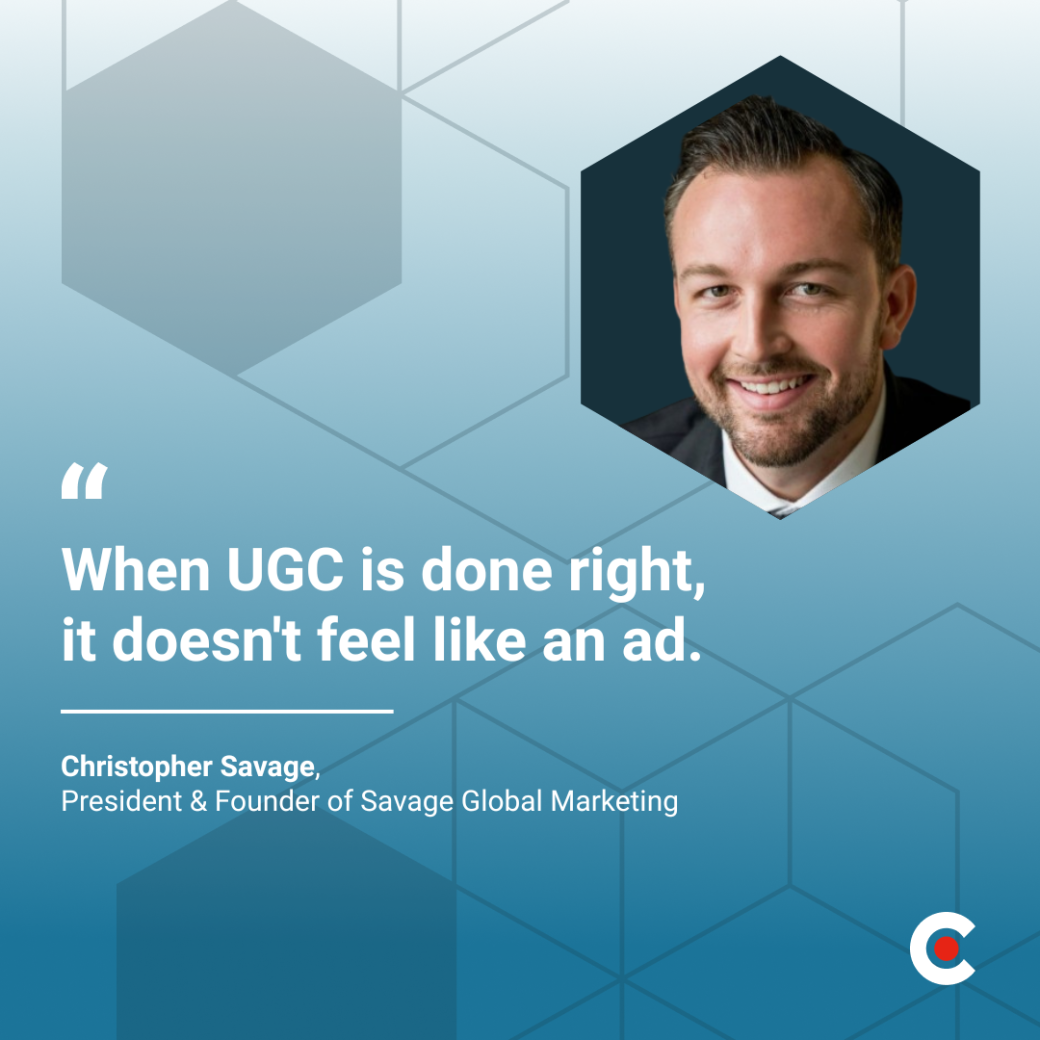
User-filmed product demos tend to be more persuasive, as they represent an independent view. Christopher Savage, president and founder of Savage Global Marketing, puts it this way: “When UGC is done right, it doesn’t feel like an ad; it feels like a friend sharing something cool.”
Some examples of this type of content in action include:
It’s also worth encouraging your community to share their personal experiences with your brand. These become like mini case studies, showing how your company benefits people from different walks of life.
For example:
You can highlight some of these stories on your page and share the creator’s handle to encourage posts. Savage says it’s important not to “force people into following a script; just let them genuinely speak about your brand.” If you don’t like what they say, you don’t have to share it on your page or engage further.
There are many different types of UGC videos your community may want to share. But when you’re just starting out, getting anyone to post about your company can feel like an overwhelming task. So, how do you do it? Here are some tips:
Ultimately, you’ll likely need to either incentivize influencers to post about your brand or give them a great reason to do so for free. That reason will often be tied to helping them create posts that perform well with their community. For instance, a fashion influencer might post about a clothing brand for free if they know their followers will engage because the products stand out so much.
Now, you’re ready to track the performance of your UGC campaigns to get an objective sense of how they’re doing. Here are some key KPIs to consider:
Consider which is the most important when planning out your team’s metrics.
User-generated content is an essential addition to modern video marketing campaigns. You need real people talking about your brand to cut through the noise, connect with online communities, and drive conversions.
UGC also helps your brand appear more authentic, trustworthy, and creative. But getting people to record, edit, and share videos about your brand isn’t always easy. You may need to start with paid influencer campaigns or incentivize your audience with special deals.
Your best bet is to start small so you can experiment with minimal financial risk. Find the type of content and creators that work best for your brand, and then put more resources into it once you know the content will generate a solid ROI.
It may even be worth partnering with an agency that can help you connect with influencers in your niche. Just remember to track KPIs over time so you have an objective sense of your performance.