![How to Create a Corporate Training Budget [With Template]](https://img.shgstatic.com/clutch-static-prod/image/resize/715x400/s3fs-public/article/f8cb0a8fb8e36a14ff257e02ce8b9475.jpg)
How to Create a Corporate Training Budget [With Template]
Create a budget for corporate training services using our free template.
Updated January 2, 2025

Companies have daily budgets. The concept of petty cash still holds its importance through regular business expenses and keeping track of the transactions.
Updated April 10, 2023
Some small but necessary expenses require immediate funds. The small amount of cash for these expenses is minimal, meaning a check isn’t required.
Looking for a BPO agency?
Compare our list of top BPO companies near you
For such instances, every business has a separate fund to deal with small frequent expenditures. This fund is called a petty cash fund.
Petty cash is a convenient store of funds, kept aside for small everyday expenses. These expenses are too small to disburse a check. Because of this, petty cash is included in the “cash” account under current assets. The amount of petty cash and any petty cash management is up to the discretion of the small business or company.
This article will explain how companies use petty cash funds and how petty cash management comes into play for businesses of all sizes.
Hire an accounting firm to ensure all financial business decisions are in line.
In this digital age where employees are given their own debit cards and paperless financial statements to submit for review, businesses might question if they still need petty cash funds.
The purpose of a petty cash fund is to give businesses sufficient cash to cover the smallest expenditures.
Under the petty cash system, a fixed amount should be reserved and replenished frequently. All the regular business needs can be quickly taken care of by petty cash funds.
So what are some examples of petty cash expenses? They can include office supplies, cards or flowers for customers, catered lunches, and even a simple cup of coffee.
If these small expenses aren’t documented, much money can go unclaimed. A little expense can be a significant amount in the long run. For example, if a coffee cup costs 26 cents per cup, it will be $100 for one employee for 200 days in the year.
The intent is to also simplify any employee reimbursements.
While this process may seem straightforward, managing the petty cash system is a completely different story. After understanding how petty cash works, businesses need to take a hard look at the importance and how to control the process internally.
Petty cash funds need to follow certain policies in order to be controlled. In many cases, petty cash funds become the principal fund for cash payments.
It is assumed that there is no need to pay attention to control, if there is a recordkeeping system in place.
There are two ways of recording petty cash transactions, either offline or online.
The best way to maintain the account is by designating one person (a petty cash custodian) to manage the amount and documentation. Regular and detailed monitoring of transactions can keep a check on the reasonable use of funds and the level of petty cash disbursements.
Everyone should log their petty cash expenses to keep books accurate and gain the maximum write-off benefit. Whether this is done offline, online, or using another system.
For offline services, petty cash transactions can be recorded by slips, also known as petty cash vouchers. It is important to document every purchase, as seen in the image below:
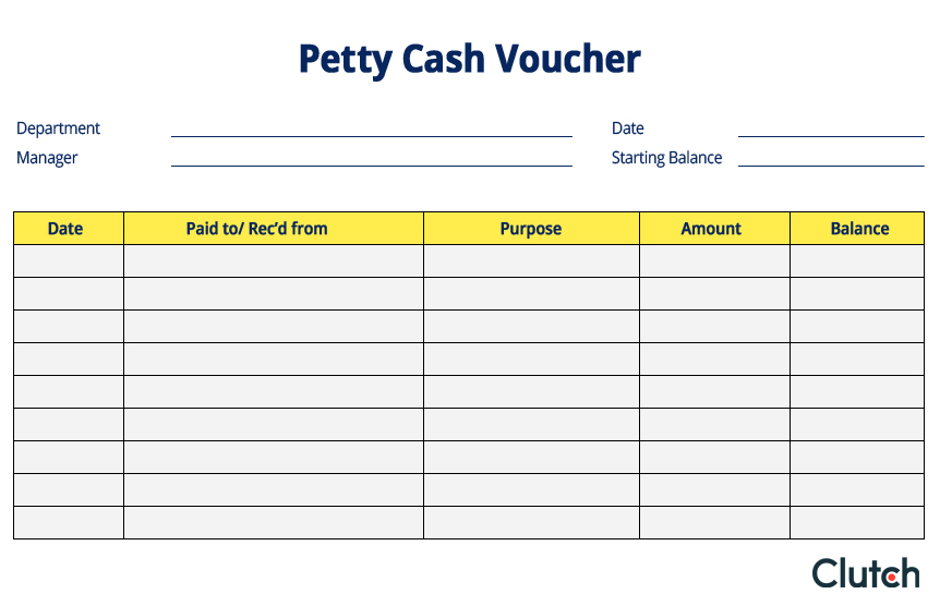
This voucher is essentially a template, detailing the date, paid to/received from, the purpose for the transaction, and amount. It also shows the balance of the total fund.
Detailing your petty cash transactions this way allows transparency within your company. All users of the voucher can see where the money is being spent.
Bank account numbers can be grouped and entered into the bookkeeping process when replenishing petty cash.
In the age of digital transformation in every field, new ways of recording petty cash transactions have been innovated. Petty cash can be recorded using a computer or smartphone by using apps like Money Manager Expense & Budget.
This app allows an easy, accurate, and safe way to record, review, and edit petty cash transactions. It features a rich visual experience and offers a passcode lock, and can also backup and restore data.
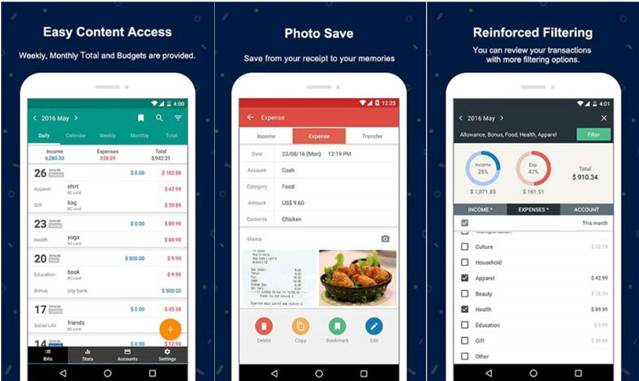
The app provides users with the following: an accounting system for bookkeeping and instant statistics. The system also includes management features for credit cards, budgets, transfers, and direct debit.
Always remember to compare the remaining lockbox cash amount with the petty cash balance as recorded in the log regularly. This will help you figure out any discrepancies with expense accounts.
When thinking about petty cash, it’s important to consider how your business functions and what it requires. Petty cash expenses are deductible expenses. Accurate and maintained documents can save taxes.
Businesses have lost a substantial amount of money due to lack of control. No or less control creates an opportunity for fraud and embezzlement.
It is better to decide on a limit for petty cash funds and the level at which it needs to be replenished. This will maintain an adequate amount of available cash for use in the petty cash box or locked drawer.
It is imperative that the people who can access it are aware of the importance and usage of petty cash. This can be done by creating a written policy, along with providing a few examples of expenses of petty cash within a petty cash log.
Establishing control over petty cash fund maintains a sense of discipline and responsibility in the business. Without designated roles, there can be unnecessary confusion among the employees over the appropriate usage of petty cash.
The person who keeps the fund and the person who approves and documents the funds should be different. It is important to entrust the funds with a trustworthy petty cash custodian.
Another responsibility of business owners is to incorporate and implement policies for the fair use of petty cash. There should be a limit on the maximum amount that can be withdrawn from petty cash funds.
Employees also need to use the funds responsibly, verifying the business purpose of any transactions.
Setting and keeping track of petty cash fund should be an integral part of the bookkeeping system of your company. Not paying attention to the functioning of petty cash funds can result in reasonable loses.
Petty cash is a deductible expense; you can take advantage of petty cash by recording it systematically in a management system and claim business expenses to reduce business taxes.
Gia Glad is an Accounting Specialist at Cogneesol - an outsourcing firm offering finance and accounting services along with other value-added services to the small and mid-sized businesses globally. She has always been a great contributor to the accounting & business industry and also responsible for branding.
See full profile