Lead Quality vs. Lead Quantity: Why B2B Teams Are Rethinking Their Funnel in 2026
Bigger buying committees and tighter budgets are forcing B2B teams to rethink lead quality vs. quantity. Here's how top teams rebalance the tradeoff in 2026.
Updated September 10, 2026

Affiliate marketing is a popular method of driving sales. This article will provide an overview of some successful affiliate marketing examples to help inspire your own marketing campaigns.
Affiliate marketing examples show how brands pay partners — bloggers, creators, review sites, and publishers — a commission to promote their products, so the brand only pays when a sale happens. The eight examples below span retail, media, e-commerce, SaaS, and travel — from Amazon Associates and NYT's Wirecutter to Etsy, Target, and Moosend — and each one illustrates a different affiliate model you can adapt. First, a quick look at how the model works and why it's grown into a multibillion-dollar channel.
Every affiliate program connects three parties:
Looking for a Digital Marketing agency?
Compare our list of top Digital Marketing companies near you
Because the merchant pays only when a referral converts, it's a low-risk, performance-based channel — which is why adoption keeps climbing. US advertisers are projected to spend $13.81 billion on affiliate marketing in 2026, up 11.3% from $12.42 billion in 2025, and the channel is expected to influence roughly $241 billion in US e-commerce sales. Industry estimates put affiliate adoption at about 81% of advertisers, with affiliates driving roughly 16% of US e-commerce orders.
| Brand | Type | Affiliate Model | Best for Learning |
| Etsy | Marketplace | Publisher/creator program | Niche, handmade-product promotion |
| BuzzFeed | Media/publisher | Commerce content + networks | Editorial "shoppable" content |
| Amazon Associates | Marketplace | Open creator program | Breadth and influencer storefronts |
| Moosend | SaaS (email) | Recurring SaaS commissions | Software/SaaS affiliate programs |
| NYT / Wirecuter | Media/reviews | Editorial review commerce | Trust-driven product reviews |
| Target | Retailer | Partner/creator program | Retail creator enablement |
| Boohoo | Fashion retailer | Single-tier commissions | Fast-fashion affiliate structure |
| Vrbo | Travel (rentals) | Referrals Commissions | Travel/referral programs |
As a global online marketplace, Etsy promotes its products through various e-commerce channels, including affiliate marketing.
Content creators or bloggers must have an active website with a unique brand identity to qualify as an Etsy Affiliate.
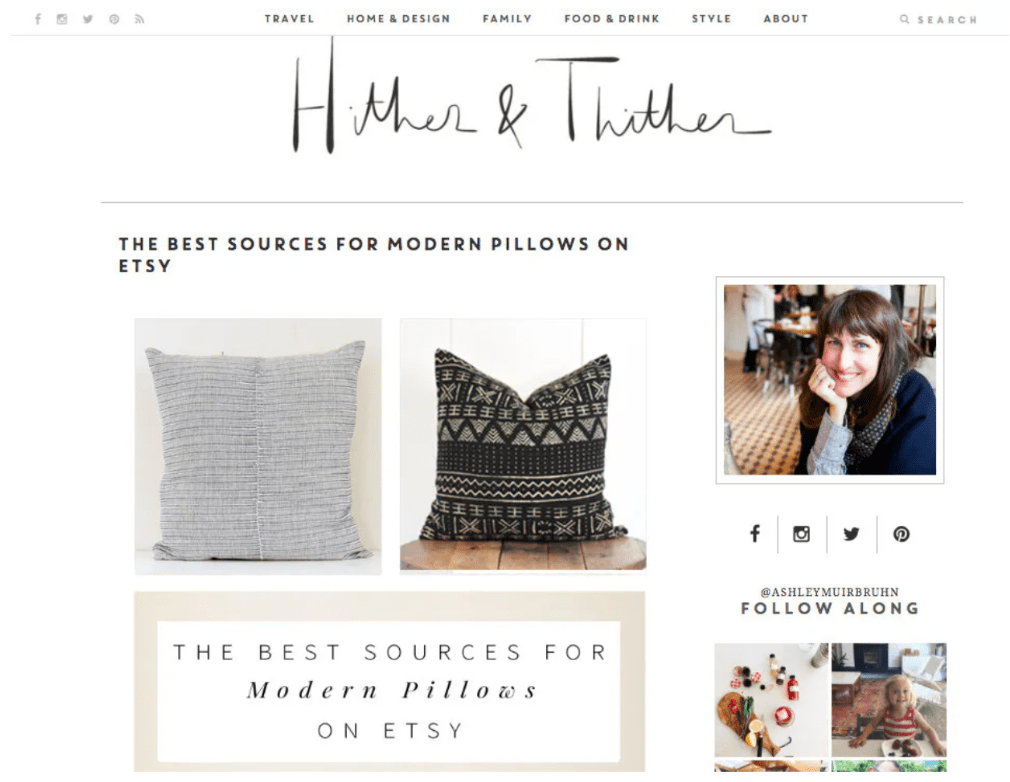
The catch is that if you’re an Etsy seller, you can’t earn commissions on your products.
If your company specializes in a specific niche, you can find similar products on Etsy that could attract attention to your business. To have a successful affiliate campaign, companies need to think creatively about attracting their target audience.
Known for viral quizzes and news, Buzzfeed is also a great avenue to set up an affiliate marketing program.
Buzzfeed works with companies like Amazon to create quality content that encourages consumers to shop.
For example, on Prime Day, you would have trouble avoiding a listicle on Buzzfeed that doesn’t promote Buzzfeed’s shopping page or the best products on Amazon for a specific audience.
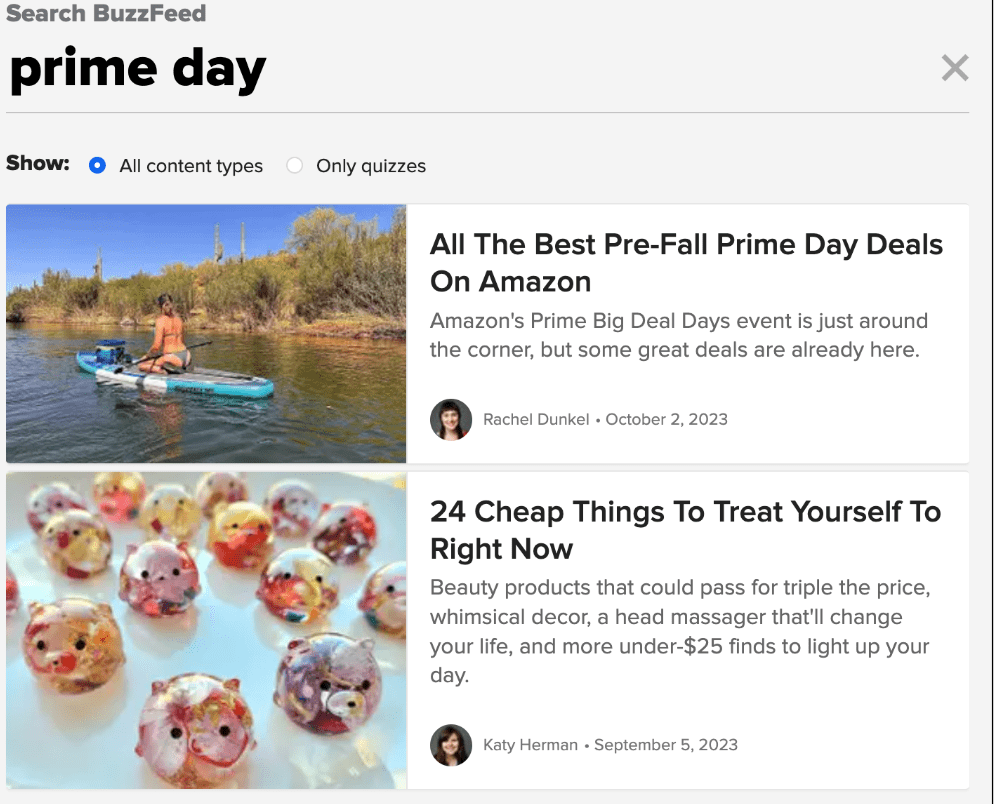
Visitors can read product reviews and make purchases, and Buzzfeed earns a commission from each sale.
Companies should think creatively about marketing their products within an affiliate marketing program.
Amazon runs one of the largest affiliate programs in the world. Creators and publishers sign up to recommend products and earn a commission on the sales they drive.
With millions of products, affiliates can point audiences to specific recommendations, and many influencers run their own Amazon storefronts and idea lists — pairing them with videos and livestreams to encourage purchases.
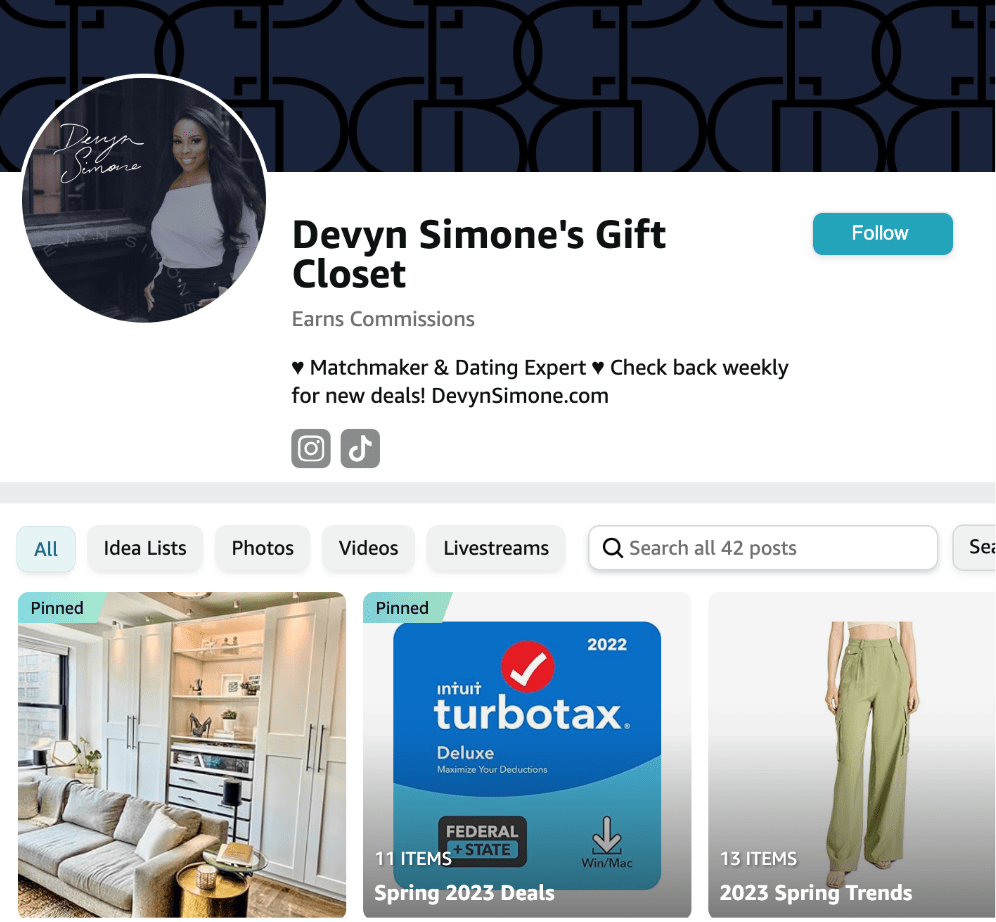
Devyn Simone also creates videos and hosts livestream events to encourage her followers to make purchases.
Moosend, an email marketing platform, runs an affiliate program aimed at partners whose audiences need email tools.
As you can see on their landing page, affiliates earn a tiered, recurring commission — 30% to 40% depending on volume — for as long as each referral stays a paying customer, with a 90-day cookie window, plus ready-made creative (banners, logos, CTA imagery, social ads) to use in their own campaigns.
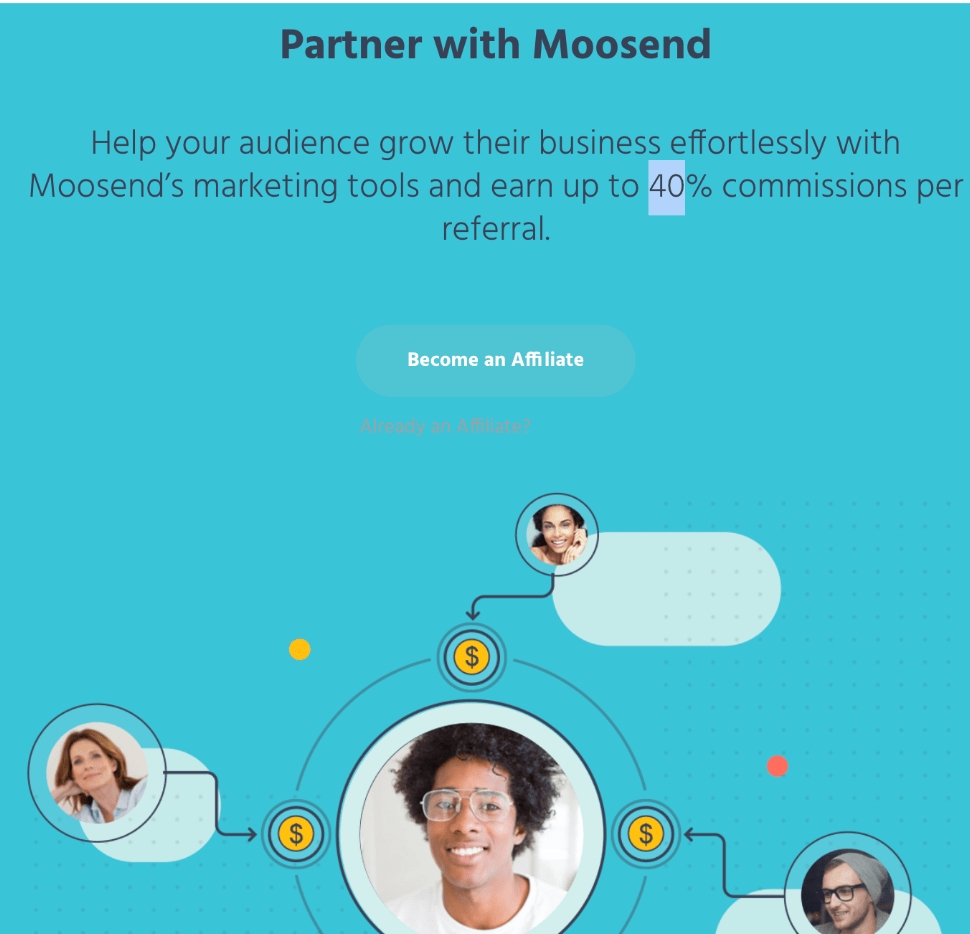
It's a strong model for any SaaS company: recurring payouts reward partners for referrals that stick, and a creative kit makes promotion easy.
As a media giant, it would be surprising if the New York Times did not have an affiliate or referral program. Wirecutter is the product recommendation and review site from the NYT.
By referring new customers through the New York Times website, potential buyers can be encouraged by the independent research that goes within the recommendation service.

While referring products, the company also finds a way to provide additional content that encourages viewers to explore their website, making it a win-win for different teams. Your company can practice a similar strategy to encourage people to view your recommendations while checking out your YouTube channel with a video on the product, for example.
Retailers like Target have partner programs that help bloggers and influencers promote their favorite Target finds.

A content marketing strategy Target uses for their affiliates is sending them newsletters and promo deals each week to inspire them to create quality content that benefits their subscribers while increasing conversion rates.
Boohoo’s affiliate program offers single-tier commissions, meaning that affiliates only earn payouts on sales they generate.
As an international fashion retailer, Boohoo opens its doors with several international social media platforms while providing new clothing collections each week.
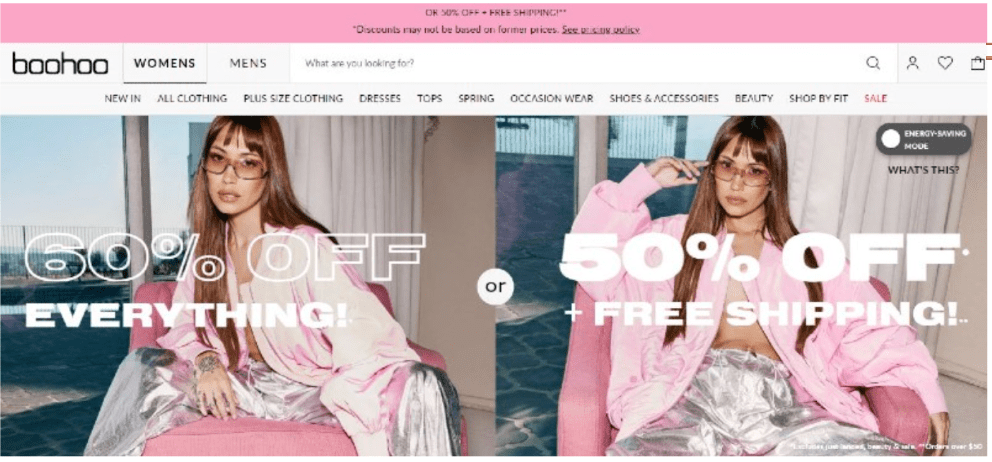
Their system is a great one to model after for any affiliate marketing strategy. This program provides quick customer support, timely commission payments, and real-time link tracking.
Vrbo, a vacation-rental platform, runs its affiliate program through the Expedia Group Creator Program: travel creators and publishers refer travelers and earn up to 6% on completed bookings.
Even if a travel program isn't a fit for your own business, the takeaway is adaptable — show how a platform helped you (for example, how a rental helped you organize a company offsite) to make the recommendation feel authentic.
While this type of program might be hard for your business to invest in, you can think creatively by showcasing how a travel platform like Vrbo helped your business prepare for a conference or event.
The eight brands above work with several kinds of affiliates. The most common types:
Affiliate marketing has become an increasingly popular way for businesses to increase their reach and generate leads. It is a cost-effective approach that allows companies to tap into new audiences and create relationships with influencers.
Through engaging in this type of marketing, businesses can develop more visibility, build trust, and acquire more customers. By understanding the potential of affiliate marketing and partnering with the right affiliates, businesses can make the most of their campaigns and maximize their ROI. Use the examples in this article to set your company up for success.
Hire an affiliate marketing agency to assist your business with the right marketing project.
A common example is a review site like Wirecutter recommending a product with a tracking link — when a reader buys through it, the site earns a commission. Amazon Associates, where creators link to Amazon products, is another everyday example.
A merchant gives an affiliate a unique link. The affiliate promotes the product; when a consumer buys through the link, the affiliate earns a commission. The merchant only pays when a sale happens, which makes it performance-based.
Bloggers and review sites, social influencers and creators, YouTubers, coupon and deal sites, and comparison/aggregator sites are the most common — each reaching audiences at a different stage of the buying journey.
Yes. US affiliate spend is projected to reach $13.81 billion in 2026 (up 11.3% year over year), and roughly 81% of advertisers run an affiliate program — a sign the channel keeps earning its budget.
Affiliates earn a commission — a flat fee or a percentage of the sale — tracked through their unique link and paid out by the merchant or affiliate network, usually on a set schedule once a minimum threshold is met.