
How to Measure SEO Success When Traffic Declines
Organic traffic is down, but is your SEO failing? Learn which metrics show real SEO success when AI Overviews and zero-click searches are reducing clicks.
Updated May 29, 2026

For years, digital agencies have delivered value through tangible outputs — keyword rankings, content calendars, backlinks, and audits. But with search now shaped by AI, those tactics only tell part of the story.
Search has evolved beyond blue links. Visibility now spans Google’s AI Overviews, ChatGPT, Perplexity, and an expanding universe of AI-curated surfaces. And with this evolution comes a new mandate for brands: it’s no longer just about appearing in search – it’s about how your brand is understood, described, and trusted.
To stay visible, brands must focus on clarity, consistency, and credibility, not just performance metrics. That’s where Visibility-as-a-Service comes in.
Looking for a SEO agency?
Compare our list of top SEO companies near you
Traditional SEO still plays a role, but it’s no longer the full picture. With the rise of AI-led discovery, we’re no longer seeing neatly ranked results – platforms are now interpreting, summarising, and even making decisions on behalf of the user.
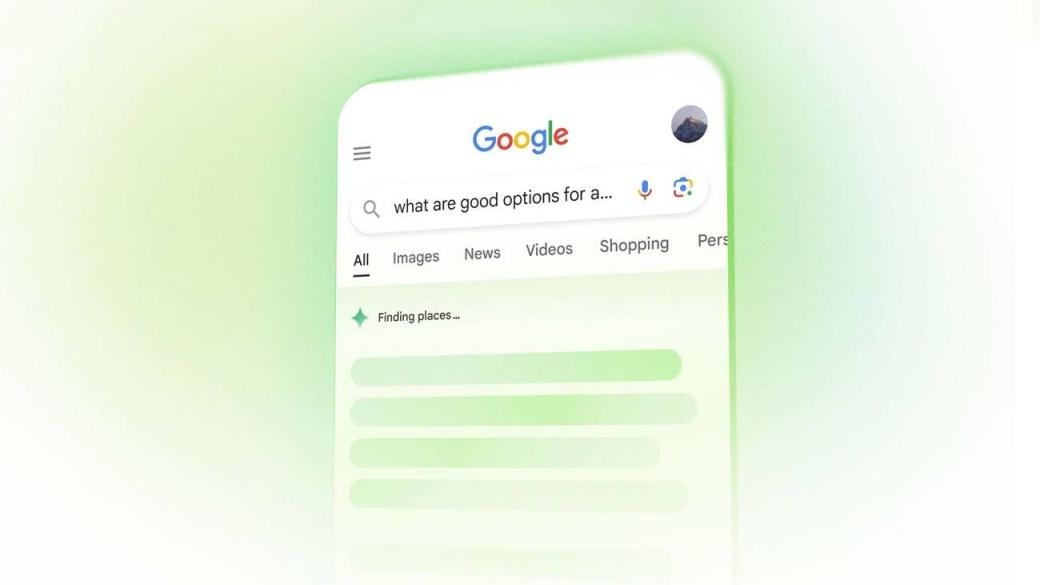
According to iPullRank’s analysis of AI Mode, Google uses a fan-out retrieval system to extract relevant “text spans” from multiple sources and then scores them for confidence before generating summaries. Visibility in this system depends on semantic clarity and trust, not just keyword rankings.
Here’s how the rules have shifted:
Visibility is no longer about being on page one – it’s about being accurately represented in summarised, multi-source answers. To earn that kind of visibility, your brand needs more than SEO. It needs a connected strategy focused on semantic trust, not just search position.
It’s not just about showing up – it’s about being the right answer.
Visibility-as-a-Service is a modern agency model for an AI-shaped discovery landscape. It reflects a shift away from task-based SEO and isolated deliverables toward a broader, more strategic approach to how your brand is understood, described, and trusted by both people and machines.
The term has roots in IT and cybersecurity, where it refers to services that provide real-time insights into infrastructure, traffic, and system health. In that context, "visibility" is about knowing what's happening across complex, dynamic environments.
When it comes to marketing, we're adapting that concept to map and influence how a brand appears across the fragmented digital surfaces where discovery now happens.
Today’s visibility isn’t earned through rankings alone. It’s earned when:
Visibility-as-a-Service unifies SEO, content, PR, and structured data to support this kind of omnipresent, AI-compatible brand presence.
It asks:
This isn’t about ticking off SEO deliverables. It’s about engineering clarity and trust so that AI systems and users alike choose you as the answer.
Agencies delivering Visibility-as-a-Service go beyond standalone tactics. They integrate technical expertise, brand strategy, content development, and PR execution into a unified effort to help brands show up clearly and consistently across all discovery environments, especially those shaped by AI.
Entity-SEO is the foundation of AI-era visibility. It’s about ensuring your brand is not just present but understood. This involves:
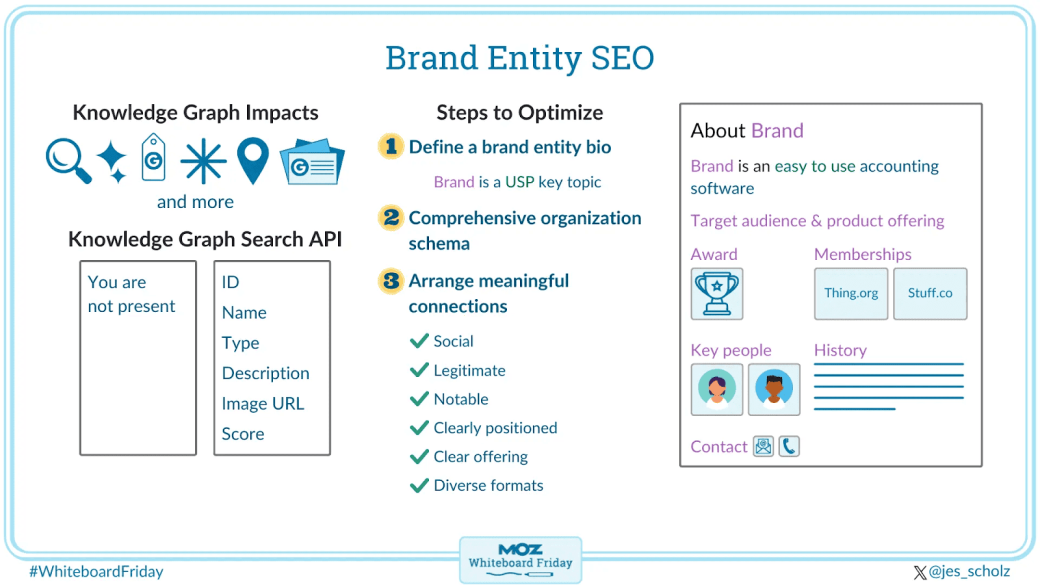
In AI search, if your brand isn’t semantically connected to the right concepts, you’ll be overlooked, regardless of rankings.
Digital PR is evolving. It’s no longer just about acquiring backlinks—it must follow traditional PR’s lead. That means thinking beyond SEO metrics to consider how your brand is positioned in the broader narrative.
Today, effective digital PR:
This repositioning of digital PR makes it a critical visibility lever, not only for rankings but also for influencing how your brand is summarised and surfaced in AI-led discovery.
Today’s content must serve both humans and machines. Effective content strategies:
Content is no longer just a traffic driver — it’s a trust-building mechanism.
Crawlers and LLMs both require clarity. Technical alignment includes:
Visibility-as-a-Service relies on a strong technical foundation to make your brand understandable to both AI and users.
Choosing the right agency in an AI-driven world isn’t about who delivers the most keywords or backlinks — it’s about who understands how your brand is understood.
In this new era of search, your agency partner should be more than a vendor. They should be a strategic advisor, someone who helps shape how you show up across AI summaries, knowledge panels, and high-trust surfaces that influence both machines and people.
Ask questions that go beyond deliverables:
If your agency doesn’t think in entities, summaries, and trust signals, it’s time to find one that does.
We’re at a turning point in how people and platforms interact with brands online. AI systems are no longer just supporting the search experience — they’re shaping it.
Google’s AI Overviews, ChatGPT, Perplexity, and the next generation of AI agents are already making decisions, summarising brand information, and recommending products — often without the user ever clicking a search result. In many cases, the traditional website visit is now the byproduct of visibility, not the starting point.
In fact, a recent Semrush study found that AI Overviews reduced organic clicks for nearly 46% of queries, confirming that many users now get what they need from the summary itself, rather than traditional listings.
As Jes Scholz writes on Searcht, brands that fail to build clarity across owned and third-party content risk losing control of how they’re summarized.
If your brand isn’t semantically understood, contextually trusted, and consistently described, you risk becoming invisible, not just in rankings, but in relevance.
This is why Visibility-as-a-Service matters now. It’s not just a new tactic — it’s a new mindset. One that acknowledges discovery is no longer channel-bound. It’s cross-surface, cross-platform, and increasingly machine-mediated.
The agencies that embrace this shift will not just optimize brands for search. They will engineer brand understanding across every interface, every summary, and every decision-making moment.
The future of search is representation. And the brands that invest in how they’re understood will be the ones remembered.