Updated March 25, 2025
A human resources team has many responsibilities, from administering payroll to onboarding new employees. Save time and improve productivity by hiring an experienced HR provider.
Your business’s success hinges on the dedication and efforts of your employees. You can help them reach their full potential by offering fair compensation in the form of competitive salary and benefits, as well as opportunities for professional development.
These benefits can significantly increase your team’s efficiency and productivity. They also boost morale by demonstrating that you value their well-being and growth. However, managing these human resources (HR) services in-house can be complex and time-consuming.
Many businesses outsource HR functions to simplify their operations and decrease stress. An experienced HR services provider can manage all your human resources needs, from talent acquisition to benefits administration. They’ll also help you meet complicated regulatory requirements and mitigate risk.
Finding the right HR services provider requires careful research. This hiring guide will teach you how to hire HR providers who fit your business’s culture and needs. We’ll cover the benefits of HR hiring, available services, questions to ask, and more.
Browse Related Services
What Are HR Services?
Human Resources (HR): The management of employee-related processes in an organization, including benefits, hiring, onboarding, and payroll.
Human resources give employees the support and tools they need to excel in the workspace. HR providers set staff up for success by recruiting top talent and delivering practical training. They also manage benefits administration and payroll, so workers receive accurate and timely compensation.
HR providers also foster positive work cultures. They develop policies and programs that promote employee engagement, equity, and inclusivity. For instance, they might create a mentorship program for employees who are members of underrepresented demographics to support their career growth. Other initiatives might include designating a lactation room for nursing mothers or hosting diversity training sessions. These efforts aim to help all employees feel respected and supported.
HR professionals also help employees navigate interpersonal conflict. This responsibility may involve mediating disputes between team members who disagree about workplace etiquette. They might also coach a manager about effective communication techniques to improve team collaboration. These efforts strengthen workplace relationships and reduce friction.
Compliance is another major responsibility of HR providers. Complex legal requirements govern everything from child labor to workplace safety. HR professionals help businesses adhere to these laws and protect their workers’ rights. For instance, they might arrange to install a wheelchair ramp for an employee in compliance with the Americans with Disabilities Act.
Businesses use external HR services to decrease administrative burdens and improve operations. These providers manage complex tasks, such as benefits management and recruitment. Outsourcing these responsibilities boosts productivity by allowing internal teams to focus on other critical tasks.
Additionally, HR providers offer expert guidance on hiring best practices, labor laws, and other niche areas. Businesses can draw on this specialized knowledge to overcome organizational challenges and manage employees more effectively.
Human Resource Companies by Country
-
 United States
HR Consulting Services
3,767 Providers
-
 Canada
HR Consulting Services
478 Providers
-
 Australia
HR Consulting Services
154 Providers
-
 India
India
HR Consulting Services
375 Providers
-
 Pakistan
HR Consulting Services
68 Providers
-
 Germany
HR Consulting Services
134 Providers
-
 Philippines
HR Consulting Services
63 Providers
Human Resource Companies by City
-
 New York City
HR Consulting Services
286 Providers
-
 Los Angeles
HR Consulting Services
154 Providers
-
 Houston
HR Consulting Services
253 Providers
-
 Chicago
HR Consulting Services
240 Providers
-
 Sydney
HR Consulting Services
66 Providers
5 Benefits of HR Services
Organizations rely on human resources services to support workers and manage administrative tasks. Hiring a skilled HR services provider can save time and improve employee satisfaction.
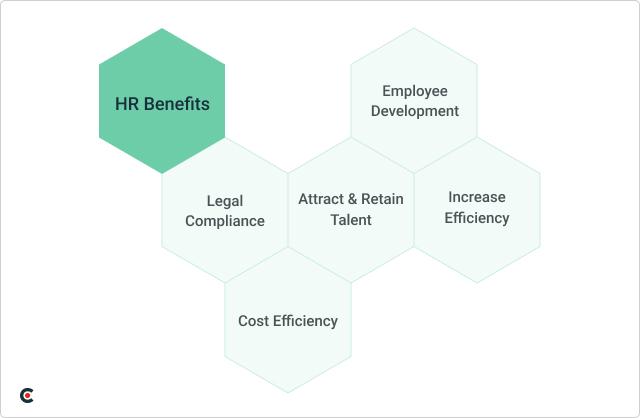
Here are five reasons to invest in quality HR services:
- Legal compliance. Businesses must comply with federal, state, and local laws. These regulations can be complex and change frequently. Effective HR providers keep up with the latest legal requirements and update their clients’ policies and practices accordingly. These proactive measures improve compliance and reduce the risk of legal penalties.
- Employee development. Many workers are eager to gain new skills and advance their careers. An HR services provider supports these goals by providing resources for employee development. For example, they could offer tuition assistance for college courses and organize workshops on artificial intelligence (AI) tools.
- Attract and retain talent. Sooner or later, all businesses must recruit fresh talent to bring in fresh skills and sustain growth. HR services providers streamline this process by recruiting, interviewing, and hiring new employees. They also create competitive compensation packages to increase employee loyalty and reduce turnover.
- Increase efficiency. HR providers improve productivity by using data and technology to streamline tasks. For instance, they could use AI-powered recruitment software to identify the most suitable candidates. These approaches help optimize workflows, reducing delays and repetitive tasks.
- Cost efficiency. Outsourcing HR services can be more affordable than maintaining a full-fledged in-house department. These collaborations let you reduce expenses like benefits, onboarding, and training. At the same time, you’ll get access to specialists with advanced tools and extensive experience without the overhead costs.
What Services Do Human Resource Companies Provide?
Human resources covers everything from answering questions about benefits to terminating employees. HR providers typically offer a broad range of services to cater to each client’s unique needs.
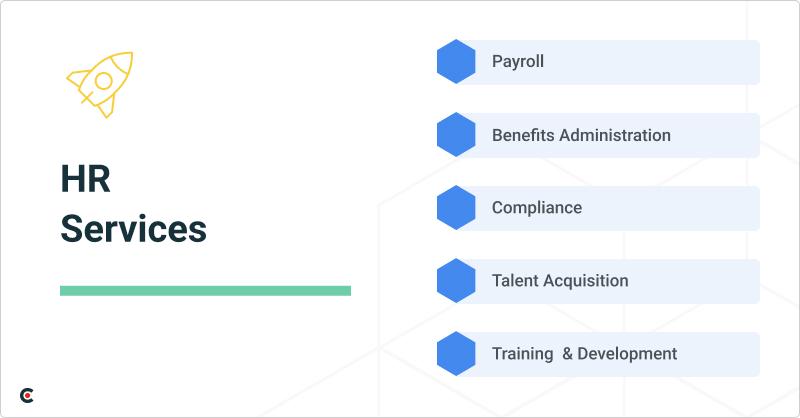
Here are common services offered by these providers:
- Payroll
- Benefits administration
- Compliance
- Talent acquisition
- Training & development
Payroll
Payroll is the process of compensating employees for their work. This task involves more than just issuing paychecks; it also includes many complex calculations and deductions.
A human resource services provider can manage every aspect of payroll, including:
- Reviewing employee timesheets
- Calculating hourly pay, salaries, overtime, bonuses, and commissions
- Withholding taxes and processing payroll deductions
- Distributing W-2s
- Complying with labor and tax laws
- Maintaining accurate payroll records
These tasks can be time-consuming, especially for businesses with large staffs or small organizations without an in-house accountant. Outsourcing payroll to a reliable HR services provider can save time and alleviate stress for your team. This service also prevents costly errors and late paychecks, which may decrease employee morale.
Benefits Administration
Businesses may offer a wide range of benefits to attract and retain employees. While some organizations only provide basic health coverage, others go all out with paid parental leave, gym memberships, and other perks.
An HR services provider has the specialized knowledge and software for benefits administration. They’ll handle enrollment, benefits management, compliance, and record-keeping. They can also answer questions from employees and help them get the most out of their benefits. These services will improve employee satisfaction, well-being, and, ultimately, their productivity as well.
Compliance
The stakes are high when it comes to compliance. Businesses that fail to follow labor laws can receive expensive fines and other legal penalties. They may also damage their reputation and lose their employees’ trust. You can prevent these issues by hiring a knowledgeable HR services provider. They have expertise in navigating the complexities of labor laws and will help you implement best practices to ensure compliance.
For example, your HR partner may develop more inclusive hiring policies to adhere to anti-discrimination laws. Similarly, they could update your employee handbook to reflect current laws and educate staff about their rights. These practices will ensure compliance and help foster a more positive and safer work environment.
Talent Acquisition
Hiring the right talent is critical for business success, but finding qualified candidates isn’t always easy. You might spend hours sifting through generic applications or interviewing prospects who don’t fit the job requirements. As the search drags on, you may lose money if the vacancy impacts your team’s productivity.
Consider outsourcing talent acquisition to streamline this process and save resources. An experienced HR services provider can manage the entire recruitment process, from creating job postings to negotiating. They’ll help you attract and hire the most qualified candidates — without the hassle of scheduling endless interviews or chasing down references.
Training & Development
Employees need ongoing support to develop their careers and gain new skills. An HR services provider can offer training and resources to help your team grow and perform their best.
This training typically starts from the moment of onboarding. The HR team will work closely with new hires to help them understand their roles and organizational policies. They may create training modules and resources to teach new employees about company best practices. These resources quickly get new hires up to speed so they can start contributing to your business.
From there, HR providers can develop tailored training programs based on your team’s interests and needs. These programs could cover communication strategies, digital tools, leadership skills, and other essential competencies. This training promotes professional development and empowers your employees to take on new tasks and challenges.
How to Assess HR Services
Some aspects of HR services are easy to evaluate. For example, your team will quickly notice if payroll gets processed on time and if the HR provider answers their emails. However, less tangible areas — like talent development and cultural fit — can be more challenging to gauge. Establishing clear metrics will help you measure your HR service’s effectiveness and identify any areas for improvement.
Here are some of the key metrics to evaluate human resources services:
- Time to hire: This metric is the number of days it takes to hire a new employee, from the moment they submit an application to when they sign a contract. Efficient HR service providers typically have short times to hire.
- Employee engagement: This metric reflects employees’ engagement and motivation at work. It typically considers absenteeism, productivity rates, and employee satisfaction.
- Retention rate: This rate reveals the percentage of employees who keep working for your business over a specific period.
- Manager effectiveness: This metric assesses how well your managers lead your teams. High manager effectiveness can indicate that your HR provider offers adequate support and training for your internal staff.
- Compliance rates: This metric is the percentage of employees who follow legal requirements and company policies.
What Is An HR Team?
A human resources team manages all functions related to company culture, employee performance, and policy compliance. HR teams include members with different expertise who collaborate to support an organization’s operations and staff.
Here are some of the most common roles that make up an HR team:
- Recruitment Managers: They specialize in acquiring the most qualified hires for organizations. They develop recruitment processes, network with job seekers, and conduct interviews to identify the best candidates.
- Compliance Specialist: They help organizations adhere to legal regulations and industry best practices. They identify compliance issues, train employees, and prepare compliance reports.
- Risk Managers: They identify legal, financial, and operational risks that may affect a business and recommend mitigation strategies.
- Training Managers: They oversee training programs and create professional development opportunities. For example, they may design software tutorials and organize leadership seminars.
- Employee Relations Manager: They foster positive employee relations within a business. They address grievances, develop team-building activities, and create employee engagement programs.
What to Look For When Hiring HR Services
If you’re ready to outsource some administrative tasks, you’re probably wondering how to hire human resources providers.
Start by consulting your in-house HR team to learn about their needs and challenges. For example, they might handle payroll easily but lack expertise in talent acquisition and training. Look for providers who can bridge these gaps and offer tailored support for your business.
You should also evaluate each potential partner’s compliance expertise. Ask how they handle compliance issues and stay updated with the latest regulations. Hire a provider who takes a proactive approach to compliance and follows industry best practices.
Criteria for Hiring an HR Company
- Available services
- Compliance expertise
- Industry experience
- Reputation
- Responsiveness
- Scalability
Weigh your options carefully before committing to an HR services provider. You can gain different perspectives by browsing reviews from a third-party site like Clutch. Our directory includes over 18,000 HR providers, many of which have reviews from verified clients. These testimonials can help you learn about potential providers’ customer service, reliability, and overall effectiveness.
10 Questions to Ask When Hiring HR Service Providers
- What HR services do you offer?
- Can you provide references from other clients?
- What channels do you use to communicate with employees?
- How will you create policies that fit our company culture?
- How do you resolve conflicts between employees?
- What strategies do you use to recruit and hire top talent?
- How do you support professional development for employees?
- What techniques do you use to promote diversity and inclusion in the workplace?
- What software do you use to manage payroll, recruitment, and other tasks?
- How do you keep updated with industry trends and labor laws?
Search for HR Services Based on Project Requirements
Thousands of providers offer human resources services, but they won’t all meet your needs. Use Clutch’s directory to search for providers based on what you’re looking for for your organization. The platform allows users to filter HR providers based on customer ratings, HR consulting focus, hourly rate, industry expertise, and other criteria.
Support Your Team With Trustworthy HR Services
Set your team up for success by hiring an effective HR services provider. A reliable HR partner will handle complex tasks like compliance, payroll, and recruitment. They’ll also resolve HR issues like employee conflicts and policy updates, reducing stress and freeing up your team’s focus for other operations.
Browse Clutch’s list of top-performing HR providers to find highly-rated partners. You can explore each provider’s profile and read client testimonials to find the perfect match.