Web & Mobile App Dev for Creative Technology Firm
- Mobile App Development UX/UI Design Web Development
- $10,000 to $49,999
- July - Nov. 2025
- Quality
- 5.0
- Schedule
- 4.5
- Cost
- 5.0
- Willing to Refer
- 5.0
"Two.Zero showed flexibility in adapting to evolving requirements and exploring new technical approaches when needed."
- Consumer products & services
- Barcelona, Spain
- 1-10 Employees
- Online Review
- Verified
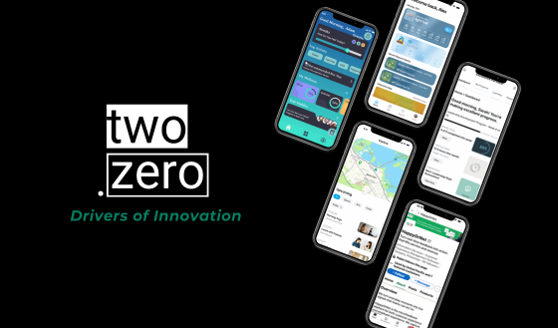
Two.Zero developed a cross-platform mobile and web app for a creative technology firm. They designed the UI/UX, built digital twin claiming and collectible management systems, and integrated AR functionality.
Two.Zero helped the client achieve a seamless toy-to-digital registration with 95% successful scan validation, reduce manual claim processes by 80%, and enable NFT verification. They also increased user engagement, drove repeat interactions, and extended in-app session duration. The team was timely.
The client submitted this review online.
BACKGROUND
Please describe your company and position.
I am the CEO - Founder of Droyz Toys SL
Describe what your company does in a single sentence.
Droyz Toys is a Barcelona-based creative technology company that designs and produces phygital collectible figures that combine physical craftsmanship with digital innovation.
Each Droyz figure exists both as a high-quality physical collectible and as a digital twin that users can interact with through augmented reality and artificial intelligence. By scanning a unique code, collectors unlock their figure’s digital identity, enabling immersive experiences such as AR visualization, character interaction, and ownership authentication.
Droyz Toys integrates advanced technologies including 3D design, AI-driven character personalities, blockchain-based digital ownership, and sustainable manufacturing processes. The company collaborates with global entertainment brands, artists, and creators to transform iconic characters into interactive collectibles designed for the next generation of collectors.
Founded by entrepreneur and creative director Max Piedra, Droyz Toys operates at the intersection of collectibles, gaming, and digital identity, redefining what it means to own and interact with collectible figures in the digital age.
OPPORTUNITY / CHALLENGE
What specific goals or objectives did you hire Two.Zero to accomplish?
Develop a B2C mobile app that bridges physical toys with interactive digital experiences. Enable users to scan and claim toys, manage digital ownership in-app, and unlock augmented reality content, while integrating NFT validation through OpenSea to enhance authenticity and engagement.
SOLUTION
How did you find Two.Zero?
- Referral
- Other
Why did you select Two.Zero over others?
- Close to my geographic location
- Pricing fit our budget
- Good value for cost
How many teammates from Two.Zero were assigned to this project?
2-5 Employees
Describe the scope of work in detail. Please include a summary of key deliverables.
Scope of Work – Droyz Companion App Development
The scope of work performed by the development company covered the design, architecture, development, integration, and deployment of the Droyz Companion App, a cross-platform mobile and web application that serves as the digital ecosystem for Droyz Toys’ phygital collectible figures.
The primary objective of the app is to enable users to claim, manage, and interact with the digital twins of their physical collectible figures, creating an integrated experience that combines physical ownership with digital interaction, augmented reality, and AI-driven character engagement.
Core Functional Scope
1. Application Architecture and Development
The development team designed and implemented the application using Flutter as the core cross-platform framework, ensuring compatibility with both iOS and Android devices, as well as web environments. The architecture includes frontend user interfaces, backend integration, cloud database connectivity, and secure authentication mechanisms.
2. User Authentication and Account Management
Implementation of secure user registration and login systems, including:
- Email and password authentication
- Google Sign-In integration
- Apple Sign-In integration (iOS)
- User profile creation and persistent account management
- Secure session handling and authentication state management
3. Digital Twin Claiming System
Development of the core claiming functionality, allowing users to link physical figures with their digital counterparts through:
- QR code scanning using the device camera
- Manual entry of unique alphanumeric claim codes
- Validation logic to ensure uniqueness and prevent duplicate claims
- Permanent association between the claimed digital twin and the user account
- Backend database integration for ownership tracking
4. Digital Collectible Management System
Creation of the user’s personal digital collection interface, including:
- Display of all claimed digital twins
- Storage and retrieval of collectible metadata
- Persistent ownership records
- User-specific collectible inventory management
5. Augmented Reality (AR) Visualization
Integration of AR functionality allowing users to:
- View their digital twins in augmented reality
- Position and scale characters within real-world environments
- Render optimized 3D models (.glb or equivalent formats)
- Ensure performance compatibility across supported devices
6. Backend Infrastructure and Cloud Integration
Implementation and configuration of cloud-based backend services, including:
- Firebase integration for authentication, database, and cloud storage
- Firestore database structure for user and collectible data
- Cloud-based asset storage and retrieval
- Secure communication between frontend and backend services
7. User Interface and User Experience Design (UI/UX)
Development of a functional and intuitive interface including:
- Collectible browsing screens
- Claim workflows
- User collection dashboard
- Navigation system and interface logic
- Responsive layouts for multiple device types
8. Deployment and Platform Configuration
Preparation and deployment of the application for distribution, including:
- Configuration for Android and iOS builds
- App packaging and compilation
- Deployment preparation for Google Play Store and Apple App Store
- Testing and debugging across supported platforms
Summary of Key Deliverables
The development company delivered the following key components:
- Fully functional cross-platform mobile application (Flutter-based)
- User authentication system with secure account management
- Digital twin claiming system via QR and manual code entry
- Personal collectible management interface for users
- Augmented reality visualization capability for digital figures
- Backend infrastructure integrated with Firebase and cloud services
- Functional user interface and navigation system
- Integration between frontend application and backend database
- Application builds ready for deployment on Android and iOS
- Source code and project structure for ongoing maintenance and future development
Outcome
The delivered application provides the core digital infrastructure required for the Droyz phygital ecosystem, enabling users to connect physical collectible figures with their digital counterparts and interact with them through mobile devices. The system establishes the technological foundation for future features, including AI-driven character interaction, expanded digital ownership systems, and additional interactive experiences.
RESULTS & FEEDBACK
What were the measurable outcomes from the project that demonstrate progress or success?
Achieved seamless toy-to-digital registration with 95%+ successful scan validation, reduced manual claim processes by 80%, and enabled NFT verification via OpenSea API. Increased user engagement through AR features, driving repeat interactions and higher in-app session duration.
Describe their project management. Did they deliver items on time? How did they respond to your needs?
Project Management and Responsiveness
The development company managed the project using an iterative and milestone-based approach, aligned with the evolving technical and functional requirements of the Droyz Companion App. Communication was conducted through regular meetings, asynchronous messaging, and progress updates, allowing for ongoing alignment between the development team and Droyz Toys.
The project followed a phased structure, including initial architecture setup, core feature implementation, backend integration, testing, and deployment preparation. Deliverables were generally provided in functional increments, allowing validation and feedback throughout the development process.
In terms of timeline, key foundational components such as the application framework, authentication system, and core digital twin claiming functionality were delivered within the expected timeframe. Some advanced features and refinements required additional iterations due to the technical complexity of integrating augmented reality, cloud infrastructure, and cross-platform compatibility. These adjustments were managed through continued coordination and prioritization.
The development team was responsive to feedback and evolving project needs. They addressed technical issues, implemented requested changes, and provided clarification when required. Their flexibility allowed the application to adapt to the specific requirements of the Droyz phygital ecosystem, which combines physical products, digital ownership, and interactive technologies.
Overall, the project management approach enabled the successful delivery of the core application infrastructure. The collaboration established a functional technical foundation while allowing room for future improvements, scalability, and feature expansion.
What was your primary form of communication with Two.Zero?
- Virtual Meeting
- Email or Messaging App
What did you find most impressive or unique about this company?
What stood out most about Two.Zero was their ability to understand and implement a technically complex and forward-looking product that combines physical collectibles with a digital ecosystem. The Droyz Companion App required the integration of multiple technologies—including cross-platform mobile development, cloud infrastructure, digital ownership systems, and augmented reality—and Two.Zero demonstrated the capability to bring these components together into a cohesive and functional application.
Their strength in cross-platform development using Flutter allowed for efficient deployment across iOS and Android from a single codebase, ensuring consistency and scalability. Additionally, their experience with Firebase and cloud-based architectures enabled the implementation of a reliable backend infrastructure capable of managing user authentication, digital asset ownership, and real-time data synchronization.
Another notable aspect was their adaptability. The Droyz ecosystem is an innovative concept that does not follow a conventional mobile app model, and Two.Zero showed flexibility in adapting to evolving requirements and exploring new technical approaches when needed.
Overall, their ability to translate a novel and technically demanding vision into a working digital product was particularly impressive, and they contributed to establishing the technological foundation necessary for the future growth and expansion of the Droyz platform.
Are there any areas for improvement or something Two.Zero could have done differently?
While Two.Zero successfully delivered the core functionality of the Droyz Companion App, there are some areas where improvements could have further strengthened the development process and long-term scalability of the platform.
One area for improvement would be more comprehensive technical documentation, particularly regarding the backend architecture, database structure, and deployment configuration. More detailed documentation would facilitate easier maintenance, onboarding of new developers, and future scalability without dependency on the original development team.
Additionally, greater emphasis on knowledge transfer and structured handover procedures would have been beneficial. This includes clearer guidance on managing backend services, deployment pipelines, and infrastructure configuration, ensuring full operational autonomy for the Droyz Toys team.
From a project management perspective, more proactive communication around technical constraints, trade-offs, and long-term architectural implications could have helped optimize certain implementation decisions earlier in the process.
Finally, earlier implementation of scalability and modularity considerations—particularly in anticipation of future features such as AI interaction, expanded digital ownership systems, and increased user volume—would have further strengthened the technical foundation of the platform.
Overall, these areas represent opportunities for refinement rather than fundamental issues, and addressing them would further enhance the robustness, maintainability, and scalability of the application.
RATINGS
-
Quality
5.0Service & Deliverables
-
Schedule
4.5On time / deadlines
-
Cost
5.0Value / within estimates
-
Willing to Refer
5.0NPS